
There are worse problems for an automaker than having more customers than cars. But for Lamborghini, it’s a problem worth taking seriously.
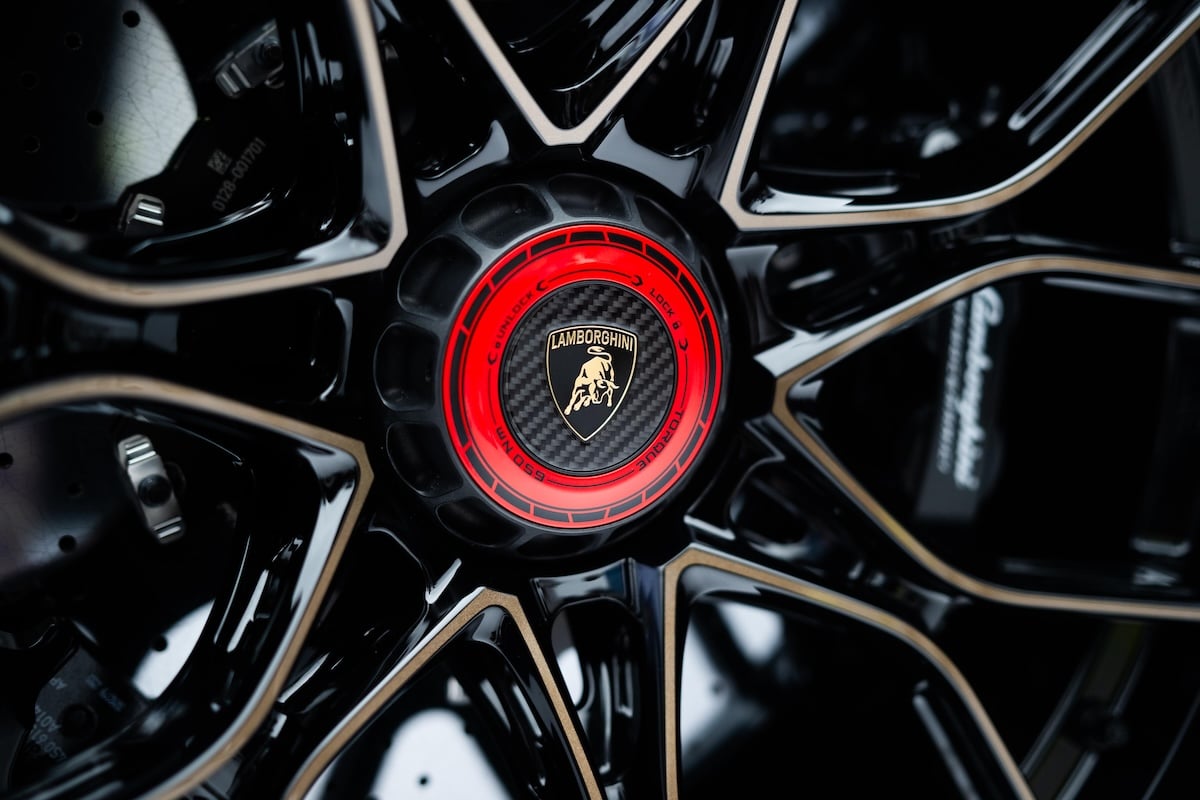
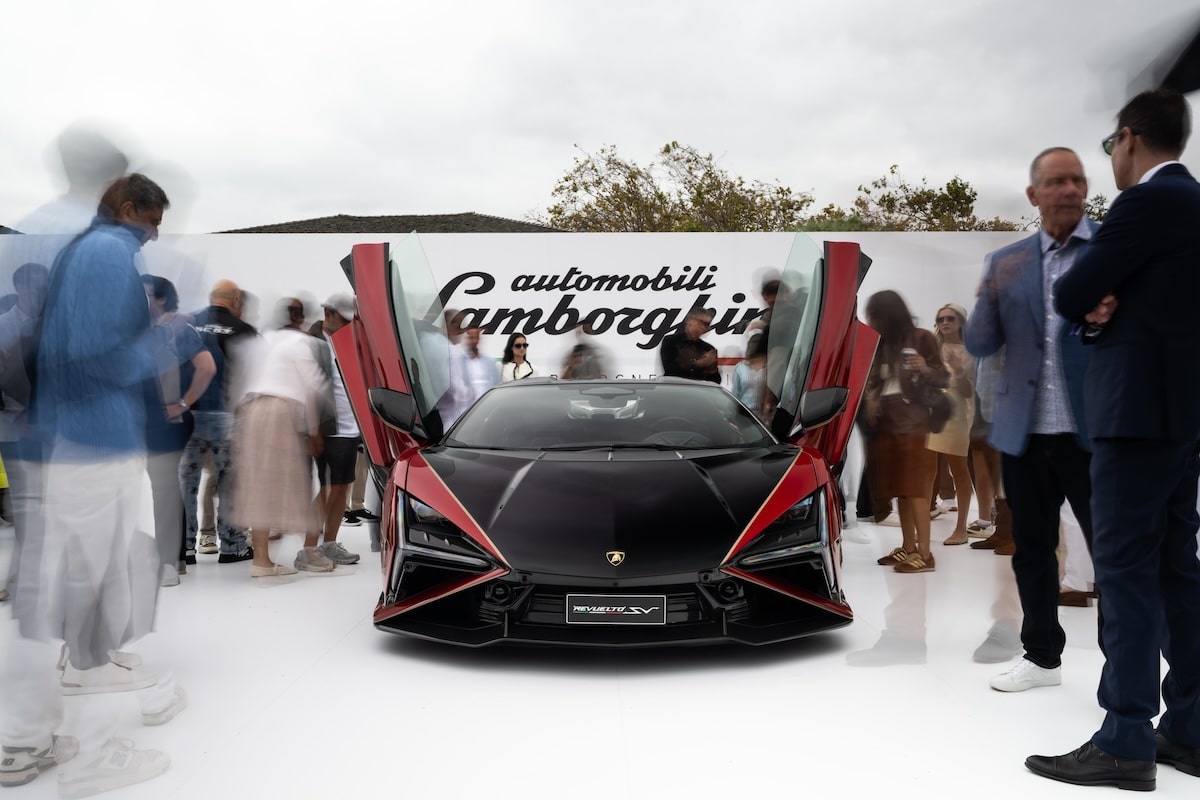
That was evident at The Quail during Monterey Car Week, where Lamborghini unveiled the Revuelto SV, its latest and most extreme V12 supercar. Limited to 1,963 examples, the Revuelto SV produces 1,001 horsepower and, according to Lamborghini, is the most powerful and fastest production car ever built at Sant’Agata Bolognese.
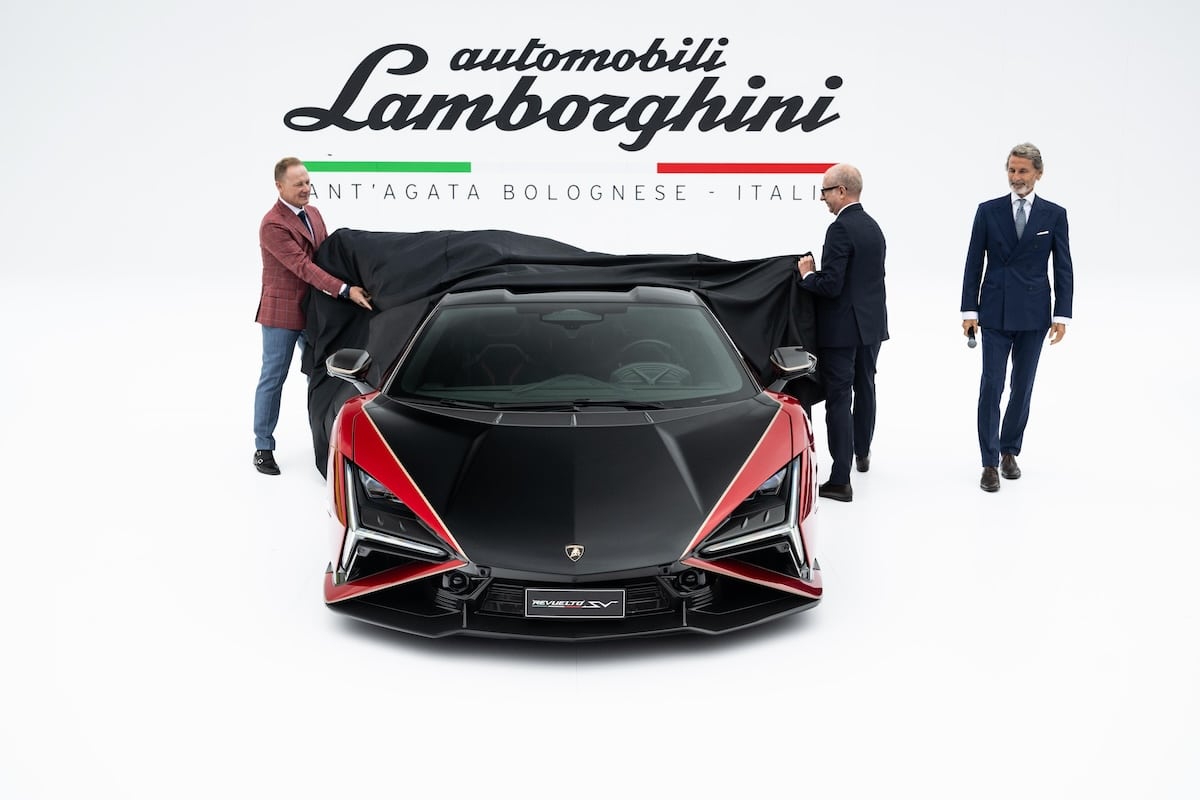
It’s a perfect illustration of Lamborghini’s strategy: build something people want badly, make relatively few of them, and resist the temptation to build too many. Lamborghini delivered a record 10,747 cars in 2025, generating €3.20 billion in revenue and €768 million in operating profit. But its operating margin fell to 24% from 27% the previous year. The company is extraordinarily profitable despite facing tariffs, currency swings, geopolitical uncertainty and a weaker Chinese market.
Stephan Winkelmann, Lamborghini’s chairman and CEO, knows the company’s greatest strength can also be its greatest vulnerability. “You don’t buy our cars because you need the car,” he said. “You buy it because it’s something which is rewarding to yourself.”
Lamborghini’s Scarcity Strategy

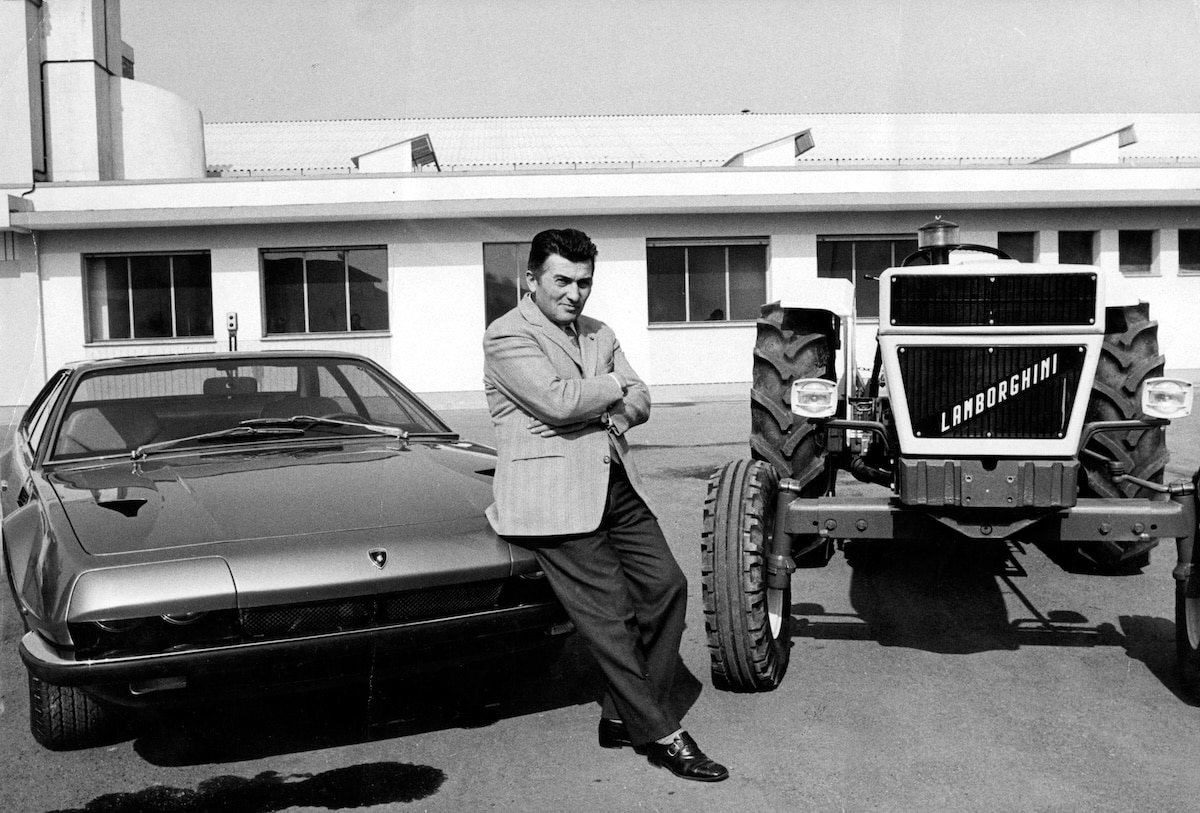
Winkelmann has spent more than 16 years at Lamborghini, starting from 2005 through 2016 before returning as chairman and CEO four years later. Collectively, he’s run the company longer than its founder, Ferruccio Lamborghini. During his tenure, Lamborghini has grown from a small exotic-car maker into one of the world’s most formidable luxury-performance brands.
But Winkelmann isn’t interested in chasing volume for volume’s sake.
“We always have to look into how to manage this balance between having a good financial result and scarcity on the other side,” he said. “It’s easy when the times are good; a little more, a little more, a little more. But then you fail because you miss the balance.”
For most automakers, a customer waiting months for a car is a manufacturing problem. For Lamborghini, a long wait can be part of the product. The company’s 2025 results showed a record order bank, with Revuelto orders extending into the first quarter of 2027 and Urus SE and Temerario orders well into 2026. That gives Lamborghini something most automakers would envy: pricing power.
Lamborghini: Small By Design
Lamborghini’s economics become even more remarkable when viewed against the size of its parent company. “Our business is a very small one,” Winkelmann said, noting that Lamborghini is one of six luxury brands within Volkswagen Group that together sell less than 50,000 units annually.
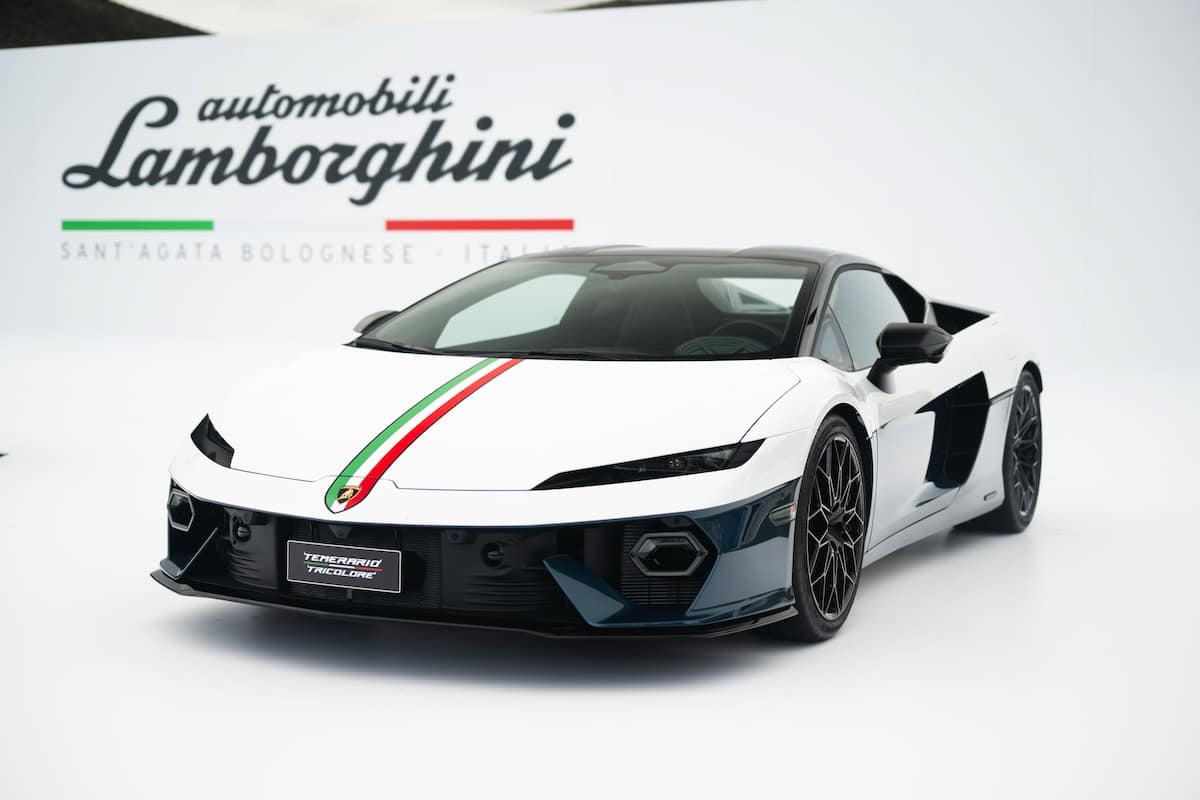
But WInkelmann has maintained the Lamborghini’s new product cadence. The Revuelto arrived in 2023 as the successor to the Aventador. In 2024 came the Urus SE plug-in hybrid, followed by the Temerario, successor to the Huracán. All are hybrids. “The strategy was to renew all the lineup in the last three years, which we managed to do,” Winkelmann said. “The feedback of the customers is the right one, and now we have the next step, which is the derivatization strategy.”
The Revuelto SV is the result. But there’s another element helping the brand’s profitability. In 2025, 94% of Lamborghini deliveries were personalized through Lamborghini’s Ad Personam program.
China and Growth
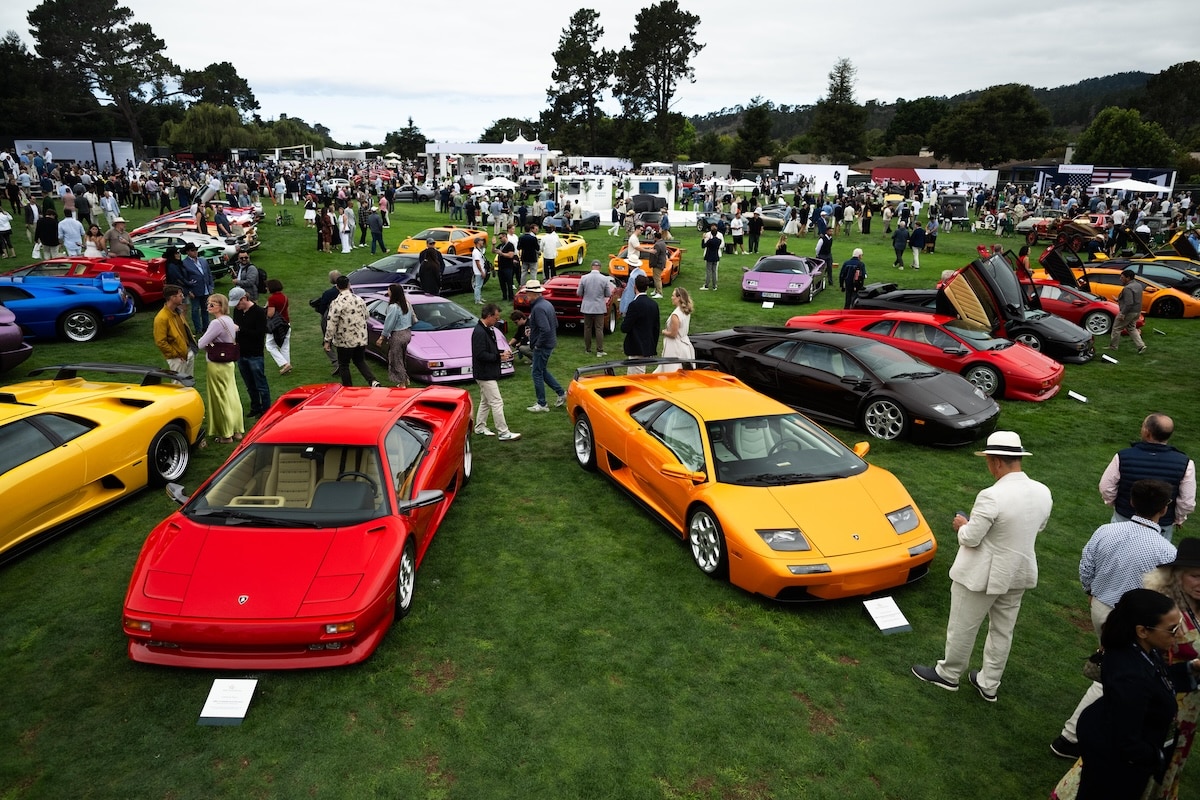
Lamborghini also benefited from not becoming overly dependent on China. “We had a maximum of 10% of our volumes in China,” he said. “Now it’s around 4% and we are not thinking that this is coming back soon.”
In 2025, Lamborghini delivered 4,650 vehicles in Europe, the Middle East and Africa, 3,347 in the Americas and 2,750 in Asia Pacific. “We had to digest the loss, but we were less exposed than others,” Winkelmann said.
In the first half of 2026, Lamborghini reported revenue of €1.74 billion, up 7.4% year over year, despite deliveries falling 4.6% to 5,422. Operating profit was €395 million, producing a 22.7% margin. Fewer cars. More revenue. That’s not the traditional automotive formula. It’s the luxury formula.
The Next Lamborghini
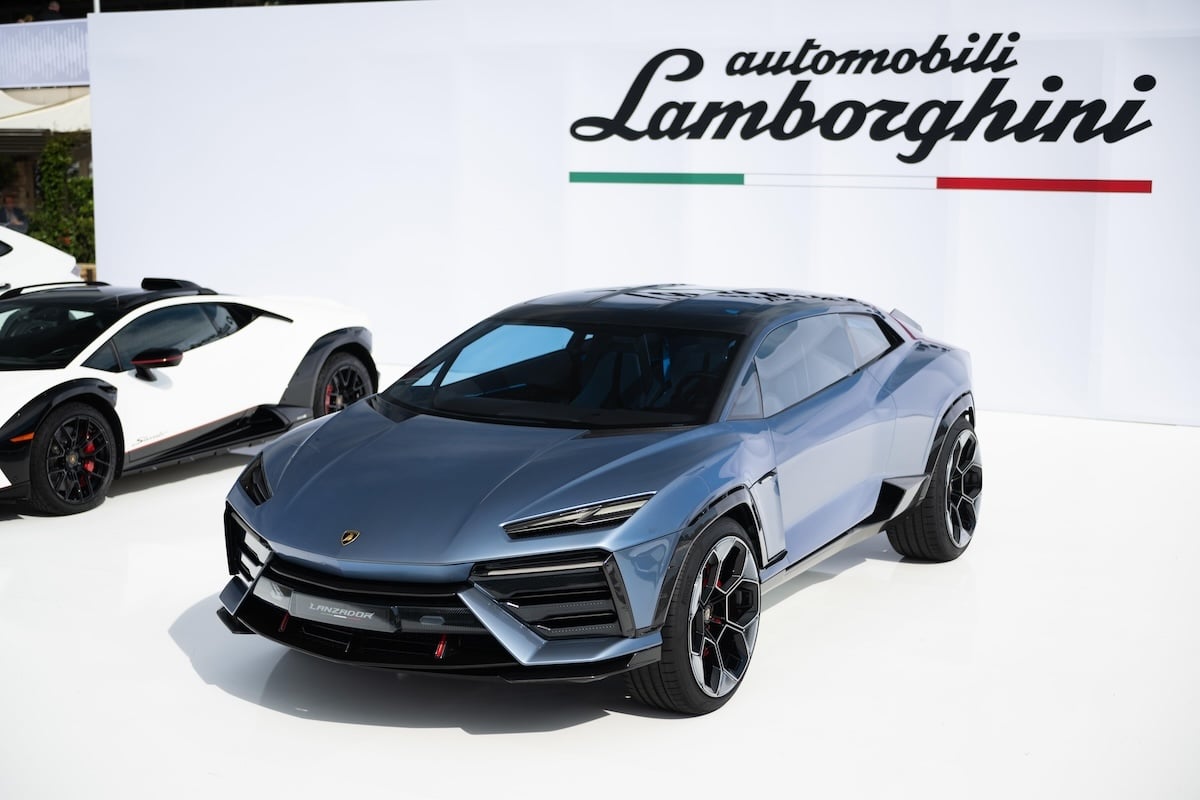
Lamborghini also revealed its fourth model as a successor to the Urus toward the end of the decade. The Lanzador concept, previewed an electric 2+2 Gran Turismo. The opportunity is obvious: A fourth model could increase volume and revenue considerably.
But that’s also where the risk begins. How much can Lamborghini grow before customers begin to feel there are simply too many of them on the road? “The next years are fixed,” Winkelmann said.
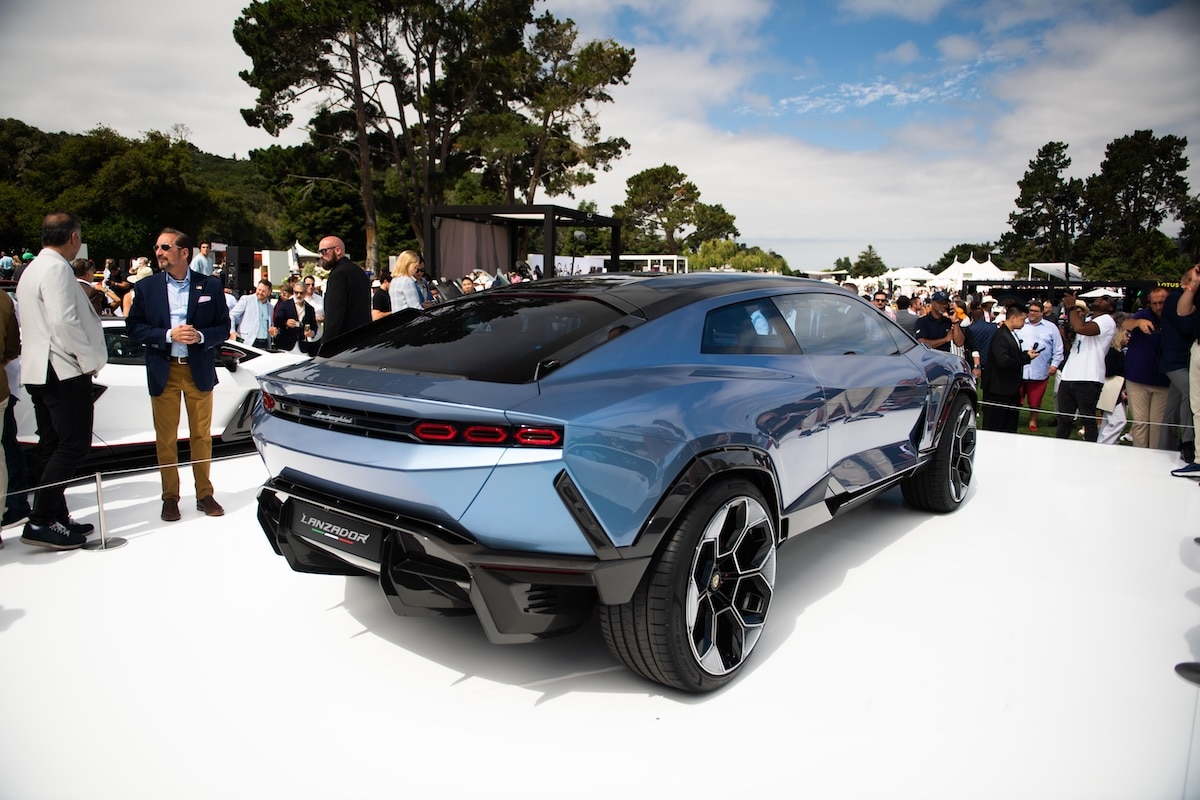
Nevertheless, there’s one part of Lamborghini’s strategy that isn’t open to debate. Lamborghini still builds its cars in Sant’Agata Bolognese. “Made in Italy is what is key for the customers,” Winkelmann said.
Yet that customer is changing. “We have much more women than in the past,” he said. “They’re younger, and the passion is the same for the cars and the Made in Italy.”
The Upshot
Lamborghini has entered the same consideration set as Ferrari, with Ferrari owners buying Lamborghinis. That’s exactly the customer a luxury brand wants: someone who sees both brands as desirable objects worthy of ownership. And that may explain Lamborghini’s success better than any spreadsheet.
While most automakers spend their time figuring out how to sell more cars, Lamborghini has to figure out how to make people want the cars it chooses to build.