
If you couldn’t stomach paying as much as $1,595 just to get through the gates at this year’s The Quail, A Motorsports Gathering, congratulations. Your financial judgment remains intact. You did, however, miss a parade of spectacular machinery aimed at people for whom a five-figure weekend is apparently loose change. Automakers were happy to oblige, rolling out new concepts and production cars for buyers who seem to be thriving rather nicely in this peculiar economy. Here’s what debuted, in alphabetical order.
Acura Nexera Vision
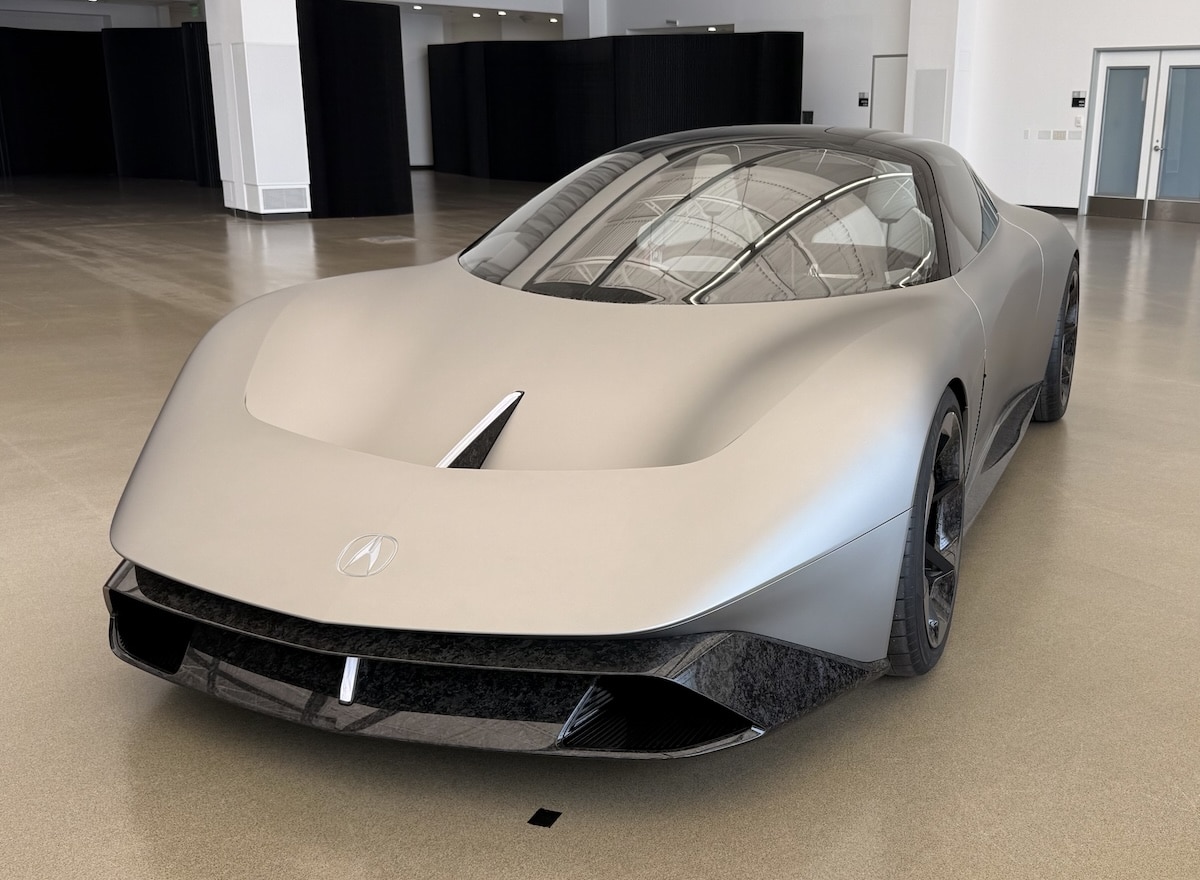
Acura’s Nexera Vision is a reminder of something the company once understood rather well: luxury doesn’t have to mean throwing everything imaginable at a car. The concept emphasizes clean surfaces, a new “phantom lighting” signature and a driver-focused cabin, that mercifully avoids the modern habit of turning the dashboard into a television showroom. In short, Acura’s Nexera Vision is a reminder of something the company used to understand rather well: luxury needn’t mean bolting every conceivable gizmo, gewgaw, and bauble onto a car until it costs more than a small house. It’s a lesson some of the considerably more expensive machinery at The Quail might profit from.
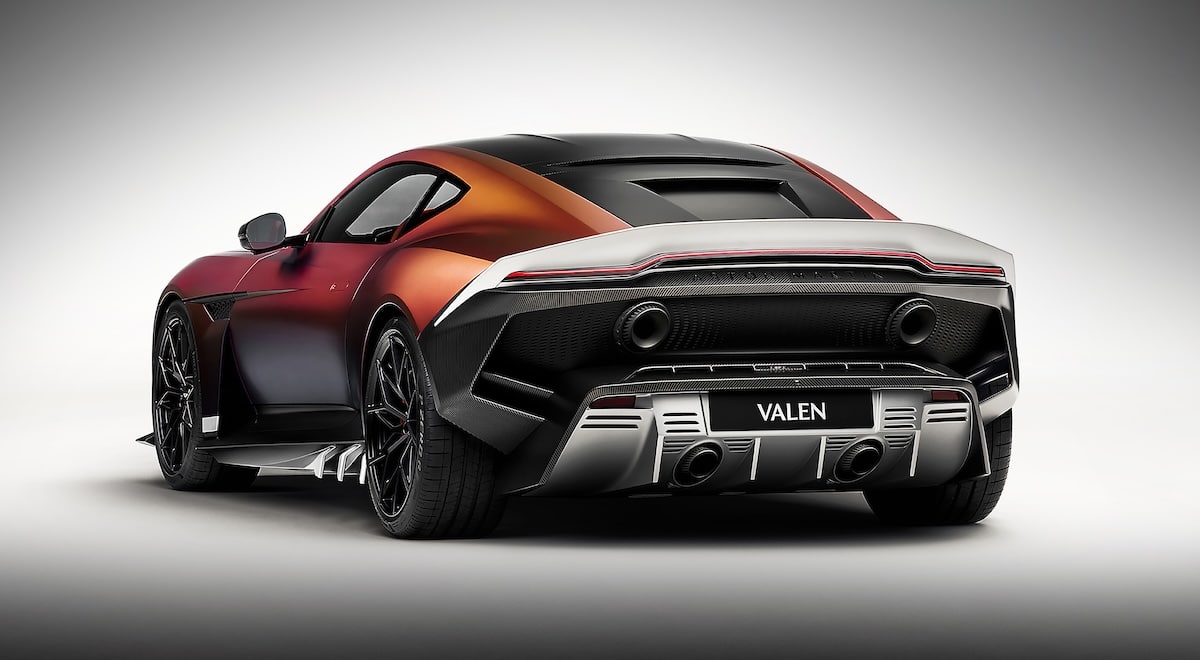
Aston Martin Valen
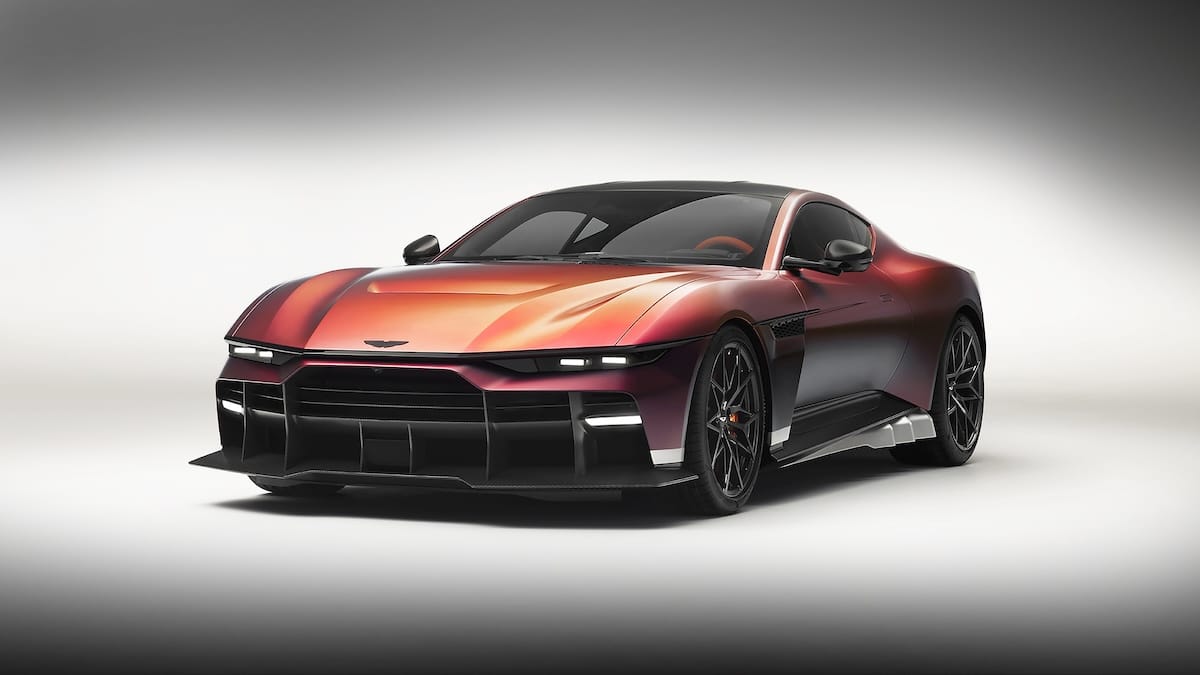
Aston Martin has taken the Vanquish and apparently decided that 824 horsepower was simply not showing sufficient enthusiasm. The new, fiercely-styled Valen produces 838 horsepower and 738 pound-feet of torque from its 5.2-liter twin-turbo V-12, while shedding up to 243 pounds compared to Aston’s standard V12 platform. This allows for a 0-60-mph time of 3 seconds and a top speed of 214 mph. A carbon-fiber body, titanium exhaust, magnesium wheels and carbon-ceramic brakes complete the package. Aston Martin will build 150 examples, because apparently even people who can afford one must suffer from scarcity.
Bugatti Destrier
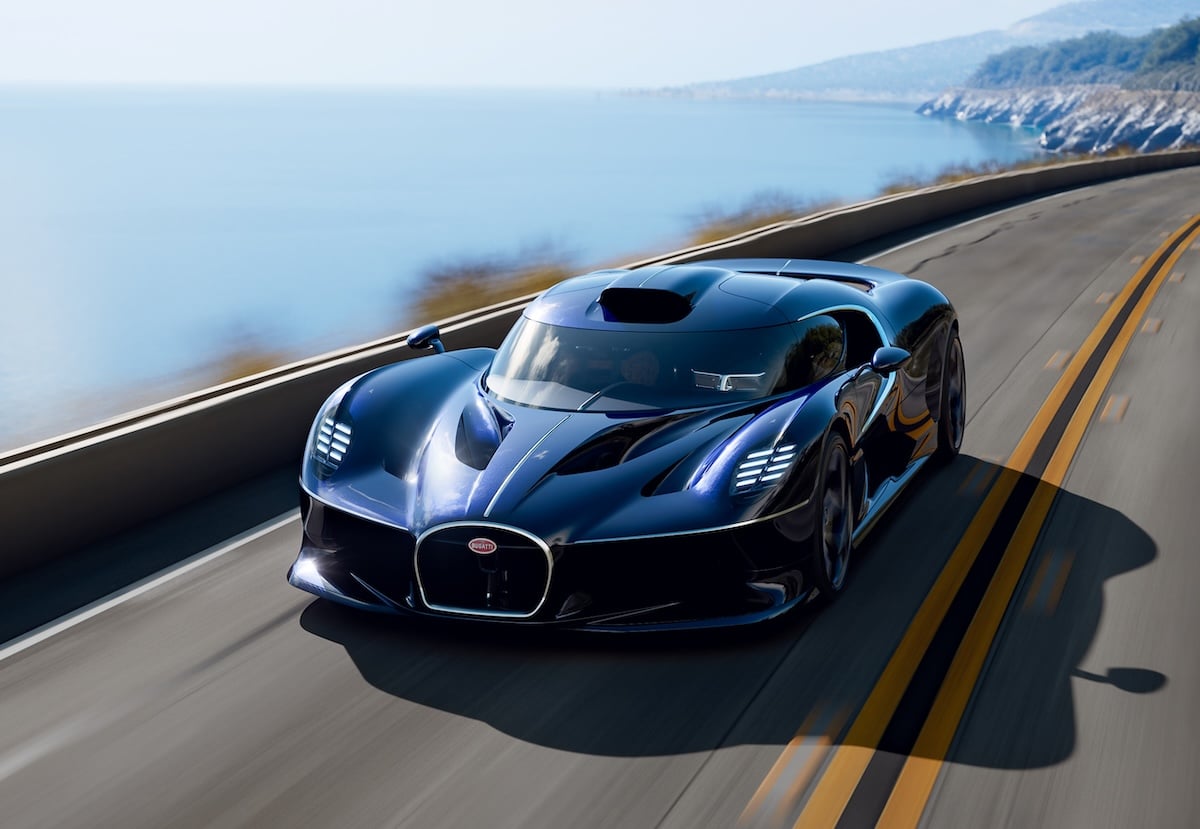
The Bugatti Destrier is a one-off creation from Bugatti’s Programme Solitaire takes the carbon-fiber monocoque and monstrous 1,578-horsepower W16 engine of the Bolide, removes the visual suggestion that it’s about to attack a racetrack, and wraps the whole thing in flowing coachbuilt bodywork. Named after the medieval knight’s warhorse, the Destrier stands just 39 inches tall, making it Bugatti’s lowest-ever silhouette. The Sapphire Celeste paint, enormous horseshoe grille and interrupted C-line give it the appearance of a very expensive sculpture that has escaped its display. Bugatti has taken a racing weapon and dressed it for dinner. And there’s only one.
Cadillac V-One Concept
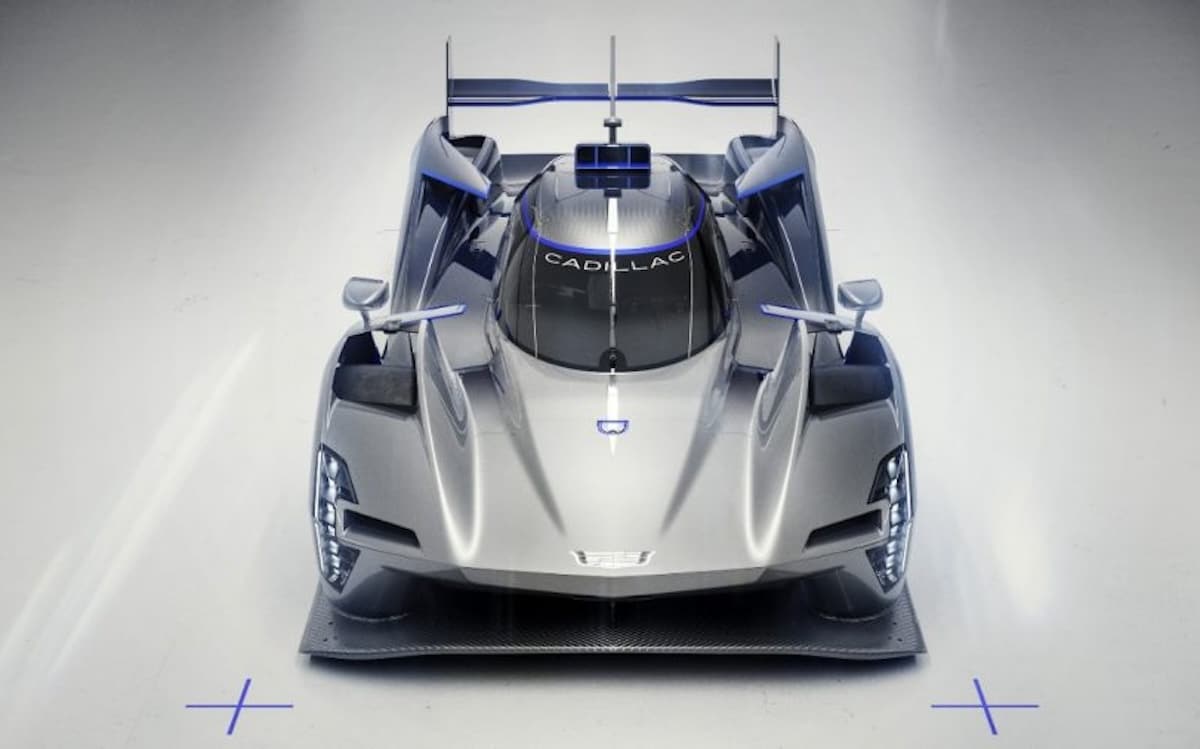
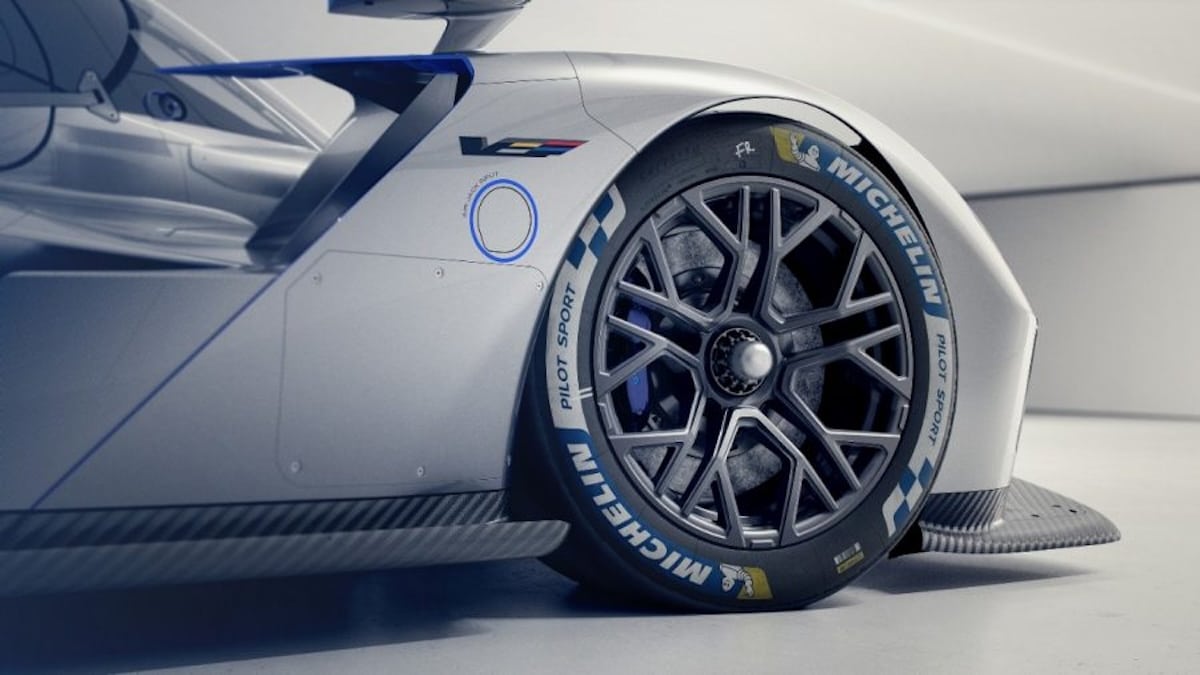
Cadillac may be testing whether its growing endurance-racing credibility can become something wealthy customers actually want to own. The single-seat V-One Concept borrows heavily from the V-Series R race car, including its architecture, suspension and aerodynamics. Packing an 830-horsepower V-8 hybrid powertrain, it combines race-bred hardware with a bespoke carbon-fiber cockpit, driver-specific seat and controls. It’s less a traditional concept than a very expensive question: How much racing hardware might Cadillac customers buy?
Czinger 21C Spyder

Most convertibles lose something when you remove the roof. The 2028 Czinger 21C Spyder, apparently, loses only the roof. Closely related to the 21C HDF, it weighs 3,571 pounds, while generating 3,307 pounds of downforce with the roof on and 3,267 pounds with it removed. It retains its carbon-fiber body and center-seat layout, putting the passenger behind the driver like a very expensive human backpack. Its 750-horsepower V-8 screams to 11,000 rpm, while the cabin gets physical controls and a 3-D-printed dashboard. There’s even a 650-watt audio system, although using it would be like taking earplugs to a rock concert.
Gordon Murray Automotive S1
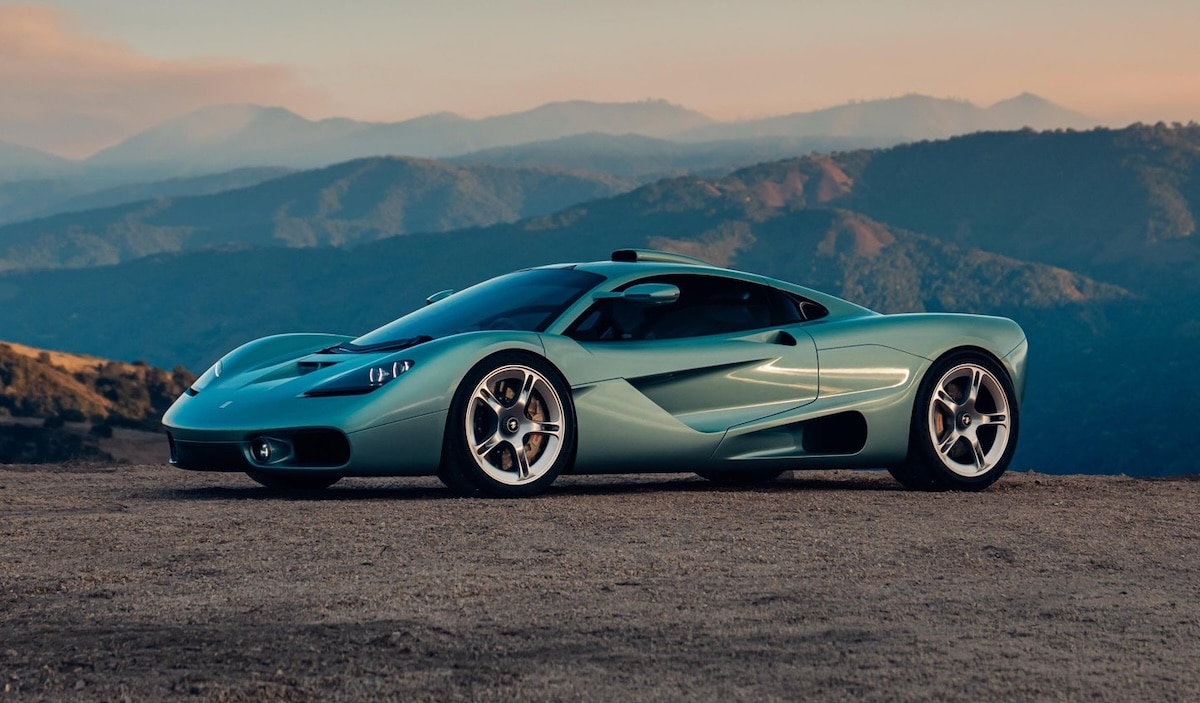
Gordon Murray has apparently decided the modern supercar needs fewer computers and more driver involvement. The S1 gets a 690-horsepower, 4.2-liter naturally aspirated Cosworth V12, a six-speed manual and a central driving position inspired by the McLaren F1. Softer suspension, a 10-mm higher ride height and active rear aerodynamics make it more road-friendly than the track-focused S1 LM. Only 64 will be built, presumably for the dwindling number of people who still know how to operate three pedals.
Hennessey Blackbird

Apparently $2.5 million is the going rate for removing every digital screen from a car. The Hennessey Blackbird is a 71-unit analog hypercar with a naturally aspirated 6.2-liter V8 producing 850 horsepower, a 9,000-rpm redline, rear-wheel drive and a six-speed gated manual. It weighs less than 3,000 pounds, uses a full carbon-fiber chassis and borrows its styling from the Lockheed SR-71 Blackbird, including active rear vertical stabilizers. The entire run is already sold out, with the final 11 disappearing in four hours. Apparently, there’s still a market for spending $2.5 million to change gears yourself.
Lamborghini Revuelto SV
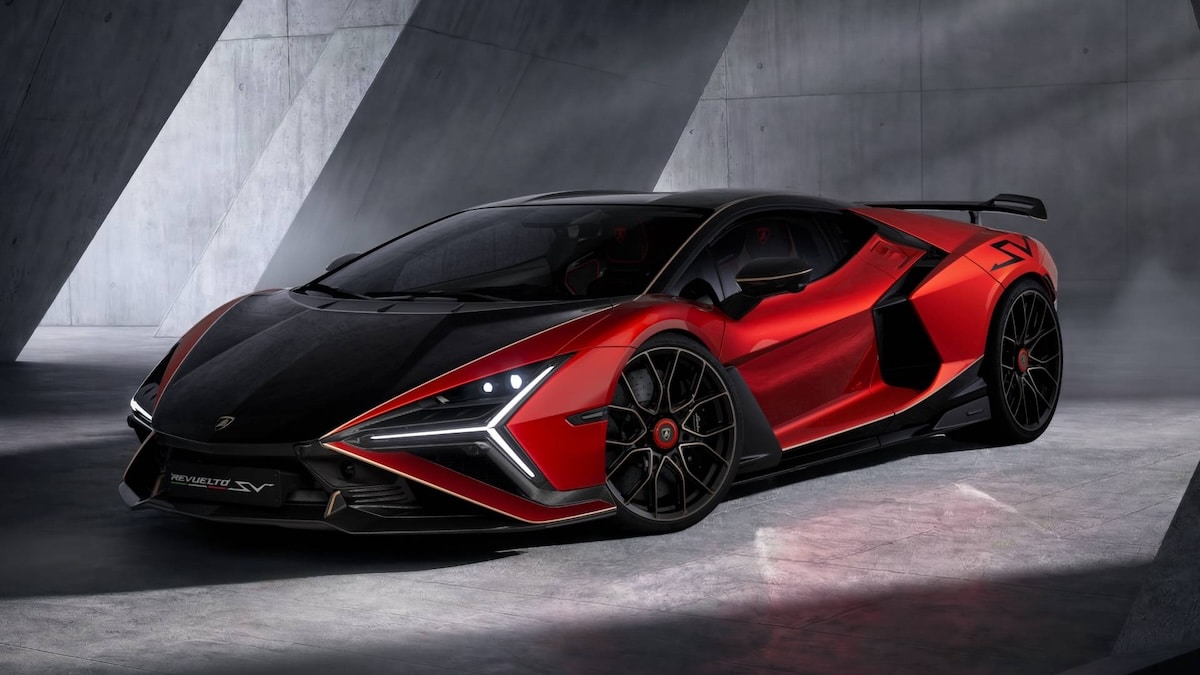
The Lamborghini Revuelto SV is the sort of car that makes 1,050 horsepower seem like a perfectly reasonable amount. Its sharper bodywork isn’t just theatrical: the horseshoe-shaped nose, splitter, revised cooling openings and rear wing are all designed to manage airflow, improve cooling and generate downforce. Inside, racing seats and carbon-fiber trim aid and abet Pilot Mode, which alters the Revuelto SV’s behavior for a more aggressive, track-day attitude. In other words, Lamborghini has taken an already outrageous supercar and removed whatever restraint was left.
Spyker C8 Preliator XXV Coupé
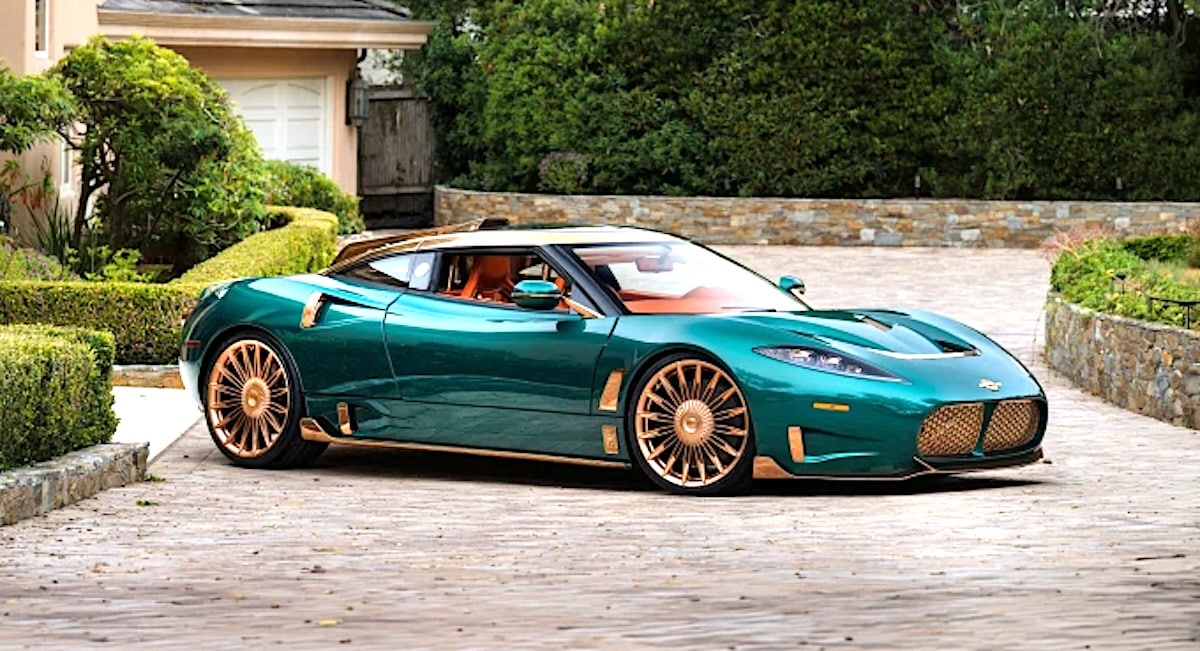
Spyker has returned from the automotive graveyard yet again, proving that bankruptcy is apparently just a long lunch break in the Dutch supercar business. Founded in 1880 as a carriage maker, Spyker graduated to automobiles around 1900, died in 1926, came back in 1999, and filed for bankruptcy again in 2021. Now it has risen once more with the C8 Preliator XXV Coupé. This mid-engine hypercar is powered by Audi’s twin-turbocharged 4.0-liter V8 that generates 789 horsepower and 737 pound-feet of torque. Uniquely, the handmade aluminum body is festooned with gleaming rose-gold trim. The only thing more elaborate than the car may be Spyker’s resurrection strategy.
The Upshot
Taken together, these cars prove that the supercar industry has entered a glorious period of excess, where 1,000 horsepower, manual transmissions, carbon fiber and race-car aerodynamics coexist with the quaint idea that driving should still be fun. The problem is that none of these machines can really be enjoyed in our traffic-clogged world, where 850 horsepower is mostly useful for overtaking a minivan doing 48 mph. Still, judging by the prices and how quickly some sold out, there are plenty of people willing to pay millions for the privilege.