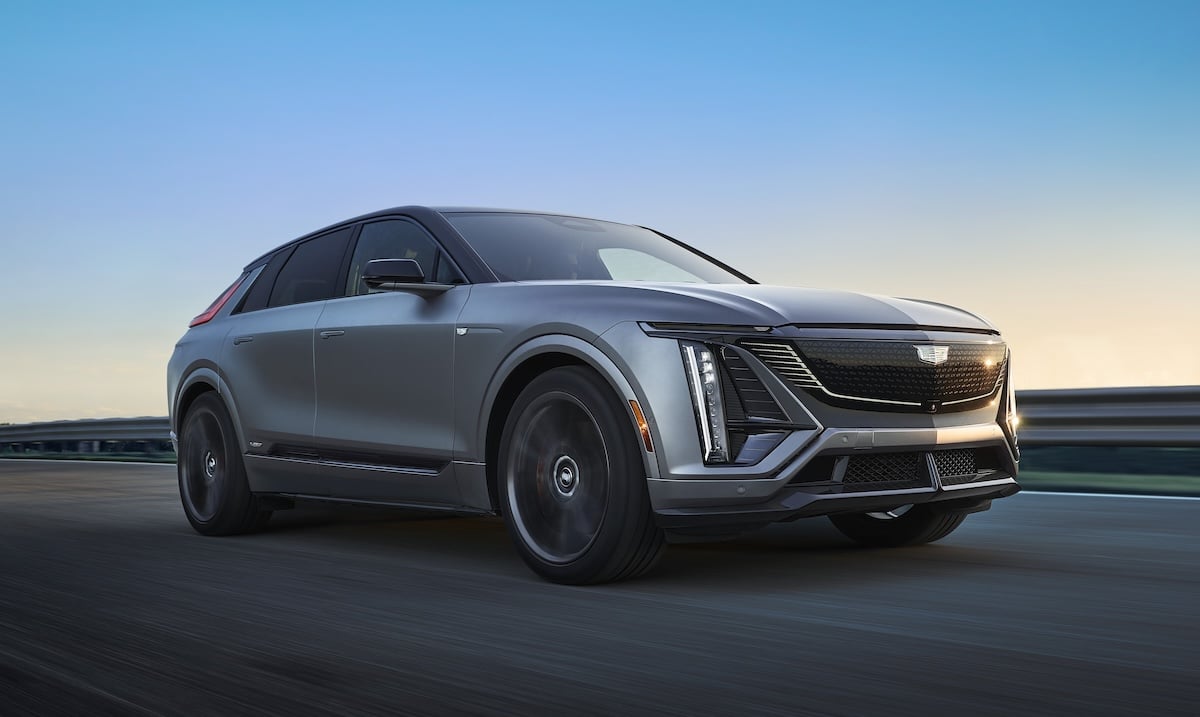
The 2026 Cadillac Lyriq-V represents a quiet but meaningful philosophical victory, one that Mercedes-Benz, despite spending a small nation’s GDP on electric vehicles, somehow managed to miss. Cadillac figured out that the future of luxury EVs doesn’t require abandoning taste, proportion, or sanity. The Mercedes-Benz EQ, by contrast, appears to have decided that aerodynamics should play a dominant role, followed closely by screens. This is not a small distinction. It’s the difference between a luxury car designed for people who like cars and one designed by committees terrified of seeming old-fashioned.
What Cadillac Achieved
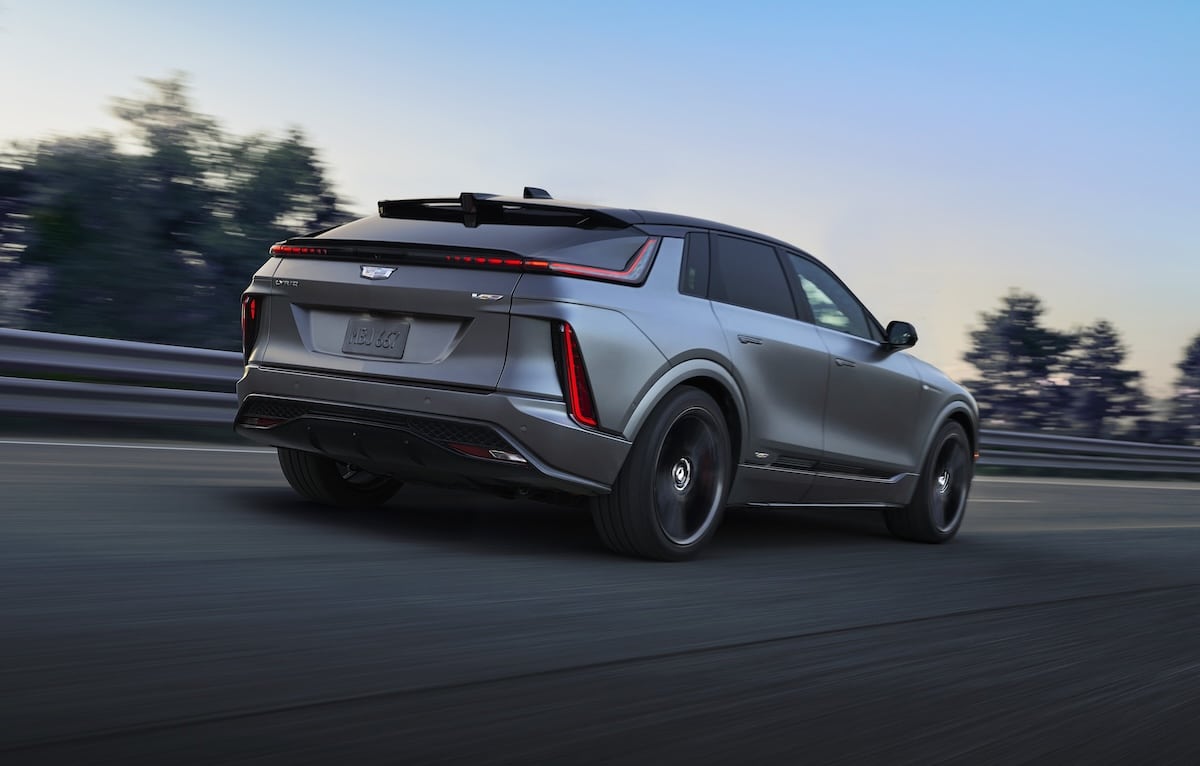
Cadillac’s achievement with the 2026 Lyriq-V isn’t merely that it’s fast, or electric, or technologically sophisticated. Plenty of EVs manage that. The real triumph is that it feels normal. It’s confident, composed, and unmistakably itself. It doesn’t beg you to admire the future; it assumes you’ll notice.
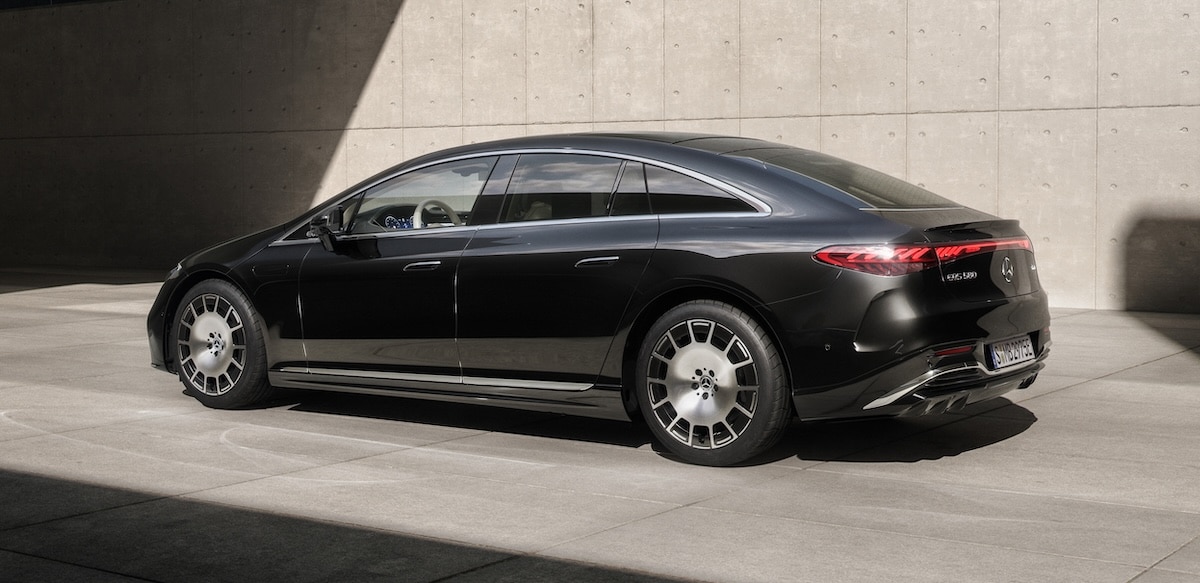
Where the Mercedes EQS looks as though it’s a giant suppository, particularly in white, the Lyriq-V stands tall and angular, wearing its Cadillac identity unapologetically. It has edges. It has presence. It looks like something that was drawn with a ruler instead of a bar of soap. This matters in the luxury space, where buyers want their cars to project success, not experimental anxiety. Mercedes’ EQ lineup, for all its technical brilliance, feels oddly embarrassed by the idea of being a car at all. Sleek to the point of anonymity, futuristic to the point of self-erasure. Cadillac went the opposite direction, producing a design that actually communicates confidence.
The Cadillac Lyriq-V’s Muscle
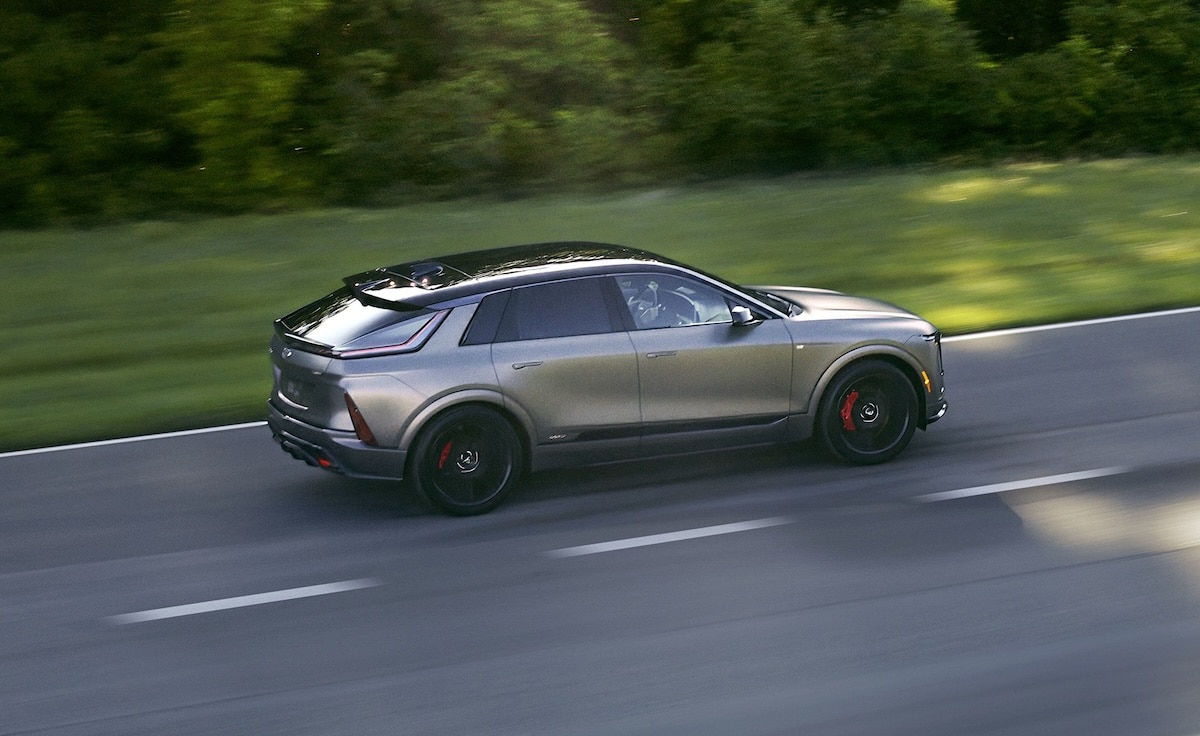
Underneath that sharply tailored sheet metal, the Lyriq-V delivers 615 horsepower in quantities that would have once required a supercharged V8 and a serious conversation with your insurance provider. Engage Velocity Max mode and the Lyriq-V surges forward effortlessly, reminding you why electric performance is so compelling when done right. Cadillac claims the Lyriq-V rockets to 60 mph in 3.3 seconds, but it feels quicker. And this isn’t some flashy trick for impressing passengers; it’s measured, repeatable, and controlled. The chassis stays composed, the steering actually communicates, and the suspension handles the SUV’s hefty mass without pretending gravity is negotiable.
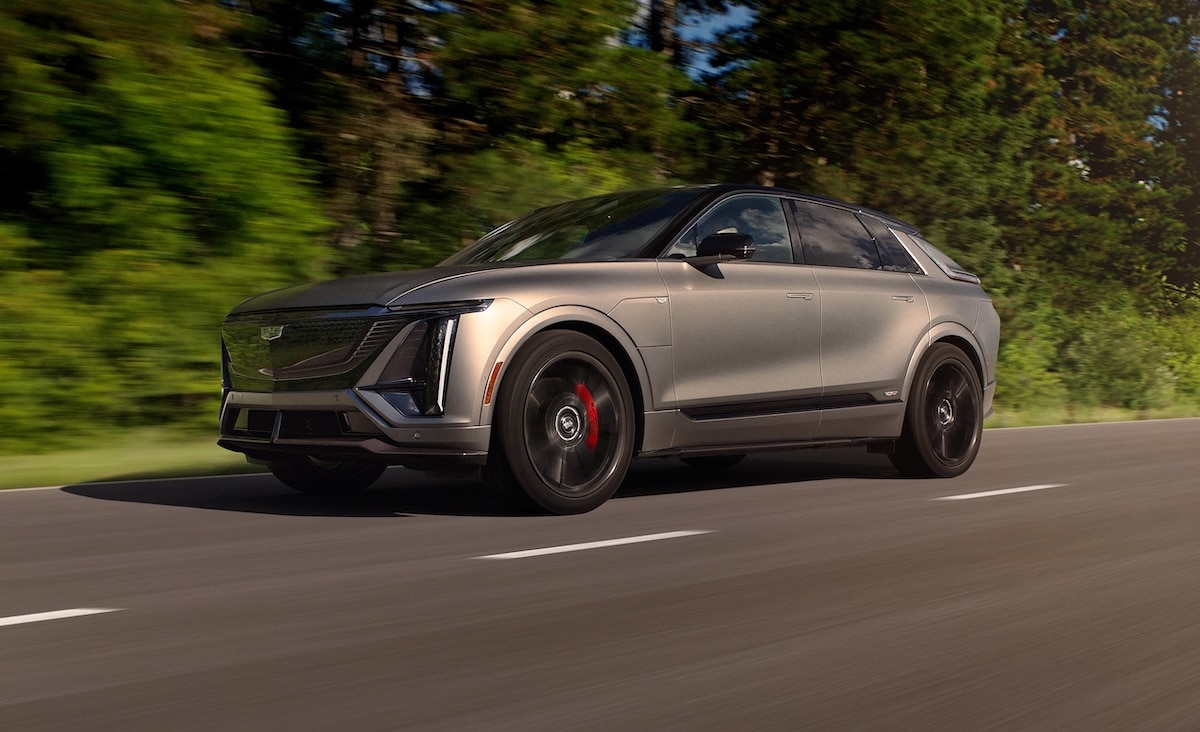
This is where Mercedes EQ shows its true weakness. Sure, those cars are fast. But they’re often numb, disconnected, and strangely joyless once the novelty of the instant torque wears off. The Lyriq-V, on the other hand, clearly remembers what performance is supposed to feel like: alive, engaged, and entirely unwilling to apologize for moving quickly. And continued kudos to Cadillac’s Super Cruise, which remains one of the most refined hands-free driving systems available. It functions smoothly and predictably without making you feel like you’re surrendering control to an overconfident intern. The Lyriq-V’s technology serves the driver instead of auditioning for a keynote presentation.
A Tech Tour De Force
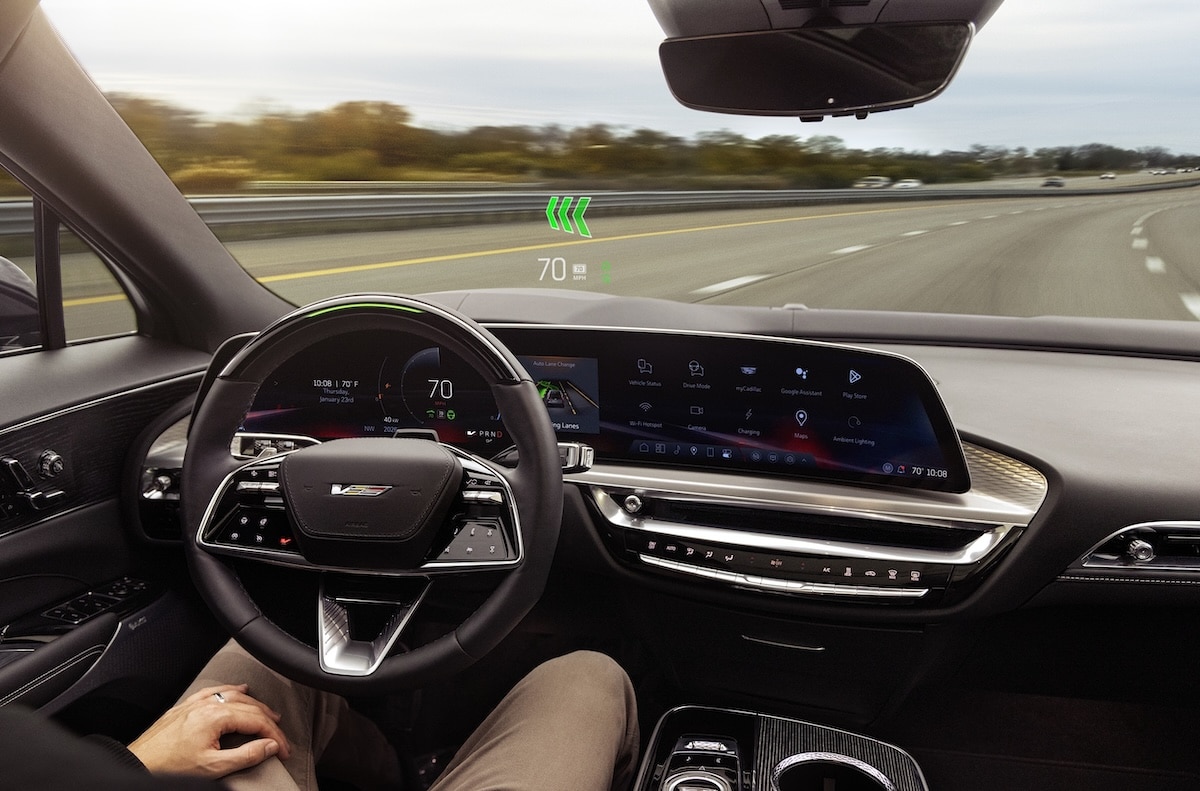
Inside, the Lyriq-V demonstrates a level of restraint that has become increasingly rare. The sweeping 33-inch curved display dominates the dash, but it doesn’t overwhelm it. Information is clear. Controls are intuitive. Physical switches still exist, quietly doing their jobs without demanding applause.
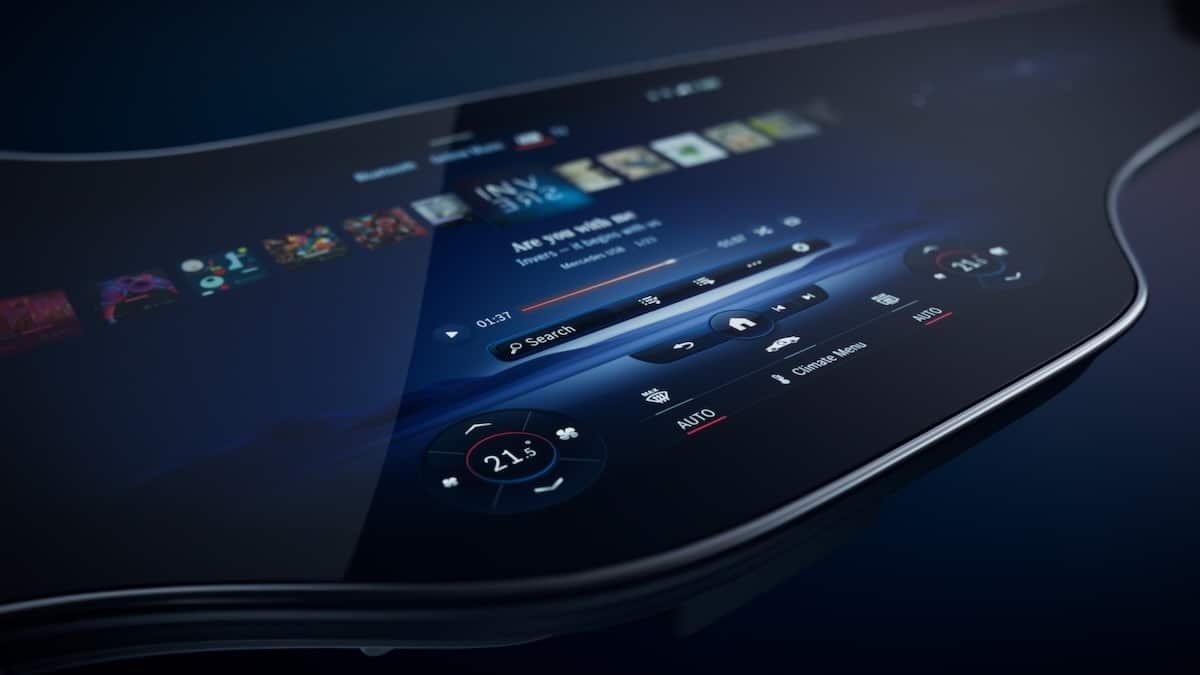
Mercedes’ Hyperscreen, by comparison, feels like an art installation that accidentally became a dashboard. Impressive, but also exhausting, distracting, and possessing the subtlety of the Las Vegas strip. Mercedes EQ interiors often feel as though they’re daring you to keep up. Cadillac’s approach suggests it understands something fundamental: luxury isn’t about visual noise. It’s about ease. Infotainment is responsive, logically laid out, and refreshingly uninterested in testing your patience. Changing the temperature doesn’t require navigating submenus or existential reflection. The car behaves like it understands why you bought it. And it still has Apple CarPlay connectivity, a desirable feature that other Cadillacs lack.
A Comfy Cabin
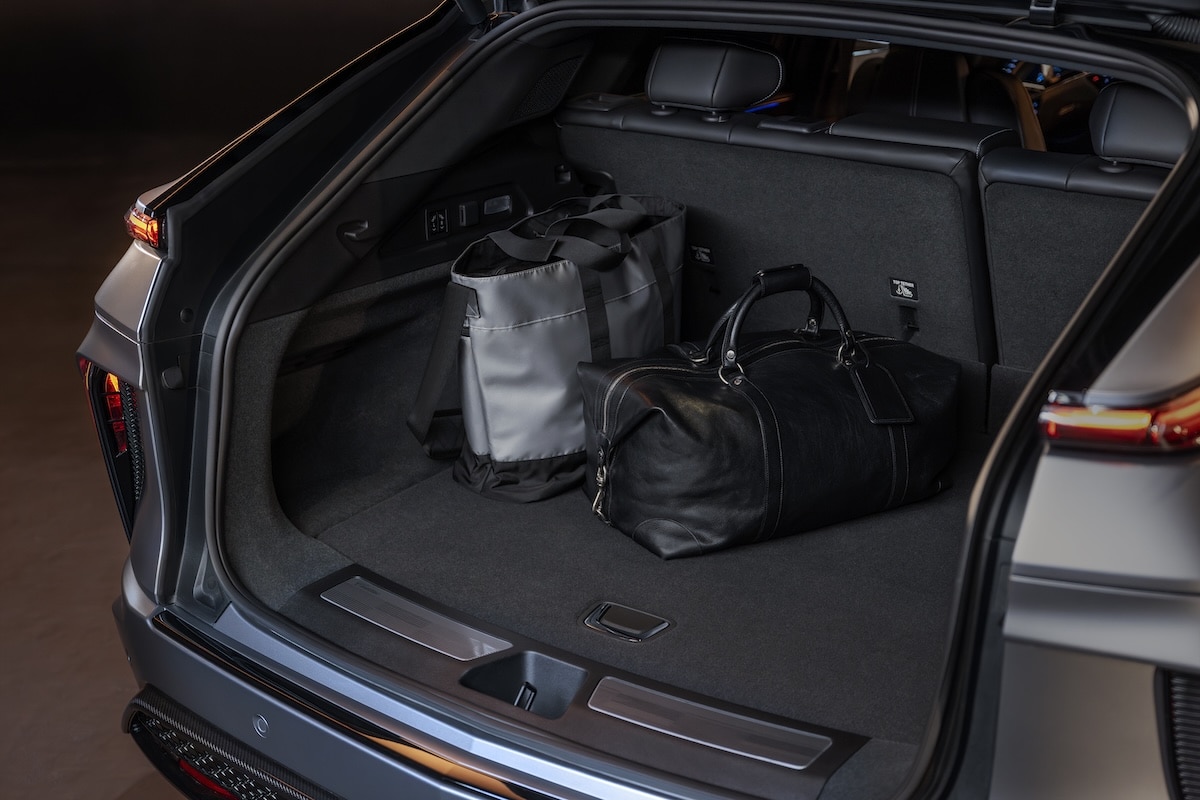
Materials feel appropriately premium, not aggressively futuristic. The cabin doesn’t try to convince you that leather and wood are obsolete. Instead, it integrates modern technology into an environment that still feels human. It’s quietly competent and that’s the more luxurious posture.
The Upshot
Perhaps the 2026 Cadillac Lyriq-V’s greatest success is that it doesn’t abandon Cadillac’s identity in the rush to electrify. It still feels American in its sense of scale, comfort, and presence. It’s aspirational without being pretentious. Mercedes EQ, in trying to create a wholly separate electric identity, managed to dilute what made a Mercedes-Benz desirable in the first place. Cadillac avoided that trap. The Lyriq-V doesn’t feel like a reset. It feels like a continuation.
The 2026 Cadillac Lyriq-V succeeds because it remembers that luxury cars should be beautiful, fast, comfortable, and intuitive. They should reward ownership, not challenge it. They should feel confident, not apologetic. Electric propulsion didn’t require Cadillac to forget how to build a luxury performance vehicle. It simply required them to apply what they already knew. And in an era where so many automakers are determined to reinvent the wheel, Cadillac’s smartest move may have been remembering why people liked the wheel in the first place.