
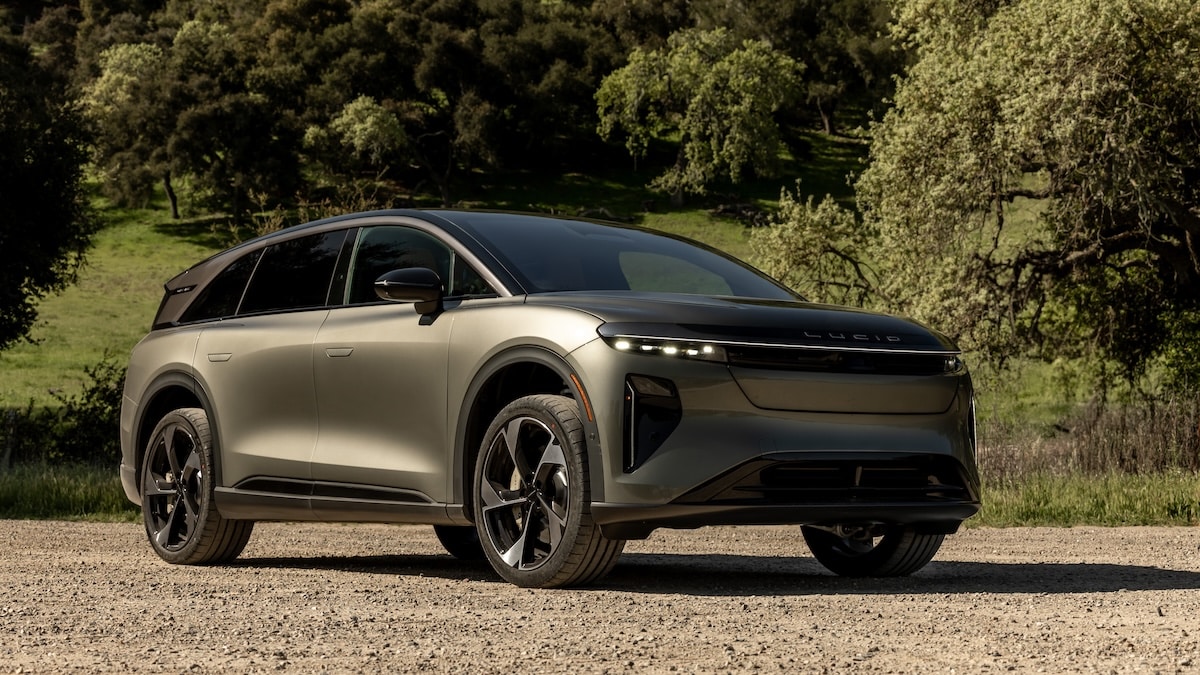
Imagine dropping $94,900 on a brand-new 2026 Lucid Gravity Grand Touring, gliding up to the valet at your favorite Palm Beach establishment, where everything is radically overpriced and the judgment is complimentary, only have to hear him or her squint at your new ride and say, “Minivan.”
It happened to me in Palm Beach, concisely summing up the 2026 Lucid Gravity Grand Touring’s problem in a single, devastating word. Because it’s not a minivan. It’s either a battery-electric wagon, a pseudo-SUV, or a philosophical argument against traditional vehicle categories.
Gravity Defies The Law of Design
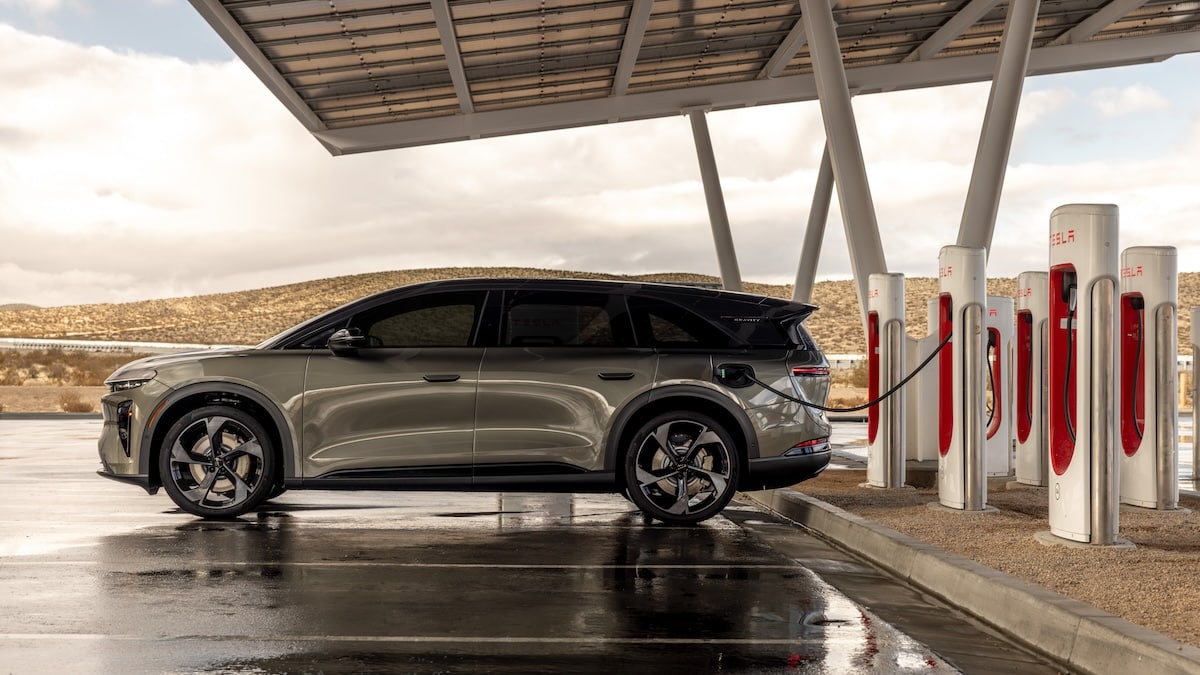
The intention is upscale futurism. The result is youth soccer. This is not a failure of engineering; It’s a failure of design. The Gravity wants to be perceived as a sleek, forward-thinking luxury SUV, but it reads less next-generation status symbol and more like a next-generation rug rat wagon. And in Palm Beach, that’s not an aesthetic; it’s a social offense. It’s a tragedy considering that Lucid knows how to make a knockout design. They created the exquisite Lucid Air sedan with such ease, they made good design look like a layup.
Nevertheless, the 2026 Lucid Gravity arrives in three expressions of financial commitment: the $79,900 Touring, the $94,900 Grand Touring, and the $139,900 Dream Edition, before dealer fees and the accessories you didn’t know you needed. How much power and driving range you get depends entirely on how many Benjamins you’re willing to part with.
What’s It Packing?
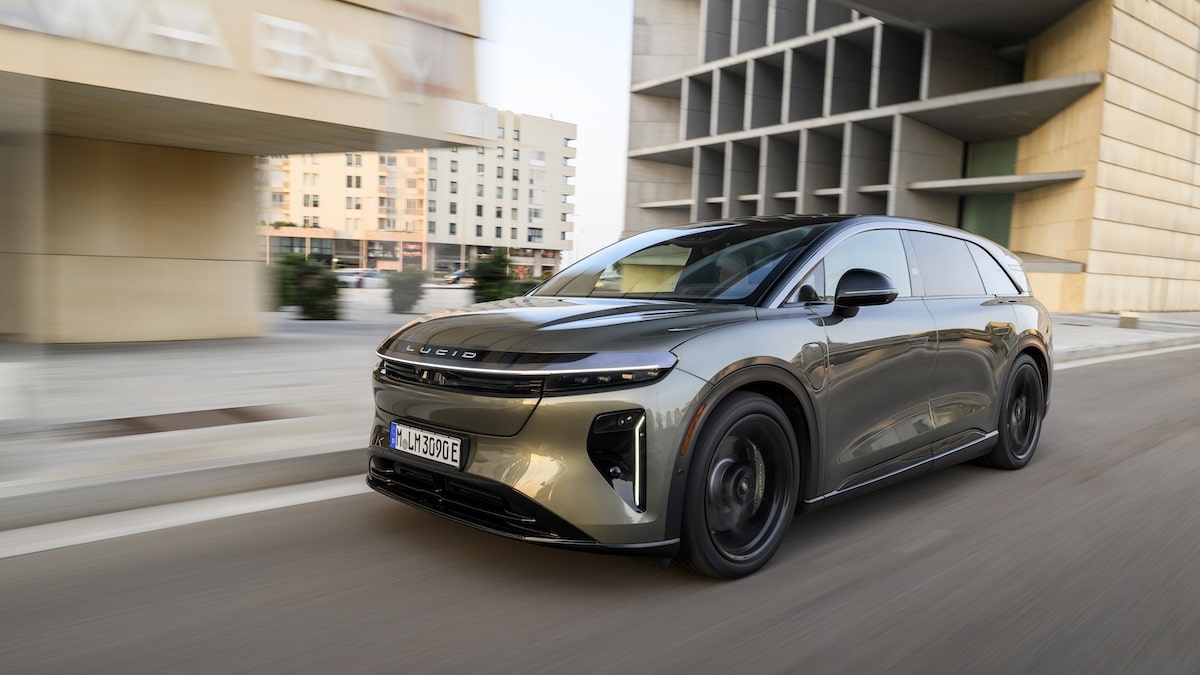
The entry-level Touring produces a perfectly respectable 506 horsepower, which is enough to hit 60 mph in four seconds, roughly the time it takes a valet to decide whether he or she likes you. Range lands between 301 and 337 miles, depending on tire choice. Step up to the Grand Touring and output jumps to 828 horsepower, the sprint to 60 drops by six-tenths of a second, and range stretches to an impressive 407–450 miles. This is the version that’s practical, but able to dust a stoplight grand prix challenger should you feel like it. Then there’s the Dream Edition, with 1,070 horsepower. It rips to 60 mph in 3.1 seconds and delivers anywhere from 378-to-420 miles of range, again depending on tire choice.
All versions come standard with all-wheel drive, because this is a luxury vehicle and it’s expected. Rear-wheel steering, a triple-chamber air suspension, and titanium brake calipers are bundled into a $2,900 Dynamic Handling Package, essentially a reminder that no matter how much you’ve already spent, there’s always one more box worth checking.
How The Lucid Gravity Performs
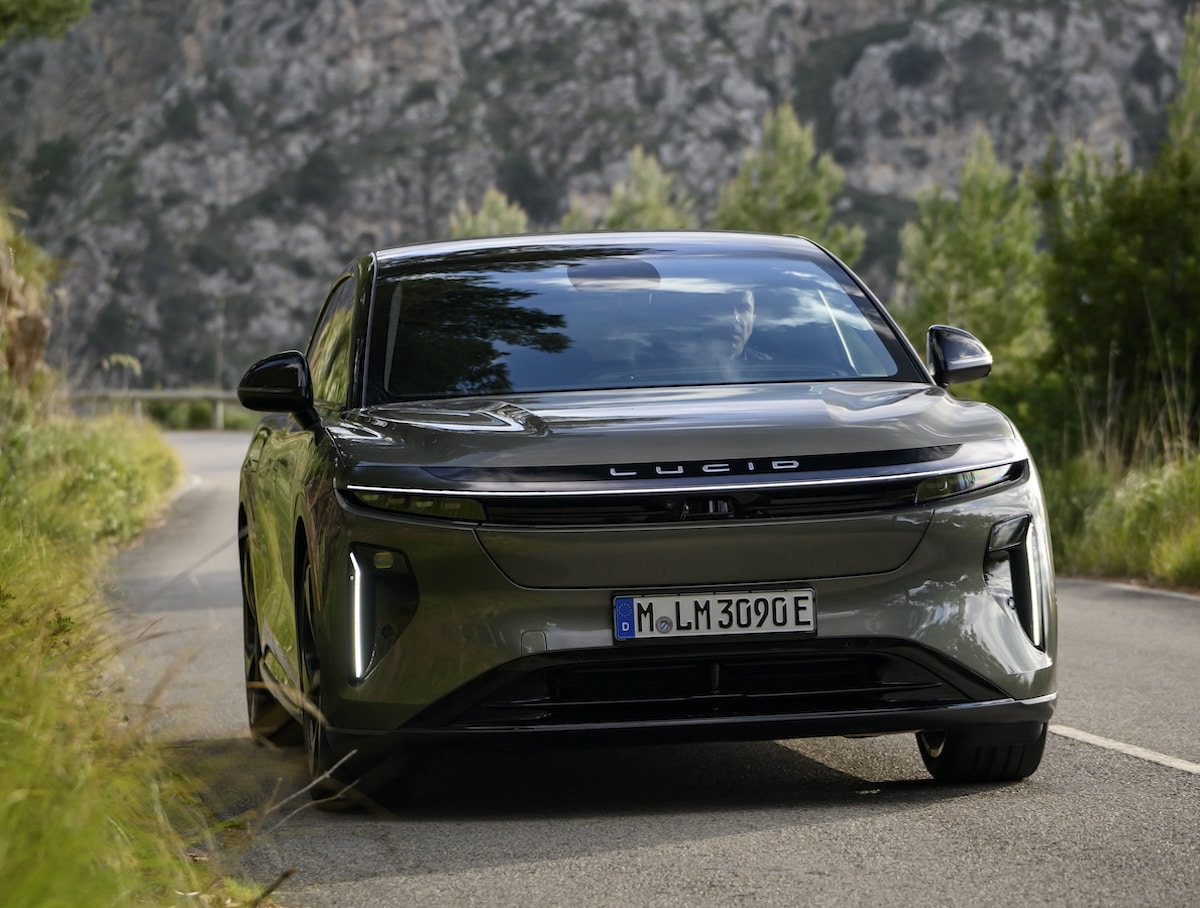
Certainly, the Lucid Gravity Grand Touring accelerates with the usual EV party trick, being silent and immediate. The handling is commendable, body roll is kept on a short leash. Thankfully, the throttle is progressive rather than hysterical. Dial in maximum regenerative braking during the misery of stop-and-go traffic, and the Gravity consumes electricity at the rate of 1 kWh per 4 miles. That’s genuinely impressive, even if it encourages a well-earned sense of moral superiority over anyone still burning hydrocarbons.
Less admirable is the ride quality. Despite the presence of air suspension, traditionally installed to placate pavement, it delivers a firmness that suggests it was tuned by someone with unresolved feelings about comfort. Worst of all, it never feels fun to drive. It’s competent, efficient, and relentlessly correct, like a valedictorian who reminds the teacher about the next homework assignment. The Gravity does everything right, yet never once encourages you to take the long way home or stay out late. It’s impressive, admirable transportation that’s about as playful as a spreadsheet. Still, perspective is important. This is a 6,048-pound, 198-inch-long vehicle that can tow 6,000 pounds, yet it manages to feel agile. You don’t expect delicacy from something this large, but the Gravity provides it anyway, which is a triumph of engineering.
The Inside Story
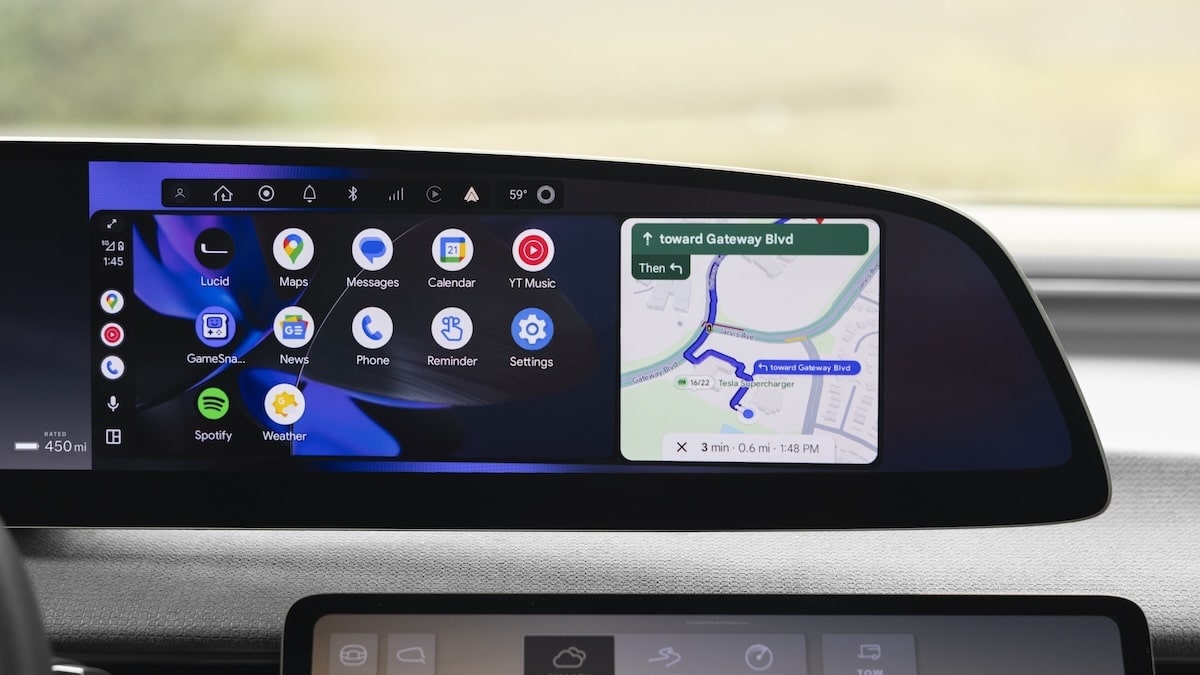
The driver faces a squircle steering wheel and a 34-inch screen that houses the digital gauge cluster and infotainment system. Other controls are housed on a lower, 12-6-inch, landscape-oriented touchscreen for secondary controls. The software interface isn’t always the most logical, so finding controls can take time.
Hipsters may swoon over the squircle steering wheel as if it were a reclaimed-wood coffee table, but in practice it works about as well as most fashion statements: it looks interesting and functions poorly. The view forward isn’t helped by the massive front pillars and their little triangular windows, which recall the sightlines of GM’s Dustbuster minivans.
The seats are racing-bucket firm, apparently designed for drivers who enjoy endurance tests, though headroom and legroom are generous throughout the cabin. Fold down the second and third rows and you’re rewarded with 120 cubic feet of cargo space, plus another 8 cubic feet in the front trunk.
The Upshot
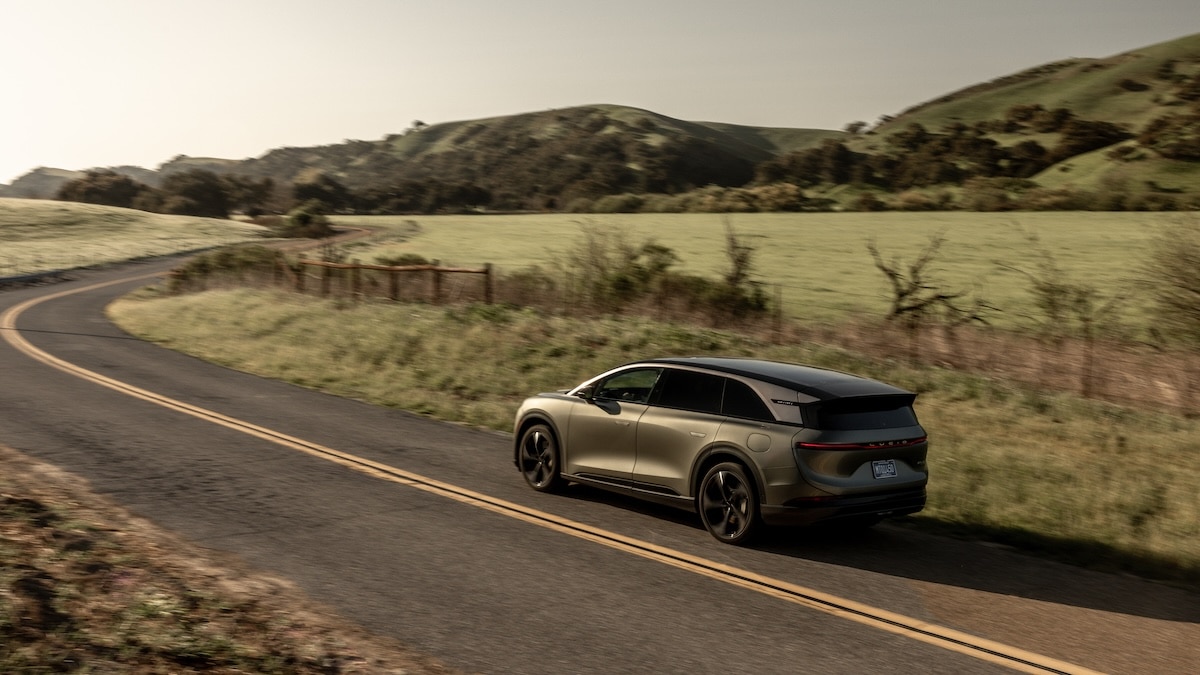
Lucid’s future doesn’t hinge on whether the Gravity is good. It certainly is. It hinges on whether it’s good enough to sell well enough to convince Wall Street that Lucid is a car company worth its stock multiple. The jury is still out on that one. Otherwise, it may join the leagues of Fisker, Lordstown Motors, Canoo and Nikola; EV startups that were better at vaporizing millions than manufacturing vehicles that sell.