

Automakers employ thousands of engineers, designers, marketers and executives. They have laboratories, wind tunnels, clay models and computers powerful enough to calculate the aerodynamic consequences of a man sneezing near a side mirror. And yet, somehow, they routinely fail to build what people actually want. They’ll spend five years and several billion dollars creating an electric SUV with 800 horsepower, a panoramic glass roof and enough computing power to overthrow a small government.
But ask for a reasonably priced sedan with physical controls, a manual transmission and a good-looking body, and suddenly you’ve requested a horse-drawn submarine. So here are five things car companies could give us tomorrow that would make their vehicles considerably better. Naturally, they won’t.
Stop Putting Everything on a Screen
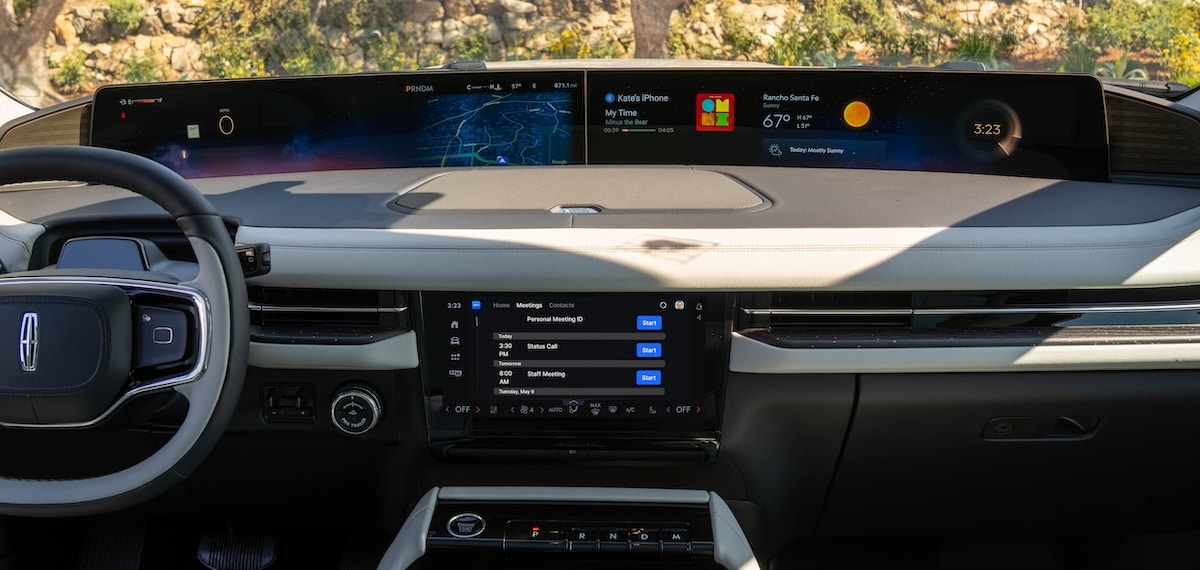
At one time, operating a car was simple. You want colder air? Turn a knob. Now, cooling off requires navigating a touchscreen interface designed by the same person who designs nuclear arsenal safety systems. Screens are excellent for maps or showing you how close you are to running over your neighbor’s yappy poodle. They are not good for adjusting the heater while driving at 70 mph. A physical button can be operated by feel. You don’t have to take your eyes off the road.
Manufacturers say screens make interiors cleaner and more modern. Yes, and a morgue is extremely clean as well, but I wouldn’t want to live in one. Give us buttons for temperature, fan speed, volume, defrost and heated seats. If engineers can develop a car that parks itself while towing a trailer, they can develop a volume knob.
Build Cars Normal People Can Afford
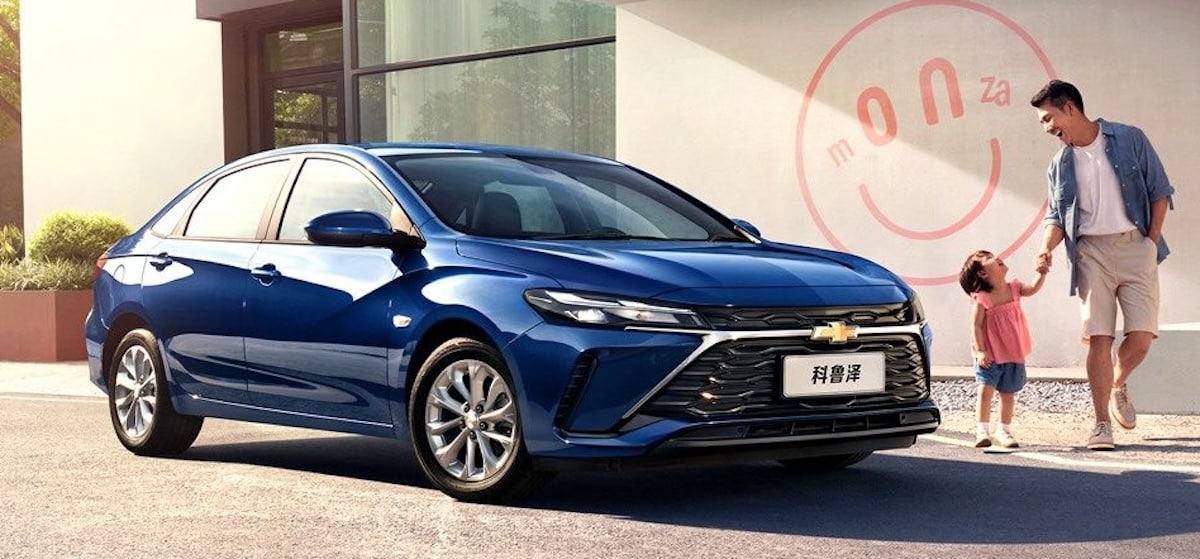
Manufacturers say consumers want SUVs, not sedans. But when the sedan disappears and the cheapest SUV costs $36,000, you can hardly claim the public decided transportation should cost as much as a kitchen renovation. Not everyone needs three rows, 400 horsepower, 24-inch wheels, a glass roof and a 19-speaker audio system capable of reproducing the sound of a mosquito clearing its throat in the glovebox.
Some people simply need a safe, reliable, comfortable, economical car that doesn’t require a six-year loan and a meeting with a financial advisor. Offer genuinely good vehicles in the $15,000–$30,000 range, not penalty boxes that look as though the design department was given 11 minutes to create it.
Make Cars Easier to Repair

Your grandfather’s car had an engine, transmission, four wheels and a radio that received approximately three stations. Today’s car has cameras, radar, computers, electronic modules and enough wiring to make an electrician quietly leave the room.
The technology is wonderful until it breaks. A $40 component fails and suddenly the bill is $1,400 because that tiny component is buried inside an electronic assembly controlling half the car’s functions. It’s like breaking a shoelace and being told you need a new leg.
Manufacturers should design cars so individual components can be easily and affordably replaced. Parts should be available, and independent repair shops should have the information needed to fix them. People don’t expect cars to live forever. They’d simply like to repair them when they break. It’s called ownership.
Give Us Cars That Actually Look Good
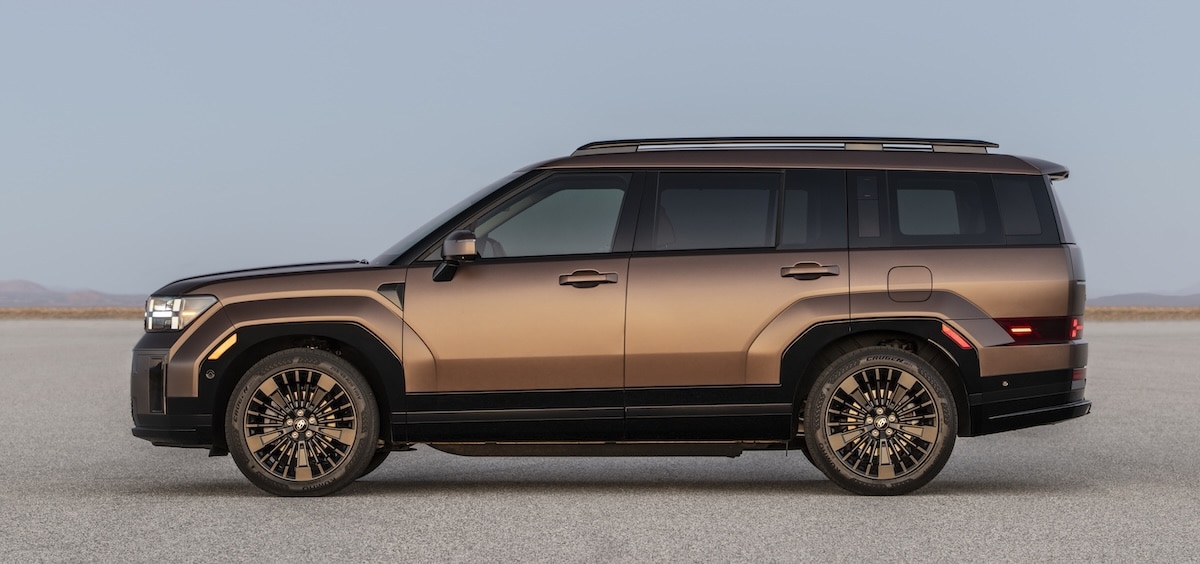
Manufacturers tell us nobody wants sedans. They’ve spent years telling everyone SUVs are sensible, stopped advertising sedans, even as they stopped developing interesting ones and shoved the ones that survived into the darkest corner of the showroom. Then they looked at the sales figures and declared that nobody wanted sedans. That’s like removing steak from every restaurant and concluding the population has become vegetarian. Instead, we get vehicles that look like angry shoeboxes.
Sedans are lighter, more aerodynamic, quieter and more efficient. They can also go around corners without feeling like you’re trying to steer a wardrobe down a staircase. Give us a $25,000–$30,000 sedan with beautiful proportions, good seats, a decent engine, perhaps a manual transmission and an interior containing actual buttons. People will actually buy it.
Stop Hiding Everything in Ridiculous Packages

Want heated seats? You’ll need the Premium Comfort Package, which requires the Technology Package, which requires the upgraded trim, which includes a panoramic roof you never wanted. That’s great. You’ve now spent $7,500 because your butt gets cold.
This is one of the industry’s favorite tricks.
You don’t buy the feature you want. You buy it bundled with six things you don’t. It’s as if automakers learned pricing from cable companies and we all know how well that’s working out. That’s why we now have streaming. The technology exists to let customers configure cars quickly and sensibly. Manufacturers simply prefer packages because they’re easier and more profitable, not because customers want them.
The Upshot
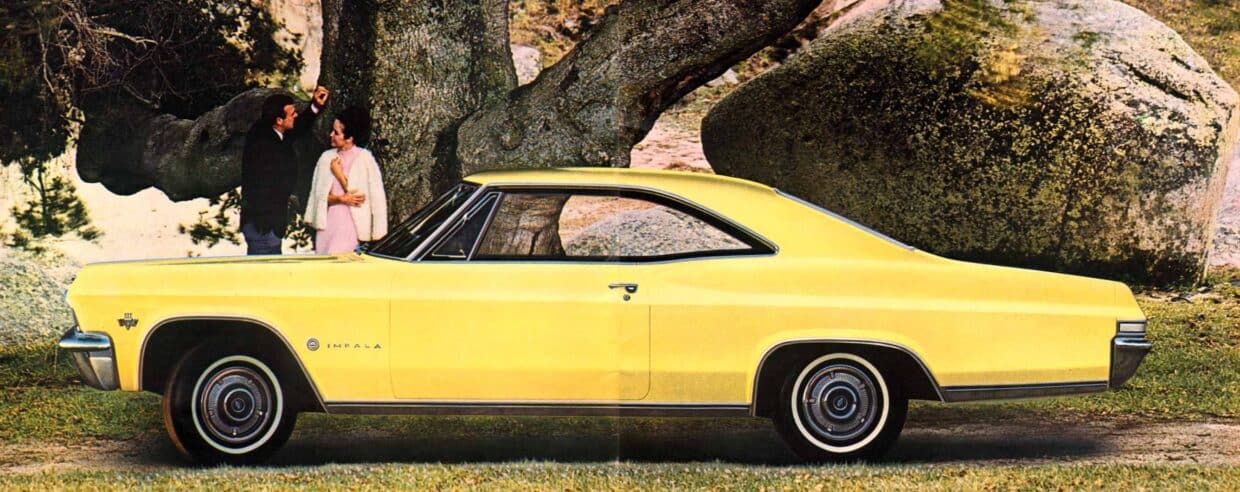
None of this is inevitable. Manufacturers could build affordable cars. They could give us buttons. They could make repairs easier. They could build attractive sedans. They could let customers choose the equipment they actually want. They probably won’t.
The funny thing about the car business is that automakers spend billions trying to predict what customers want, while customers have already told them. They just aren’t listening.
But it wouldn’t be surprising if Chinese automakers are.
Editor’s note: This column originally appeared in The Car Collective Substack. To subscribe, click here.