The 2027 Hyundai Santa Fe keeps its boxy shape and gas-or-hybrid lineup, but some familiar convenience features are going away. Fingerprint recognition disappears from the upper trims, and shoppers who want Digital Key will need to look farther up the lineup.
Hyundai calls this a carryover model. Even so, its official 2027 change sheet gives buyers a reason to compare equipment carefully when choosing between model years. Here are the changes and the basic numbers that matter.
2027 Santa Fe equipment cuts affect several trims
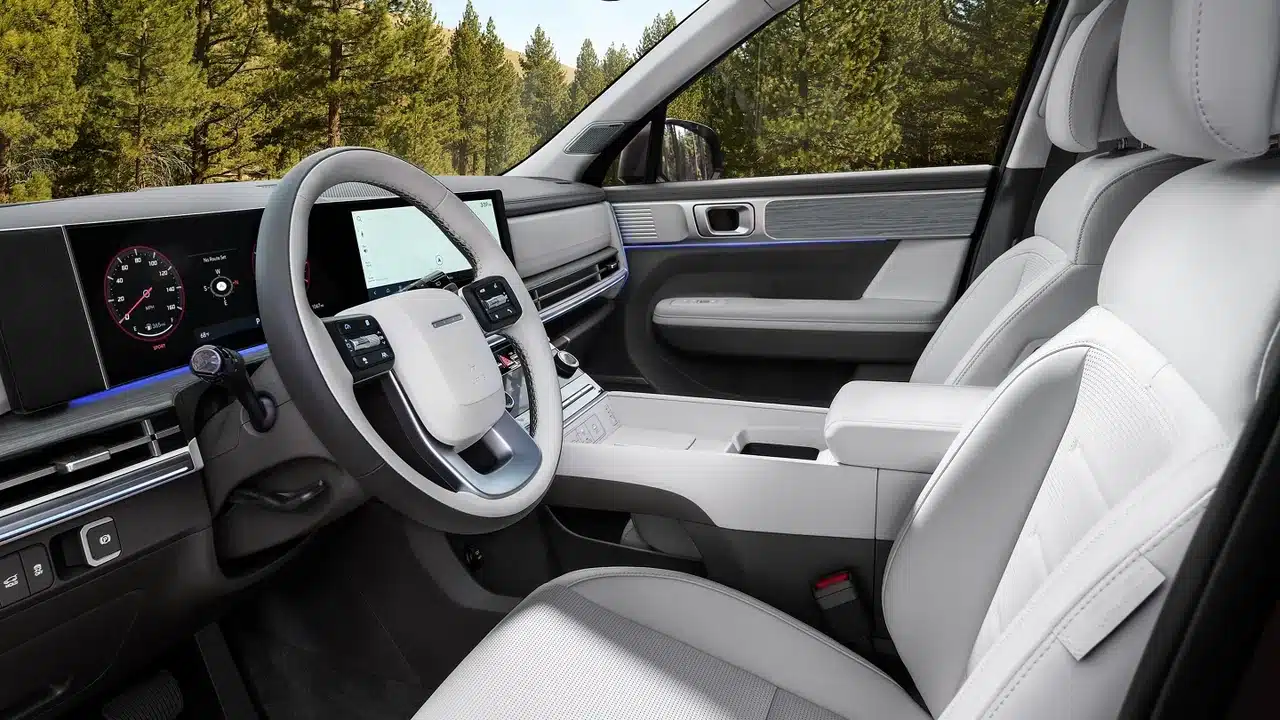
Fingerprint recognition is dropped from Limited and Calligraphy models with either powertrain. Hyundai also changes the rear occupant alert on SEL gas and hybrid versions from a sensor-based system to a door-logic reminder. Those are different approaches, so buyers should not assume the SEL retains the same cabin-monitoring equipment.
Digital Key 2 Premium also moves upmarket. Previously listed on SEL and higher trims, it is now reserved for XRT, Limited and Calligraphy gas models, plus Limited and Calligraphy hybrids. An SEL shopper who wants compatible smartphone access needs to account for that change before comparing prices.
The gas lineup still includes SE, SEL, XRT, Limited and Calligraphy. The hybrid offers SE, SEL, Limited and Calligraphy. Hyundai has not given a reason for the equipment removals in its update sheet.
Gas power or a more efficient hybrid
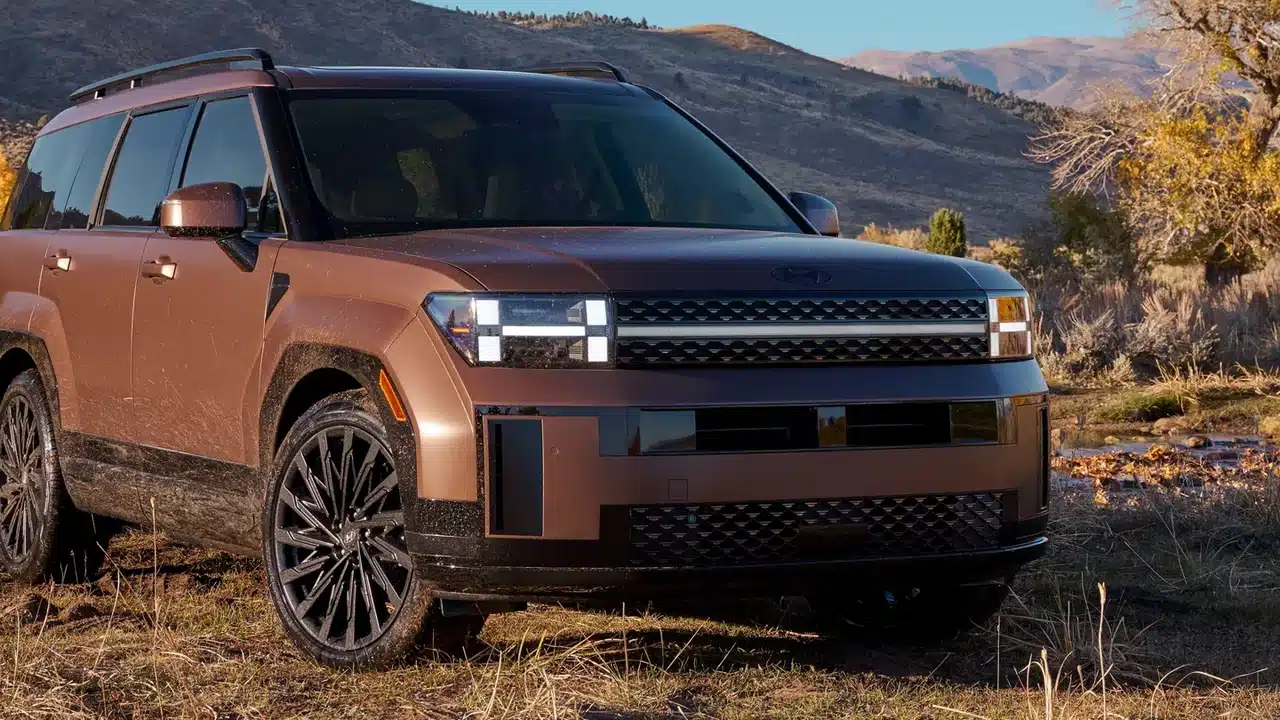
The gasoline Santa Fe uses a 2.5-liter turbocharged four-cylinder rated at 277 horsepower and 311 pound-feet of torque. The hybrid combines a 1.6-liter turbocharged engine with electric assistance for 231 horsepower and 271 pound-feet of total system torque. Front-wheel drive and HTRAC all-wheel drive are available across the broader lineup; the gas-only XRT includes AWD.
EPA estimates show a substantial fuel-economy difference. A front-drive gas model returns 24 mpg combined, compared with 36 mpg combined for the front-drive hybrid. The corresponding AWD figures are 23 and 35 mpg combined. The XRT is rated at 21 mpg combined.
For towing, Hyundai lists a maximum of 4,500 pounds for a properly equipped XRT. That rating does not apply to every Santa Fe, so the specific configuration still matters.
Three rows and cargo space in a manageable footprint
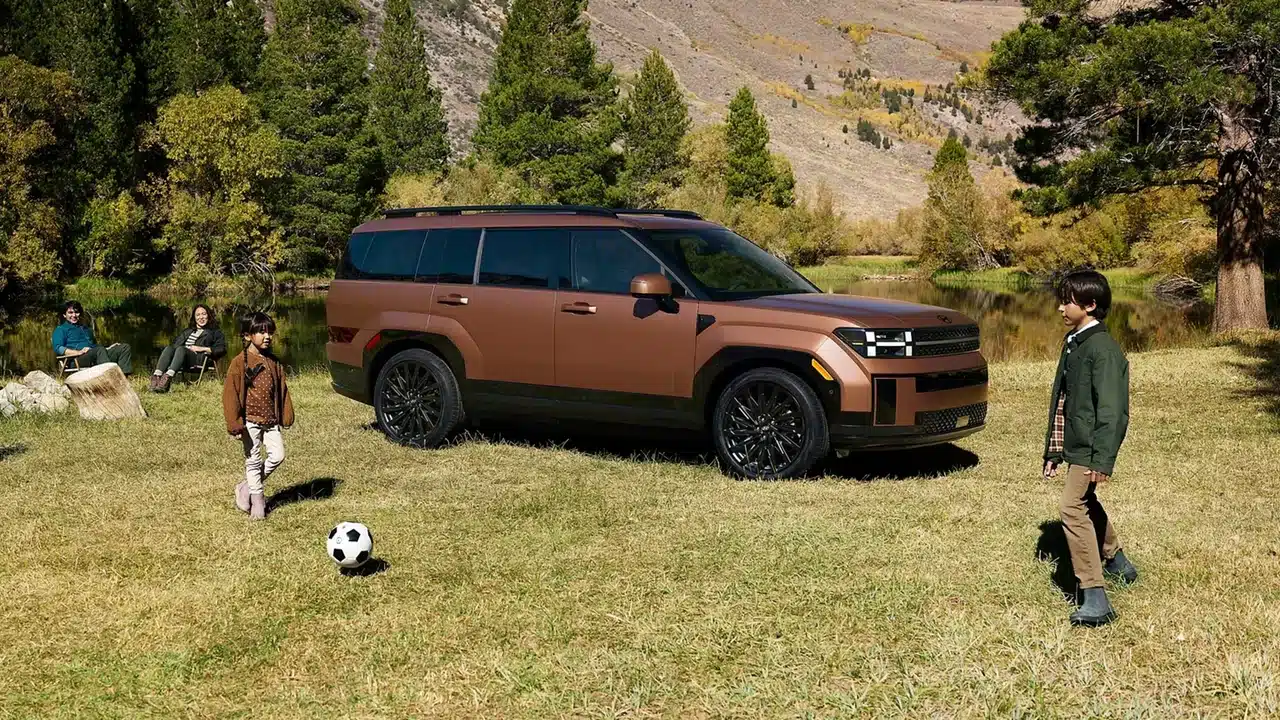
Hyundai lists the Santa Fe at 190.2 inches long and 74.8 inches wide, with a 110.8-inch wheelbase. Inside, the three-row layout offers 14.6 cubic feet of cargo room behind the last row. Fold that row and space grows to 40.5 cubic feet; maximum cargo capacity is 79.6 cubic feet.
Available second-row captain’s chairs and Nappa leather upholstery give higher trims a more upscale cabin. However, the cargo figures show why families should think about how often they need every row: the generous maximum requires folding seats. For driving impressions of this generation, see Nicole Wakelin’s 2026 Santa Fe review.
2027 Hyundai Santa Fe prices start at $35,300
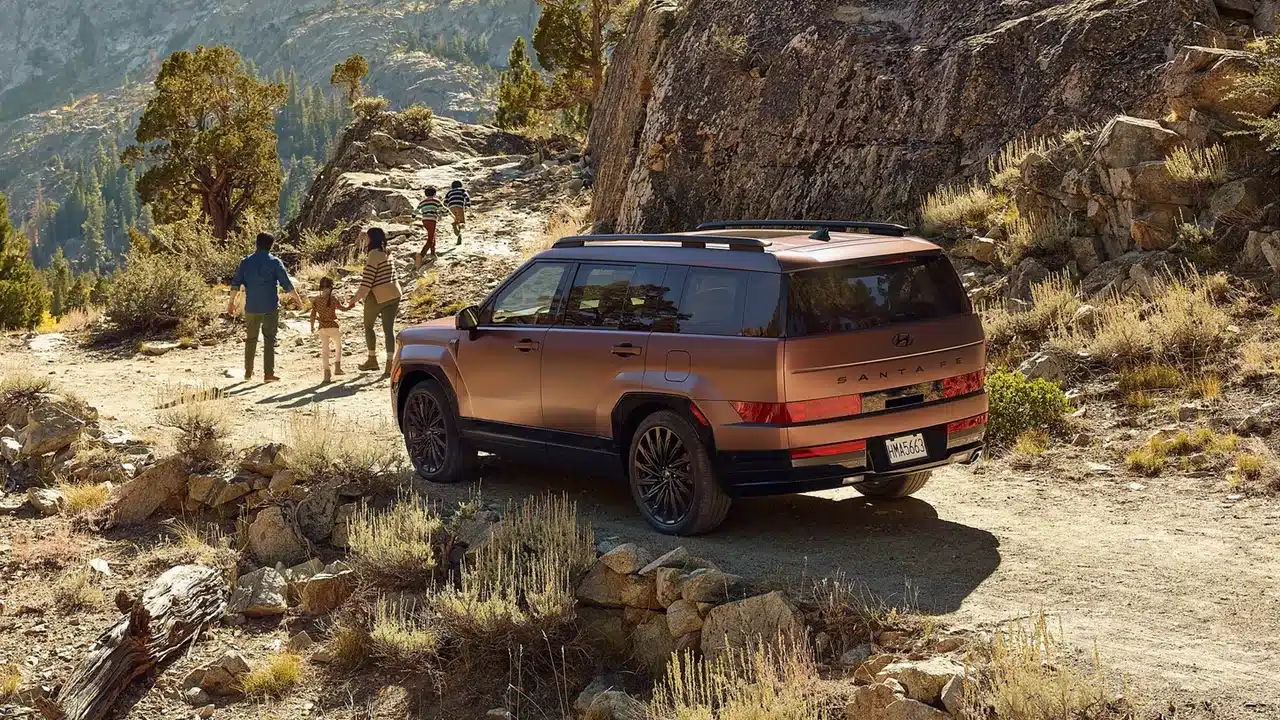
Hyundai’s U.S. lineup page lists starting MSRPs of $35,300 for the gas SE, $37,840 for SEL, $42,290 for XRT, $44,850 for Limited and $47,850 for Calligraphy. These figures exclude freight, taxes, title and license fees, and additional equipment costs extra.
The hybrid starts at $36,650 in SE form, followed by $38,940 for SEL, $45,950 for Limited and $48,950 for Calligraphy. That puts the entry hybrid $1,350 above the entry gas model before fees and options.
For buyers prioritizing fuel economy, that SE hybrid price gap is worth weighing against expected mileage. For those prioritizing convenience technology, the bigger issue is trim selection: the 2027 SEL no longer includes several features shoppers might remember from the previous model year.