
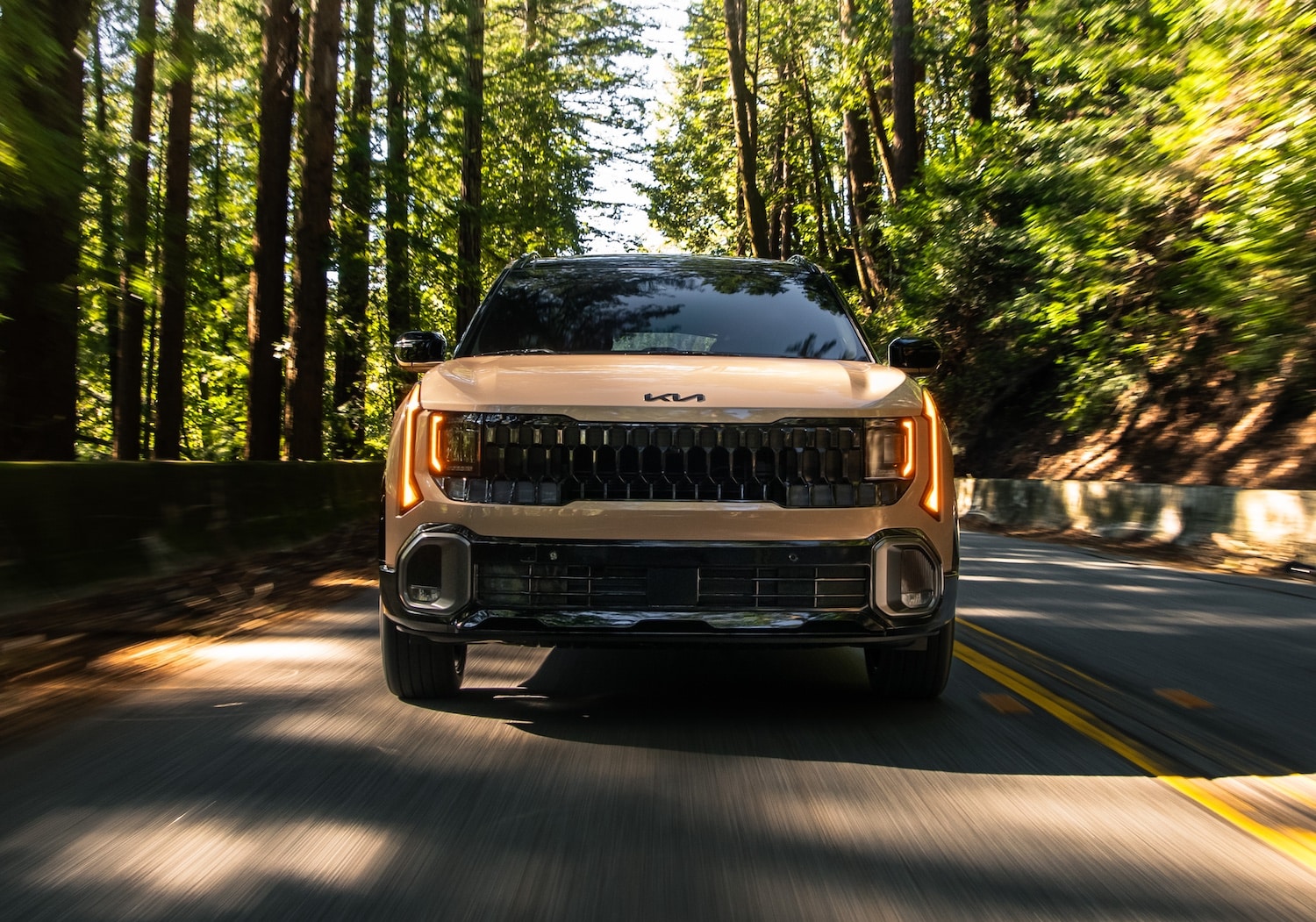
There was a time when merchants slipped an extra apple into the bag or a few peppermint sticks to the children. It wasn’t enough to threaten bankruptcy, just enough to make you feel you’d done business with a gentleman rather than a calculator. It wasn’t charity. It was theater. And customers always came back for an encore. We’ve spent the last half-century optimizing that instinct out of existence. Modern commerce celebrates delivering exactly what was promised and not a whit more. But people rarely remember competence. They remember generosity. Which brings us to the 2027 Kia Seltos.
Some Potent Competitors
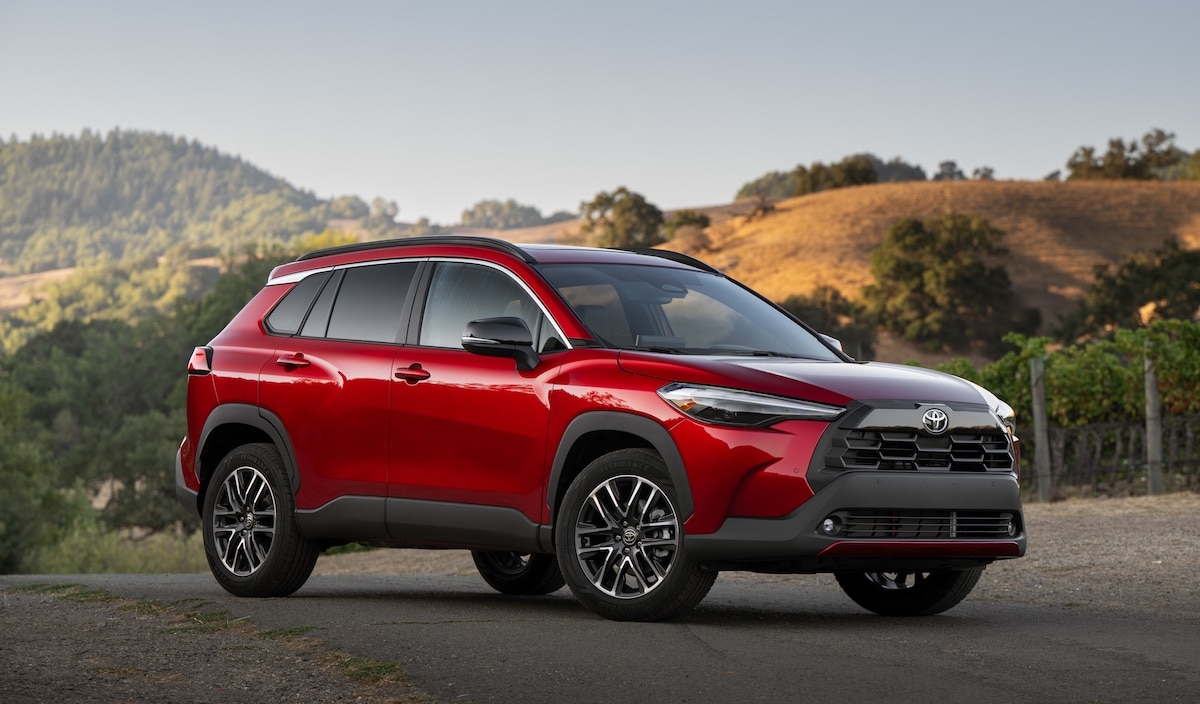
On paper it’s merely Kia’s least expensive SUV, a practical little crossover intended to battle the usual suspects: the Toyota Corolla Cross, Honda HR-V, and even its corporate cousin, the Hyundai Kona. Fine automobiles, all of them, built with admirable logic and impeccable market research. The Seltos, however, possesses something spreadsheets have difficulty measuring. It looks as though someone parked a Kia Telluride in a hot laundry dryer, shrank it by 20%, and somehow managed to improve the proportions. It carries itself with the easy confidence of an automobile that costs several thousand dollars more than it does.
A Generous Equipment List
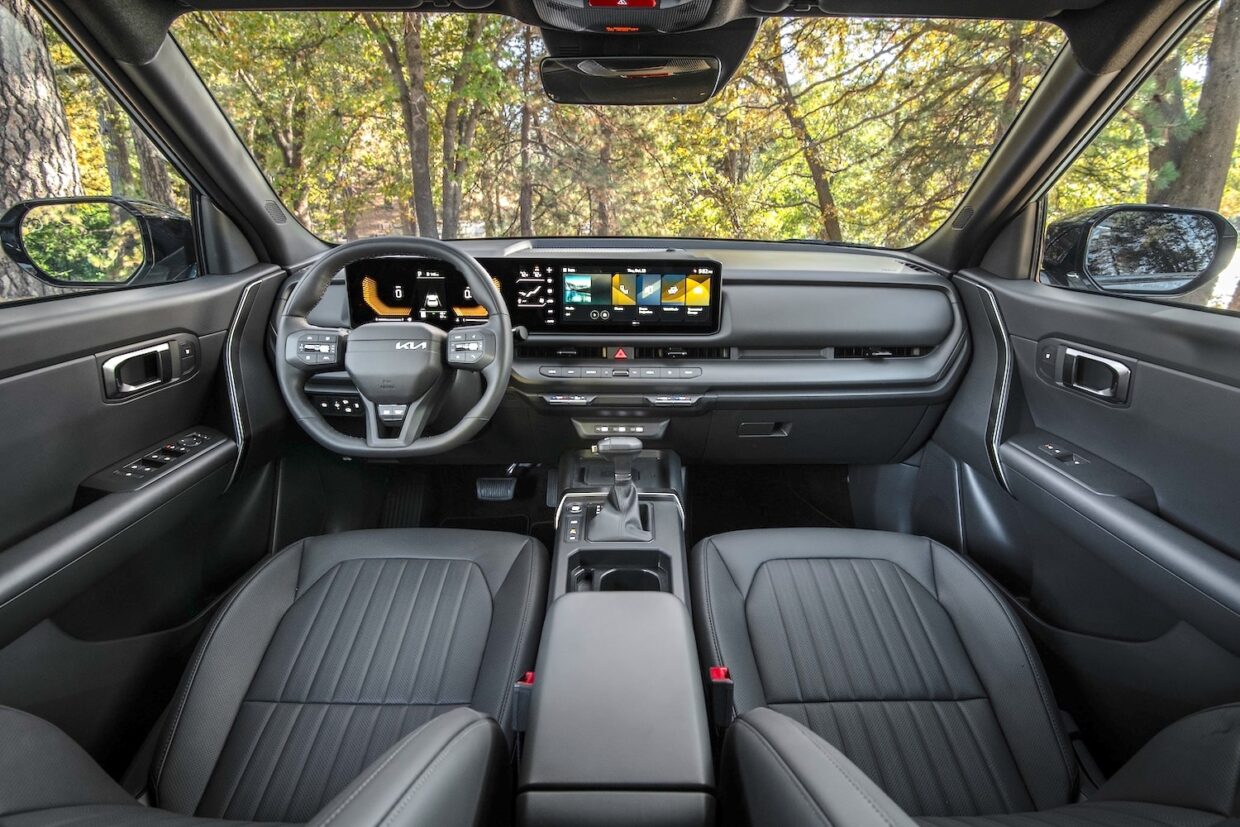
Prices begin at $24,990 for the LX and climb through S, EX, and X-Line S trims before reaching $32,790 for the X-Line SX, plus a $1,495 destination charge. Perfectly reasonable numbers. But they explain the Seltos about as well as a restaurant bill explains dinner. The real surprise arrives when you discover the Seltos’ available equipment that normally lives a neighborhood or two farther up the price ladder: a surround-view monitor, heated and ventilated front seats, a heated steering wheel, wireless Apple CarPlay and Android Auto, dual 12.3-inch displays, a panoramic roof, thoughtful cargo-area details, and enough rear-seat room and cargo space to embarrass vehicles wearing considerably larger price tags. You keep waiting for someone from Kia to appear with a clipboard and apologize for having accidentally installed too much car.
A Surprising Choice of Powertrains
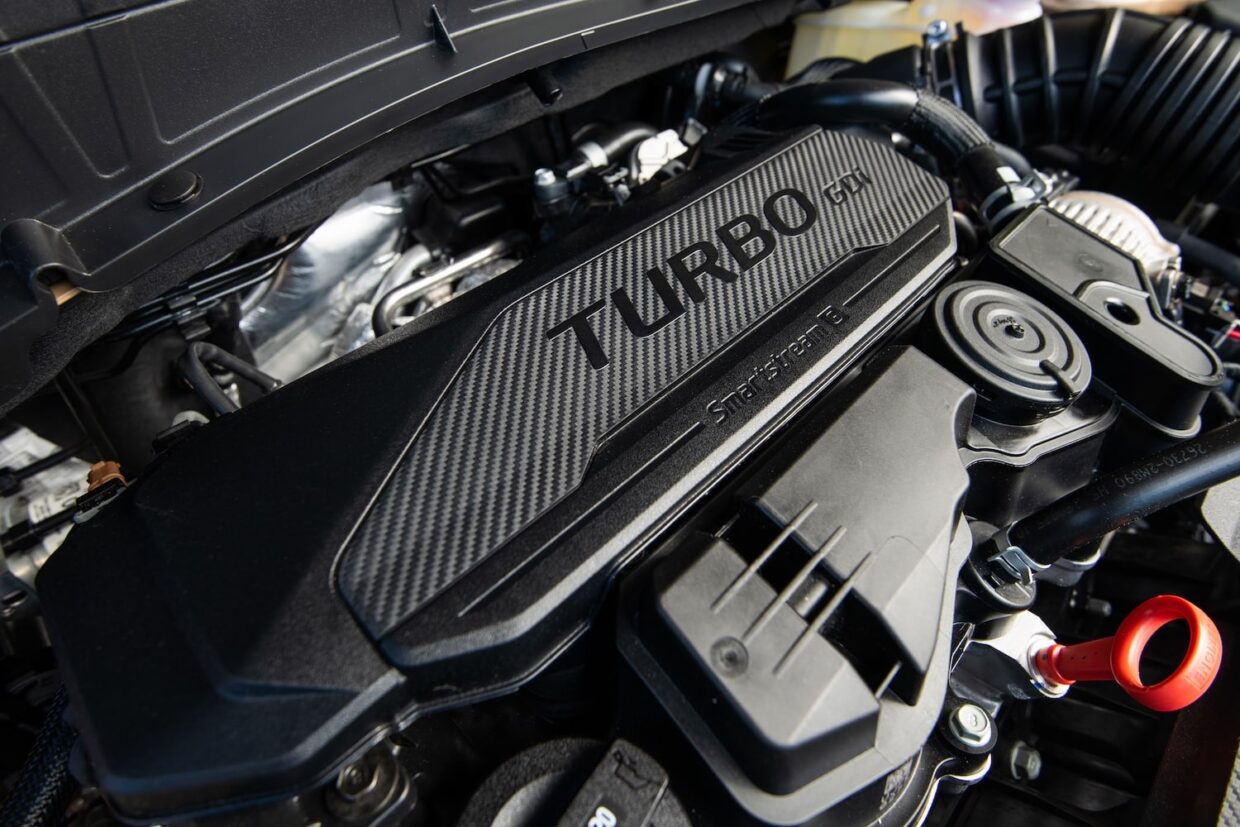
And then comes the powertrain menu. Most manufacturers in this segment ask you one simple question: front-wheel drive or all-wheel drive? Kia asks a far more interesting one: which engine would you like? The familiar 147-horsepower 2.0-liter four-cylinder carries the volume models. The 190-horsepower turbocharged 1.6-liter offers additional enthusiasm. Later this year comes a hybrid, pairing thrift with surprising sophistication. Three distinct personalities in one compact crossover is an extravagance this class rarely permits itself.
Which One Disappoints
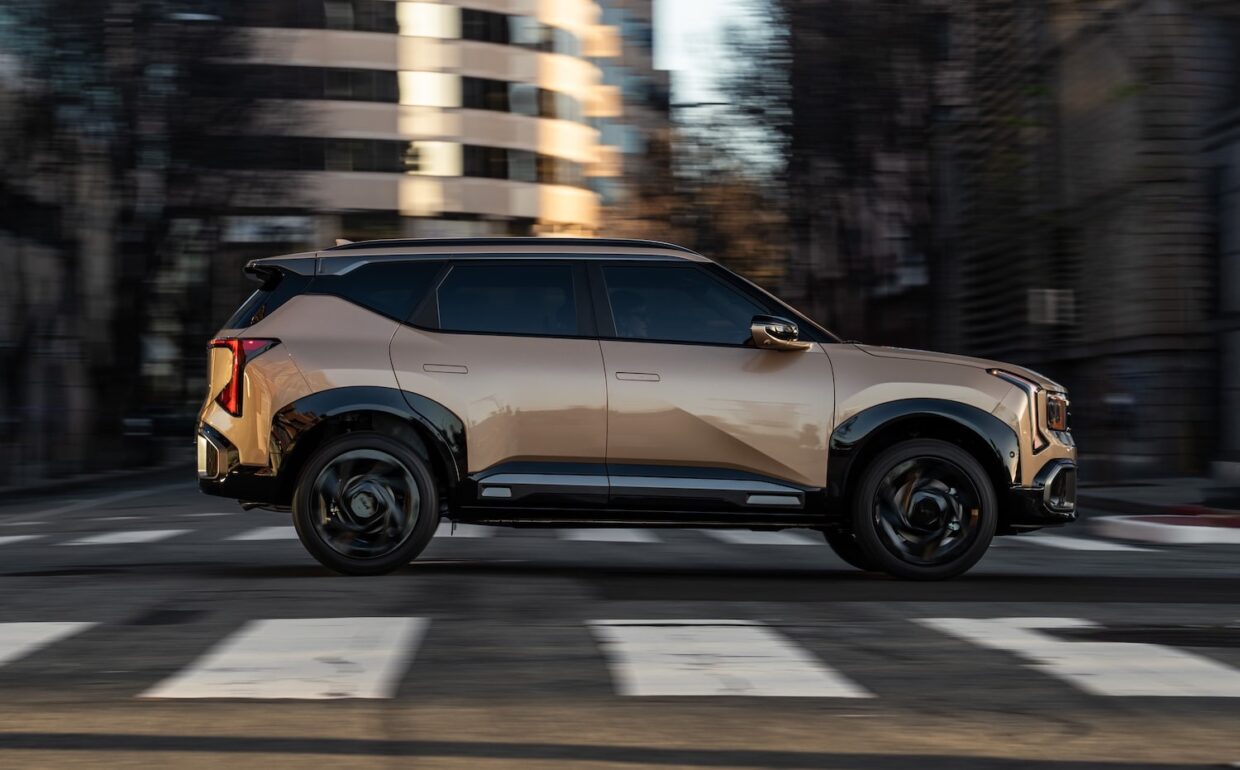
Having already sampled the base engine and the hybrid, I approached the turbo convinced it would be the obvious choice. Horsepower has seduced better men than I. It turned out to be the only disappointment. When the turbocharger wakes from its afternoon nap, the Seltos develops a pleasant eagerness. The eight-speed automatic is a willing accomplice, and for brief moments the little Kia hints at ambitions beyond suburban errands and Costco parking lots. But those moments arrive only after a perceptible pause, the sort of turbo lag that leaves you wondering whether the engine misplaced your request somewhere beneath the hood. The surprise wasn’t that the turbo was bad. It wasn’t. The surprise was discovering that the other two engines fit the Seltos’ character so much better.
How the 2027 Kia Seltos Drives
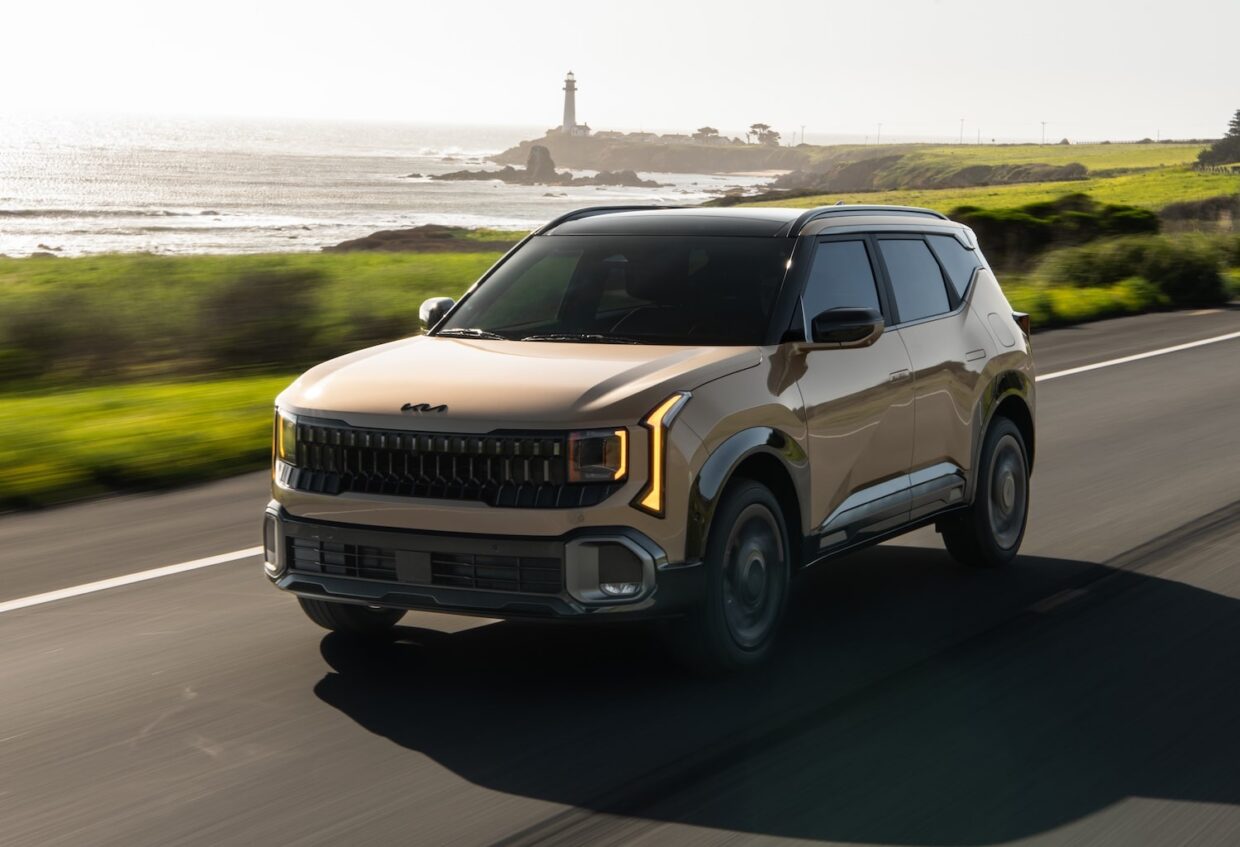
The chassis understands its assignment perfectly. It rides with enough compliance to make broken pavement someone else’s problem, controls body motions without unnecessary drama, and never pretends to be a sports car. That last point deserves praise rather than apology. There is a peculiar dignity in a machine that knows precisely what it is.
The Upshot
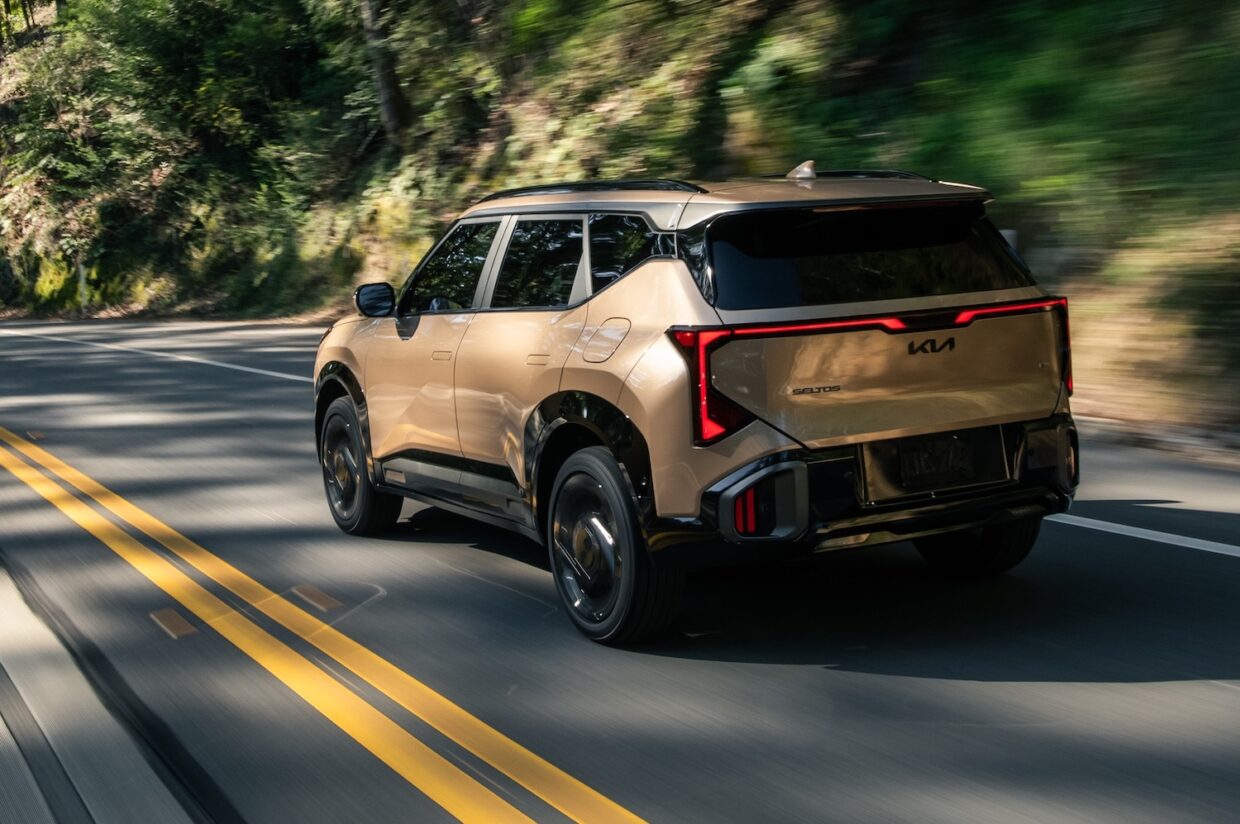
After driving all three, I’d choose the hybrid first, the naturally aspirated engine second, and the turbo third. It’s not because the turbo lacks talent, but because it seems to have wandered in from another story. The Seltos isn’t trying to become a hot hatch with hiking boots. Its genius lies elsewhere.
It succeeds because it remembers the old grocer’s trick. Give people what they came for, namely practicality, affordability, efficiency, and then slip an extra apple into the bag. They may never remember the horsepower figure or the cargo volume. But they’ll remember that they got more than they expected. And in the automobile business, that’s still the cheapest magic anyone has ever invented.