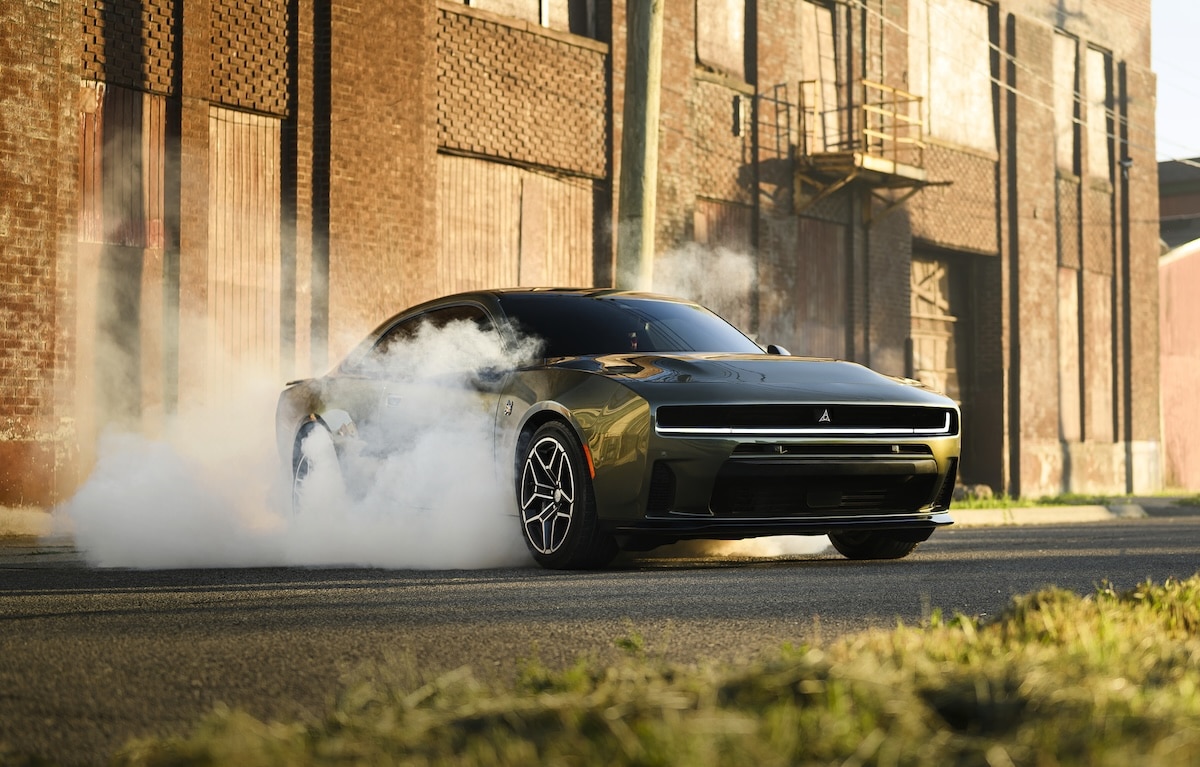
I once worked for an editor who looked at the word torque the way a man looks at a plate of something unidentifiable at a fancy restaurant. “Who cares about torque?”
Horsepower, now, that was different. Horsepower was a number a normal human being could understand. More horsepower? Faster car. Less horsepower? Slower car. Simple. Horsepower was the size of the engine’s peacock feathers. Torque? Torque was the number hiding backstage. Yet torque is the number that tells you what the engine is really going to do. You just have to know how to read it. And that’s why understanding torque vs. horsepower matters.
The Man Who Invented Horsepower
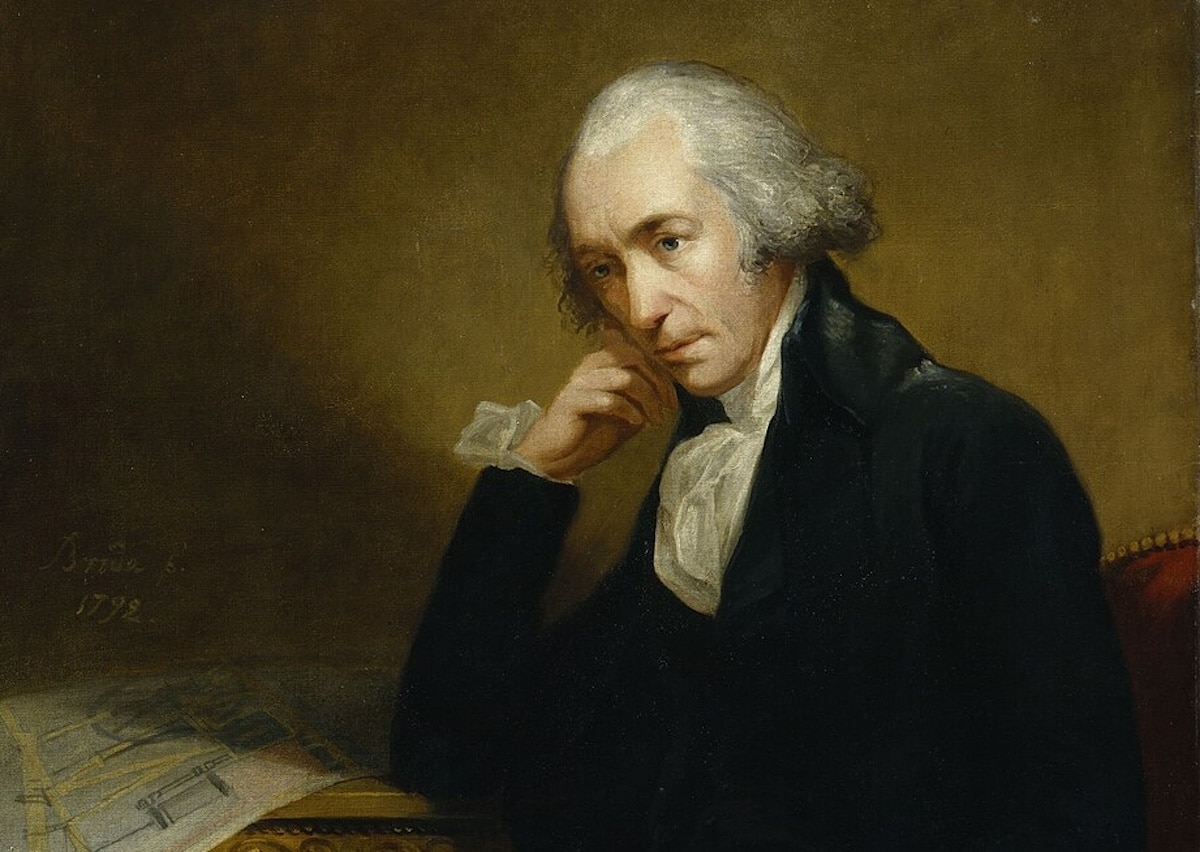
Back in high school physics, before most of us had any idea that we would ever need physics again, somebody probably told you that power is the rate at which work gets done. In an automobile engine, that power is horsepower. It’s a word that’s a relic from an age when men in waistcoats were trying to figure out how to replace horses with machines. And it’s Scottish engineer James Watt who gets the credit for horsepower.
He also gets credit, rather unfairly, for inventing the steam engine. He didn’t. What Watt did was make the steam engine dramatically more efficient. Then, in 1782, he ran into a very modern problem: How do you explain to customers what this new machine can do?
A sawmill wanted an engine from Watt’s company to replace 12 horses. So, Watt did what engineers do. He calculated that a London draft horse could perform work at a rate of roughly 22,000 foot-pounds per minute during an eight-hour day. But Watt apparently wasn’t interested in betting the company’s future on an average horse having an average day. So, he adds 50%. One horsepower became 33,000 foot-pounds per minute. In other words, one horse could move 33,000 pounds one foot in a minute, or 550 pounds one foot in one second. And there it was: horsepower. A number born in a sawmill, invented to sell steam engines, and destined to become the favorite statistic of every teenage boy.
But Horsepower Can’t Be Measured
But here’s the trick. When an automaker tells you an engine makes, say, 400 horsepower, the machine used to determine that number isn’t actually measuring horsepower. It’s measuring torque. Torque is twisting force that you use every day. Twist the cap off a soda bottle: torque. Turn a wrench: torque. Open a stubborn jar that somebody else has apparently welded shut: torque.
Now imagine taking that simple twisting motion and putting it inside an engine. The engine’s pistons move up and down. Connecting rods turn the crankshaft. The crankshaft twists. That twisting force is torque. Put the engine on a dynamometer and spin it through its rev range, and the dynamometer measures that twisting force at different engine speeds. That’s RPM, or revolutions per minute.
How Horsepower Is Determined

Then comes the mathematics. Torque, multiplied by RPM and divided by 5,252, gives you horsepower. Torque is measured. Horsepower is calculated. And suddenly the two numbers begin to make sense. Torque is how hard the engine twists. Horsepower is how quickly it can put that twisting force to work.
But now comes the part that automobile engineers and gearheads understand instinctively.
The engine doesn’t drive the wheels directly. There are gears in between. Transmission gears. Differential gears. Axle ratios. All those mechanical decisions that determine whether an engine behaves like a draft horse or a thoroughbred.
Let’s Talk Torque
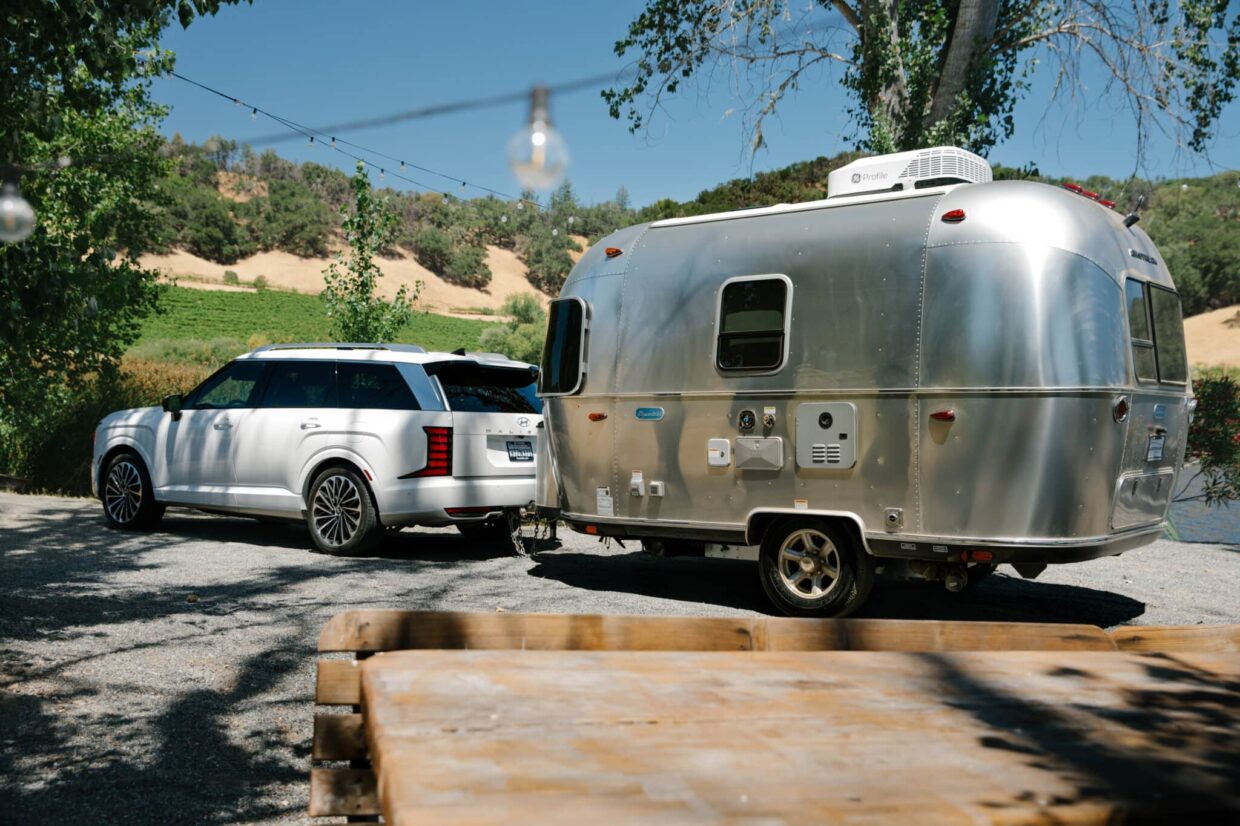
Take two vehicles with the same 5.0-liter V8 and the same horsepower rating. One is a pickup truck. The other is a sports car. Same displacement. Same number of cylinders. Same headline horsepower. But they are not remotely the same animal.
The pickup is geared to make torque available at low engine speeds. That’s because the pickup may be dragging a trailer up a grade, hauling a bed full of lumber or pulling some unfortunate boat out of the water on a Sunday morning. It needs grunt. Low-down, don’t-make-me-rev-the-thing grunt. The sports car has a different problem. It doesn’t particularly care about pulling a trailer. It wants to go. It wants to charge through its gears, climbing higher and higher in the rev range until the engine is making its best power and the driver is grinning like an idiot. That’s why the location of peak torque matters.
A Tale of Two Torques
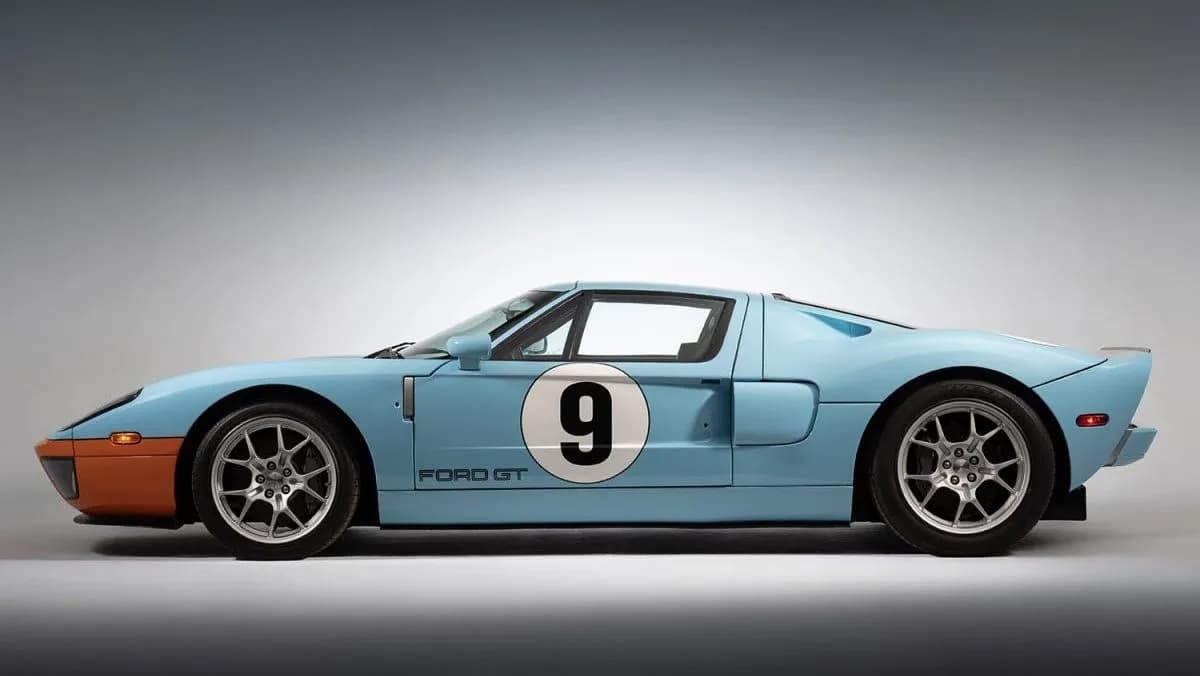
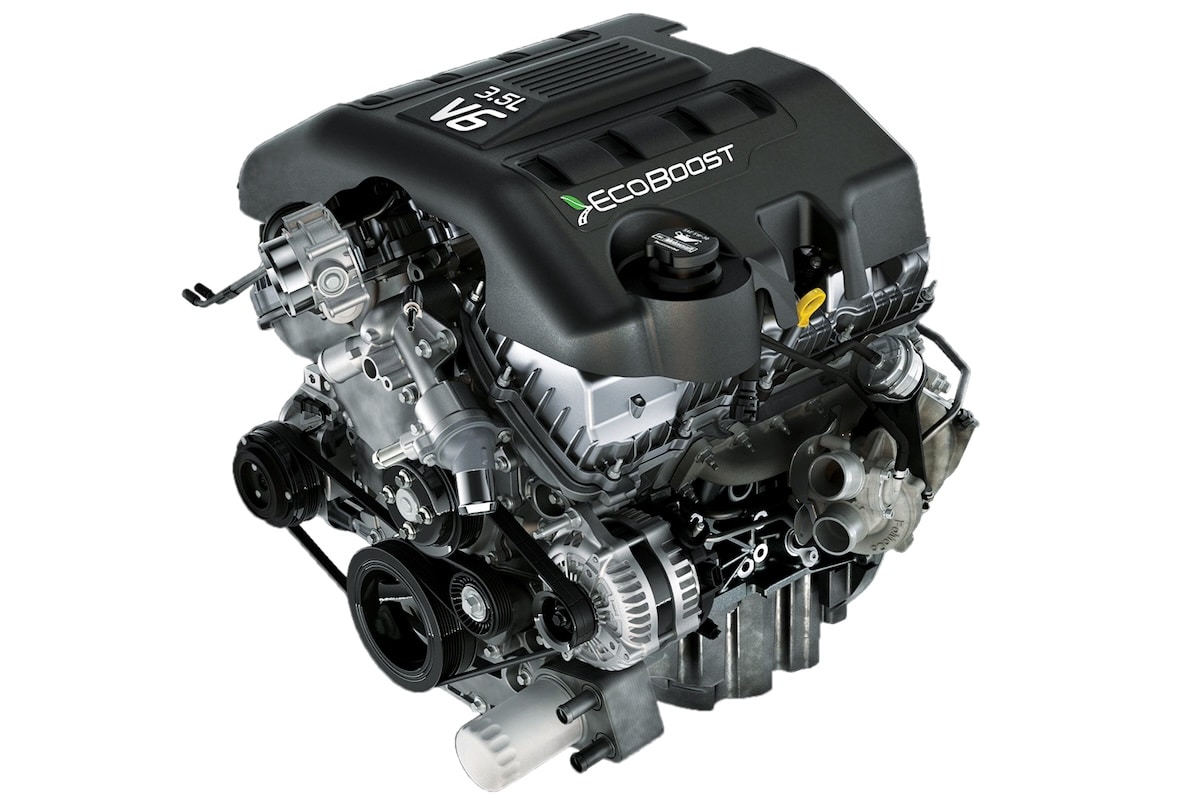
Take Ford’s twin-turbocharged 3.5-liter EcoBoost V6 in the F-150. It produces 500 pound-feet of torque at 3,100 rpm. That’s not very high in engine terms, and that’s precisely the point. You don’t have to flog the engine to get its strength. The torque is waiting down there in the low and middle ranges, where a truck spends much of its working life.
Now consider the same engine modified for use in the Ford GT. It produces 550 lb-ft of torque @ 5,900 rpm. That’s a very different personality. The Ford GT wants revs. It wants you to mash the throttle and let the engine climb toward that higher range. The faster it spins, the more of that engine’s potential you can exploit.
The F-150 says: Give me something heavy. The GT says: Give me some road. And that, ultimately, is why horsepower alone doesn’t tell you what a vehicle will feel like. You can have two engines with impressive horsepower figures and have them behave completely differently. One may feel muscular from the instant you touch the accelerator. Another may seem almost ordinary at low speed, then wake up as the tachometer needle sweeps upward. The difference is torque. More precisely, it is where the engine makes its torque and how the transmission uses it.
Why Horsepower, Torque and RPMs Matter
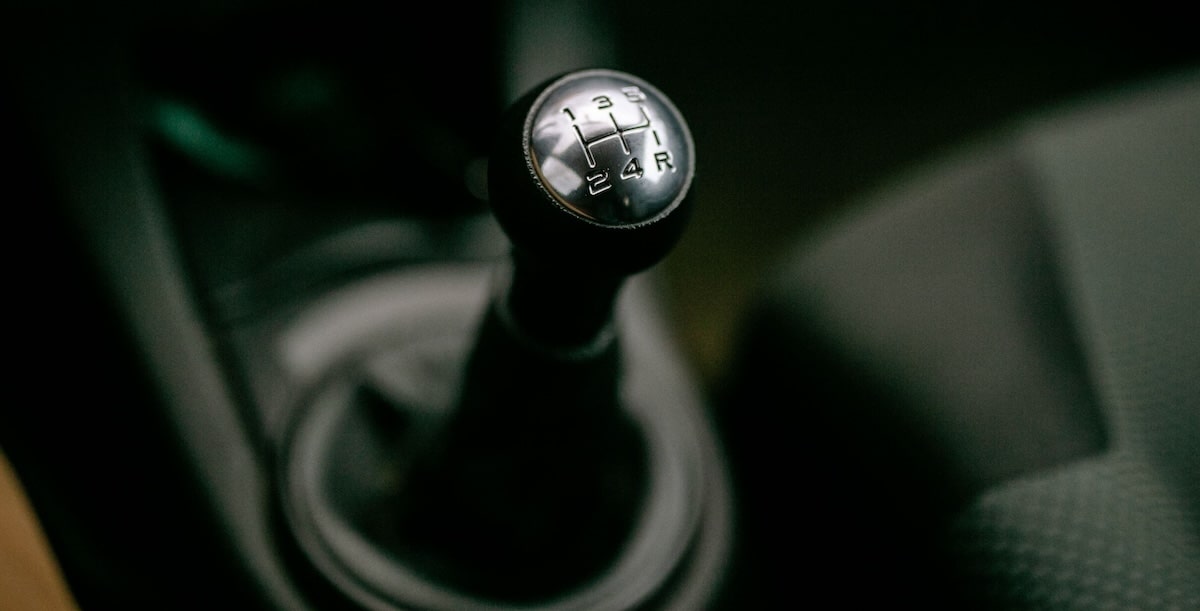
This is why those little specifications buried in the fine print of a vehicle brochure matter. Horsepower tells you how much work the engine can get done over time. Torque tells you about the shove. And the RPM at which that torque arrives tells you something about the engine’s personality.
You have to stop looking at horsepower as if it’s the entire story. Because the next time you climb into a new car or truck, press the accelerator and feel that familiar surge, there is a whole mechanical opera taking place beneath your feet. Fuel and air rush into the cylinders. Combustion drives the pistons. The pistons turn the crankshaft. The crankshaft generates torque. The transmission reshapes that torque. The differential divides it. The axles carry it to the wheels. The tires grab the pavement.
And suddenly 4,000 pounds of steel, aluminum, plastic and glass is moving down the road. All because something is twisting. Torque.
Who cares about torque? Anyone who cares about how a car actually feels.