
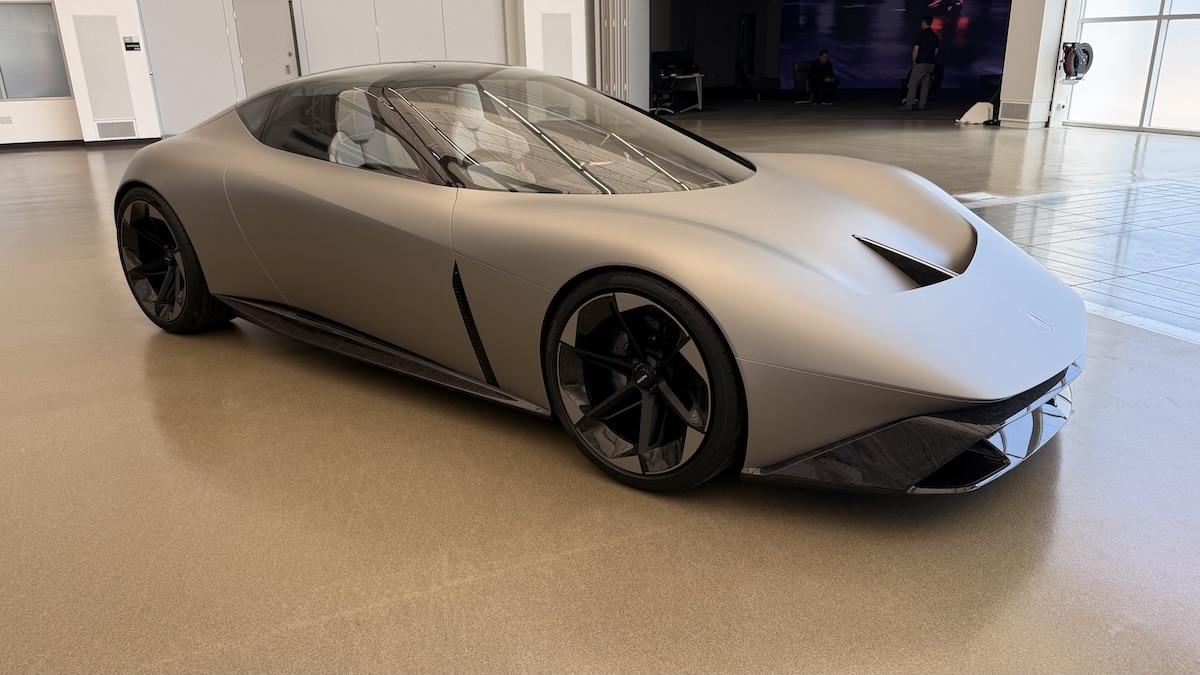
The most radical thing about Acura’s stunningly sumptuous Nexera Vision concept car isn’t the butterfly doors, the 22-inch wheels or the carbon-ceramic brakes. It’s the empty space. Nexera makes an unfashionable argument: maybe a luxury car should know when to stop. That sounds obvious until you look at most modern automobiles. Cars have become extraordinarily good at accumulating screens, cameras, sensors, lighting, drive modes, speakers, decorative aero and black plastic.
Somewhere along the way, premium became synonymous with inventory. Acura’s new concept, which debuts at The Quail Motorsport Gathering in Monterey, heads in the opposite direction.
Acura’s Next Era Reflects An Old One
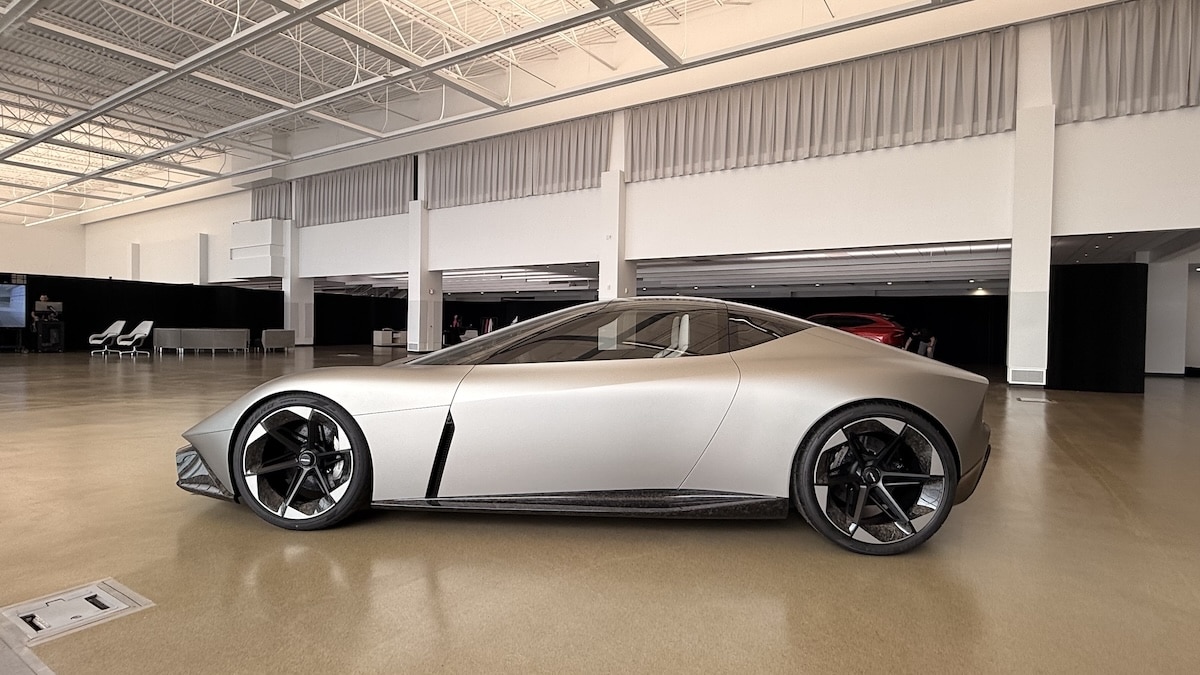
The Nexera is the first substantial design statement from Yasutake Tsuchida, Acura’s creative director and vice president of auto design since April 2025 when he took over from Dave Marek.
At its best, Acura was about restraint. The original Legend had presence without shouting. The Integra looked like a sports car because it actually was one. The first NSX’s absurdly clean surfaces and perfect proportions lacked the visual clutter that accumulates when an automaker needs to justify an MSRP. Nexera is trying to recover that confidence without simply copying it.
Doing More With Less
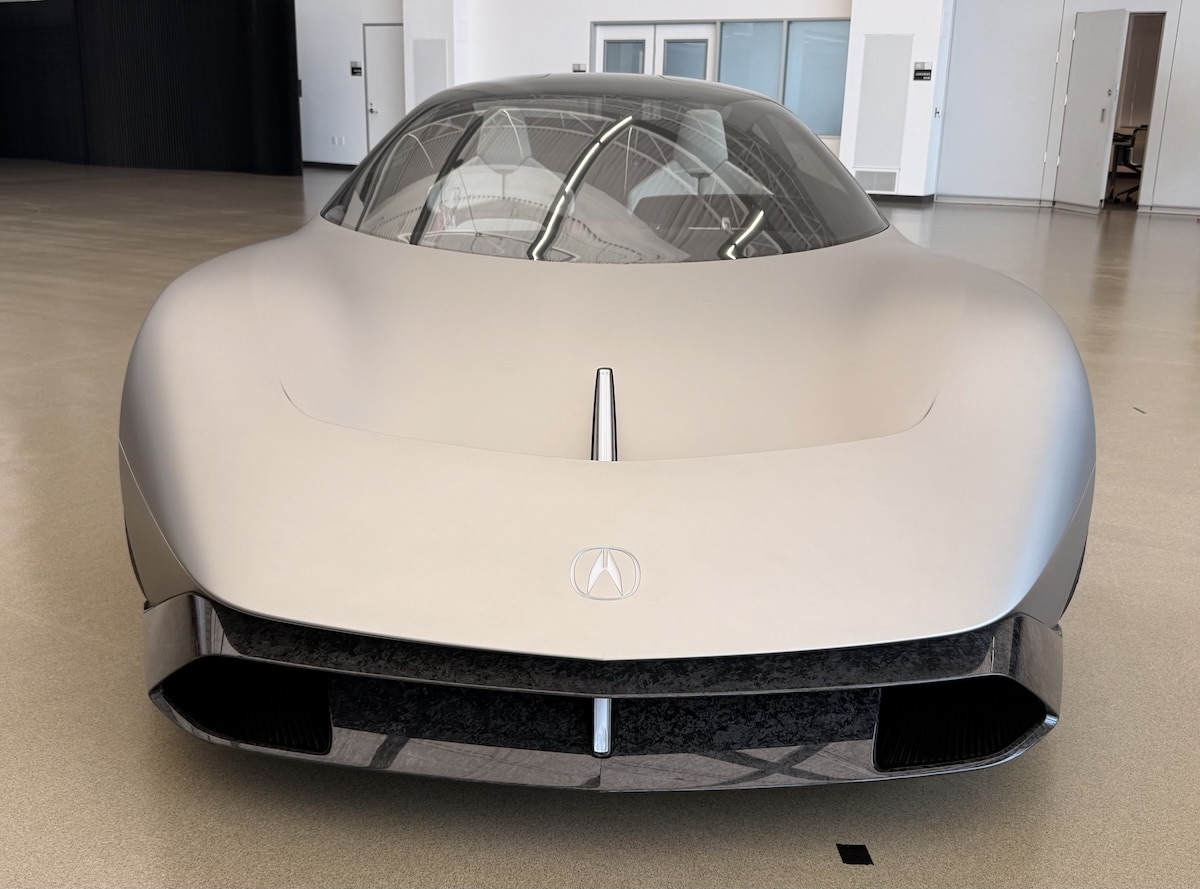
Tsuchida describes the Nexera’s design in three ideas: emotional surfacing, a new Acura lighting signature and a renewed focus on the driver.
The first is readily apparent. The hood is low. The stance is wide. The dash-to-axle relationship is long. The cabin appears integrated with the body rather than perched on top of it. Tsuchida, who spent roughly 25 years at Mazda before joining Acura, points to the first-generation Miata as an early influence. Its simplicity appears to have stuck. “Why don’t we go back to more beauty and simple, cool design?” Tsuchida asks.

Because doing less is difficult. Adding something gives it a constituency: a supplier, a marketing argument, a brochure photograph and probably a button. Removing something requires someone to stand in a meeting and declare that everyone would be better off without it. Automotive history contains a lot of casualties as a result.
Lighting? What lighting?
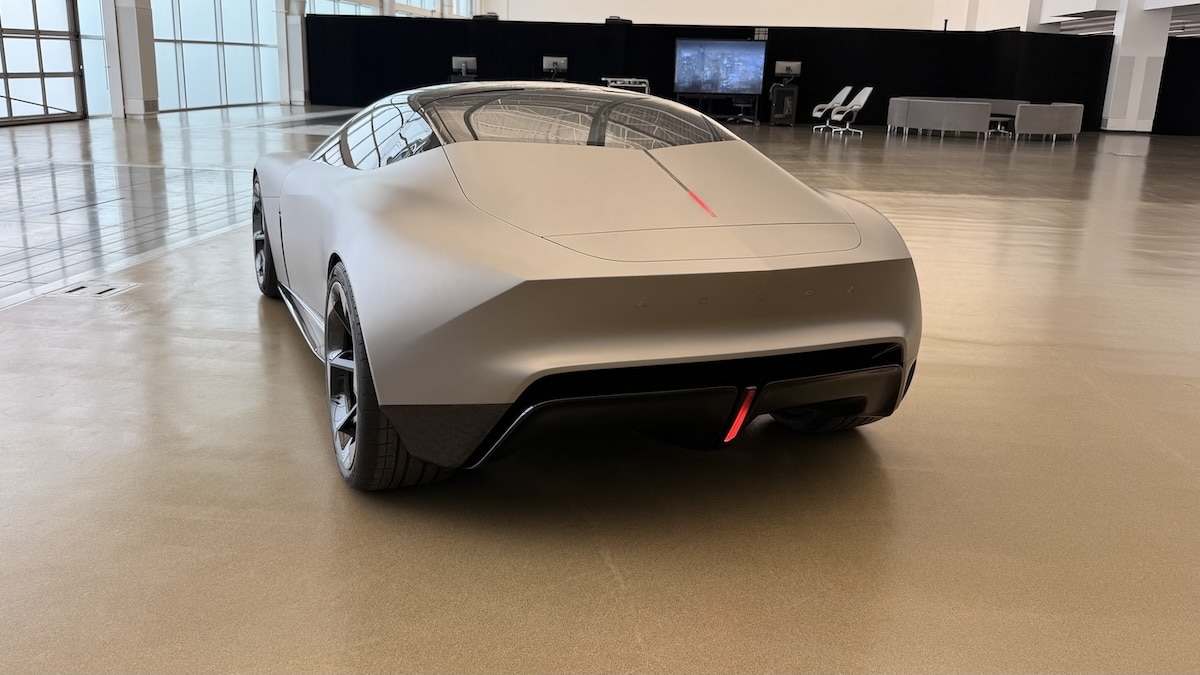
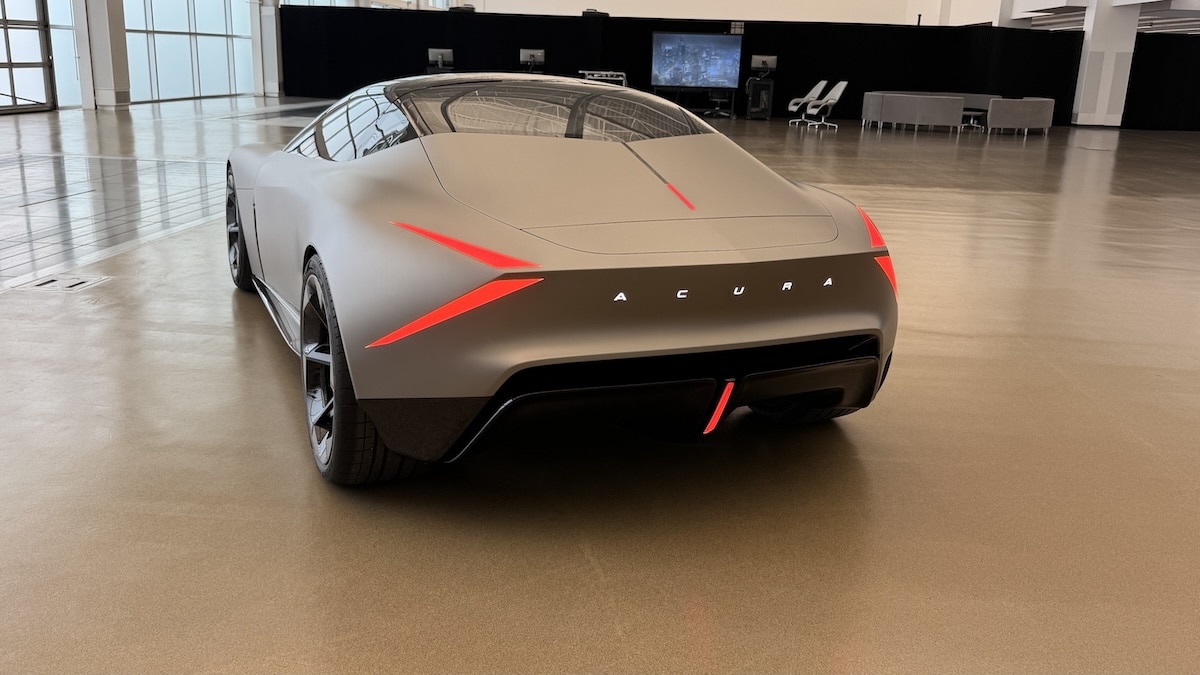
Nexera’s lighting makes the same case. Its ultra-thin lamps are integrated into the body and draw inspiration from Acura’s A-shaped caliper logo. However, with the lights off, the lighting neatly disappears. Switch them on, and it seems to emerge from the bodywork. Acura interior design lead Lisa Lee calls it “phantom lighting.” More significantly, the company says the treatment is headed for production, beginning with the next-generation RDX Hybrid.
Inside, the argument gets stronger. There is no center screen. Instead, information is concentrated ahead of the driver, physical controls remain, and AI voice control is intended to handle some functions without requiring the driver to jab at a touchscreen while operating a several-thousand-pound object at highway speed.
How it feels
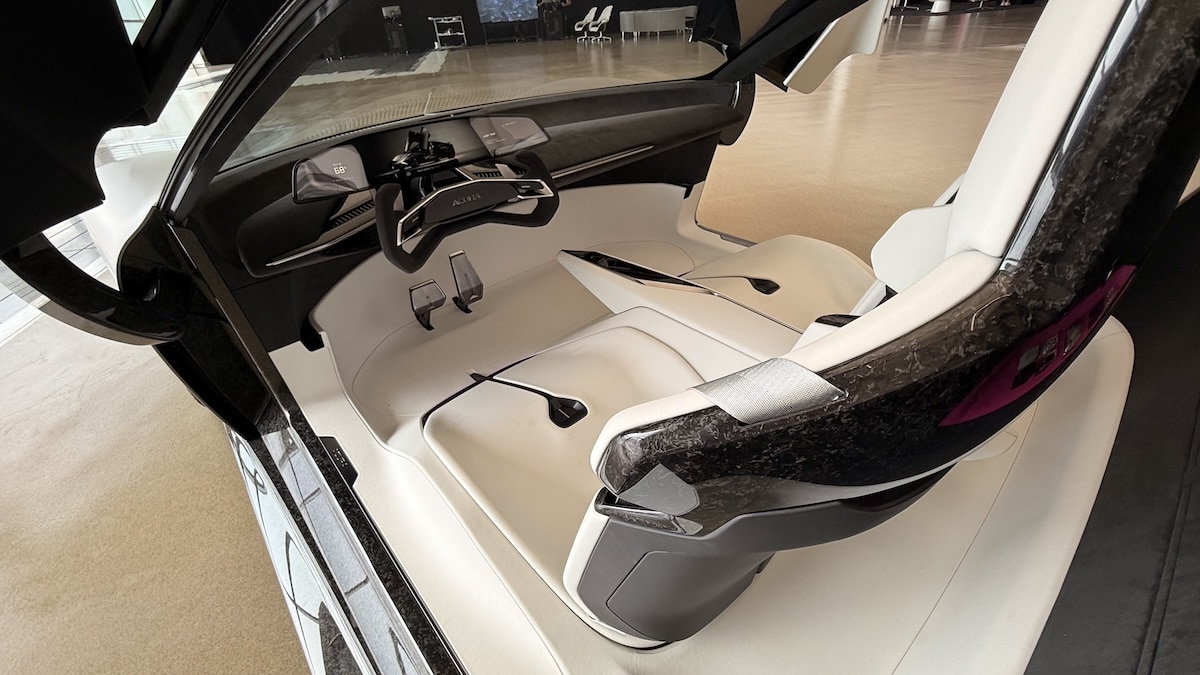
The seats mount directly to the floor, lowering the driver. The steering wheel and pedals are brought toward the driver. The cabin is what interior design lead Lisa Lee describes as “spacious yet tight.” That captures the Nexera philosophy nicely. The cabin is intimate without making occupants feel as though they have been packed into an expensive suitcase. It’s technical without looking like a technology showroom, clean without becoming sterile. The materials follow the same logic. Forged carbon appears alongside recycled aluminum. Alcantara incorporates certified post-consumer recycled polyester. Leather is used alongside newer alternatives.
The point isn’t that any one material is revolutionary. The point is that none of them scream for attention. That’s Acura’s more interesting definition of luxury: not abundance, but judgment. Spend money where it matters. Give the driver what’s useful. Don’t add something simply because the competition has it. And, critically, know when the design is finished.
That last part will be the hardest.
The Upshot
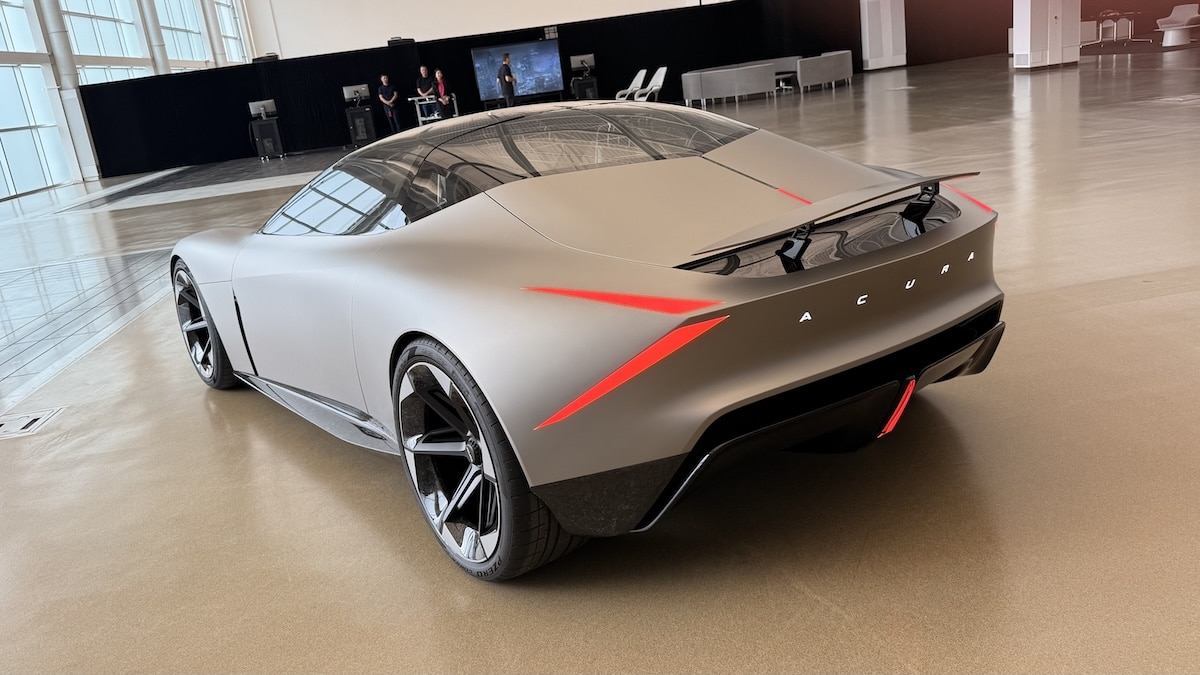
The Nexera Vision is a concept. As you might expect, Acura says the Nexera’s exact details won’t simply be pasted across the lineup. Instead, its broader principles will carry forward: the stance, the surfacing, the lighting signature and the driver-focused interior. That makes Nexera less a template than a declaration of intent, and intent is easy. Execution is challenging.
Luxury automakers have spent years equating sophistication with complexity. Nexera proposes that sophistication might instead mean knowing what to leave out. That would be a surprisingly ambitious idea for a car company.
It’s also exactly what Acura needs. The brand’s best early cars weren’t memorable because they had the most equipment. They were memorable because somebody decided what mattered and had the confidence to stop there. Nexera is asking Acura to do that again. Not to recreate the past. Just to recover its nerve. The future may not need more stuff. It may simply need better judgment, and a car that knows when to shut up and let you drive. That means it needs a true Acura.