
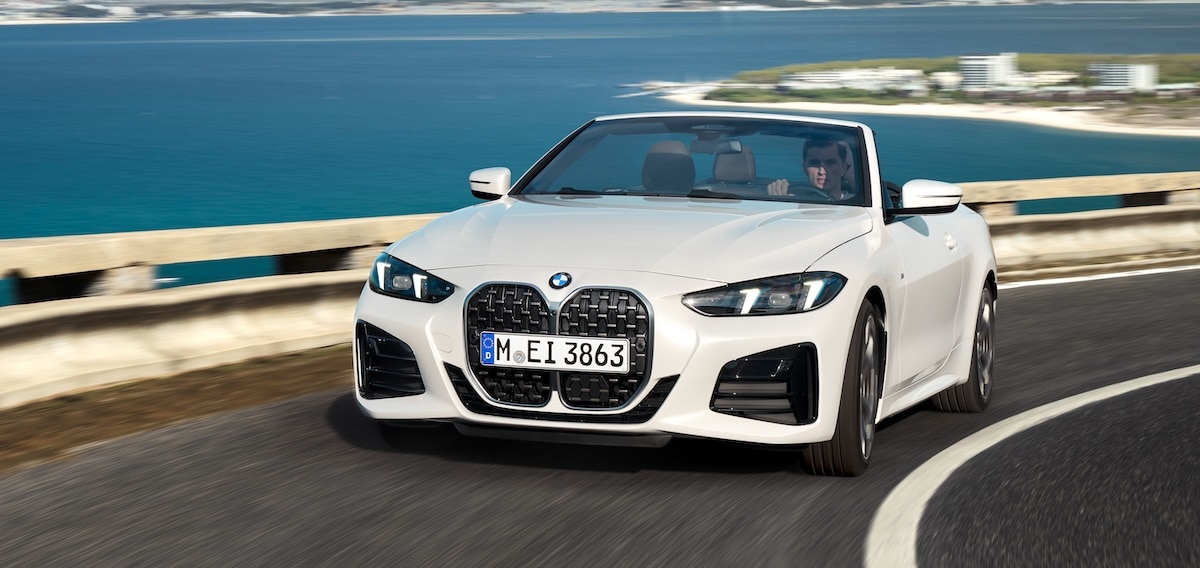
There was a time when the front grille had a job. It admitted air. Air cooled the radiator. The radiator cooled the engine. The engine converted gasoline into horsepower, noise, and the occasional roadside argument with your mechanic. The grille was an employee. Now it’s middle management.
As the automobile ambles toward electrification, the front grille has become one of the last great triumphs of decorative bureaucracy. Electric motors don’t demand nearly the airflow of a turbocharged V8, and battery cooling systems can often get by with carefully managed ducts, shutters, and modest openings. Yet somehow, many modern cars have developed facial expressions suggesting they intend to swallow a family of four whole. It’s as though the automotive design world collectively decided that if engines were getting quieter, the styling had to compensate by shouting.
BMW’s Oversized Car Grille Era
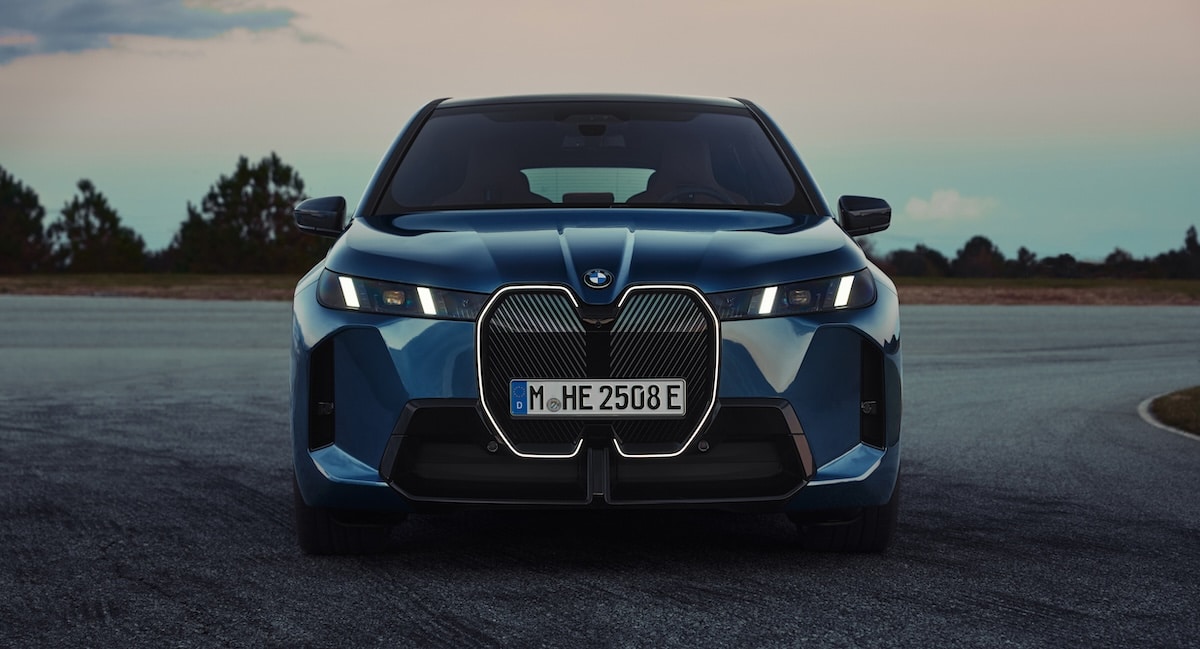
Take the BMW iX, a vehicle sporting vertical kidney grilles are so enormous that they deserve their own ZIP code. The irony is almost performance art: behind much of that imposing façade isn’t a radiator gasping for oxygen but a panel housing sensors and driver-assistance hardware. BMW openly acknowledges that the surface integrates cameras, radar, and self-healing coatings. In other words, what looks like an intake is often closer to a very expensive smartphone case.
This is the automotive equivalent of wearing a fake six-pack T-shirt to the gym.
Lexus’s Polarizing Oversized Spindle Car Grille
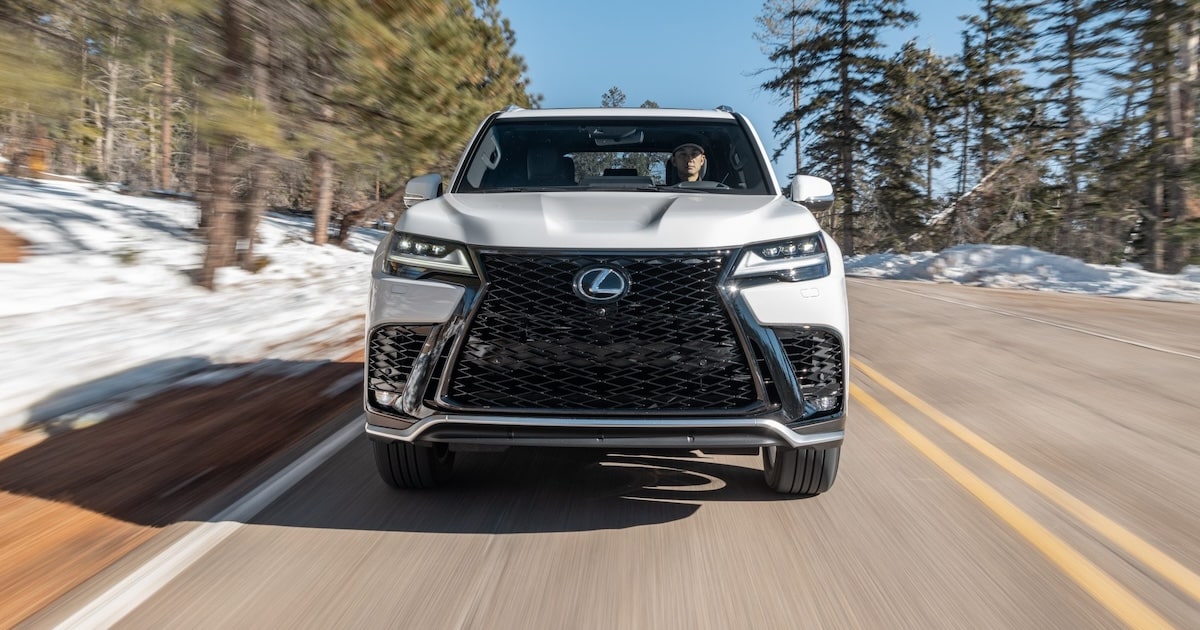
Then there’s the Lexus LX, whose spindle grille has spent the last decade expanding like an invasive species. Early versions were dramatic. Current ones seem intent on discovering whether there’s a legal limit to the percentage of a vehicle’s front fascia that can consist of patterned plastic. If the grille grew any larger, pedestrians would begin checking it for departure boards.
Audi Steps Up Its Grille Size
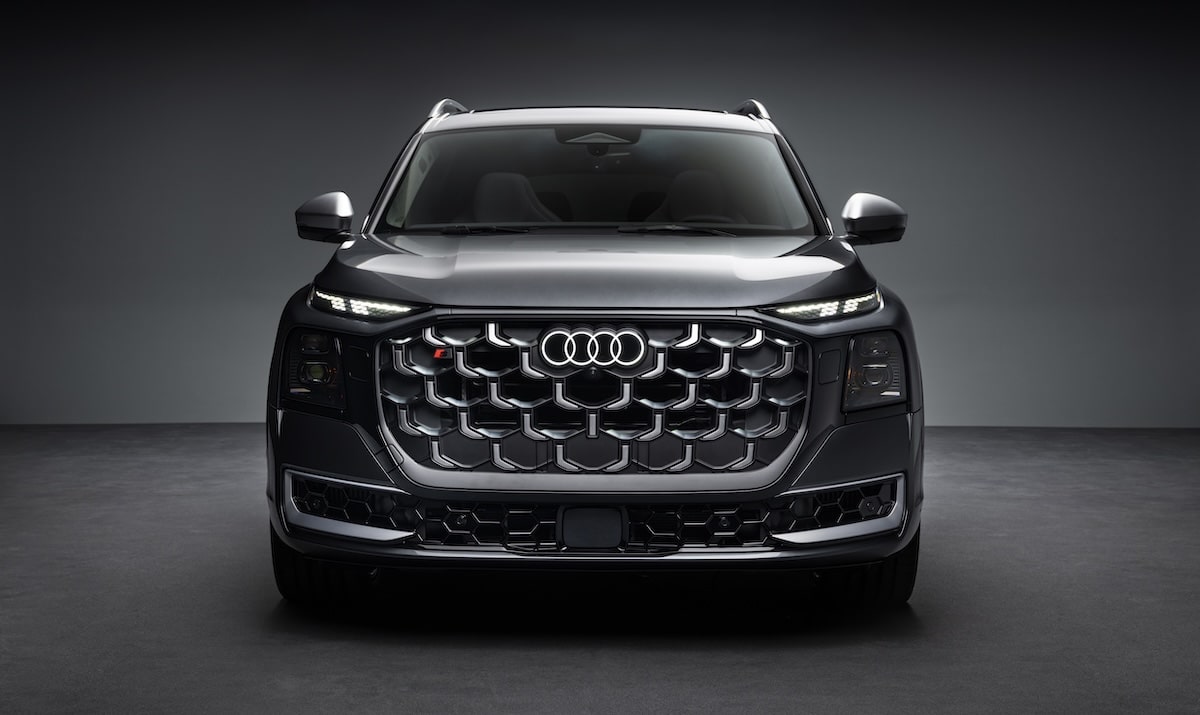
The upcoming Audi Q9 flagship SUV’s grille occupies nearly the entire front fascia. Unlike Audi’s earlier designs, where the grille was visually balanced by the headlights and bumper, the Q9’s nose seems almost entirely devoted to an expansive hexagonal opening framed by slim lighting elements. Whether all of that surface is truly needed for cooling remains an open question, particularly as Audi expands its lineup of hybrid and electric models.
Mercedes-Benz Fakes It Car Grille
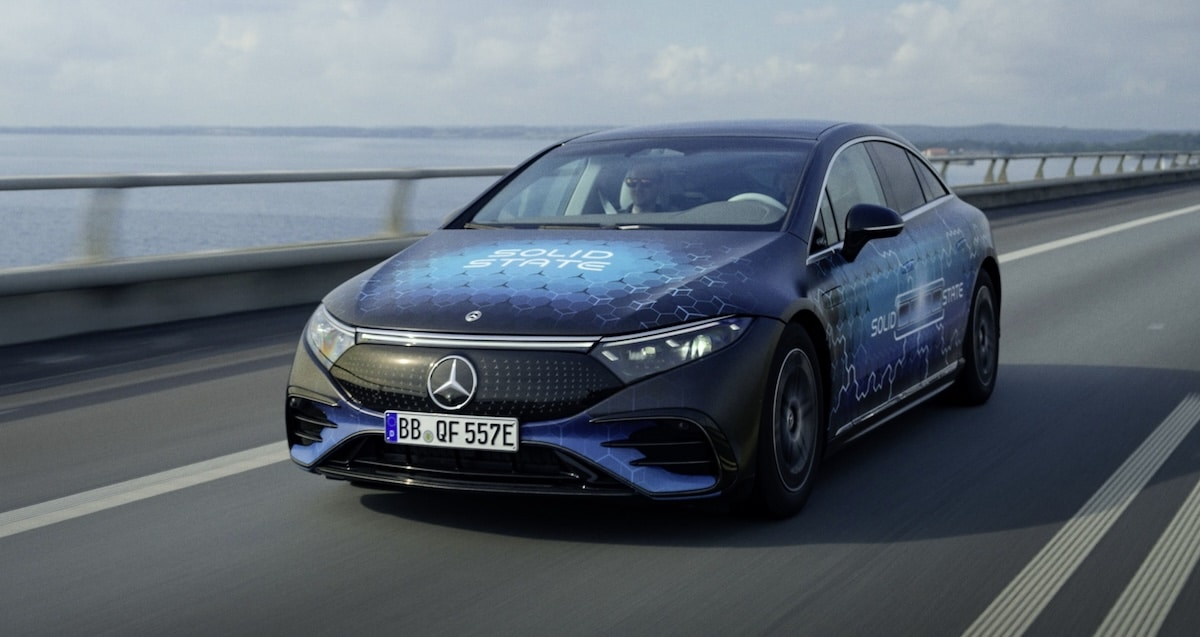
Even brands that have embraced electric vehicles can’t resist the temptation. The Mercedes-Benz EQS dispenses with a conventional open grille, replacing it with a glossy black panel decorated with dozens of tiny stars. Technically, it’s not a grille at all. Conceptually, however, it’s a memorial to one. It’s the taxidermy version of an intake: no longer alive, but posed exactly as if it still were.
There Are Automakers With Taste
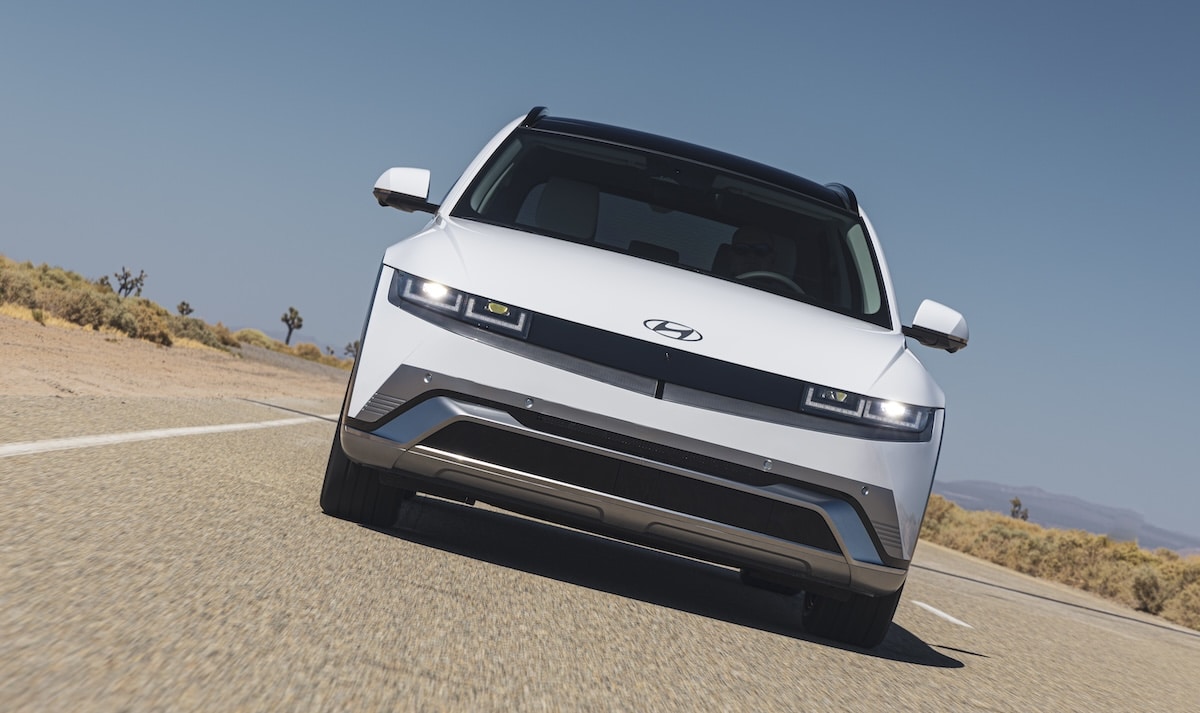
Some companies have shown admirable restraint. The Hyundai Ioniq 5 doesn’t pretend to be powered by a blast furnace. Its front end is clean, geometric, and refreshingly confident. Likewise, the Lucid Air relies on subtle openings and careful aerodynamic surfacing instead of giving the impression that it’s perpetually surprised.
These cars understand something that much of the industry appears to have forgotten: confidence doesn’t require yelling.
In Defense of Oversized Car Grilles
Designers often defend oversized grilles by arguing that customers want vehicles with “road presence.” Fair enough. Nobody spends $90,000 hoping strangers mistake their SUV for a municipal appliance. But road presence has become an arms race in facial architecture. Every new luxury SUV seems determined to look like it’s leading the invasion of Poland. Every premium sedan arrives with a front end that resembles the entrance to an upscale casino.
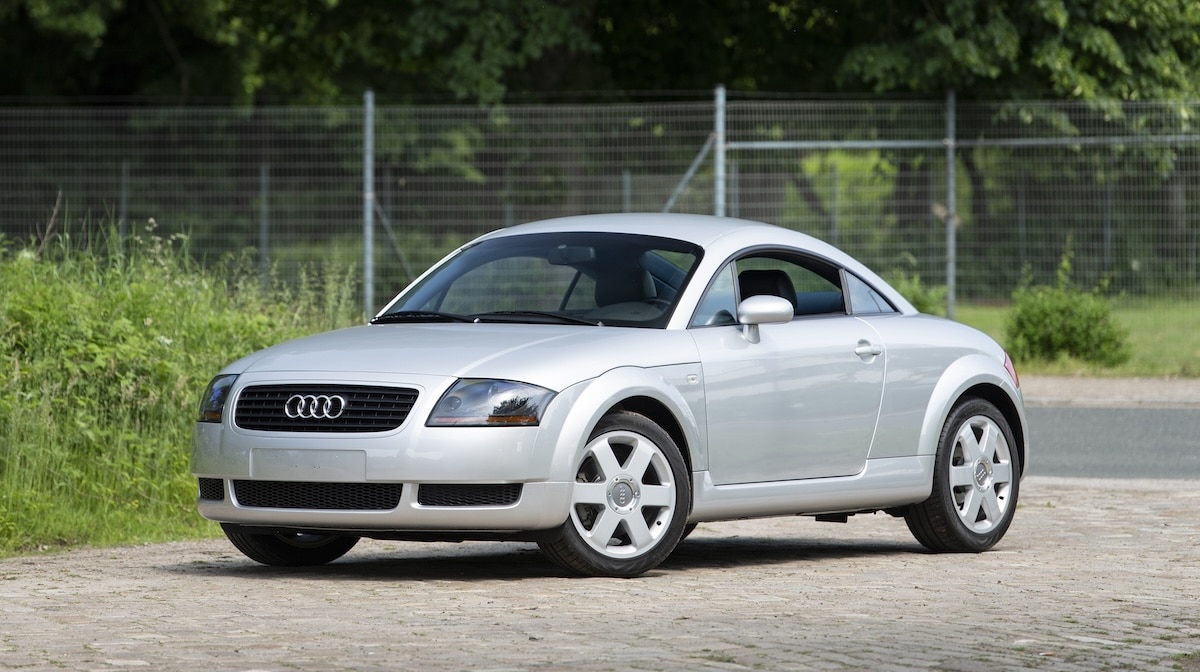
The strange part is that automotive history is full of beautiful cars that managed authority without looking as though they were preparing to inhale a Subaru. The Jaguar E-Type had an opening sized for necessity. The original Audi TT barely seemed interested in having a grille at all. Even the Tesla Model 3 demonstrated that consumers were perfectly capable of accepting a smooth front end when it served a purpose.
The Upshot
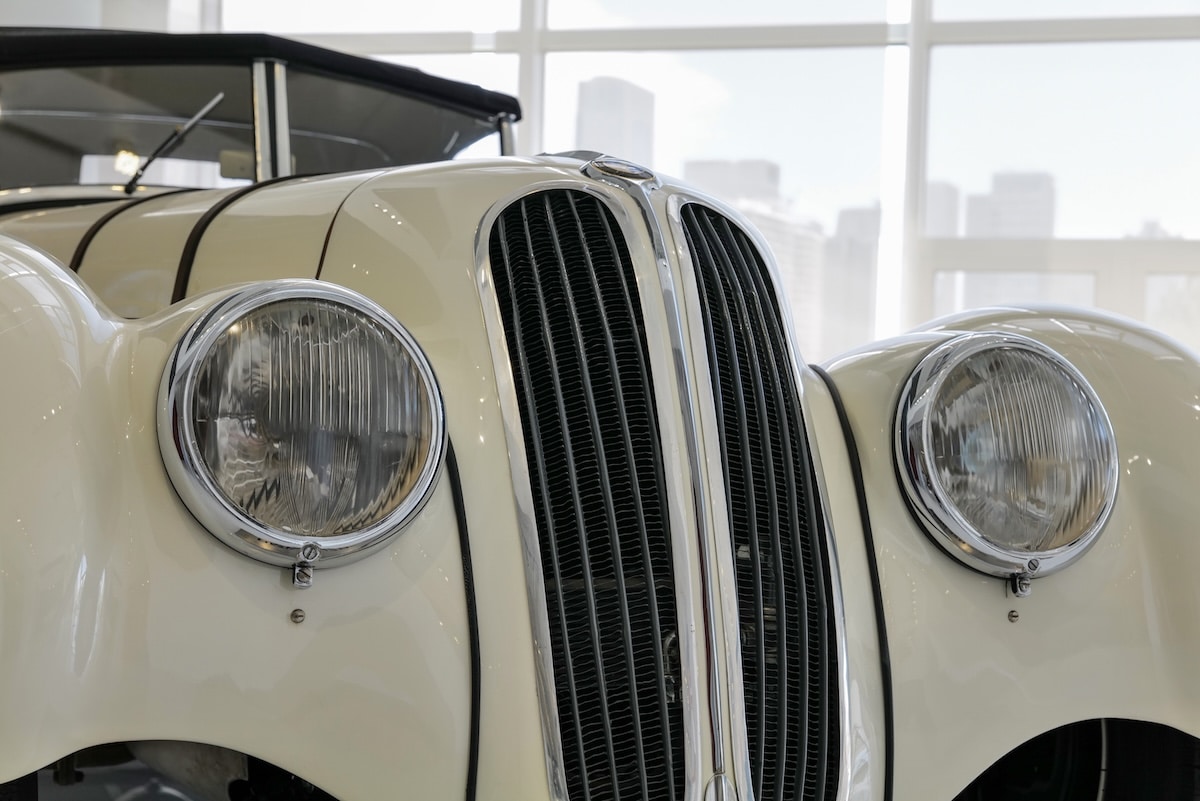
The automobile has survived countless technological revolutions by allowing form to follow function. Streamlining replaced carriage styling. Aerodynamics replaced chrome fins. LEDs replaced sealed-beam headlights. Each transition looked strange until it looked inevitable.
Electrification offers designers an opportunity to rethink the entire front of the automobile. Some have embraced it. Others appear trapped in an endless cycle of cosmetic bravado, stapling ever-larger decorative mouths onto vehicles that increasingly have little practical use for them.
The grille was once honest. It admitted what the machine needed. Now, the industry’s growing habit of equating grille size with prestige may result in luxury SUVs being judged less by horsepower or capability than by the square footage of the grille.