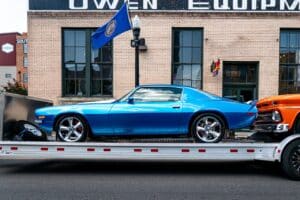
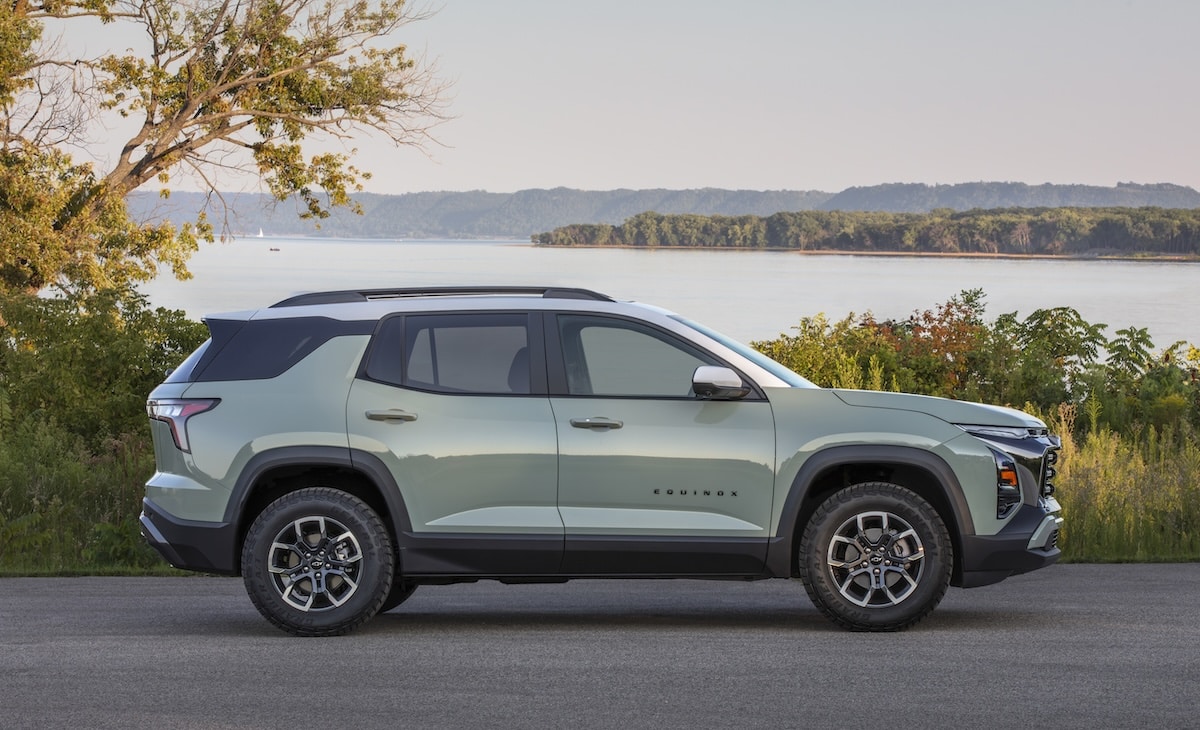
The future has arrived, and it’s brought us a vehicle that can park itself, update its own software, and politely tell us when we are tired. What it cannot seem to do is make us feel anything. Every generation thinks the cars of its youth were masterpieces and everything that followed looks like rental-car inventory. The truth is considerably messier.
Where Is the Art?
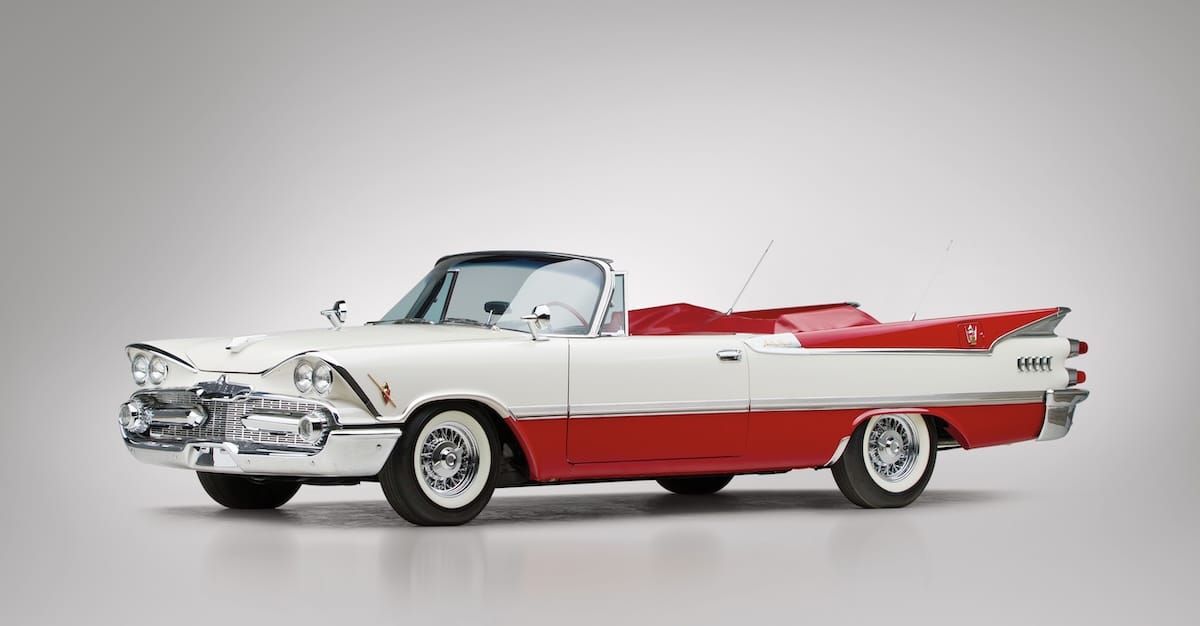
The 1950s became intoxicated with chrome, tailfins, and enough jet-age optimism to make every Plymouth resemble an Air Force experiment. The 1970s drifted into formal styling, opera windows, and federally mandated bumpers that looked as if Detroit had declared war on parallel parking. The 1980s produced enough square sheet metal to keep geometry teachers happy for a lifetime, while the 1990s rounded every corner until entire parking lots appeared to have been molded from the same bar of soap.
Cars have always reflected their era. The difference today is that we live in the Age of the SUV, and the SUV is about as accommodating to artistic expression as a milk carton.
Car Design’s Limited Canvas in the Age of the SUV
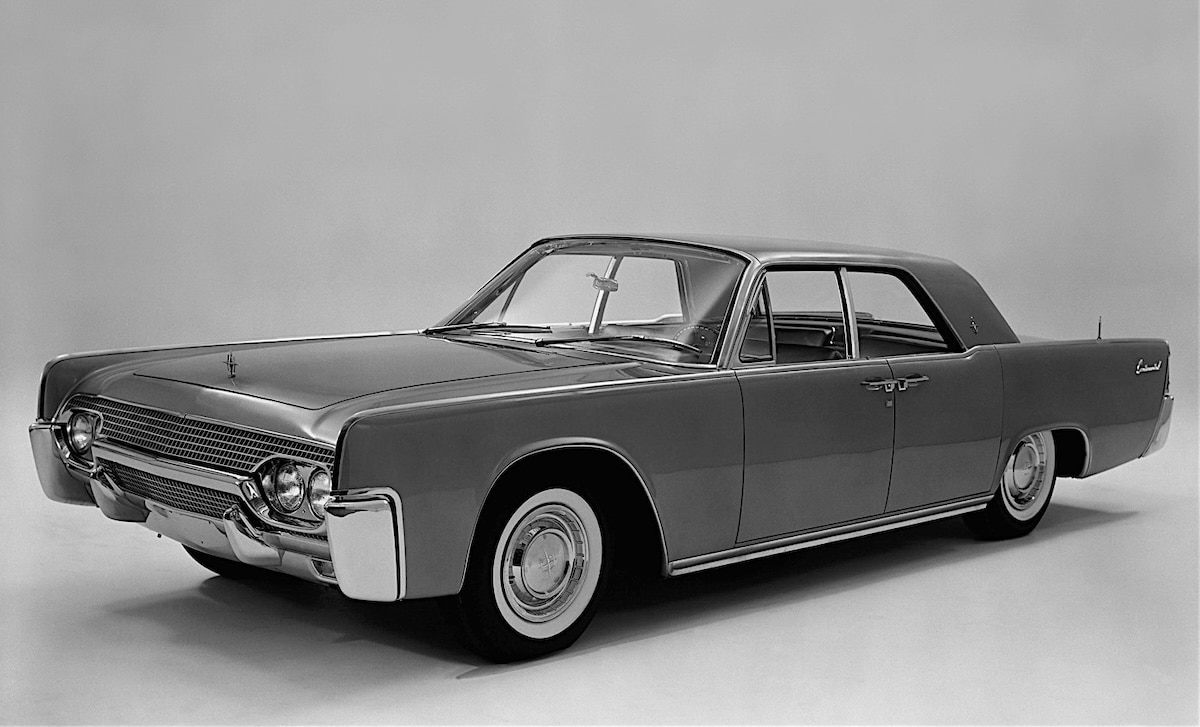
A sedan gives a designer three boxes to play with: a hood, a cabin, and a trunk. There’s room for proportion, tension, elegance, and a little swagger. A coupe can crouch like it’s ready to pounce before the engine even starts.
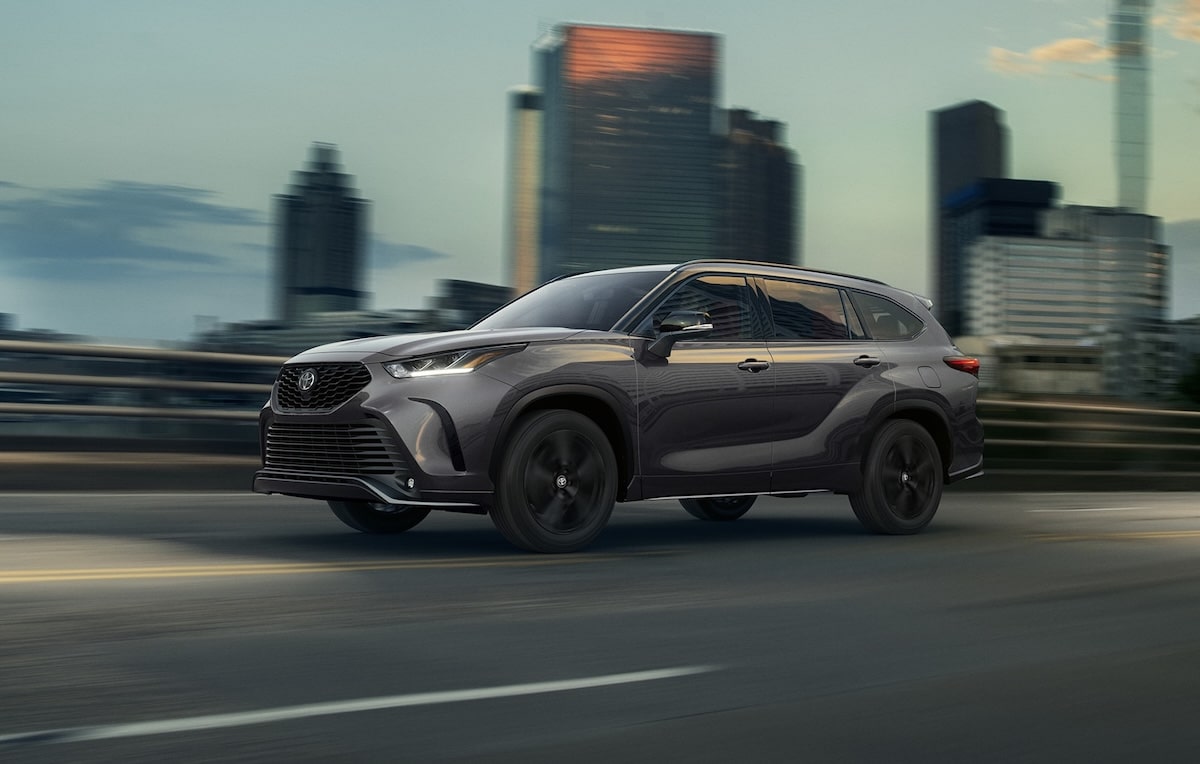
The modern SUV gets two boxes. One contains mechanical bits. The other contains everything else. It’s supposed to be practical, roomy, comfortable and able to carry children, dogs, luggage, hockey equipment, mountain bikes, and enough bottled water to survive a minor apocalypse. Americans adore them.
Consumer demand isn’t the only constraint. Designers must also satisfy crash standards, pedestrian safety rules, emissions requirements, battery packaging, aerodynamics, manufacturing costs, and electronics. The designer’s pencil no longer simply sketches dreams; it negotiates treaties. The result is a parking lot full of vehicles that are different underneath but remarkably similar in silhouette. They aren’t bad cars. Many are brilliant. They’re simply unforgettable in all the wrong ways.
Great Car Design Innovates. Modern Car Design Imitates.
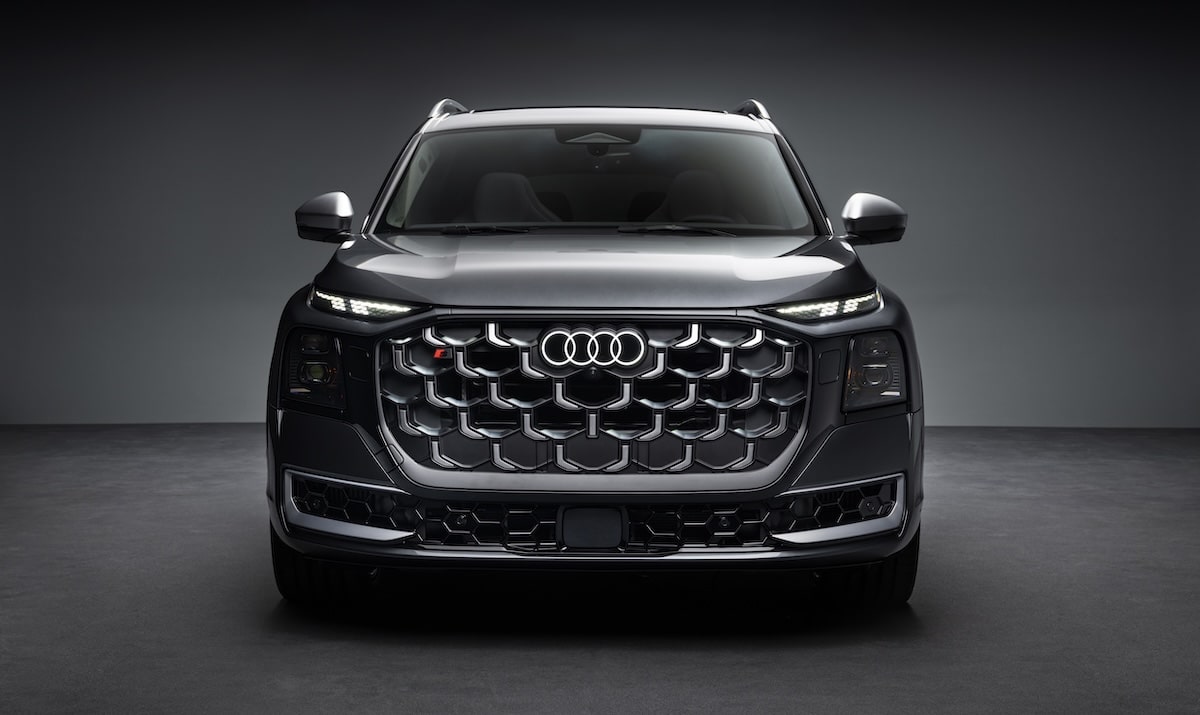
Compounding the problem are designers who spend as much time looking at each other’s designs as they creating their own. One company debuts a giant grille, and suddenly every SUV has a facial expression that suggests it has just smelled something unpleasant. One automaker unveils razor-thin LED headlights, and soon enough, every design studio is sketching angry eyes. Black roofs. Flush door handles. Full-width light bars. Fake air vents. Wheel-arch cladding. Automotive styling has become the industrial equivalent of teenagers deciding what to wear after checking everyone else’s Instagram feed. If you remove the badges from most modern SUVs, the average passerby would unable to tell them apart.
Modern Car Design Has a Courage Problem
Yet the biggest change isn’t regulation or competition.
It’s courage. Or rather, the lack of it.
Once, a design chief could walk into a boardroom, unroll a sketch, and say, “Trust me.” Today, every proposal runs the gauntlet of market research, focus groups, competitive benchmarking, cost engineers, lawyers, and executives who would rather approve second-rate styling than defend a controversial design. If a car looks too different, someone worries it won’t sell. But if it looks familiar, someone points out that familiarity sells. Guess which argument wins? Guess who doesn’t lose their job despite the new model’s indifferent demand?
Executives will argue that automobiles cost billions to develop and that no responsible company can afford to gamble on bold styling. They’re right.
Why Modern Car Design Struggles to Create Icons
They’re also explaining exactly why so few modern cars become icons.
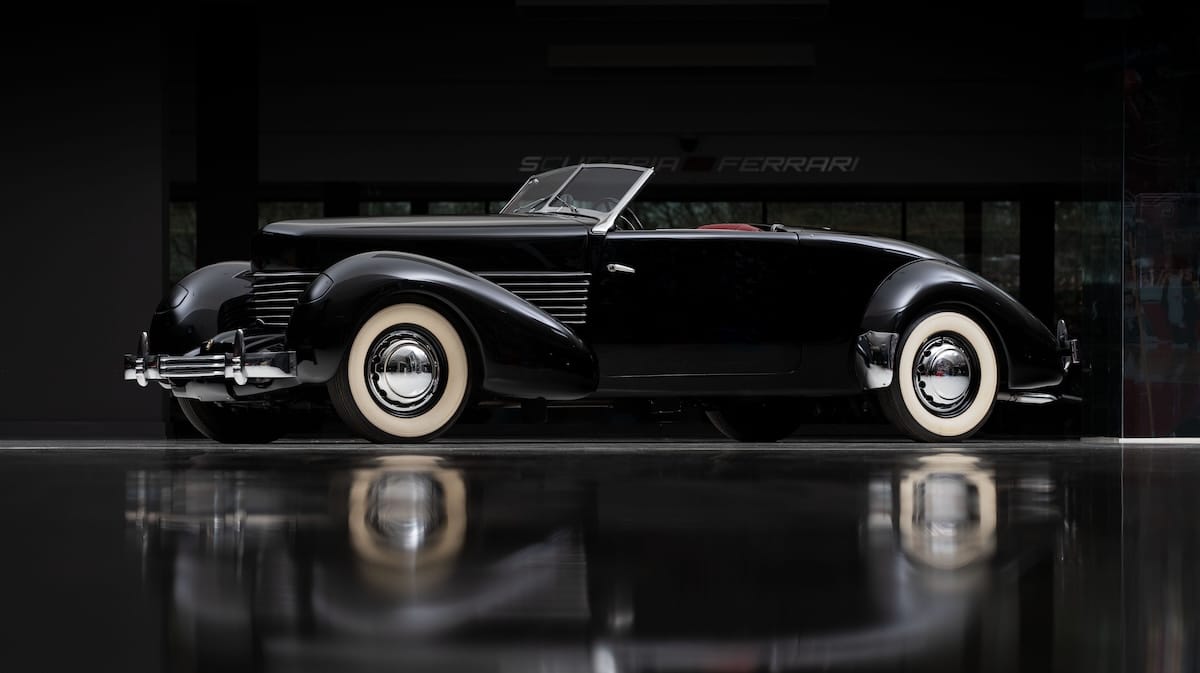
The irony is that the cars we remember weren’t created by people trying not to make mistakes. They were created by people willing to make them. Modern car designers aren’t lacking in talent or imagination. They’ve run out of nerve. Remember, Harley Earl didn’t ask permission before putting tailfins on Cadillacs. Gordon Buehrig didn’t wonder whether the Cord 810 would survive a focus group. Bill Mitchell didn’t apologize for the 1963 Corvette. They created automobiles that forced everyone else to catch up. That’s what great designers do. They build cars that force everyone else to rethink what an automobile can look like.
The Upshot
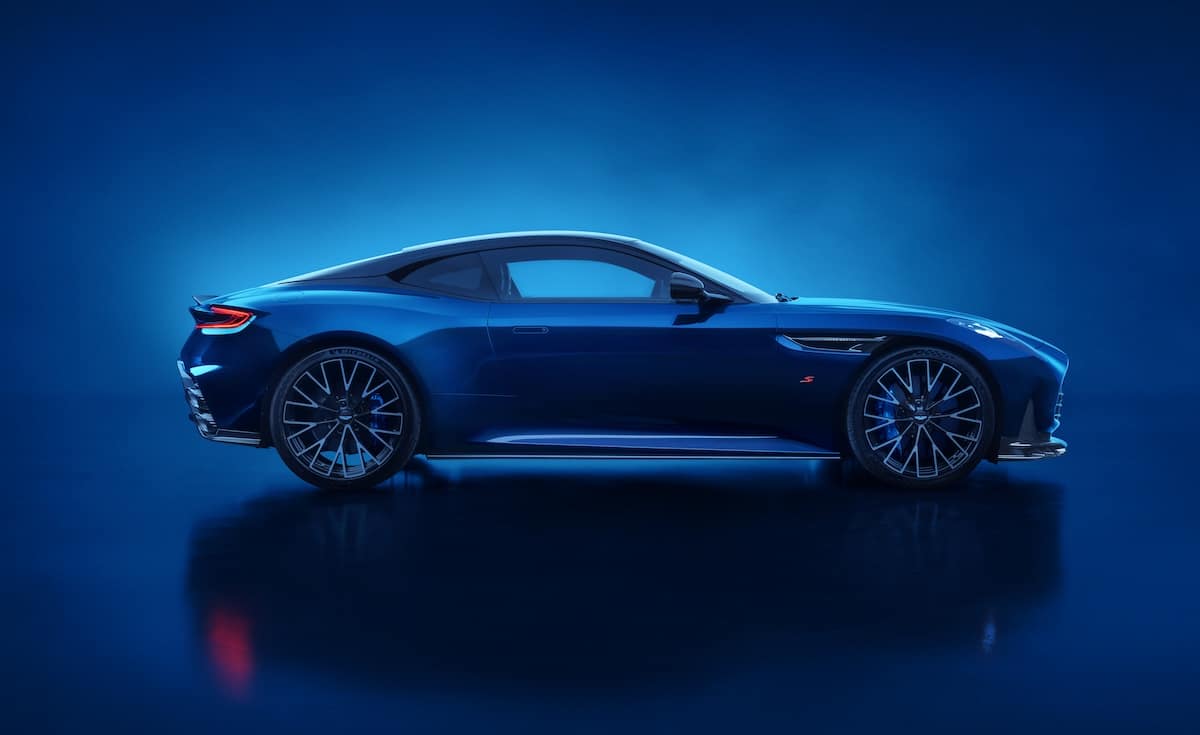
Today’s industry doesn’t need another retro badge, black appearance package, illuminated logo, or full-width LED light bar stretching from one taillight to the other like an airport runway.
It needs nerve.
The automobile has always been about anticipation, aspiration, and that completely irrational moment when you park it, walk ten steps away and then feel compelled to turn around for one last look at it before you head inside.
The journey matters. But so does the machine that makes you want to take it.