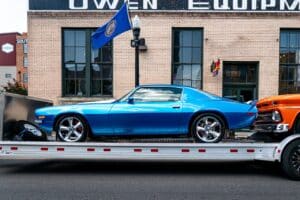

On paper, the automotive industry looks remarkably resilient. New-vehicle sales have held together despite stubbornly high prices, elevated interest rates and a consumer who is increasingly selective about every purchase. Wealthier buyers continue to support the market, but the math has become much harder for everyone else. Affordability is something that automakers have forgotten as the average price of a new vehicle reached $49,220 in May. This has led to financing costs and monthly payments to remain near record levels. Increasingly, buyers are stretching loans to seven years simply to be able to have a car to drive.
The first half of 2026 offered an unexpected lesson about the American auto market. It wasn’t that consumers suddenly fell back in love with cars. It was that they never stopped loving affordability.
New Car Sales So Far
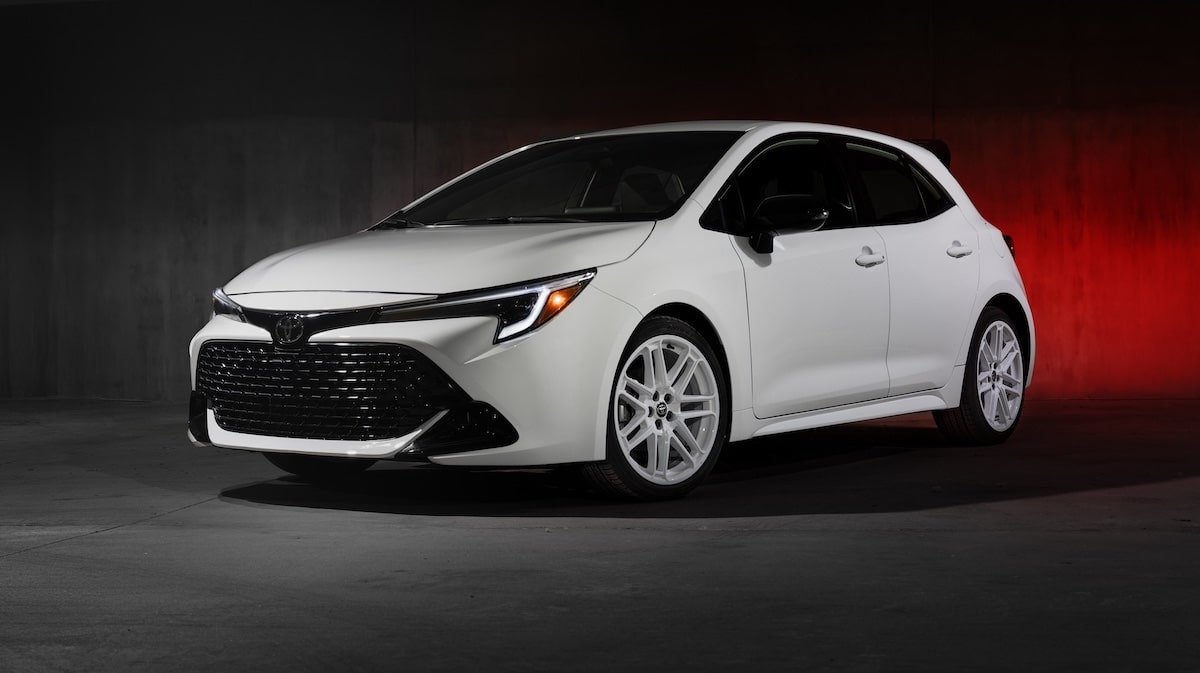
For the first six months of 2026, Toyota has sold 1,243,391 vehicles, up 0.5% compared to the same period last year. Honda saw its best first-half results since 2021, with demand up 2.4%. Nissan sales rose 0.4%. Hyundai also saw demand for its vehicle rise 3%, while corporate cousin Kia achieved its best first-half performance in its 64-year history, with sales up 2.7%.
For domestic automakers, the news hasn’t been as good. General Motors sold 1,341,325 vehicles, down 6.8%. Ford hasn’t released its sales figures yet, but Cox Automotive is forecasting a decline of 10.3%.
An Unexpected Lesson About Car Affordability For Detroit
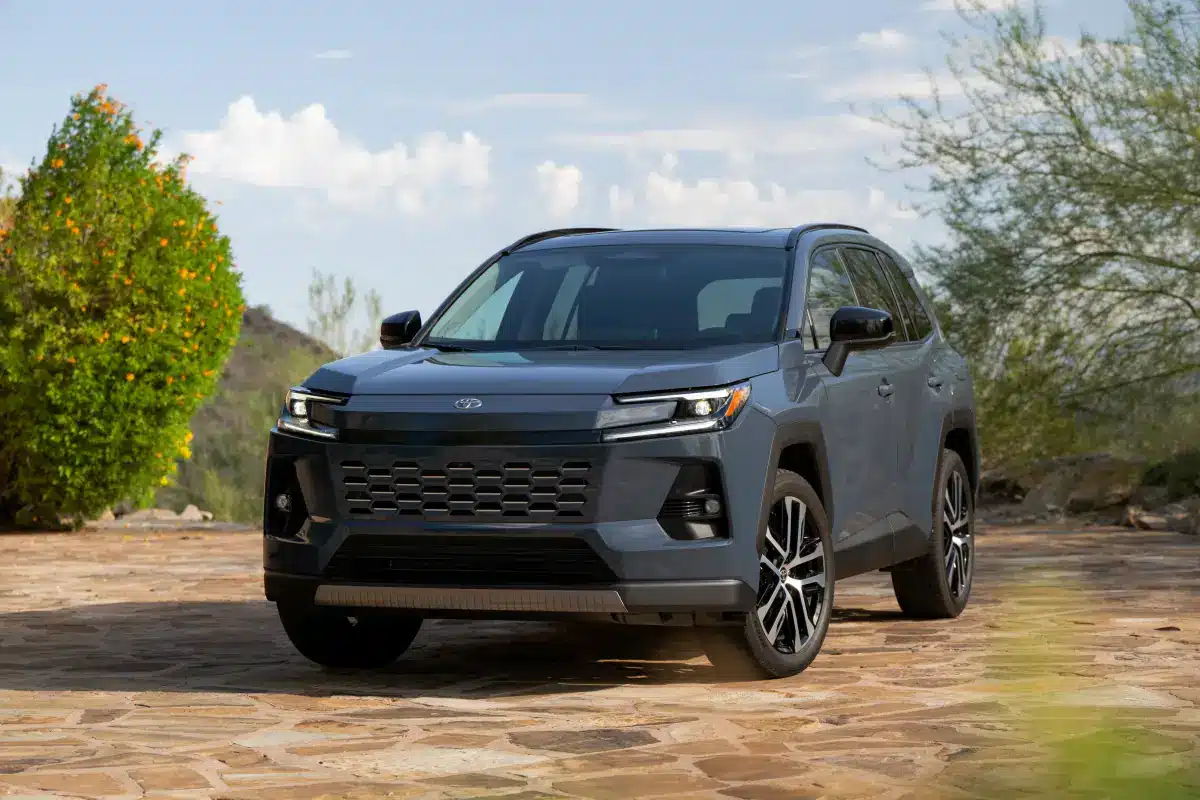
For years, conventional wisdom held that America had abandoned cars for SUVs and pickups. Detroit certainly behaved as though that were true, exiting most of the passenger-car business in favor of trucks and crossovers with higher sticker prices and richer profit margins. But consumers don’t always follow the script.
The first half of 2026 offers an unexpected lesson for American automakers as they finally woke up to one of the more overlooked stories of 2026: the quiet resilience of the sedan. When affordability becomes the defining issue, the sedan starts looking less like yesterday’s transportation and more like tomorrow’s value proposition.
It wasn’t that consumers suddenly fell back in love with cars. It was that they never stopped loving affordability. Consider who still believes in the segment.
Other Automakers Aren’t So Oblivious
Toyota continues to invest heavily in the Corolla and Camry. Honda remains committed to the Civic and Accord. Nissan continues with the Sentra and Altima. Hyundai offers the Elantra and Sonata. Kia sells the K4 and K5.
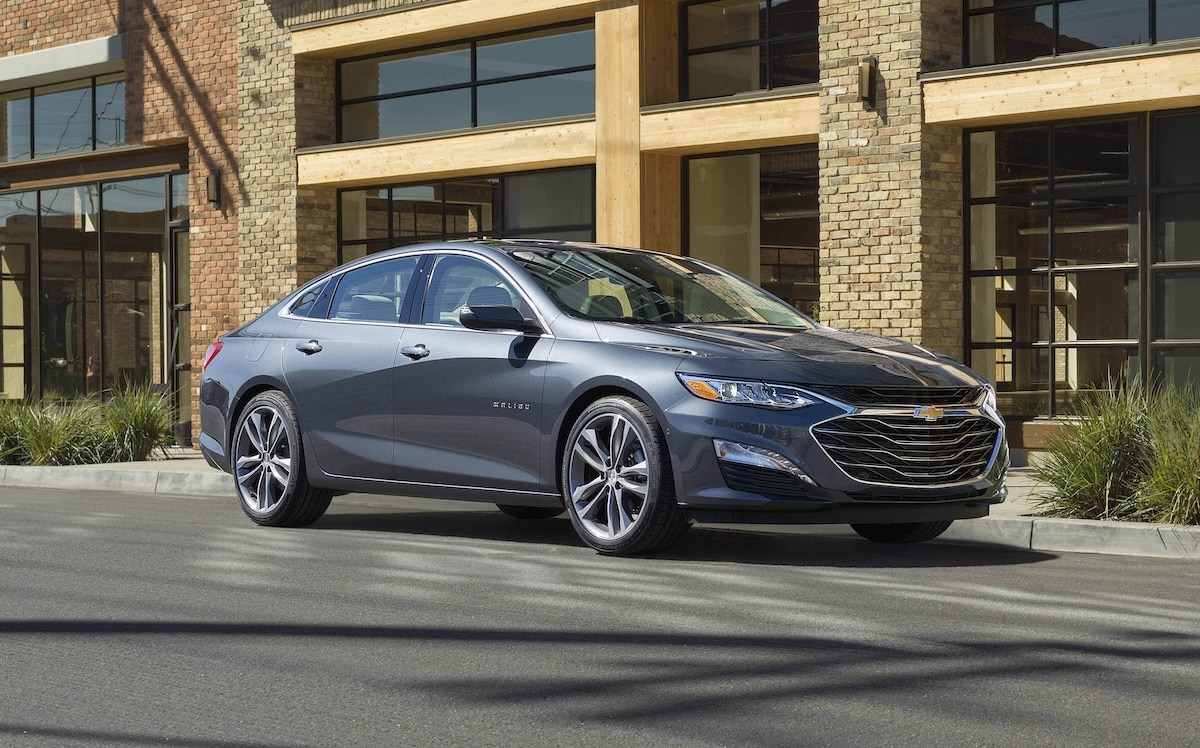
In contrast, America’s automakers decided years ago that pickups and SUVs generated better returns. General Motors no longer competes in the compact or midsize mainstream sedan segment. Their last model, the Chevrolet Malibu, stopped being built after years of neglect and cost extraction by GM accountants. Ford stopped selling the midsize Fusion sedan in 2020, despite selling 166,045 units the previous year.
Yet the first half of 2026 showed that sedans have been among the stronger-performing segments even as broader demand remains uneven. According to Cox Automotive, midsize sedans showed the strongest growth of any automotive segment, with demand growing 17.6%. Compact sedans followed, at 9.6%.
How come?
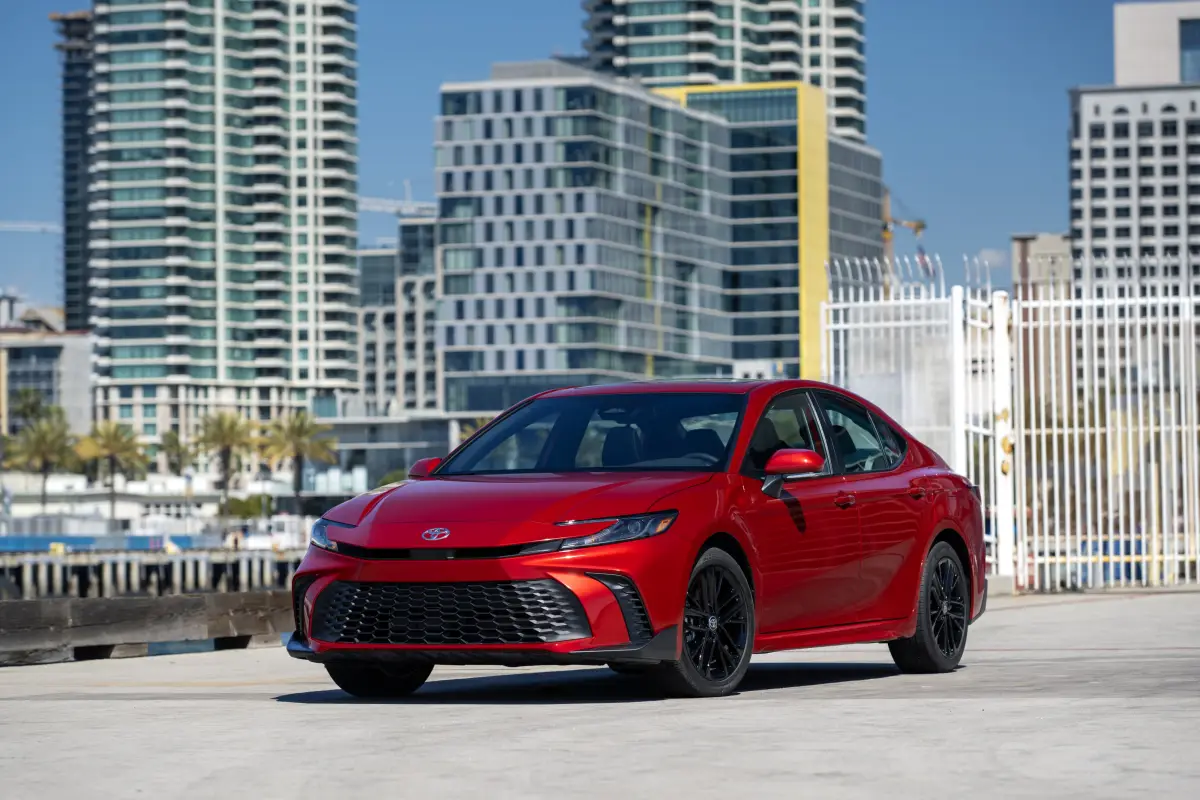
It’s easy to understand why.
Compare a well-equipped midsize sedan with a similarly-equipped SUV and you’ll often discover several thousand dollars in purchase-price savings, better fuel economy and lower ownership costs. When financing a vehicle over 72 or even 84 months, those differences compound into meaningful monthly savings.
The irony is that Detroit spent two decades convincing Americans they needed ever-larger vehicles, only to discover that many Americans simply want transportation they could comfortably afford.
That may be why new entrants, from inexpensive electric startups to established manufacturers, are suddenly rediscovering the appeal of smaller, less expensive vehicles. Even discussions about compact pickups, long dismissed as relics of another era, have returned because the affordability equation has changed.
A Big Opportunity for Startups
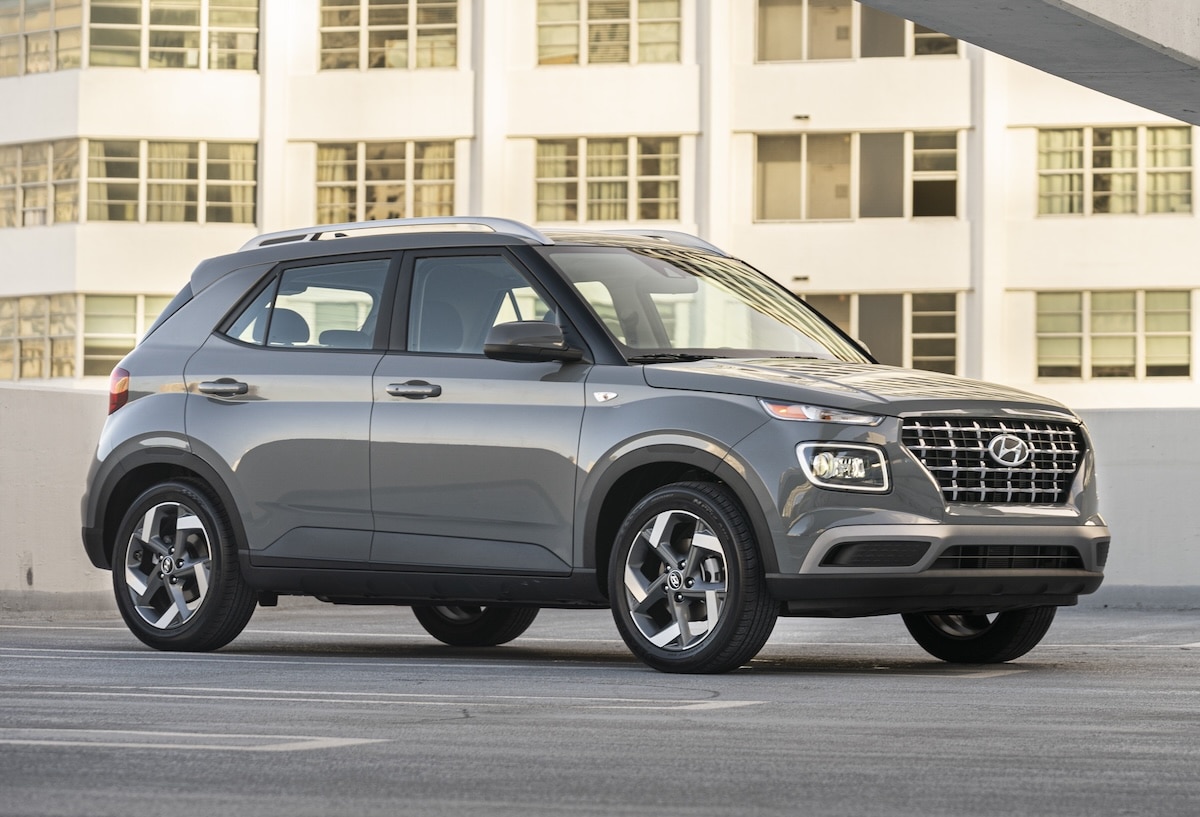
America’s affordability problem increasingly reveals itself through the automobile. When buyers finance longer, postpone purchases or gravitate toward practical sedans instead of premium SUVs, they’re sending a signal about the economy every bit as meaningful as retail sales or consumer confidence.
The industry’s challenge isn’t convincing consumers to embrace electrification, software or autonomous driving. It’s convincing them they can still afford a new car. But every strategy eventually meets its constraint.
Today, that constraint isn’t engineering. It’s the American household budget.
And if the first half of 2026 tells us anything, it’s that the companies willing to build practical, efficient and reasonably priced compact and midsize sedans may discover that the oldest idea in the auto business remains one of the most profitable: give customers a car they can actually afford