
Imagine if we bought everything the way we buy cars.
You’d walk into a supermarket and see a gallon of milk marked $4.99, only to learn at checkout that it’s $7.49 because you didn’t qualify for the Preferred Lactose Loyalty rebate. The cashier would then ask whether you’d like the extended warranty on the milk. Buying a television would require four hours of negotiation, a credit check and a visit from the store manager who informs you that he can do something about the price if you also take delivery of two soundbars and an extended protection package. And nobody would tell you what a house costs until you’ve signed a stack of paperwork and agreed to buy $3,000 worth of nitrogen for your lawn mower tires.
And car dealers honestly believe this is how consumers want to shop. If every other industry sold things this way, would we tolerate it for five minutes? But this is apparently an outrageous demand when buying a car.
A Well-Meaning Change
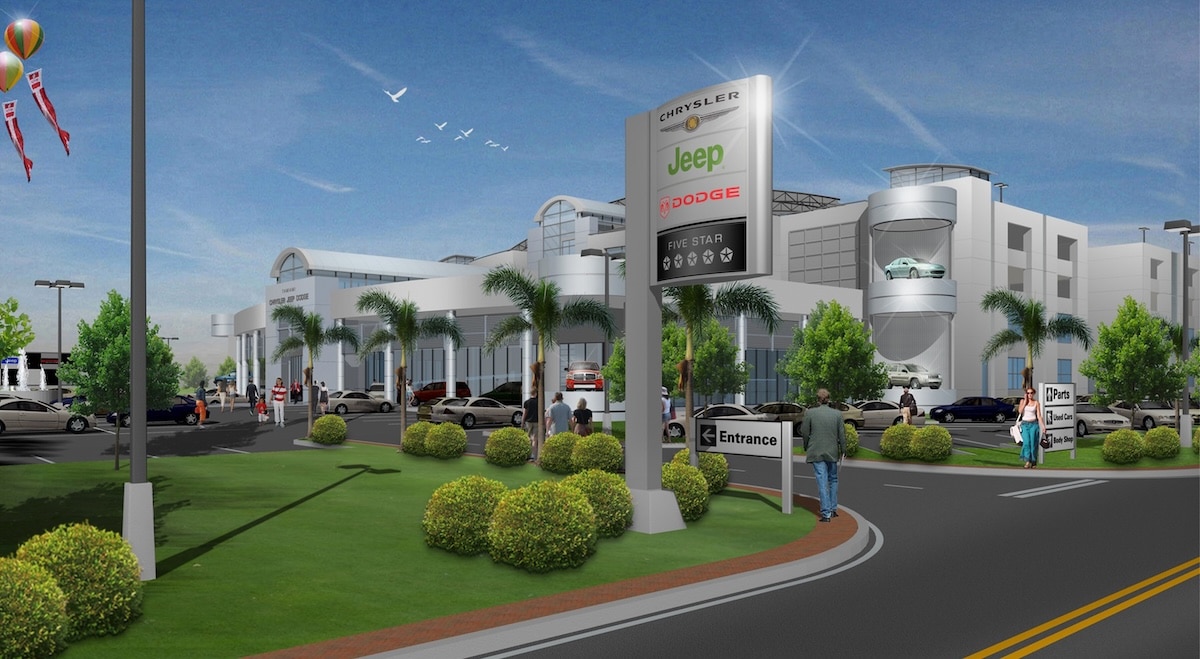
Yet earlier this week, Stellantis became the latest automaker to prohibit dealers from advertising the lowest price they’re willing to take. Beginning with 2027 models, Stellantis dealers won’t be allowed to advertise vehicles below invoice price, or use any language suggesting that a lower price is available. GM, Toyota, Mazda, Kia and Hyundai have adopted similar minimum-advertised-price policies, according to The Wall Street Journal. This is being done because automakers are concerned about how low prices impact brand perception. Never mind that the automaker is currently advertising something auto dealers can’t going forward: a 2026 Ram 1500s at 15% below MSRP.
Welcome Back to 1997

This new OEM dealer requirement means that the advertised price may not be the lowest price the dealer will accept. A minimum advertised price doesn’t necessarily mean the dealer can’t sell the car for less. It means the dealer can’t advertise that number. This creates a deceptive situation where dealer A advertises that the car costs $45,000, dealer B advertises the car costs $45,000 and dealer C says the car costs $45,000. Then you call. Dealer A says, “We can do $44,000.” Dealer B says, “We can do $43,500.” Dealer C says, “Come in and we’ll talk.”
This isn’t price transparency. It’s archeology. Somewhere beneath the MSRP is the actual price, waiting to be discovered like Atlantis, only with a VIN number. So buying a new car will still resemble buying a Persian rug in 1468. You know the drill. You ask, “What’s your best price?” The salesman responds, “I’ll have to talk to my manager.” You wonder why. The salesman responds, “Because he has a desk.” “And what does the desk do?” “Mostly, he sits behind it.”
The entire purpose of the internet was to eliminate this nonsense. So much for that.
Just Give Us the Damn Number

This isn’t an issue for startup automakers like Tesla, Rivian, Slate and Lucid. They know something the traditional car business apparently needs another century to understand: people like knowing what things cost up front without the usual auto dealer sturm und drang. This is why new automakers avoid the slimy morass of traditional dealer networks, which are protected by state franchise laws. New automakers have figured out something the old guard refuses to understand. Car buyers don’t want the hucksterism of negotiation.
How we got here
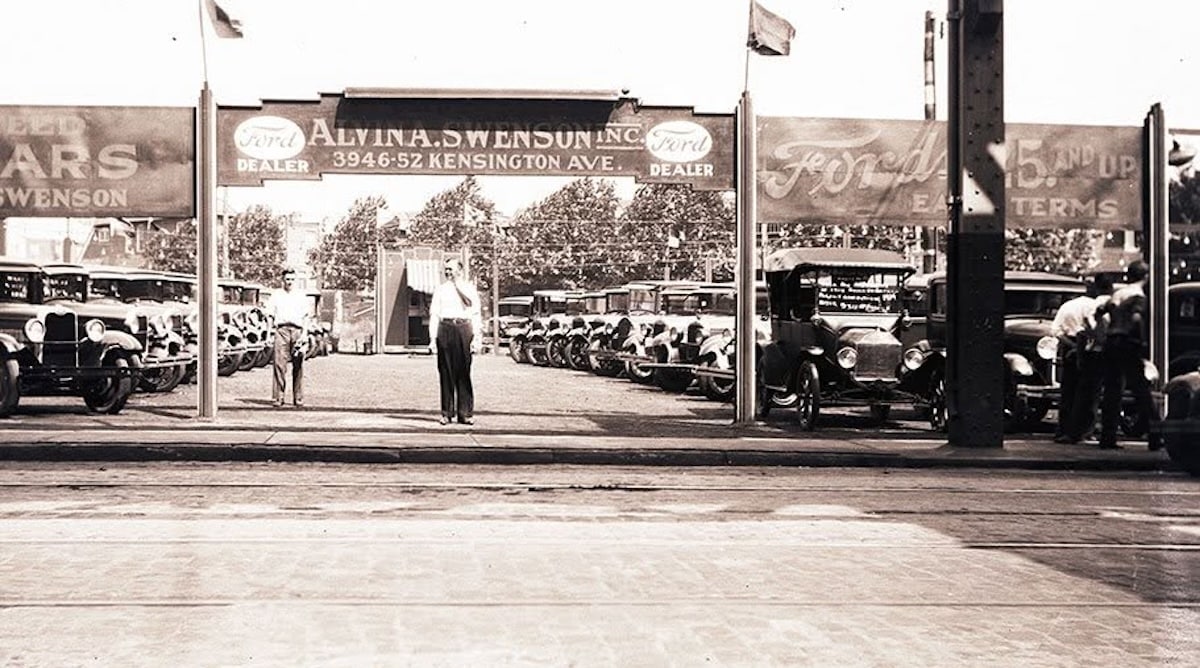
As automakers expanded in the early 20th century, they relied on independent dealers to do what they couldn’t afford to do: display, sell and service cars nationwide. States later enacted franchise laws to prevent automakers from arbitrarily canceling franchises or competing directly with their own dealers. A noble idea that produced a system in which the company that designs and builds the car isn’t allowed to sell it to you, as the company has an existing independent dealer network. So, you can buy a $1,600 laptop computer directly from its manufacturer. But try buying a $50,000 automobile and suddenly you need a middleman, a showroom, a sales manager, a finance office and approximately three hours of life.
The Upshot

The solution isn’t complicated. Consumers aren’t asking for a miracle. We are just asking how much a new car’s really going to cost. Not what might it cost. Not what could it cost. Not what does it cost if Mercury is in retrograde and you qualify for the lunar rebate. Just. How. Much. Give us the damn number. Then let us decide whether we want to buy the car. It’s an astonishingly simple concept.
Of course, this means it will never happen without an additional $1,995 dealer fee.
Editor’s note: This column originally appeared on The Car Collective Substack.