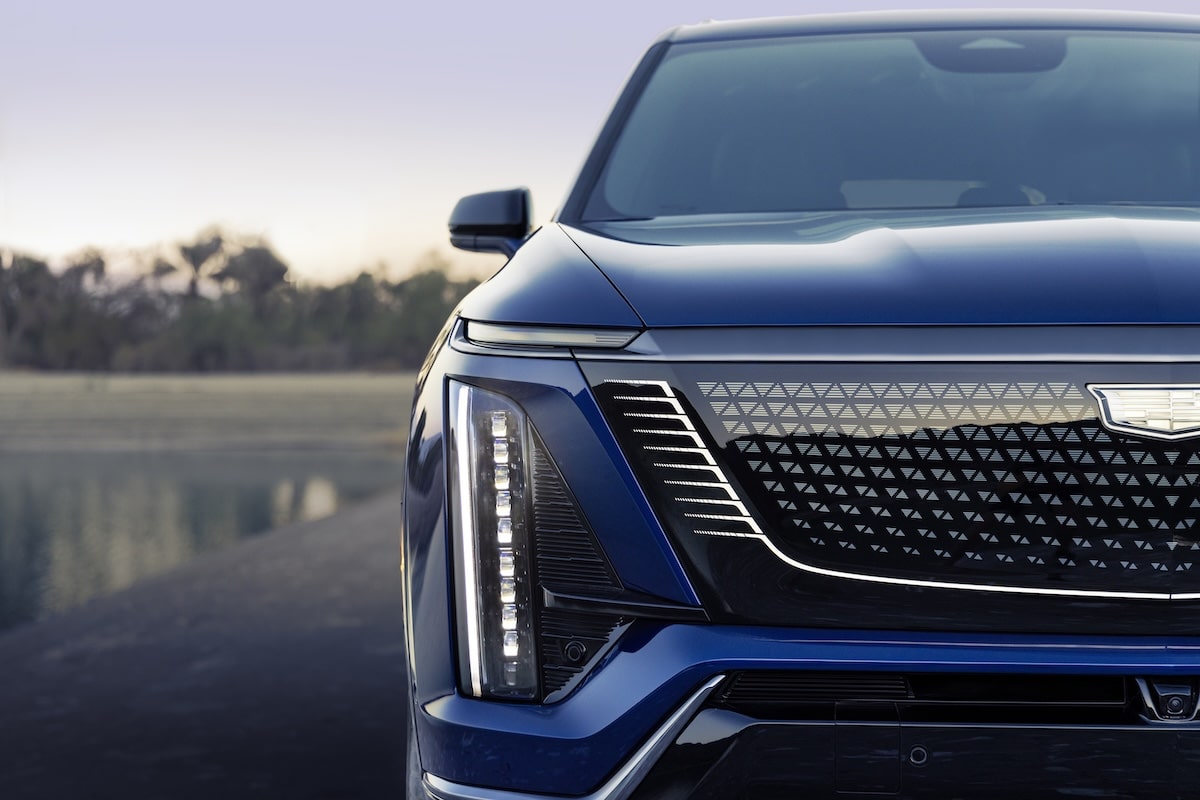
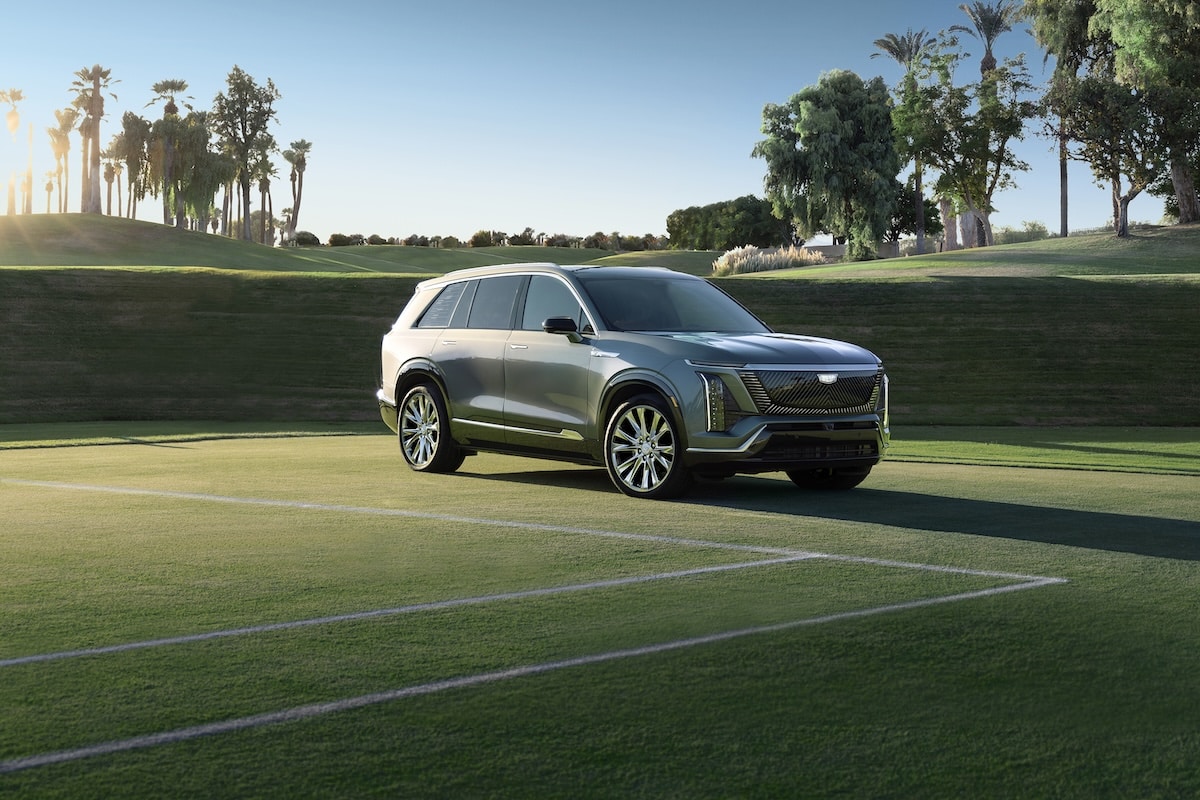
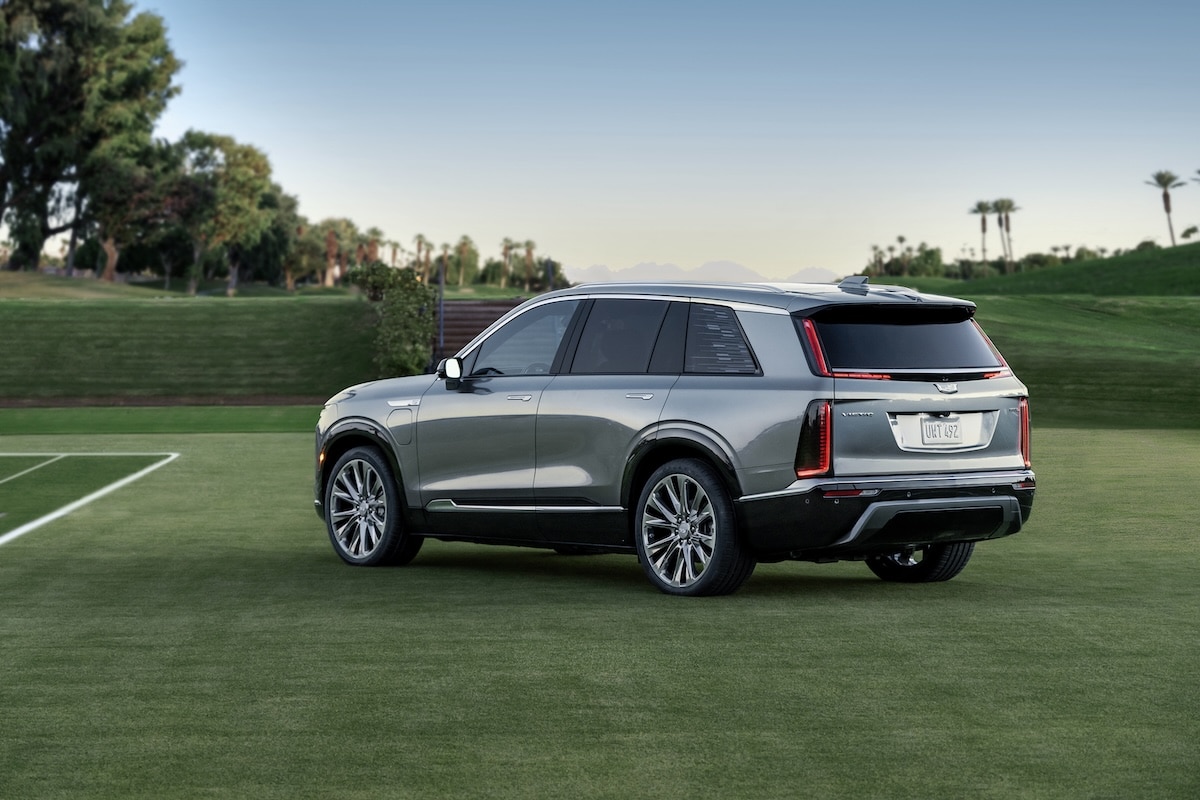
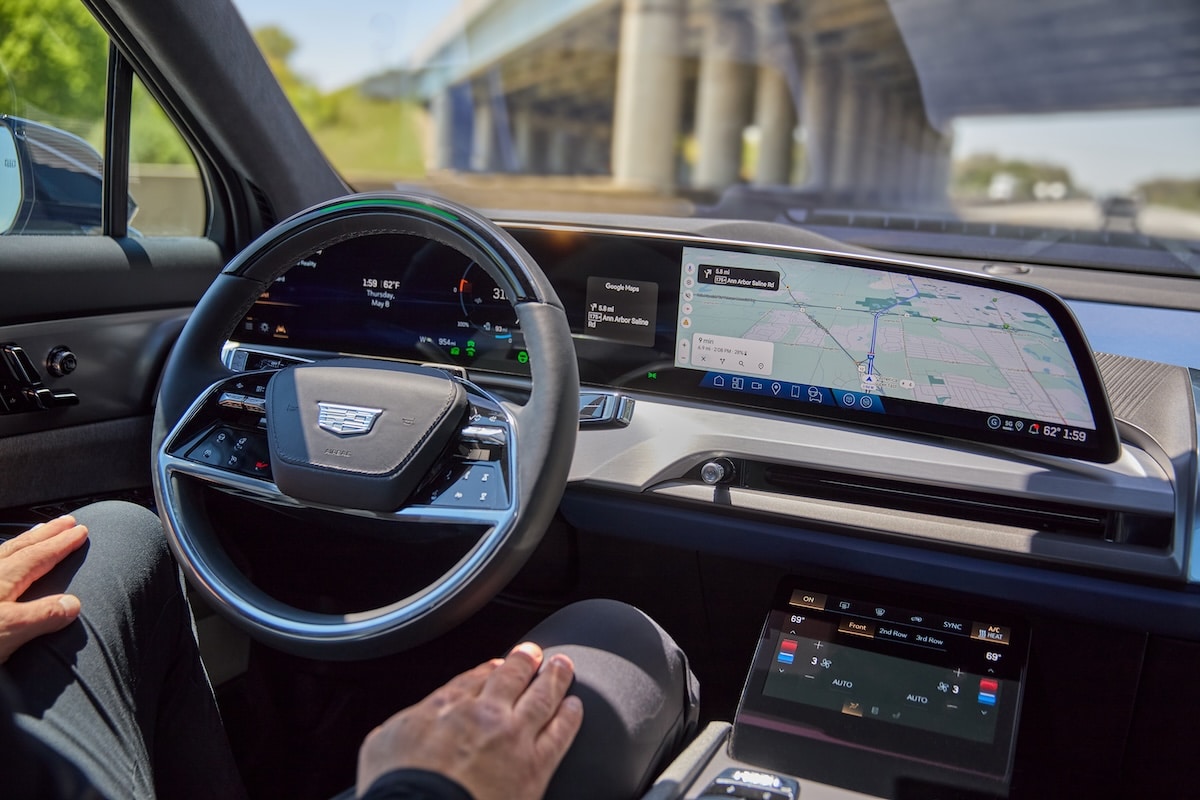
My friend Rodney leased a 2026 Cadillac Vistiq in December 2025. It cost nearly $90,000, nearly enough to buy a condo in some parts of America. Initially, GM’s vehicle quality proved impressive. It was easy to drive, handsome without looking as though it had been styled during a midlife crisis, and equipped with door handles that sprang to attention like an eager boyfriend when you approached.
Then, within a week, the honeymoon was over. The center of the instrument panel drooped. The rattles arrived like a loose collection of cutlery. And the front passenger seatbelt buckle developed an irritating habit of wedging into the gap between the seat and the B-pillar whenever it wasn’t being used. These are basic fit-and-finish defects you wouldn’t expect from a company that’s been building automobiles for 118 years.
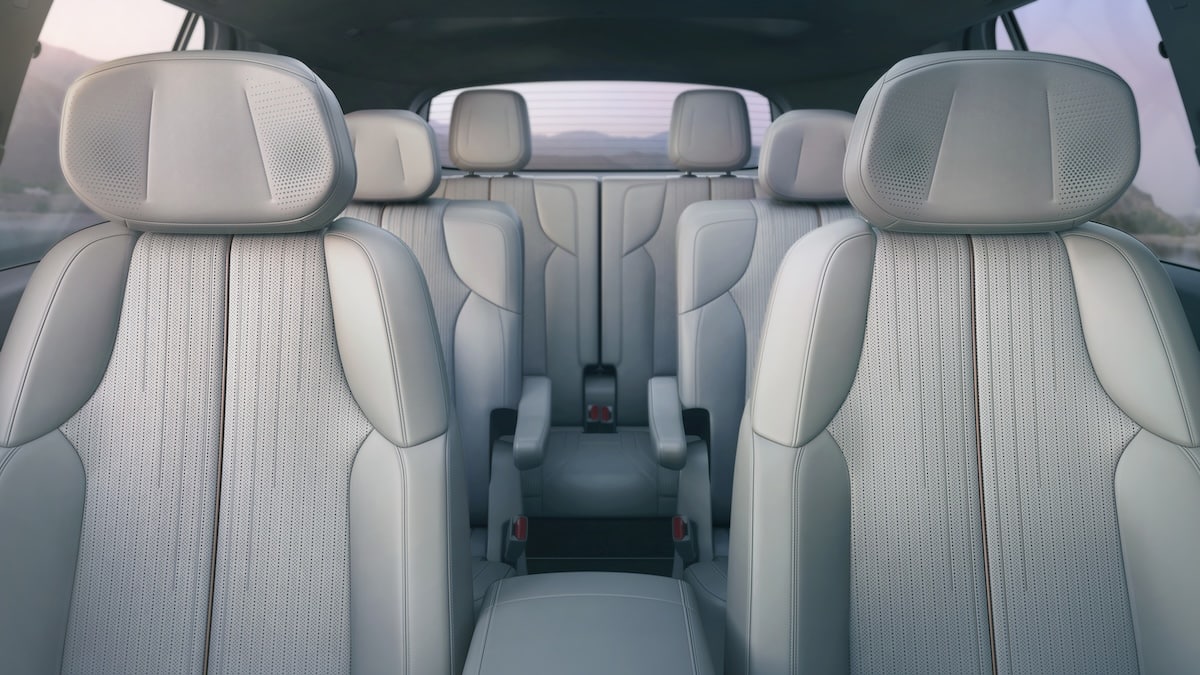
The Vistiq went back to the dealership four times in five months. Unlike my brother’s Toyota dealer, Cadillac didn’t provide a loaner car, even though it was warranty work. And nearly a year later, the rattles are still there, evidently a no-cost option – for now.
The latest problem? A recall for the power-folding rear seat, which can inadvertently crush a small child. There’s no fix. None. How on earth do you design a car without noticing that one of its seats can double as a hydraulic press?
The trouble with being profitable
Meanwhile, earlier this week, GM reported its third-quarter 2026 results. Revenue reached $50 billion, while adjusted earnings before interest and taxes came in at $4.1 billion, a 22% increase in adjusted operating profit from a year earlier. Then came the really big number: a new, multiyear $20 billion share-repurchase program.
The profits are real. So is the question of priorities.
GM’s 2025 annual filing reported $7.866 billion in net warranty expense, up an astounding 43.6% from $5.452 billion in 2024. That’s a rather colossal bill for a company whose entire business depends on persuading people that its cars work. And the warranty bill is only the beginning.
A badly fitted panel costs money to fix. A persistent rattle costs something else: confidence. A customer who has to make four trips to the dealership in five months turns a potential repeat client into a sales lead for another automaker. It’s a remarkably efficient way of helping your competitors.
Twenty billion dollars. Really?
Which brings us to GM’s $20 billion buyback.
As of Tuesday morning, GM was trading at $77.75 a share, or 39 times trailing earnings. Sure, Toyota trades at $196.64, but that’s only 8.87 times trailing earnings. GM trades at just 5.6 times forward earnings, roughly half Toyota’s 10.94 multiple, a valuation gap that suggests investors remain considerably less willing to pay for GM’s future profits, even as the automaker moves aggressively to shrink its share count. Since 2015, GM has poured $42.7 billion into share buybacks, shrinking its outstanding share count by 45% in a sweeping effort to return capital to shareholders and reshape the company’s equity story.
Buybacks can be perfectly sensible when a company’s shares are undervalued and its worthwhile investment opportunities have been funded. Returning surplus cash to shareholders is exactly what management should do. But GM needs to explain why returning so much capital deserves such priority when quality remains an extremely expensive problem.
Imagine a meaningful portion of that $20 billion – or the previous $42.7 billion – directed toward a sustained, measurable quality initiative. Better manufacturing processes. More rigorous preproduction testing. Higher-quality components. Faster diagnosis and resolution of defects. More engineering talent capable of bringing better products to market to outsmart Chinese automakers.
You could even improve the ownership experience, perhaps by providing customers with a loaner car when their nearly $90,000 luxury SUV spends days in the shop ,only to have its problems unresolved. Instead, GM is preparing to send it back to shareholders.
Is Roger Smith still CEO?
Fix the cars before polishing the stock price
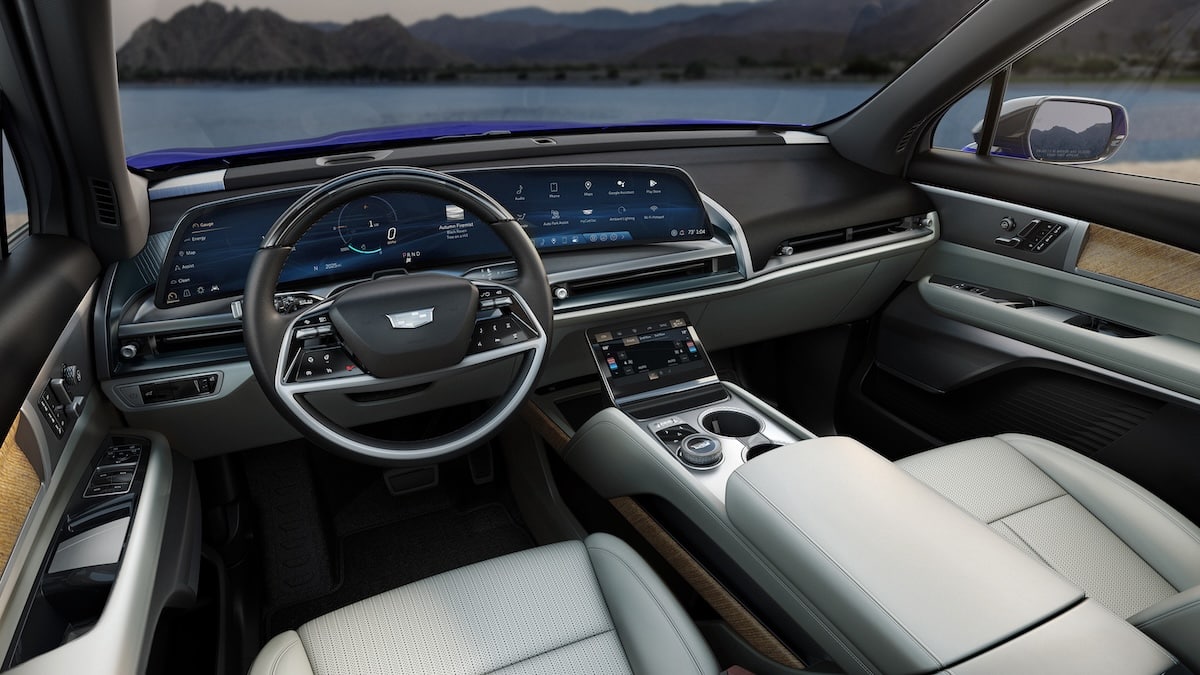
To be fair, Rodney’s Vistiq is an anecdote, not a statistical sample. But anecdotes are useful because they reveal what aggregate numbers conceal. An earnings report can tell investors how much money GM made. It can’t tell them what it feels like to live with the product that generated those earnings.
If management wants shareholders to believe in GM’s future, it needs to demonstrate outstanding engineering, manufacturing discipline, quality control and customer service. Not terribly glamorous, perhaps, but then neither is a loose dashboard. The last two matter rather more than management might wish.
The Upshot
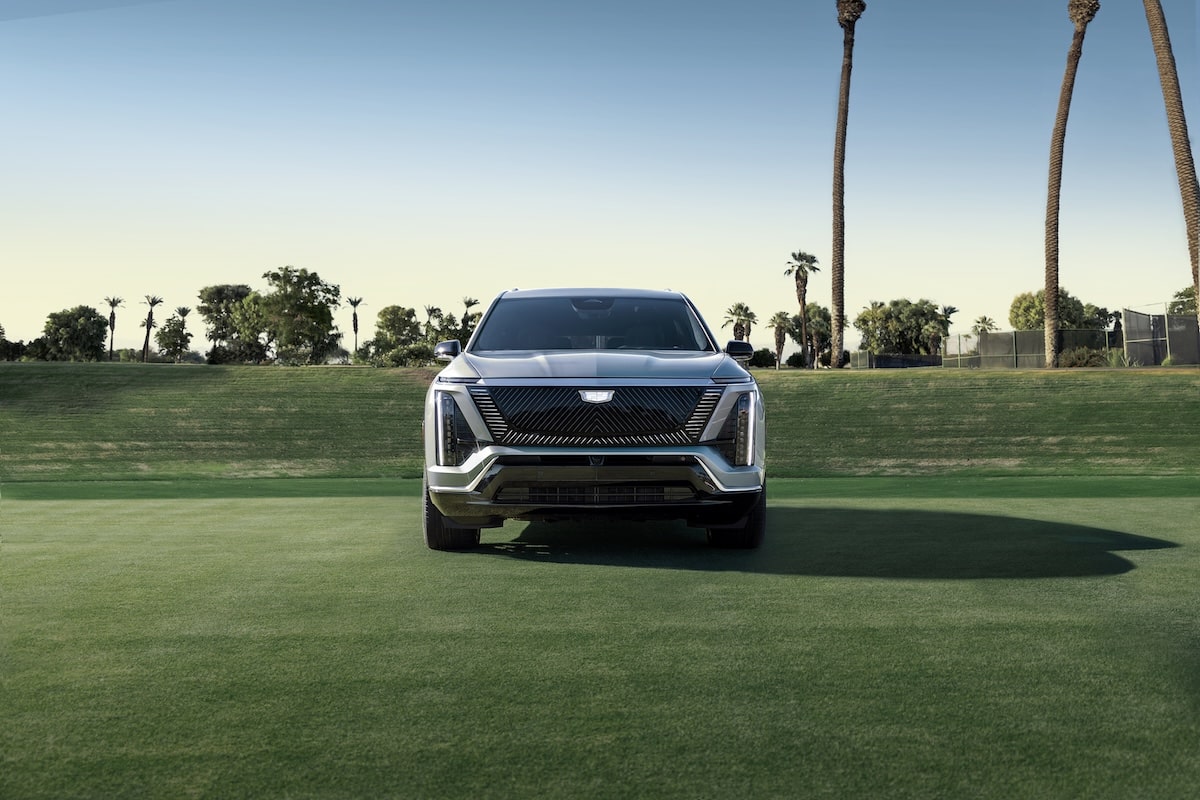
The point isn’t that GM isn’t building good cars. In fact, it’s building some great ones. And the point isn’t that GM shouldn’t reward shareholders. But the best way to reward them over the long term is to build products people love, trust and want to buy again.
But a share buyback can’t stop a rattling Cadillac Vistiq from reminding its owner that he spent nearly $90,000 on a luxury SUV and has to live with the soundtrack of a washing machine full of cutlery for two years.
And no amount of financial engineering will make that sound luxurious. or tempt my friend to look at another Cadillac.
Editor’s note: This column originally appeared in The Car Collective Substack.