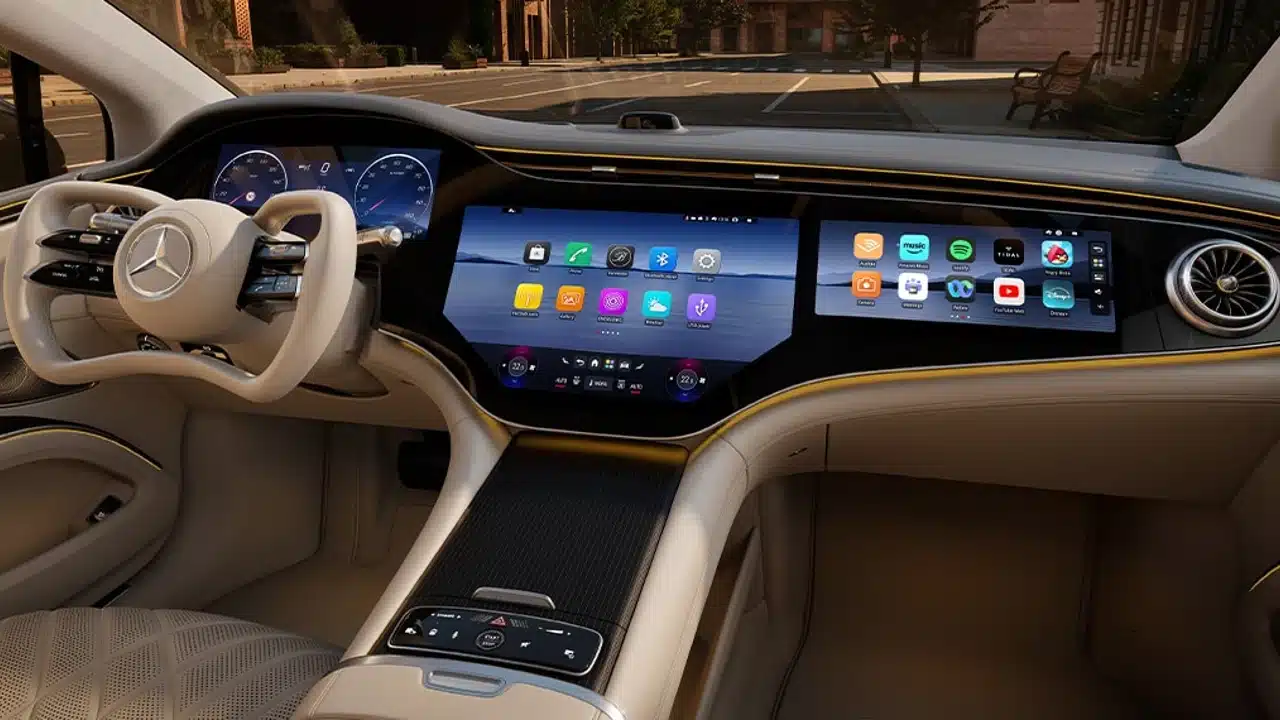
The modern automobile has become a technological junk drawer. It has touchscreens, sensors, driving modes, mood lighting, electronic nannies and enough software to run a small government, which is unfortunate because small governments are already expensive, irritating and prone to malfunction. Somewhere along the way, automakers decided that building a good car wasn’t enough. The result is a vehicle that can adjust its suspension, warn you about a car in your blind spot and illuminate the driveway with a theatrical welcome sequence, but may require three taps and a prayer to turn down the fan.
We’re rapidly approaching the day when starting the engine will require accepting cookies, agreeing to the terms of service and getting the Captcha correct.
Touchscreens Have Eaten the Car
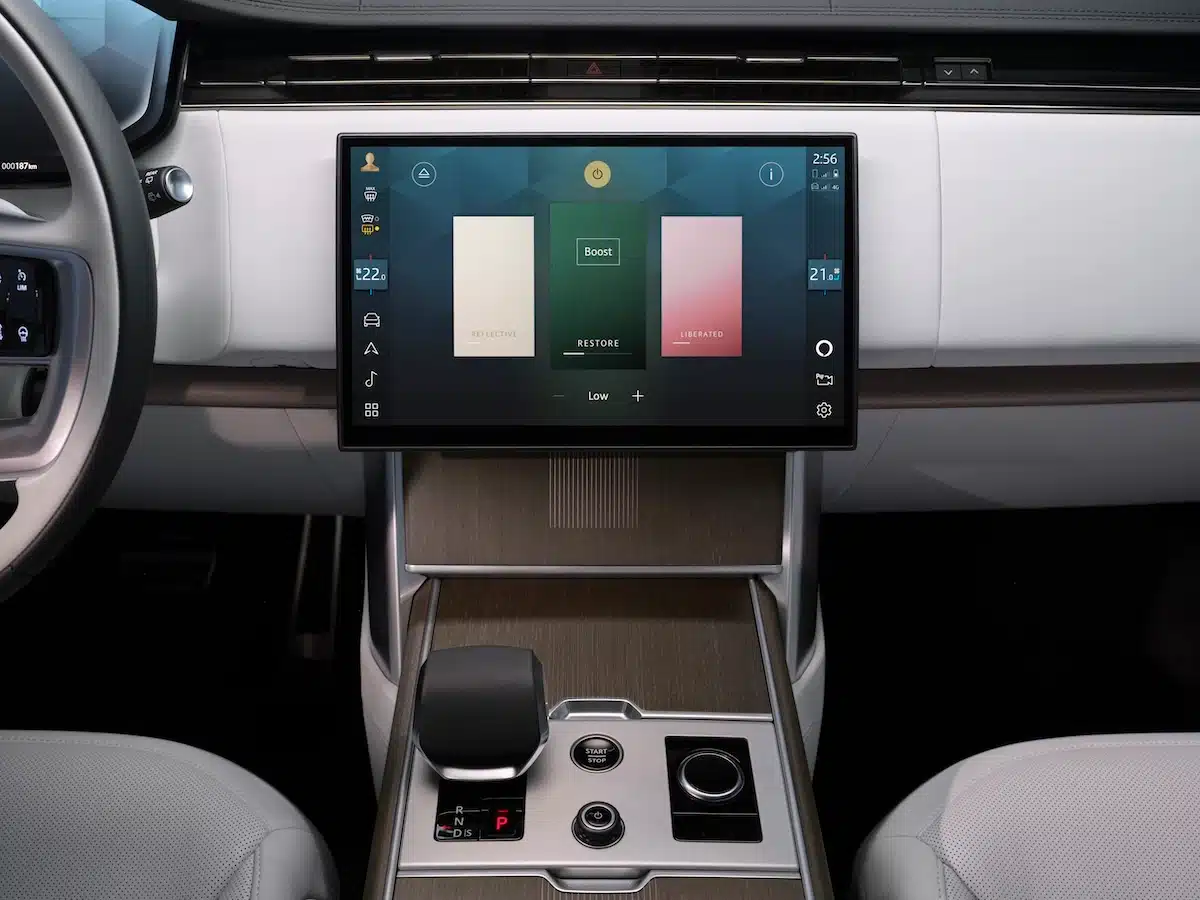
Once upon a time, cars had knobs. Now, automakers are installing enormous displays where everything resides, including functions that worked perfectly well before anyone thought to give the heater a software interface. And for what?
Most of us already carry smartphones that handle navigation, music, communication and entertainment. Automakers do not need mediocre facsimiles that will be outdated before the car is paid off. Let the phone do the computing and give the driver proper physical controls for the things that need immediate attention. A volume knob doesn’t require an app, a subscription or a software engineer. It never needs a reboot. It never freezes, loses its connection or greets you with an update takes 27 minutes. It just turns.
Six Driving Modes and One Driver Who Doesn’t Care
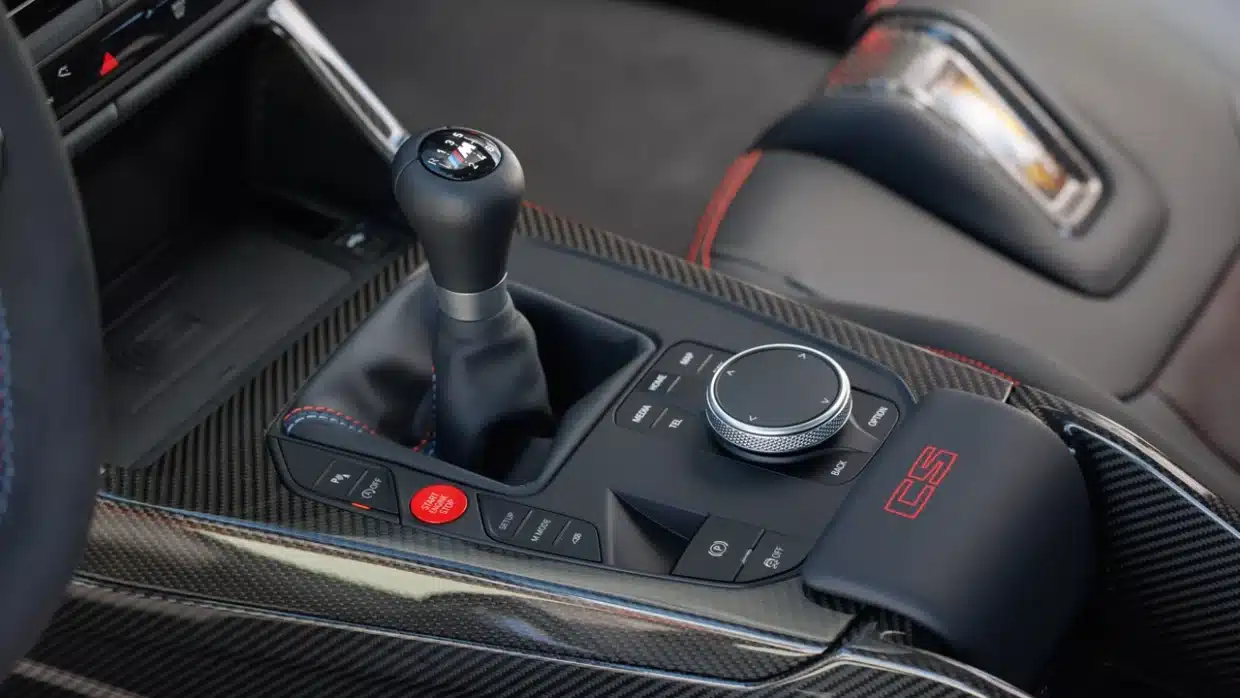
Then there are driving modes. Eco. Comfort. Sport. Sport Plus. Individual. Snow. Sand. Some modes serve legitimate purposes. Snow and off-road settings can help a vehicle adapt to difficult conditions. Adjustable suspension and powertrain responses can improve the driving experience. But most drivers simply want a car that rides comfortably, accelerates when asked and doesn’t behave like a sulking teenager. Give them a sensible default and a sportier alternative where appropriate. Nobody commuting to the office needs six personalities in a car. Most people struggle with one personality before their first cup of coffee.
Electronic Nannies With Bad Manners
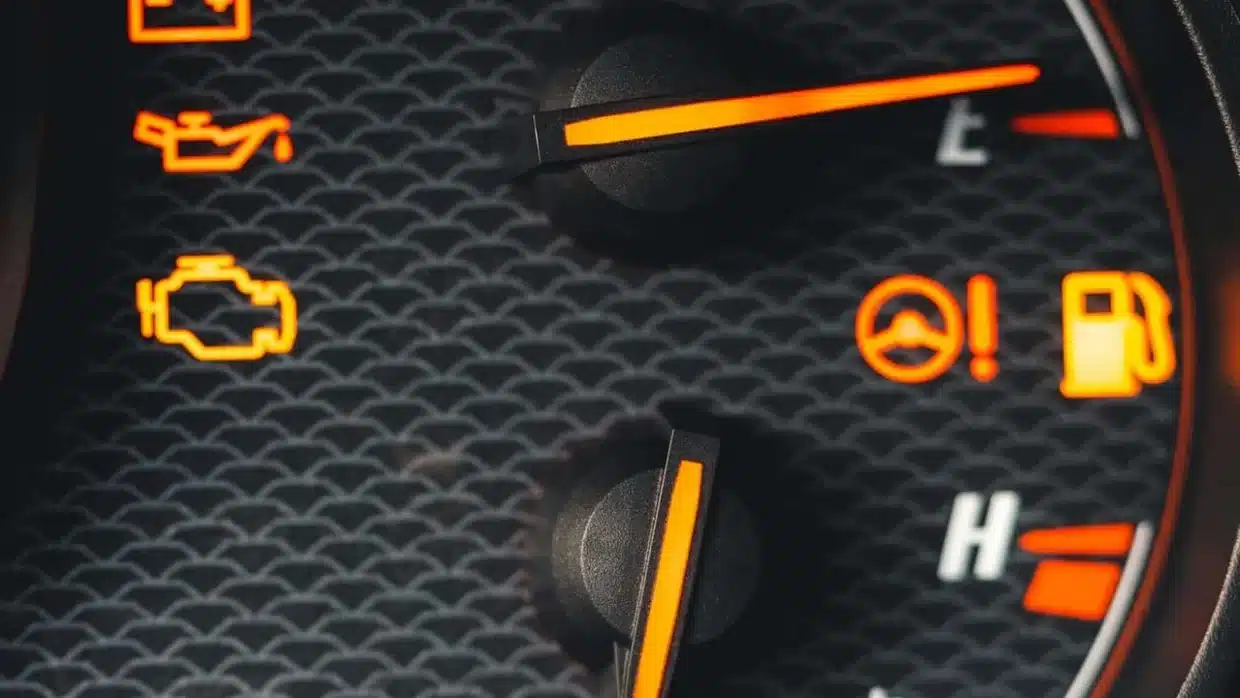
Automatic emergency braking, blind-spot monitoring and rear cross-traffic alerts can help prevent accidents. But their implementation matters. Lane-keeping systems can tug at the steering wheel. Speed warnings can become irritating when they misread signs. Alerts that arrive too frequently encourage drivers to switch them off. When we’re young, our parents told us what to do. Once we’re grown, our partners tell us what to do. Who asked the car to do the same? Apparently, the only thing modern cars haven’t learned to do is keep their opinions to themselves.
Welcome to the Automotive Disco
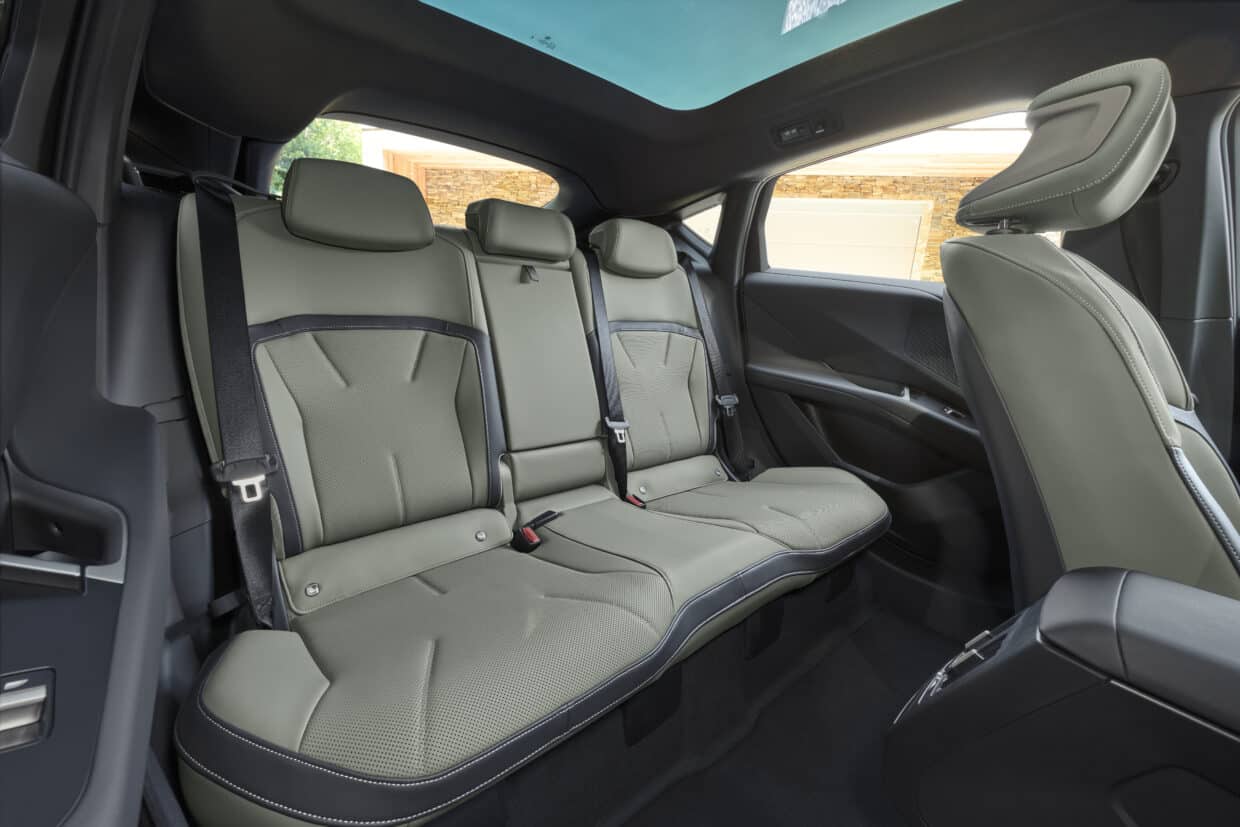
Luxury cars now must include multicolor ambient lighting, animated welcome sequences, illuminated grilles and panoramic glass roofs that turn the cabin into a sunroom. There’s nothing wrong with attractive interior lighting. But if your automobile needs to perform a light show before you’ve even backed out of the driveway, perhaps it has confused transportation with theatrical entertainment. SPeaking of light, a panoramic roof makes a cabin feel more spacious. In Detroit and Germany, where clouds prevail much of the time, it must seem like a good idea. Yet in sunny, hot weather, it turns the cabin into an air fryer.
The Subscription Shakedown
The auto industry has discovered subscriptions. The idea is infuriating. Buy the car, pay for the equipment, then pay again for permission to use it. Over-the-air updates can be valuable. They can fix problems and improve software. But charging recurring fees to unlock standard basic functions is a fine way to make customers wonder whether they own a car or merely lease a collection of corporate permissions. Imagine buying a house and discovering that the builder wants a monthly fee to let you turn on the kitchen lights. That’s the automotive subscription model, with better upholstery.
The Upshot
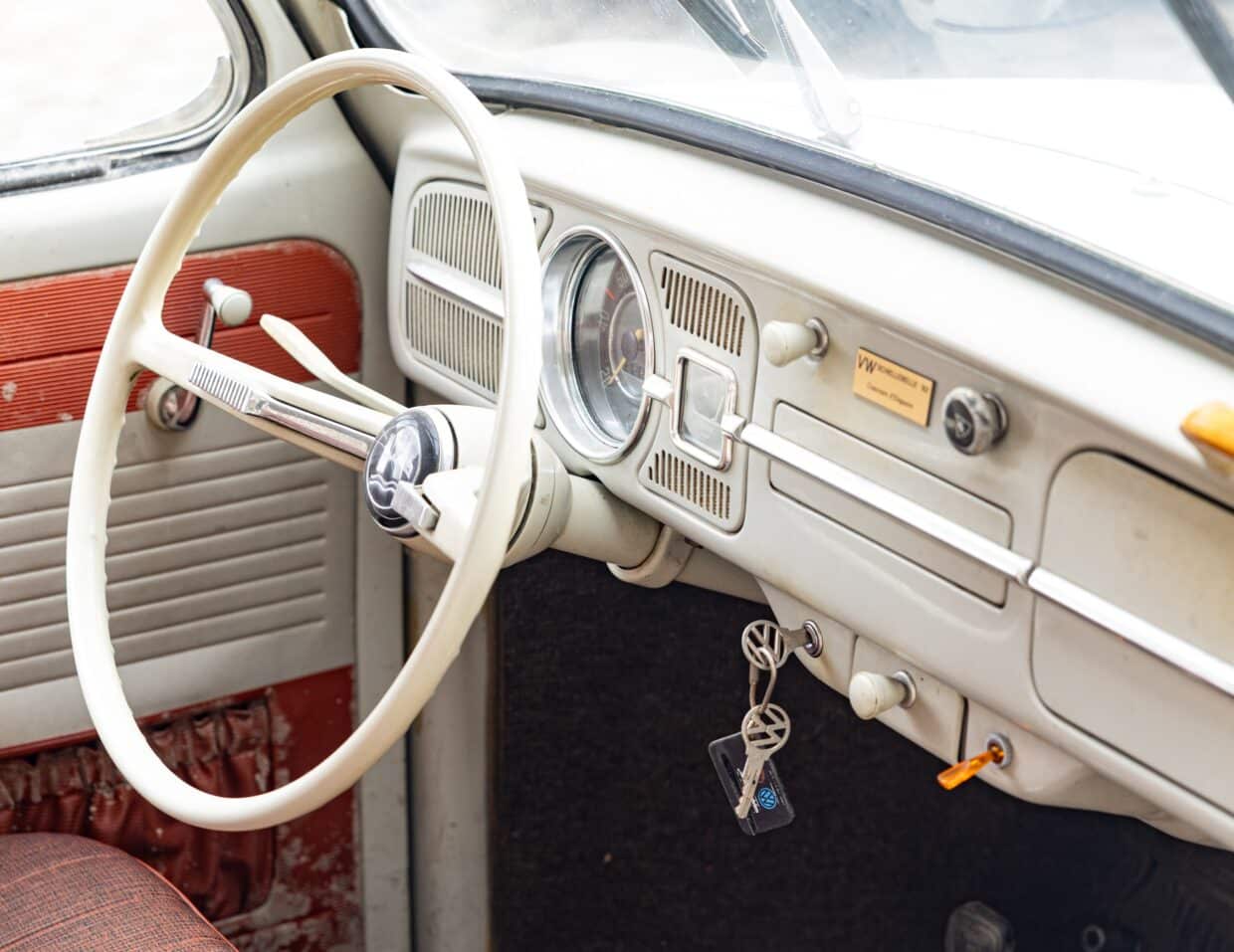
A good car needs sound engineering, comfortable seats, decent brakes, effective air-conditioning and enough horsepower to merge onto the highway without apologizing to traffic. Everything else should justify its existence.
Automakers have mastered the art of adding gadgets while forgetting to ask whether anyone truly needs them. The ultimate automotive innovation may be a car that lets you climb in, turn it on and drive without consulting a tutorial. In an industry determined to make cars do everything, perhaps the smartest thing a car can do is leave us alone. In an industry obsessed with adding more, they have forgotten that simplicity is the ultimate luxury.