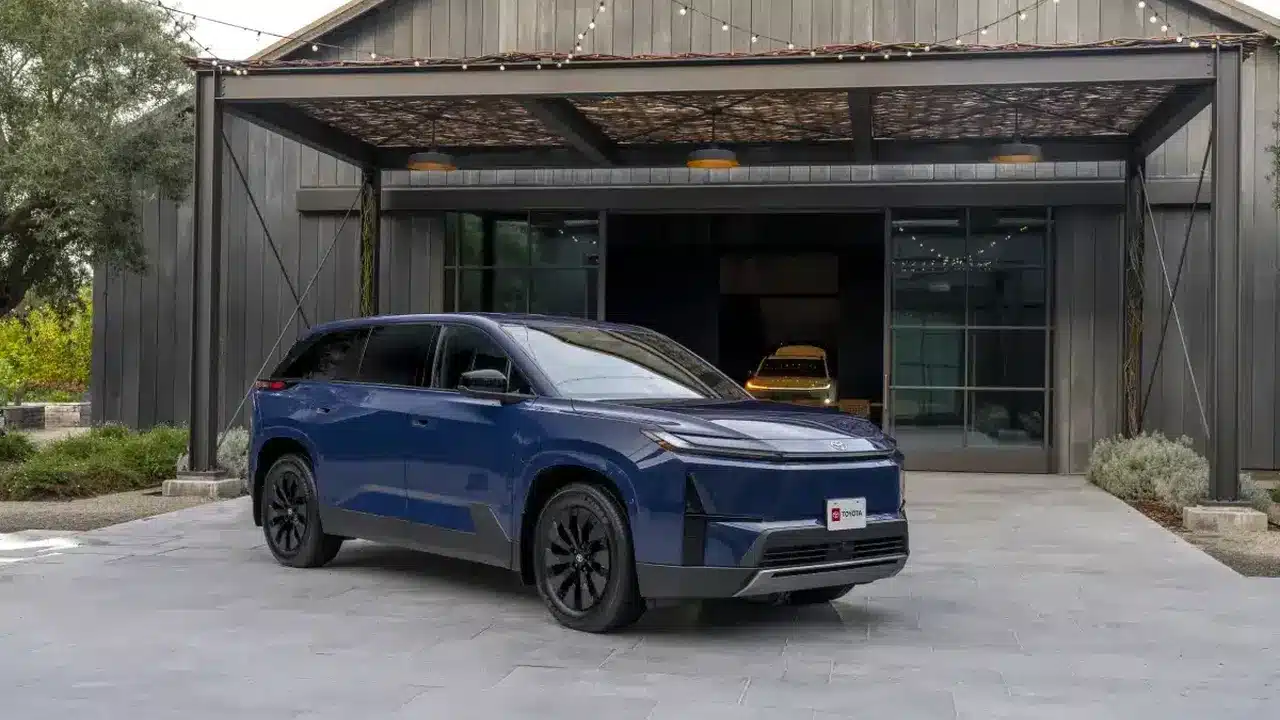
The 2027 Toyota Highlander is moving into the electric SUV market with three rows, a choice of battery sizes and planned U.S. assembly. Toyota’s announced specifications give shoppers a first look at how it will fit alongside other family EVs.
This story is adapted from Cory Fourniquet’s original Pickup Truck + SUV Talk report, published February 10, 2026, with specifications checked against Toyota’s updated announcement.
Two trims, with front- or all-wheel drive
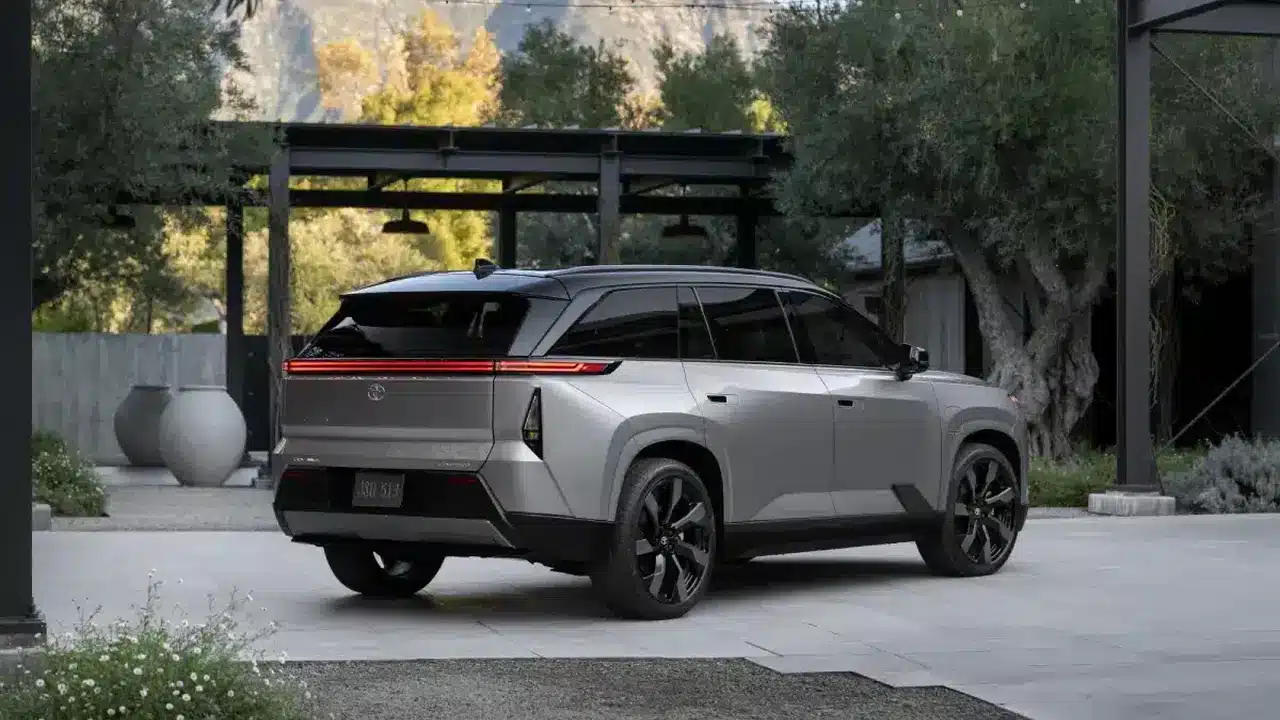
The 2027 Toyota Highlander starts a new chapter as an all-electric three-row SUV. Toyota announced XLE and Limited grades, with front- or all-wheel drive on XLE and standard AWD on Limited. This is a new electric Highlander, distinct from the Grand Highlander nameplate.
The front-wheel-drive XLE has a stated 221 horsepower and 198 lb-ft of torque. AWD versions use two motors for 338 combined horsepower. Toyota lists front and rear motor torque separately at 198 and 125 lb-ft; those figures should not simply be added into a claimed combined torque rating.
The exterior follows Toyota’s newer EV design direction, with a broad stance, flush-style door handles and a full-width lighting treatment. XLE uses 19-inch wheels, while 22-inch wheels are available on Limited.
Battery choices, estimated range and charging
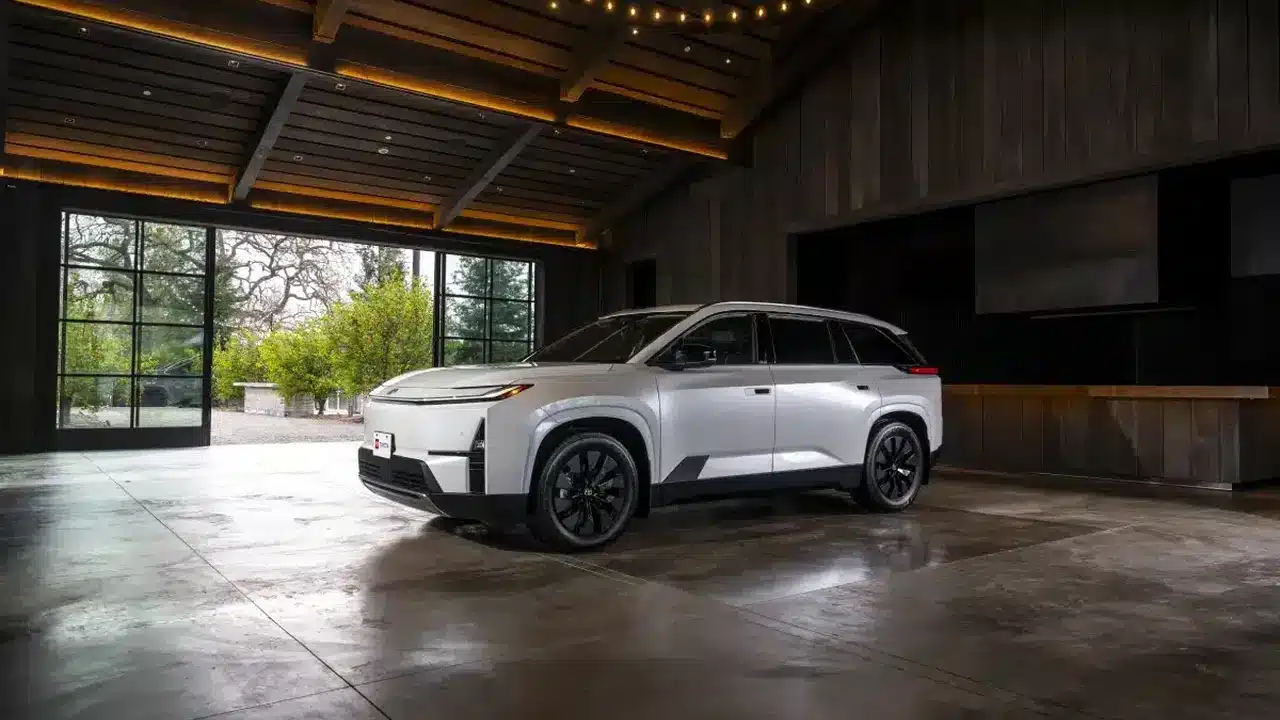
Toyota announced a 77-kWh battery for XLE FWD and an available 95.8-kWh battery for XLE AWD. XLE AWD is also offered with the smaller battery; Limited AWD uses the larger one. The manufacturer’s range estimates break down as follows:
XLE FWD with 77 kWh: 287 miles. XLE AWD with 77 kWh: 270 miles. XLE AWD or Limited AWD with 95.8 kWh: 320 miles. These are Toyota estimates, not EPA-certified ratings, and actual range varies with conditions.
A standard North American Charging System port provides access to compatible DC fast chargers. Toyota estimates a 10–80% charge in about 30 minutes under ideal conditions. Temperature, battery state and the charging station can change that time.
The Highlander also has vehicle-to-load capability for powering external devices. Toyota says additional bidirectional accessories are required; the announcement should not be read as a promise that the SUV can power an entire house without compatible equipment.
Three rows, up to seven seats and useful cargo figures
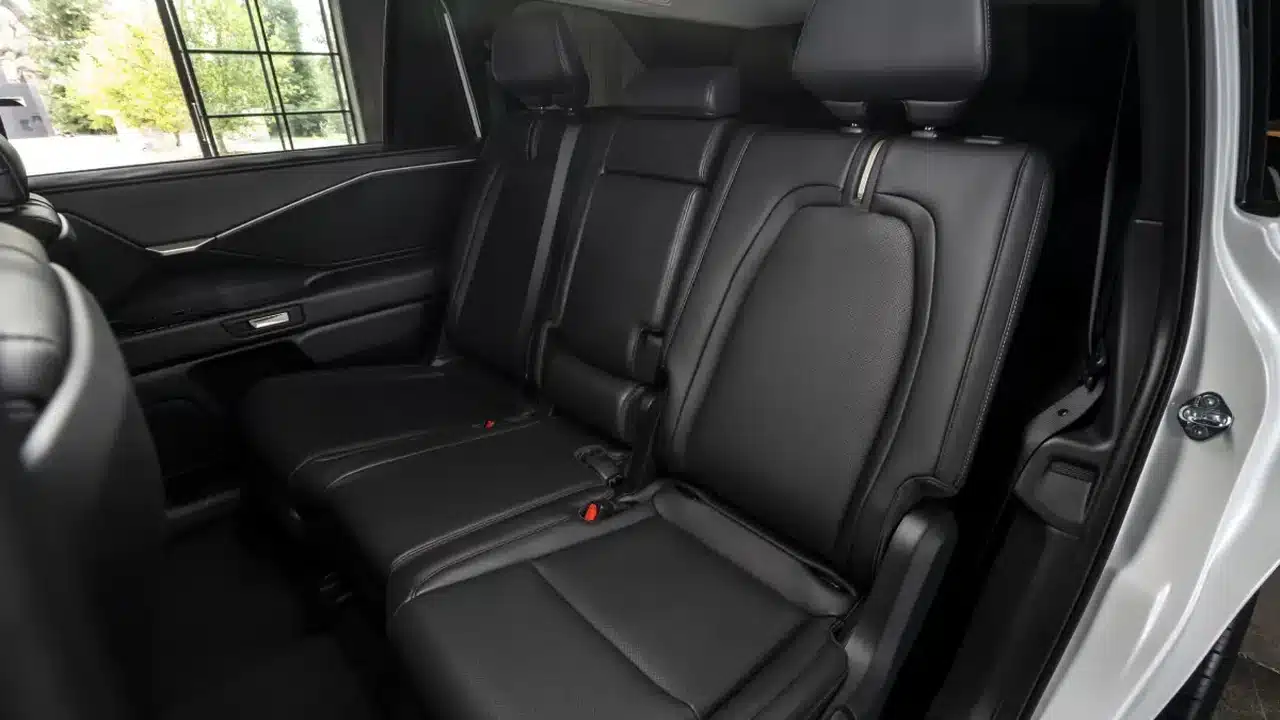
Second-row captain’s chairs and a two-seat third row provide six seats in the standard arrangement. An available second-row bench on XLE AWD raises capacity to seven. Heated front seats and SofTex upholstery are standard, while Limited adds ventilated front seats and heated outboard second-row seats.
Toyota’s announced dimensions are 198.8 inches long, 78.3 inches wide and 67.3 inches high, with a 120.1-inch wheelbase. Cargo volume is listed at 15.9 cubic feet behind the third row and 45.6 cubic feet with that row folded.
Those figures are worth checking against the people and luggage you regularly carry. Three rows do not automatically mean enough space for everyone’s bags, particularly with all seats occupied.
The cabin includes Toyota’s latest multimedia system, wireless Apple CarPlay and Android Auto, and Toyota Safety Sense 4.0 driver-assistance features. The assistance systems support the driver; they do not make the Highlander autonomous.
Kentucky assembly and the launch timeline
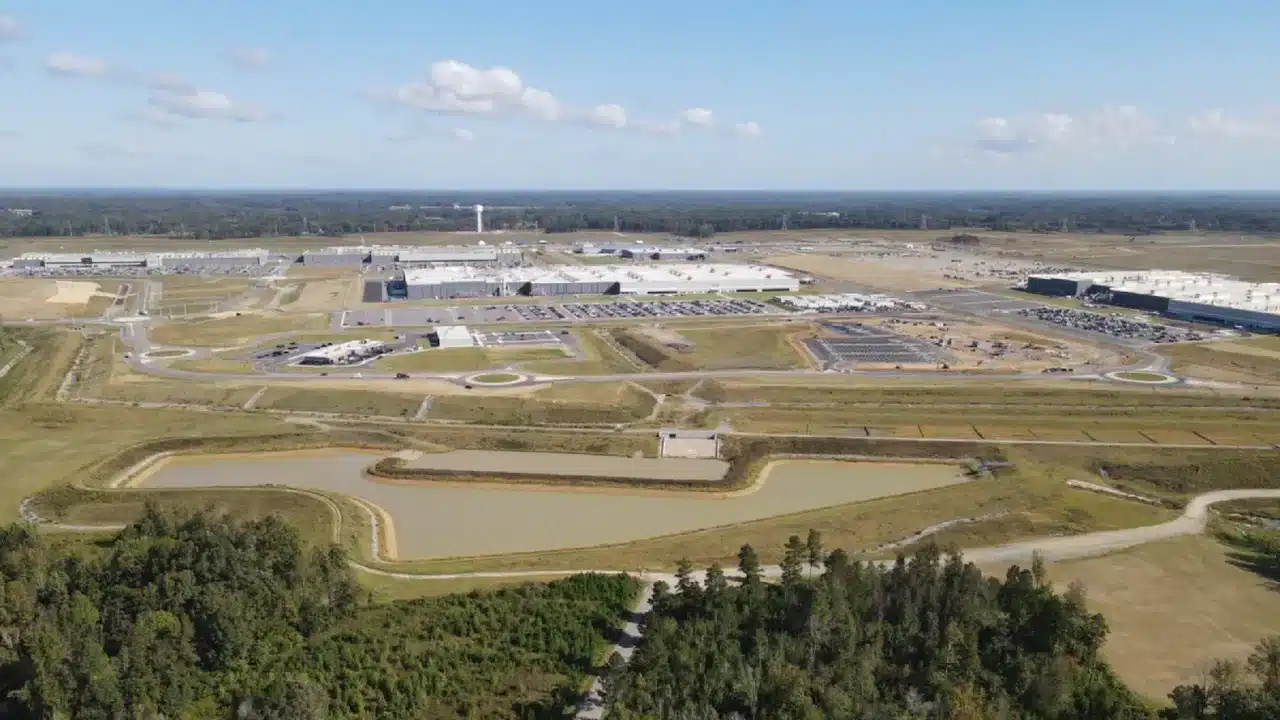
Toyota plans to assemble the new Highlander in Georgetown, Kentucky. Battery sourcing includes its plant in Liberty, North Carolina, and a U.S. supplier partner. The original report focused on North Carolina; Toyota’s announcement specifies both sources.
In its Highlander announcement, Toyota said sales were expected to begin in late 2026 and continue into early 2027, with pricing to be announced closer to launch. That is an expected rollout window, not a guaranteed delivery date for an individual order.
The electric Highlander enters a growing three-row EV field that includes the Kia EV9 and Hyundai Ioniq 9. For another example of how that segment is developing, see our 2027 Ioniq 9 Black Ink coverage.
For Toyota shoppers, the main decision is whether the announced seating, charging requirements and estimated range suit daily use. Final vehicle pricing and the equipment on the actual order remain important pieces of that comparison.