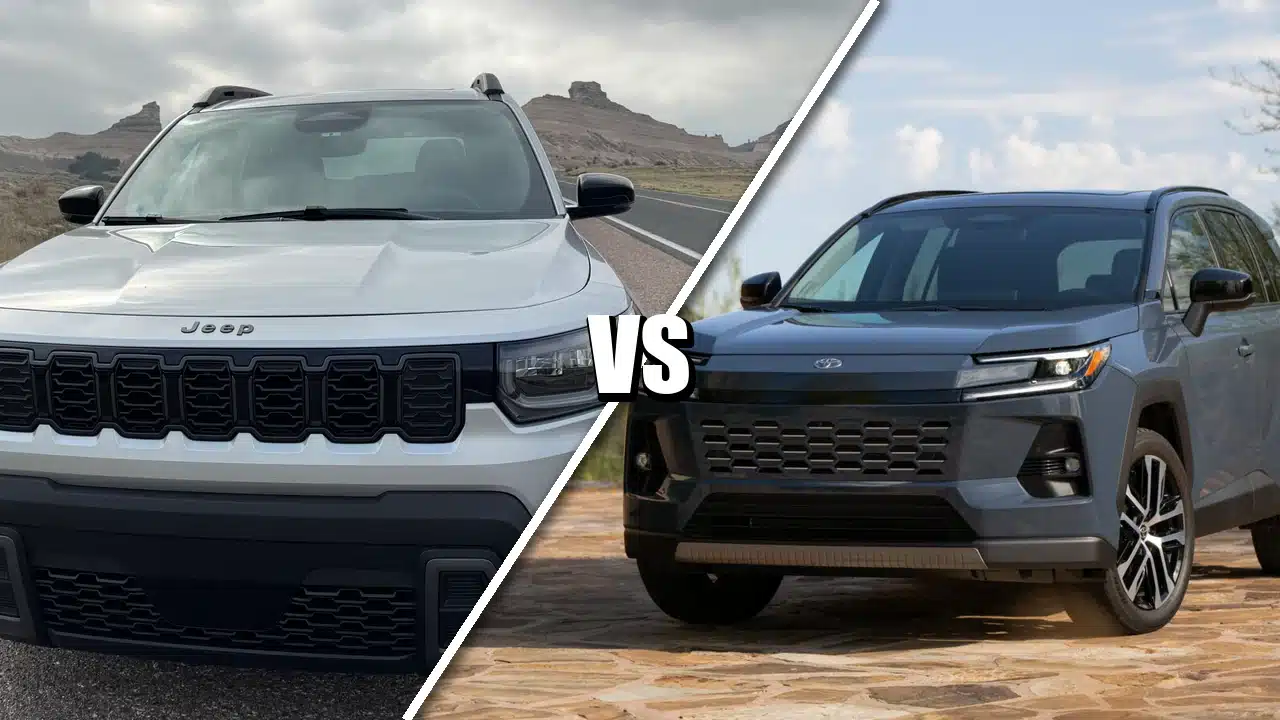
Cory chose the base 2026 Jeep Cherokee for his first drive because he wanted to see what buyers actually receive without paying for the top trim. Tim Esterdahl drove a very different starting point: the redesigned 2026 Toyota RAV4 Limited, loaded with convenience equipment.
Putting those reviews together raises a useful shopping question. How much of a more expensive compact SUV improves the daily drive, and how much is equipment you can live without? These were separate first drives by different reviewers, not a same-route comparison or a price-matched contest.
Jeep keeps the hybrid fundamentals in the base model
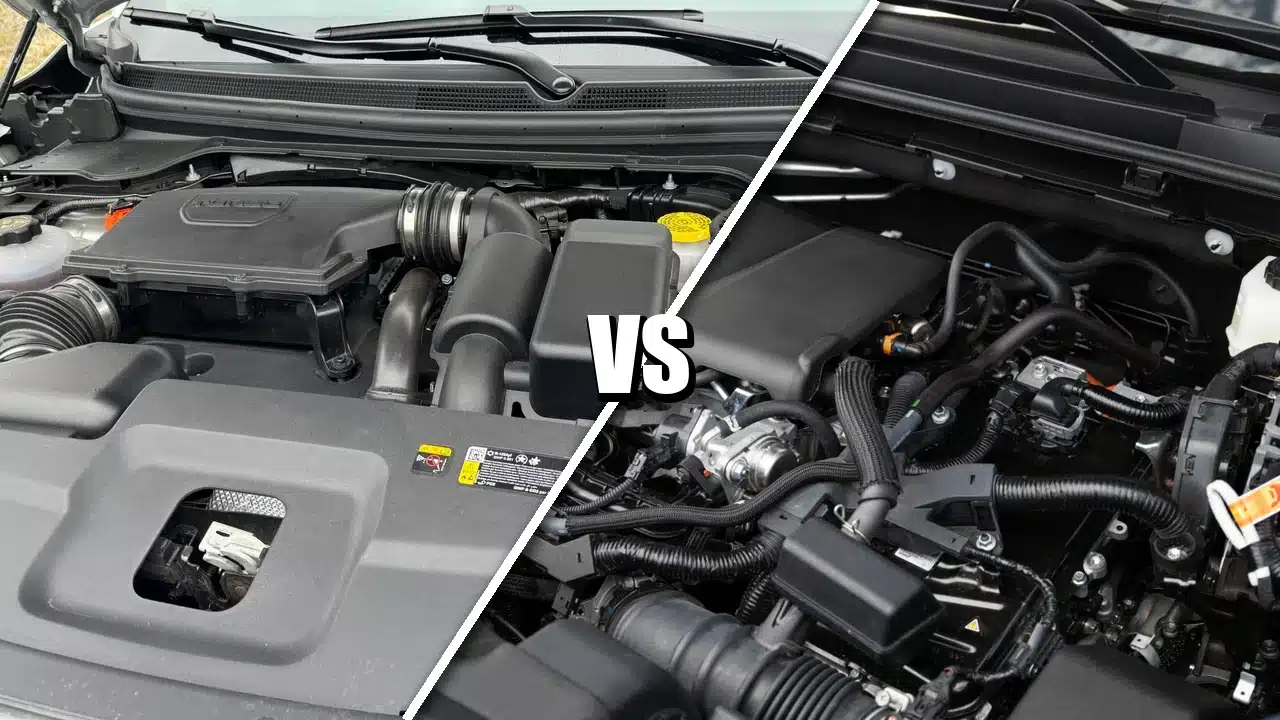
Cory's Cherokee had the same basic hybrid powertrain available throughout its lineup. His choice of the least expensive trim mainly changed comfort and convenience equipment rather than replacing the engine with a weaker entry-level option.
On the highway, he found it willing to merge and pass. The transition between engine and electric assistance felt unobtrusive, and he liked how naturally it responded to normal inputs. As a former Cherokee owner, he also noticed how much more substantial the new vehicle felt than the one his family had owned.
Tim found the RAV4 Limited's acceleration smoother and more linear than the previous RAV4 generation during his drive. That is a comparison with the older Toyota, not a direct performance victory over Cory's Jeep. The RAV4 Limited reviewed here was the conventional hybrid, not a plug-in model.
Both videos support the idea that a hybrid can be a straightforward daily vehicle without asking the driver to manage charging. They do not provide matched acceleration runs, long-term reliability evidence or a controlled fuel-economy result. A short trip-computer reading should not be presented as an ownership average.
Cloth seats and a manual liftgate are not deal breakers
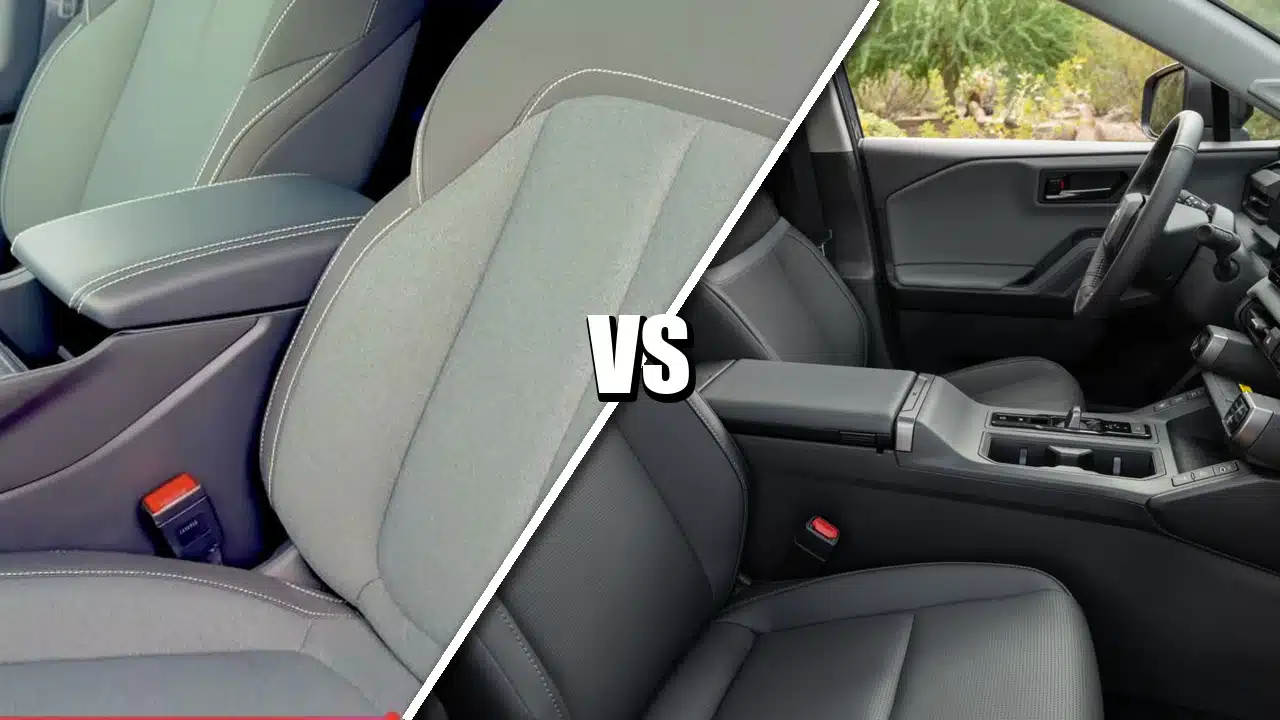
The Cherokee's cloth upholstery, manually adjusted driver's seat and manual liftgate made its base-trim position clear. Cory did not have the heated and ventilated seating he personally would have liked. Nevertheless, he found the seats comfortable and did not feel that the missing luxury features spoiled the drive.
Its tested price was $37,590, with the optional silver paint identified during the walkaround. That figure should stay attached to this particular vehicle. It is not a quote for every Cherokee on a dealer lot.
The RAV4 Limited brought a different level of equipment. Tim demonstrated features including heated rear outboard seats, a panoramic roof and two wireless phone-charging pads. Those are useful conveniences for the right household, but their presence does not prove that the basic Jeep is missing something essential.
A fair purchase comparison would either equip the Cherokee more generously or move down the RAV4 range, then compare the actual quotes. It is easy to make a base vehicle look sparse next to a top trim. The more useful question is which omitted features you would notice every week.
A large screen still needs to work reliably
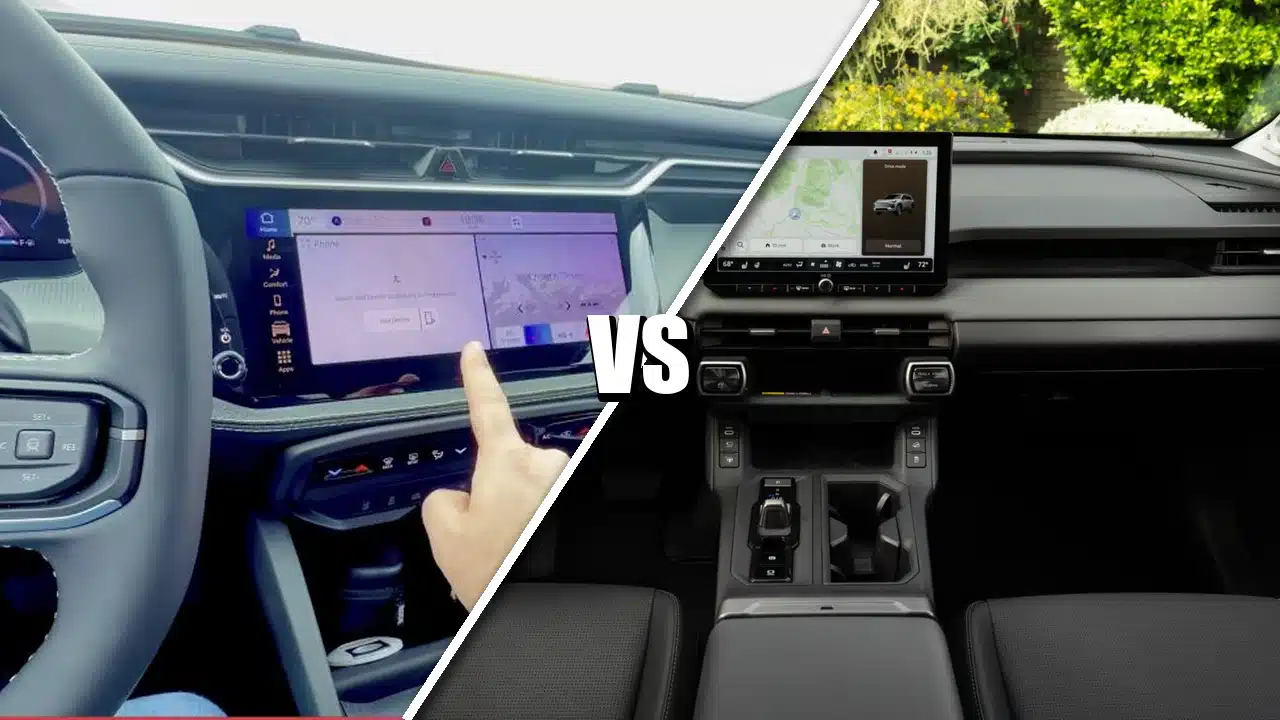
Cory liked the Cherokee's straightforward dashboard layout and the fact that the base model retained useful digital displays and phone integration. He did not consider the lack of built-in navigation a major sacrifice because he could use his phone.
He did encounter an annoyance: his wired phone connection dropped out briefly on more than one occasion before his maps returned. That belongs in the story as an observation from his test vehicle. It should not be inflated into a claim that every Cherokee has a defective infotainment system.
Tim's RAV4 Limited had the newer Toyota multimedia interface and a different center-console arrangement, including its compact shift selector. He spent time demonstrating how those controls worked. Shoppers coming from an older SUV should do the same before assuming a larger display automatically makes daily tasks easier.
Connect your own phone, start the navigation app you normally use and try the climate controls while parked. The best interface is the one that handles your ordinary tasks consistently. An equipment list cannot answer that on its own.
Try the second row before buying the extras
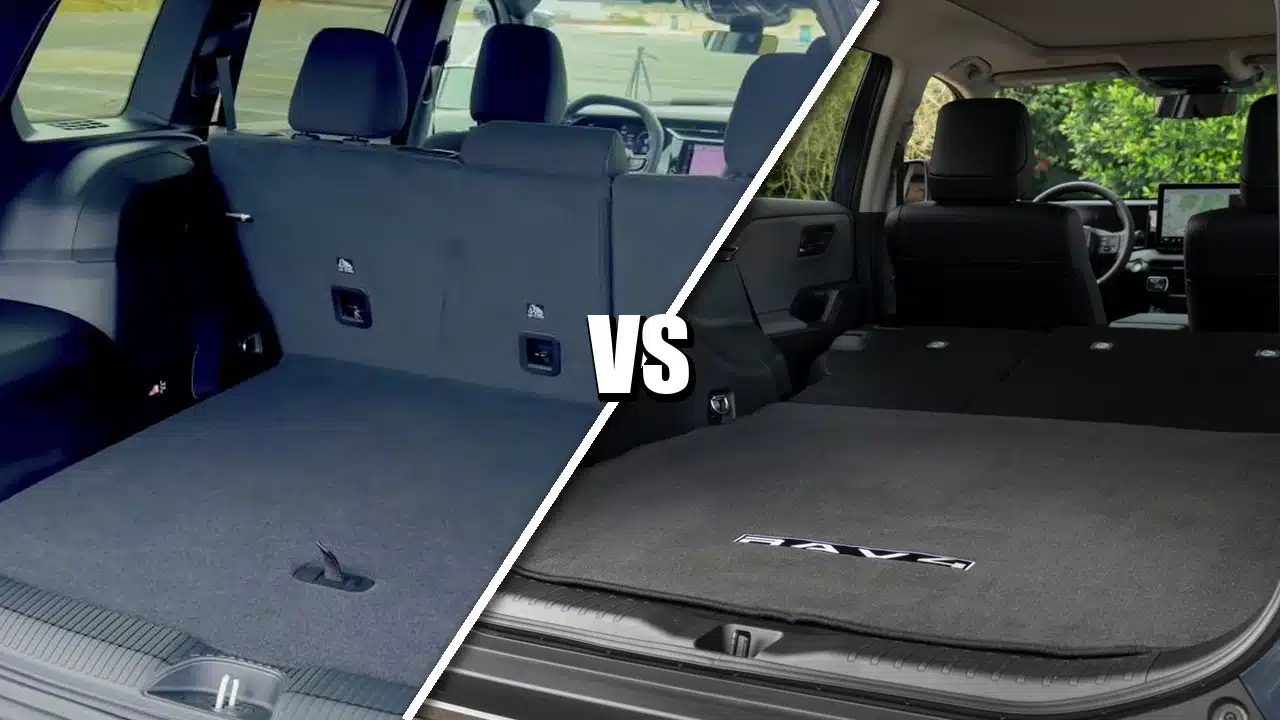
The Cherokee's roomier cabin stood out to Cory because space had been a complaint with his previous family Cherokee. He found ample room sitting behind his preferred driving position and liked the open, airy feel. Rear air vents remained present even though some extra rear-seat amenities did not.
Tim also found the RAV4's cabin and seating comfortable during his first drive, and he explored its storage and cargo arrangements. The two videos did not use the same passengers, luggage or child seats. They cannot settle which one carries your family better without that practical check.
The Jeep's electronic door releases and the Toyota's updated controls are further reasons to have everyone who will use the vehicle try it. A purchase that seems sensible from the driver's seat can feel different to a rear passenger or a partner unfamiliar with the controls.
Cory's base Cherokee review makes a strong argument for starting with the least expensive version that meets your needs. Tim's Limited review shows what additional equipment can add. Neither approach is wrong. Compare similar trims, bring your regular passengers and spend money on the conveniences that genuinely improve your routine.
Based on Cory's base Cherokee first drive and Tim Esterdahl's RAV4 Limited first drive. The Cherokee video includes a ScreenProTech promotion.