
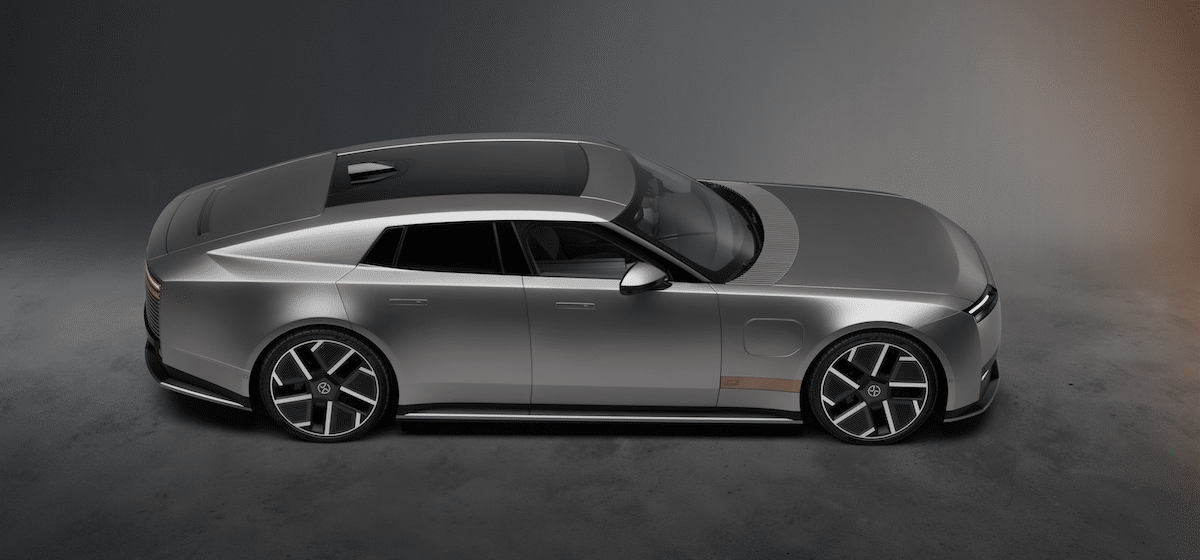
Jaguar has unveiled a new car, which in itself would not normally qualify as a civilization-changing event. But Jaguar isn’t calling the Type 01 merely a new car. It’s calling it the beginning of a “new era.” And so, the Type 01 arrives in New York amid giant digital displays, Florence Pugh, live music, haute cuisine and enough corporate poetry to make a French existentialist nervous.
The good news is that beneath all this theatrical nonsense is something rather more interesting: a Jaguar that looks like a Jaguar. Low. Long. Clean. And, mercifully, not designed by a committee whose only brief was to make an electric car look futuristic.
What Jaguar Has Wrought
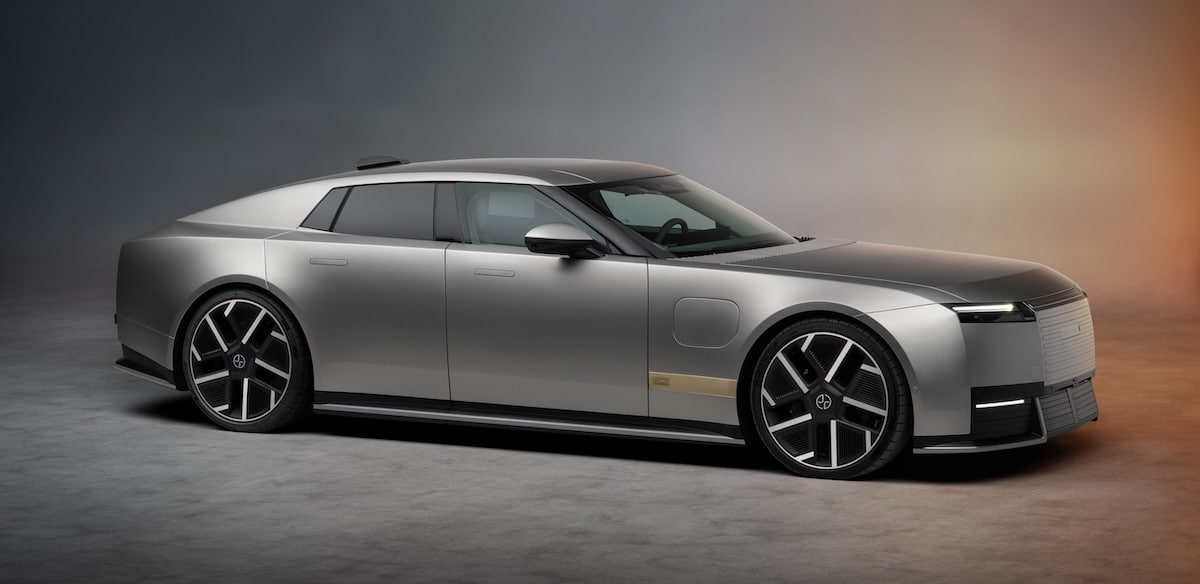
The Jaguar Type 01 is a four-door GT, the first production Jaguar built on the company’s new Jaguar Electric Architecture, or JEA.
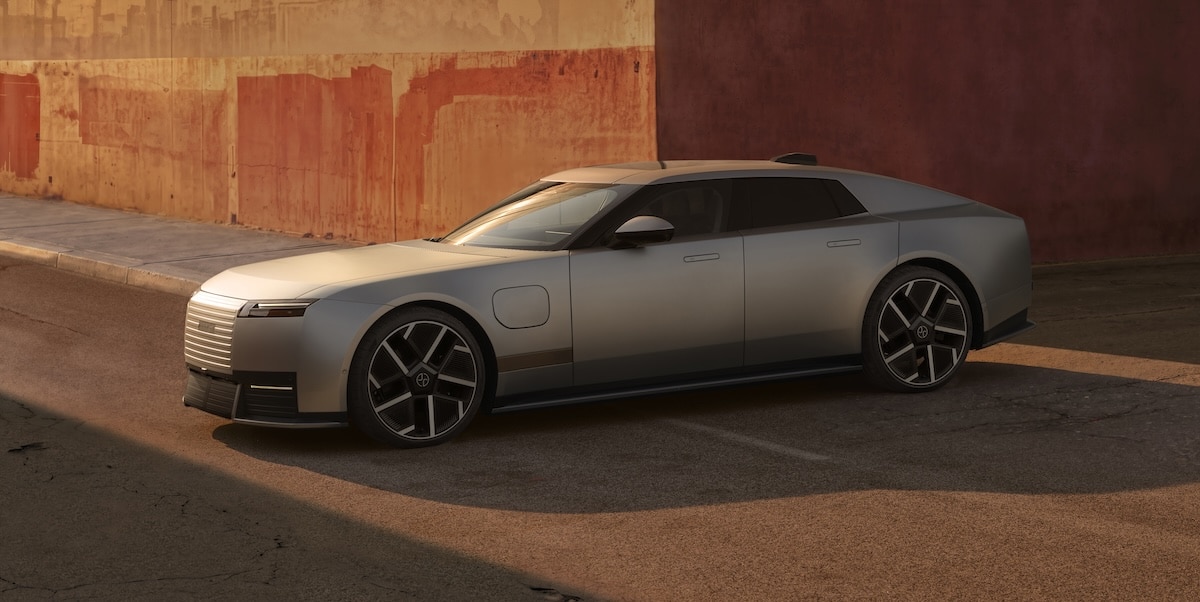
This matters because a dedicated electric platform gives Jaguar something it has not always had in abundance lately: freedom. Freedom to change the proportions. Freedom to rethink the interior. Freedom to make something that doesn’t look like the automotive equivalent of a compromise agreement. And Jaguar has used that freedom to create something decidedly dramatic. The roof is low, the hood long, the body sleek. The surfaces are clean, almost aggressively clean. You might even call it brutalist. Yet there’s no visual shouting, no desperate collection of creases, vents and aerodynamic gewgaws.
Instead, Jaguar has done something rather old-fashioned: It’s drawn a shape and stopped.
Lyons Knew When to Kill the Past
This is where Jaguar’s history becomes rather useful. Sir William Lyons was not particularly sentimental about design heritage when he thought something better was coming along. In 1961, Jaguar replaced the XK150 with the E-Type. Think about that for a moment. The XK-150 was an established Jaguar sports car. It had a recognizable shape and a recognizable place in the company’s lineup, having descended from the 1949 XK120. Lyons replaced it anyway.
And the E-Type didn’t merely succeed it; it made the XK150 look like yesterday’s news. Seven years later, Lyons replaced the Mark 2, S-Type and 420 with the radically different XJ6. After all, Lyons knew when to throw a design away. That’s the sort of confidence Jaguar has now. Because the Type 01 isn’t supposed to be another Jaguar. It’s supposed to be the first Jaguar of a new generation.
The company says its name makes that point rather laboriously. “Type” references Jaguar’s lineage. “0” represents zero tailpipe emissions. “1” marks the first of the new generation. So, its name is simultaneously a history lesson, an environmental statement and a product launch. Presumably the next model will be called the Type 02 and come with a small essay.
And Then There’s the Horsepower
Beneath all that clean bodywork is Jaguar’s bespoke electric architecture. It produces more than 1,000 horsepower courtesy of 260-kW front and twin 310-kW rear motors, which is ridiculous. Wonderful, but ridiculous.
There was a time when 1,000 horsepower belonged to racing cars, dragsters and the sort of modified Nissan that caused the neighbors to reconsider their choice of neighborhood. Now Jaguar is putting it in a luxury four-door GT. And because electric motors deliver their shove immediately, there isn’t even the traditional courtesy period in which the engine gathers its thoughts.
Jaguar says the car has power in reserve, but the numbers suggest there is some justification for the bravado. The Type 01 uses an 850-volt electrical architecture that offers a claimed range of up to 400 miles with the optional 21-inch wheels (23s are standard) and a range of up to 320 miles during sustained highway driving at 75 mph. Using a 350-kW charger, Jaguar says its Nickel Manganese Cobalt battery pack can gain as much as 200 miles in as little as 13 minutes.
A New Jaguar, Wrapped in an Old Idea
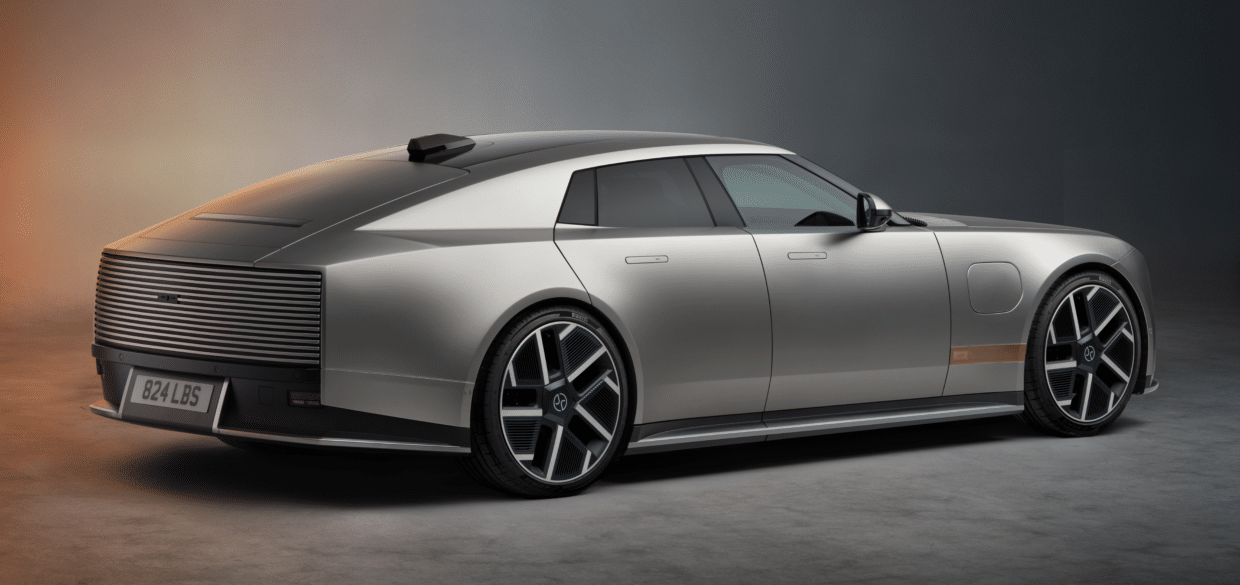
Jaguar says the Type 01 carries a clear visual lineage from the E-type and XJS. And thank God for that. Because the electric-car industry has decided that aerodynamic efficiency means making everything look like a refrigerator that had escaped from an appliance showroom. Jaguar has taken a different approach.
The Type 01 appears to have been designed by people who understand that a car can be an object of desire rather than merely an efficient way of moving a battery from one charging station to another. It’s a four-door GT, but the extra doors haven’t turned it into a slab-sided executive shuttle. And there are enough visual echoes of the E-Type and XJS to make the point without resorting to the usual retro nonsense of gluing yesterday’s grille onto tomorrow’s car.
This is supposed to be Jaguar’s future. And for the first time in decades, it actually looks like one.
The Inside Story
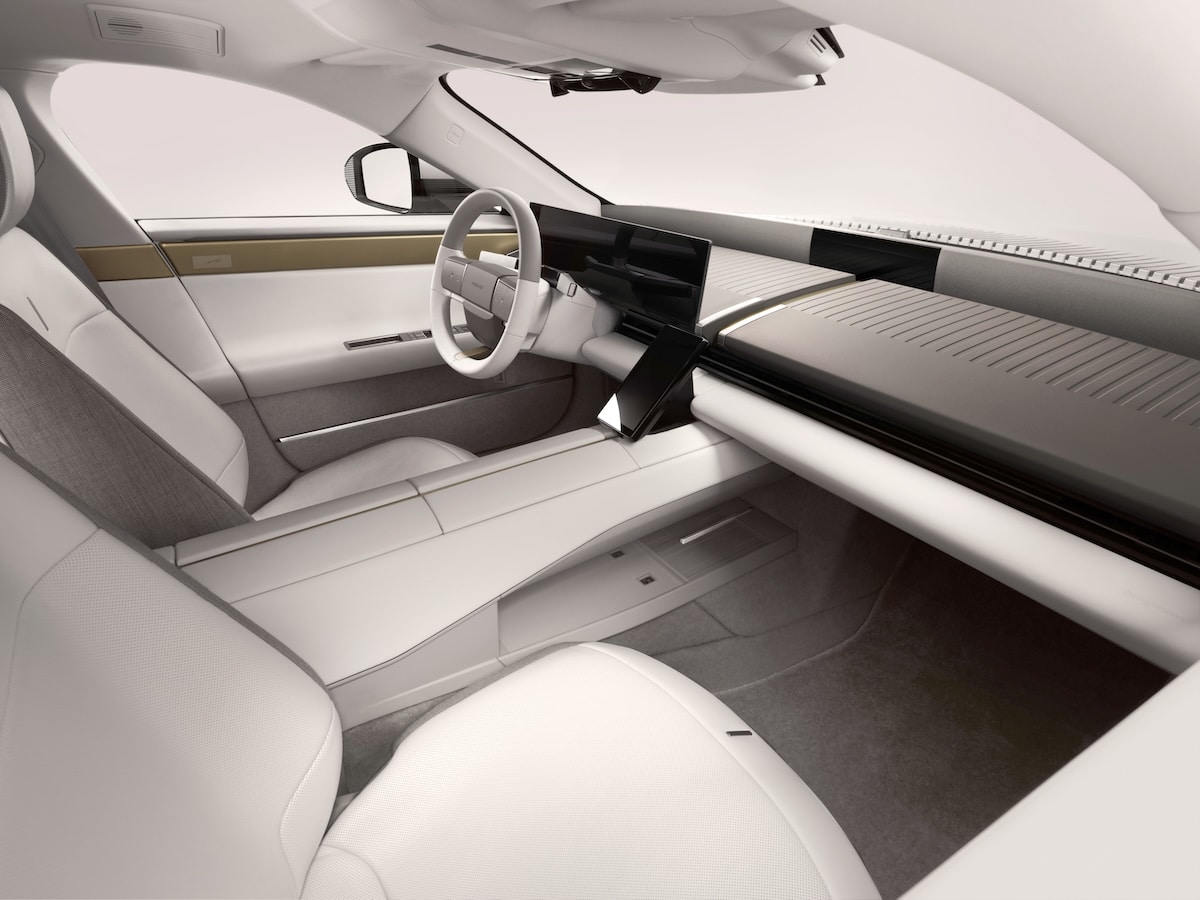
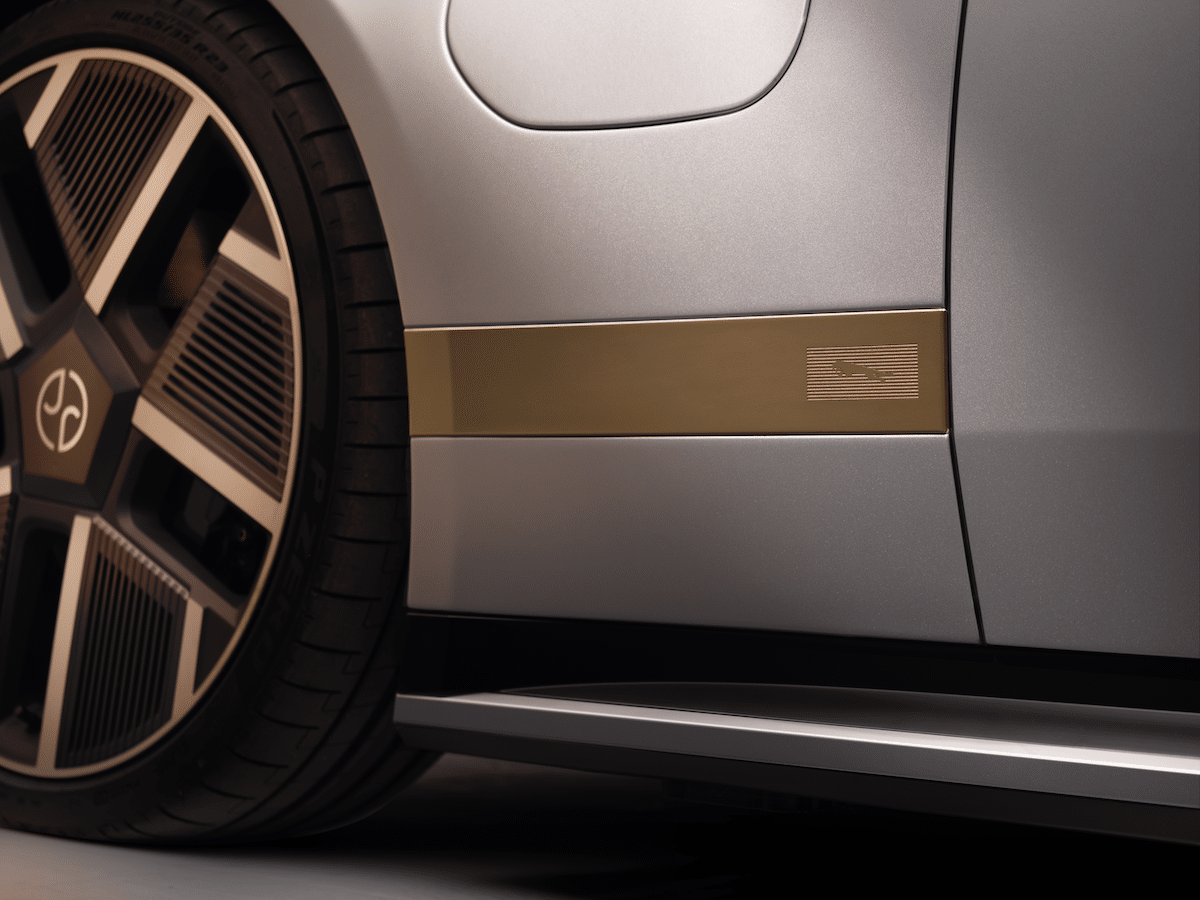
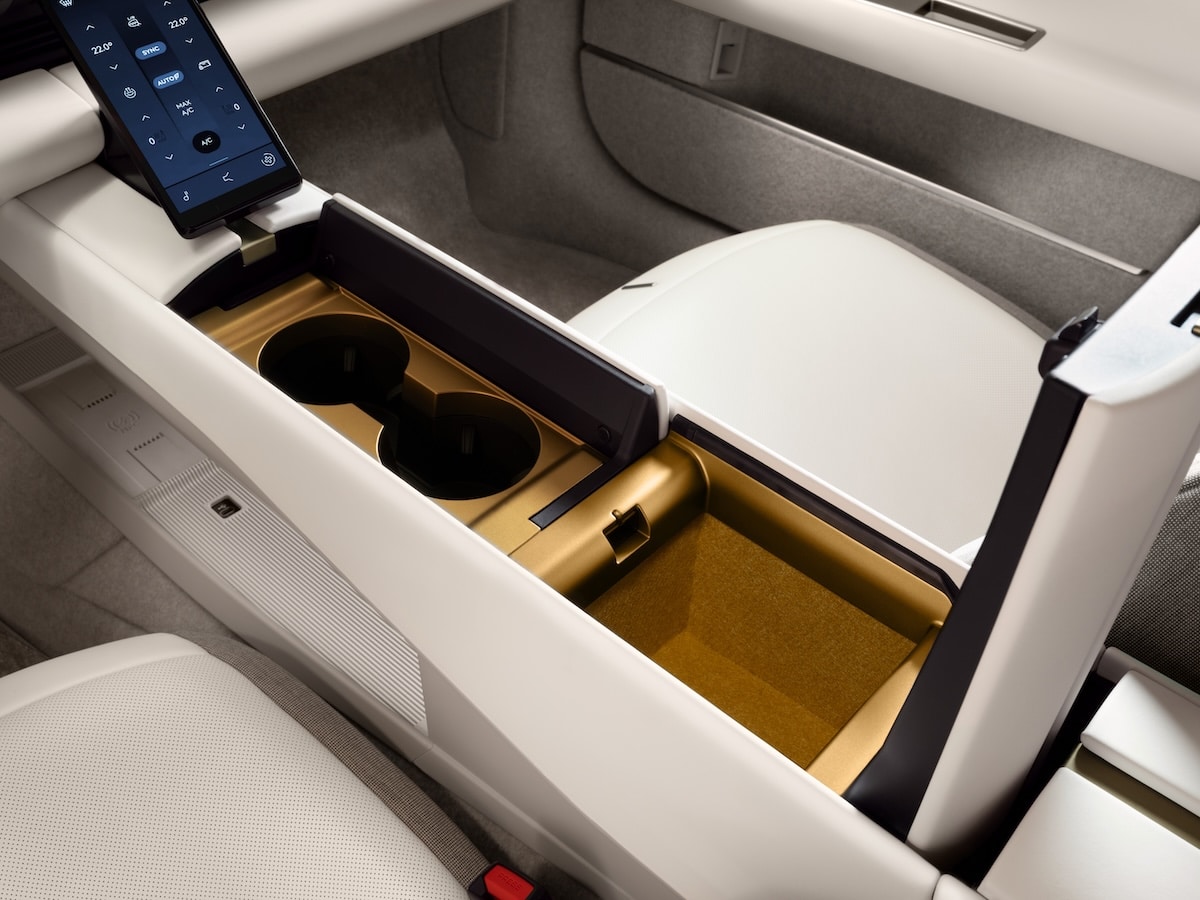
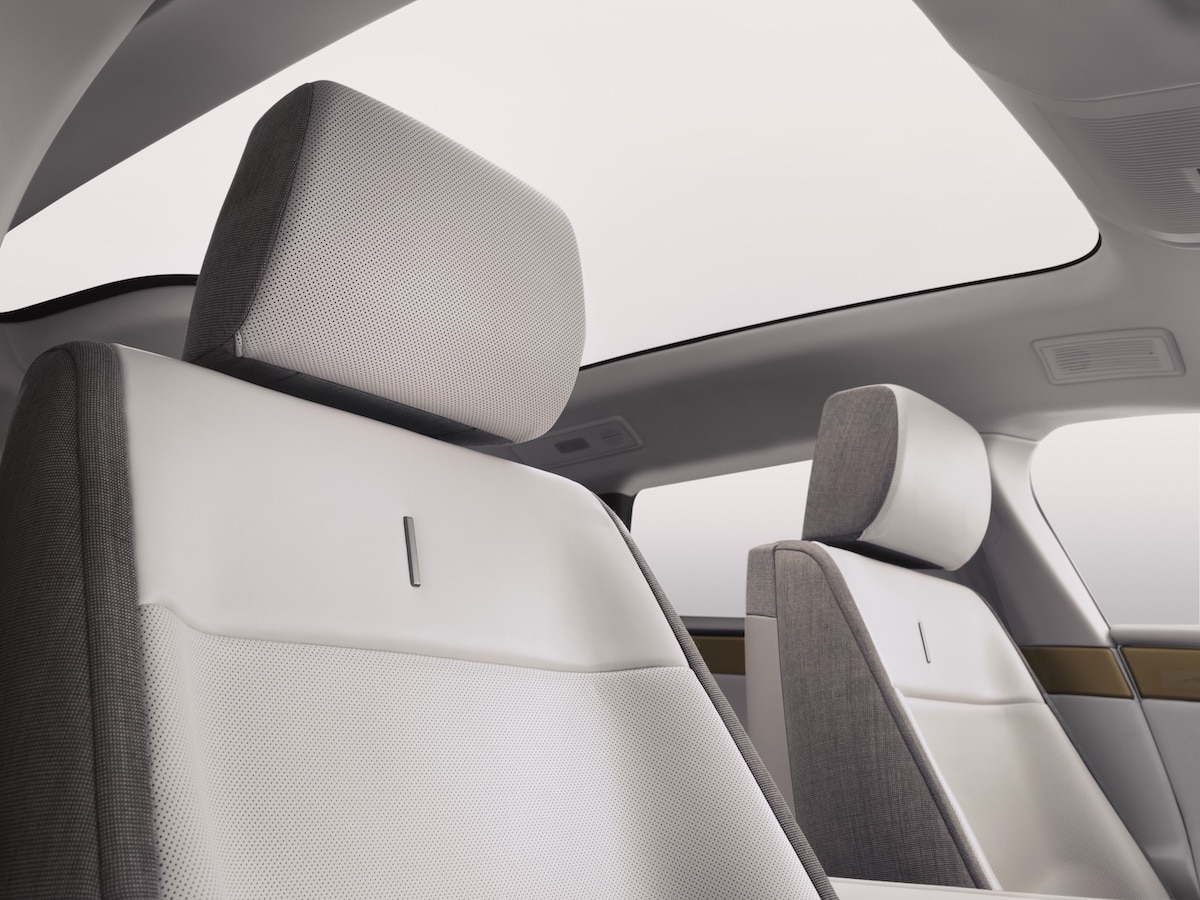
Inside, Jaguar has created a central spine running the length of the cabin, neatly dividing the occupants into their own little kingdoms. Along either side are brass-like strips stretching from front to back. While the front seat proves roomy enough, the heated and cooled rear seats are a bit cozy. It’s a reminder that the Type 01’s roof is low, the hood long and the proportions dramatic.
Then comes the technology. The driver gets a vast 24-inch OLED screen that provides all the information and controls, while a second seven-inch screen sits between the occupants for the things you’ll need most. Next there’s the sound system, which uses a full-width, full-range Panoramic Soundbar across the base of the windshield to create a wall of sound. Finally, there’s a panoramic glass roof with adjustable virtual blind, so the sun never sets on this bit of the British empire.
But you will need to pack lightly. Trunk space is 15.9 cubic feet.
The Hard Part Starts Now
All of this is relatively easy compared with convincing customers to spend at least $130,500 on one.
Jaguar says orders for the Type 01 will open in early 2027, with first customer deliveries expected in the second half of the year.
The starting price puts the Type 01 firmly into luxury-car territory, below that of Bentley and Rolls-Royce, but above the starting price of the Mercedes-Benz S-Class and BMW 7 Series. That’s exactly where Jaguar wants to be and perhaps exactly where it needs to be. Because the company isn’t trying to make the world’s most sensible electric car. It’s trying to make a Jaguar. That means drama, presence and making something that causes people to turn around when it passes.
The Upshot
Jaguar says the Type 01 represents the biggest moment since the Jaguar name was born in 1935. That’s a spectacularly large claim. But then again, subtlety is not the Type 01’s forte.
Clean rather than fussy, dramatic rather than anonymous, brutalist rather than cluttered, Jaguar appears to understand that its future does not have to mean pretending its past never happened.
Sir William Lyons didn’t need to preserve every design tradition forever. The E-Type proved what could happen when Jaguar stopped worrying about what came before and built what it believed should come next. The Type 01 is attempting the same trick with electricity. Whether Jaguar has pulled it off remains to be seen.
But at least the company has finally produced something worth arguing about. And for Jaguar, that may be the most encouraging sign of all. Because after years of talking about the future, Jaguar has finally put something from that future on four wheels.