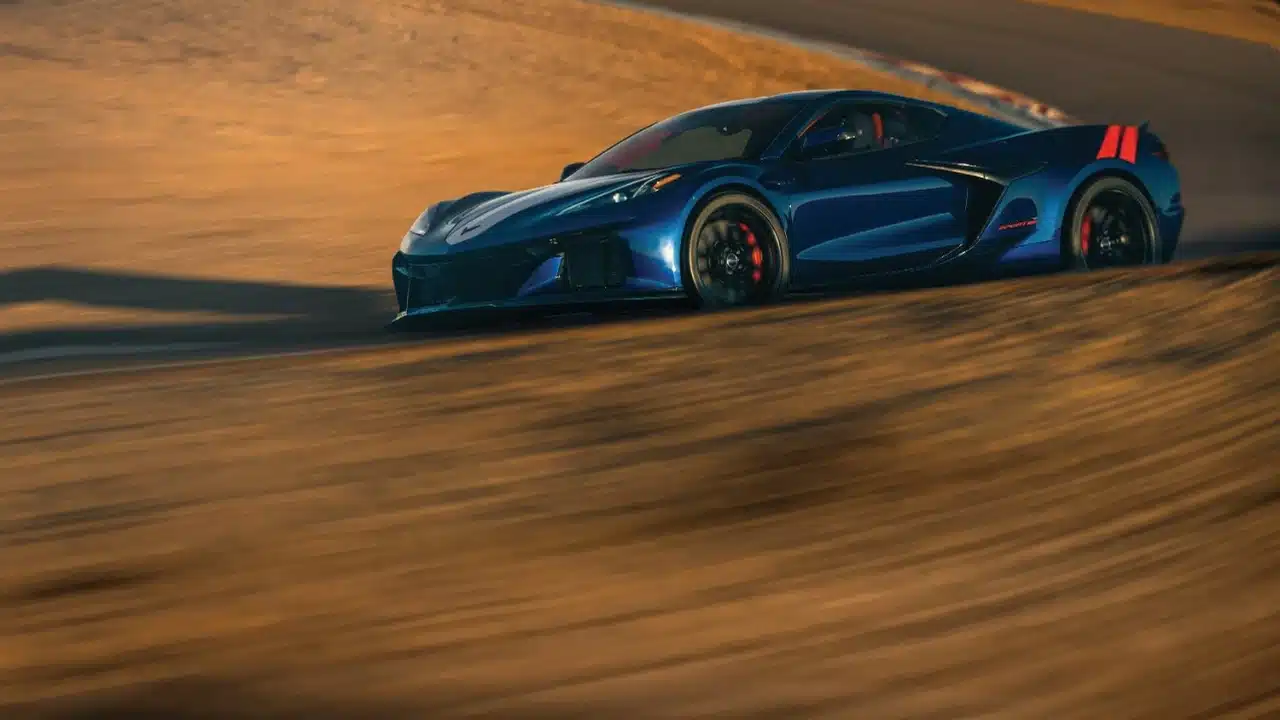
A brand-new Corvette should give you a reason to stare at the engine, not check the garage floor. Yet GM has issued a service bulletin addressing a possible oil leak in the 2027 Chevrolet Corvette’s new 6.7-liter LS6 V8. For buyers excited about Chevy’s next-generation small-block, that is an unwelcome early headline.
I understand why a story like this gets people talking about GM quality. Before declaring the new V8 a disaster, though, the useful question is what actually failed. GM’s preliminary-information bulletin PIP6132 identifies a potential leak where the oil cooler adapter meets the oil pan. Its prescribed fix is replacement of two seals.
Where the 2027 Corvette oil leak can appear
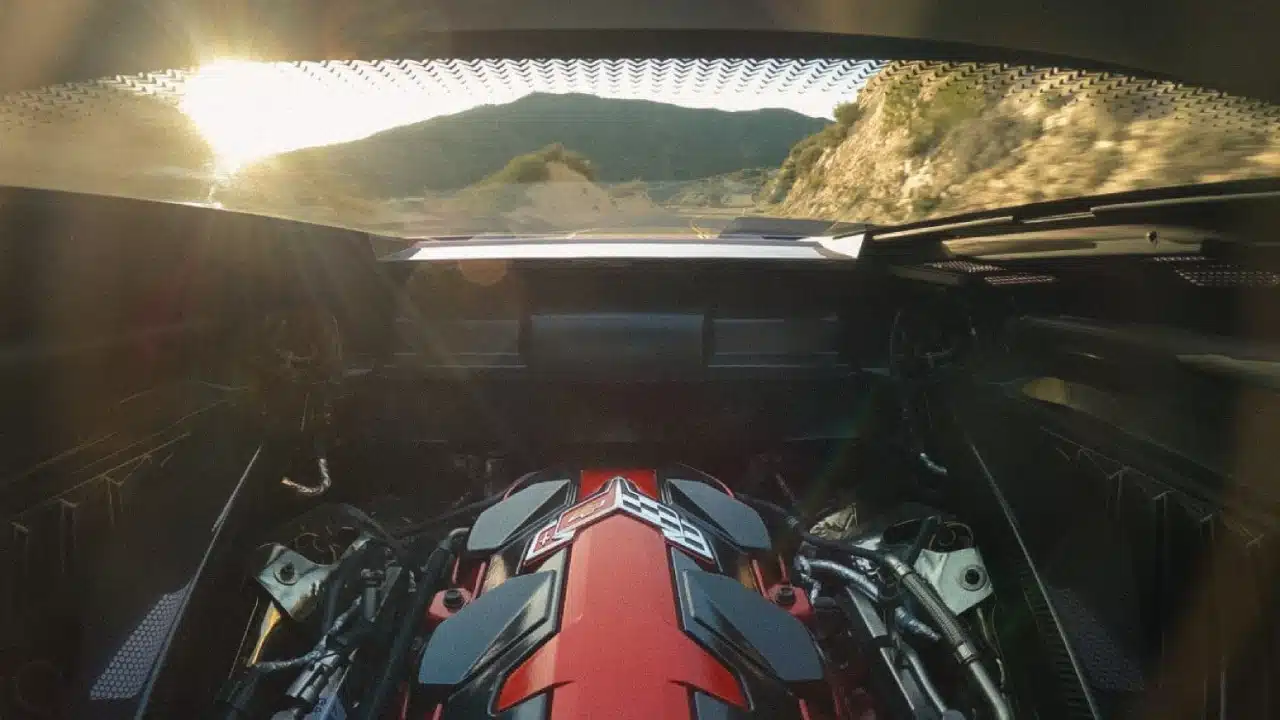
The bulletin covers North American 2027 Corvettes equipped with the 6.7L LS6, with no narrower VIN range specified. GM describes oil visible underneath the vehicle and possible bubbling at the adapter’s front or rear mounting area while the engine runs. It does not provide a count of affected cars.
This is a service bulletin, not a safety-recall announcement. It gives technicians a diagnosis and repair path; it does not establish that every vehicle listed has the problem. That distinction matters when a dramatic headline starts circulating without the underlying document.
GM’s repair centers on two seals
GM specifies two new oil-pan high-pressure-port seals, part number 12746274. Technicians do not need to separate the cooler from its adapter. The four adapter bolts must be tightened evenly in the illustrated sequence, first to 5 Nm (44 lb-in), then to 15 Nm (11 lb-ft).
Eligible repairs fall under powertrain coverage, with the dealer checking the vehicle’s warranty record. The bulletin lists labor operation 4030450 for engine oil cooler adapter replacement, but gives no numeric repair time.
The complete six-page GM bulletin includes photographs of the leak, seal locations and the bolt-tightening diagram. It is version 1, created September 17, 2026. The publicly available copy checked October 8, 2026, is version 1; a dealer can confirm the latest service information.
GM does not explain why the seals leak, identify a manufacturing defect or document resulting engine damage. The tightening instructions alone do not establish that improper factory assembly caused the problem.
For an owner seeing fresh oil under the car, I would bring the bulletin number to a Chevrolet dealer and have the source confirmed. A photograph of a puddle cannot identify the failed part. I would also avoid promising an out-of-pocket price or a repair time before the dealer has inspected the vehicle.
A bad first impression for an important new V8
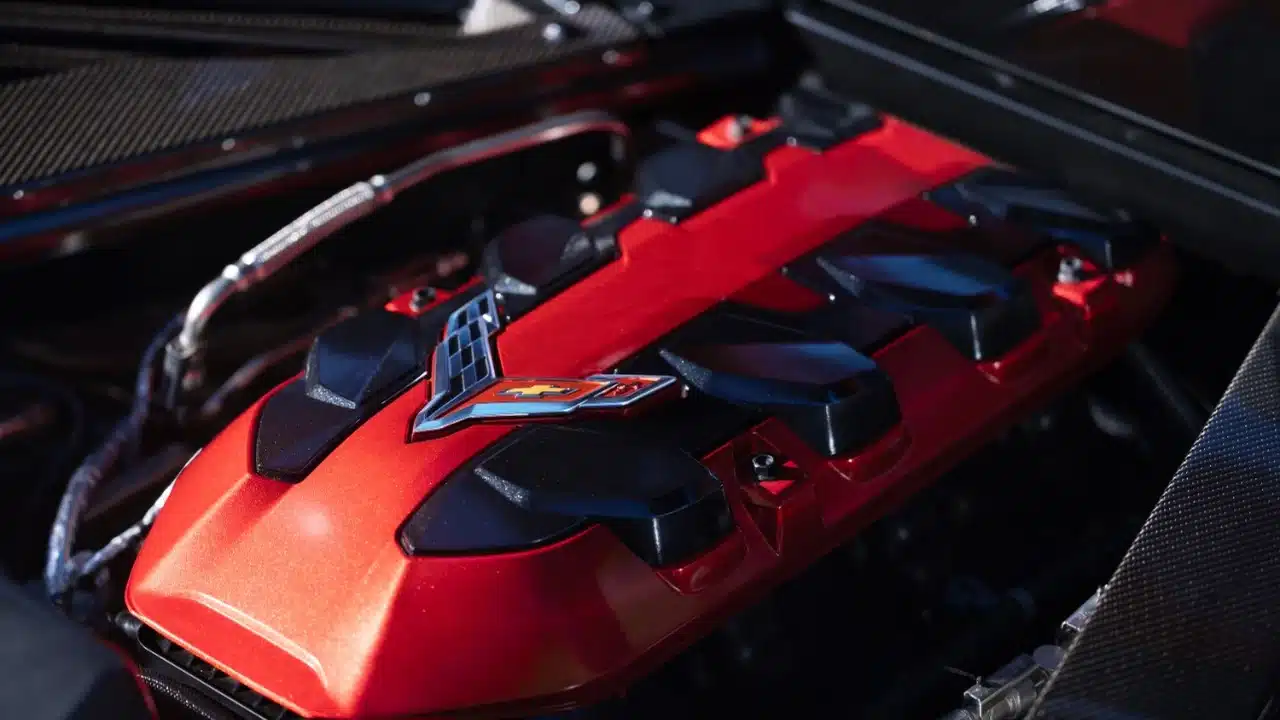
The LS6 is a significant launch for Chevrolet. According to GM’s engine announcement, the naturally aspirated 6.7-liter makes 535 horsepower and 520 lb-ft of torque and powers the 2027 Stingray, Grand Sport and Grand Sport X. Chevrolet also highlights a new lubrication system and forged pistons and connecting rods.
We previously examined those design decisions in our LS6 engineer explainer. This bulletin adds an ownership issue to that engineering discussion, but it supplies no evidence that the engine’s internal components have failed.
My take: buyers are entitled to expect a new performance car to keep its oil inside the engine. A repair involving seals can still mean an unwanted dealer visit and a disappointing start to ownership. GM’s response should be judged by how quickly and effectively it gets affected owners back on the road. The criticism is fair; stretching this bulletin into a verdict on every new GM V8 is not.