There was a time when building a great car wasn’t all that complicated.
Start every morning. Get decent fuel economy. Don’t strand your owner on the side of the interstate. Keep repair bills from resembling a second mortgage. If the steering made you smile on a winding road, that was icing on the cake. Simple, right? Apparently not.
Today’s auto industry seems convinced that what buyers really want isn’t a dependable car. It’s a rolling electronics store with a monthly payment attached to features that used to come standard.
More Screens, Fewer Reasons to Smile
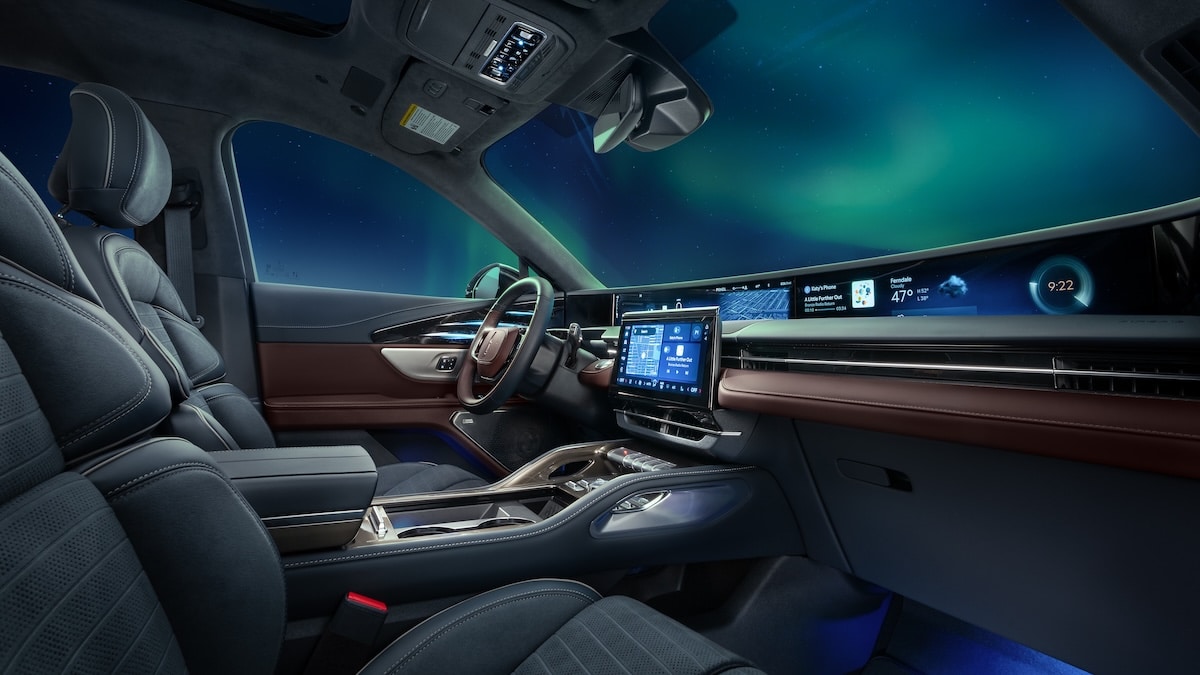
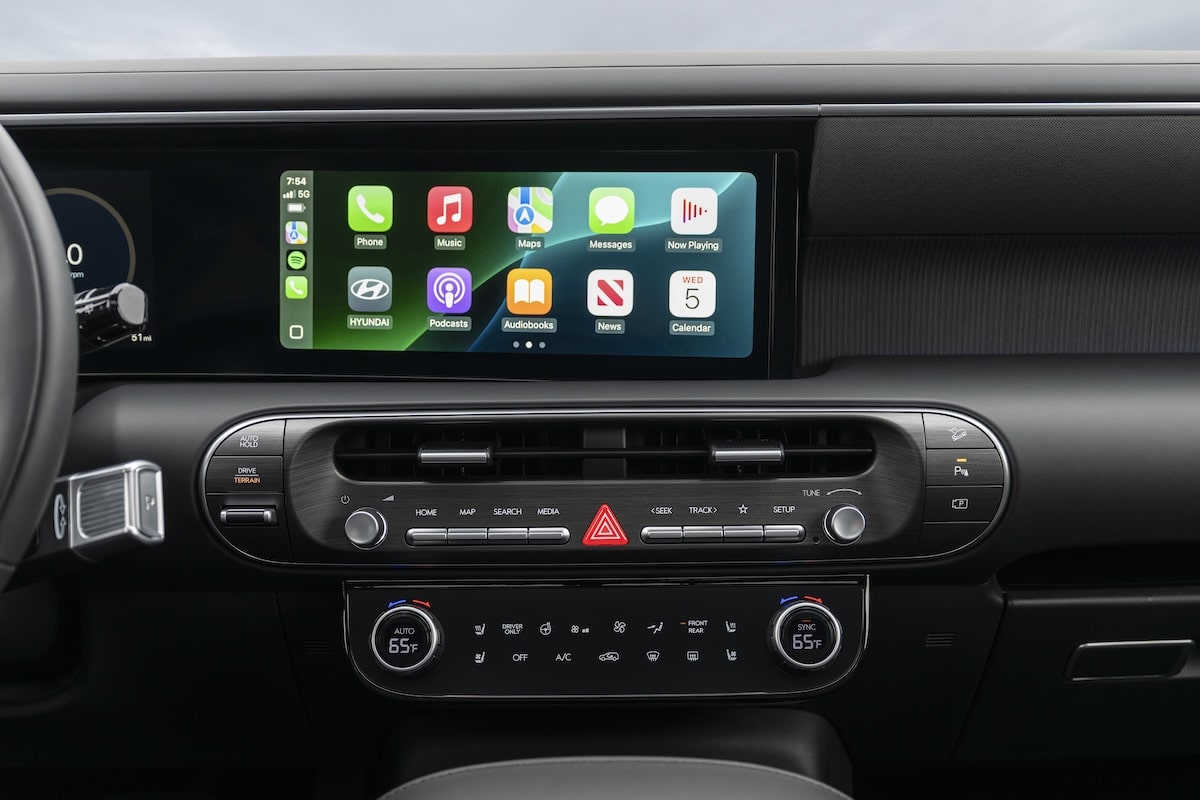
Manufacturers are locked in an arms race to build dashboards that look like someone glued a 65-inch television across the interior. Every model launch promises more connectivity, more apps, more digital assistants, and more software updates than your laptop. Fantastic. Now, where’s the button to turn on the heated steering wheel? Right. Somewhere inside Menu 4, Submenu 7, hidden behind an icon that resembles modern art.
Technology isn’t the enemy. Electronic fuel injection replaced carburetors because it worked better. Adaptive cruise control makes long highway drives less exhausting. Automatic emergency braking and blind-spot monitoring have saved lives. Nobody had to be convinced those features were worthwhile because the benefits were obvious. The best innovations don’t require a marketing department to explain why they’re revolutionary.
Then there are features that exist mostly because an engineer figured out they could, such as a touchscreens. Nobody asked for climate controls that require three taps, two swipes, and the precision of a neurosurgeon just to lower the cabin temperature two degrees. Physical knobs still work. Better yet, you can use them without taking your eyes off the road, which, last time anyone checked, remains a fairly useful habit while driving. Sometimes, old technology isn’t outdated. It’s better.
You Bought the Car. Now Subscribe to It.
The subscription craze deserves its own special place in automotive hell. Paying for connected services that rely on cellular data? Fair enough. Paying every month to unlock hardware that’s already sitting inside your own vehicle? That’s not innovation. That’s greed. Consumers generally assume that once they buy something, they own it. Radical concept, right?
Apparently, some automakers missed that memo.
More Complexity Doesn’t Mean Better Cars
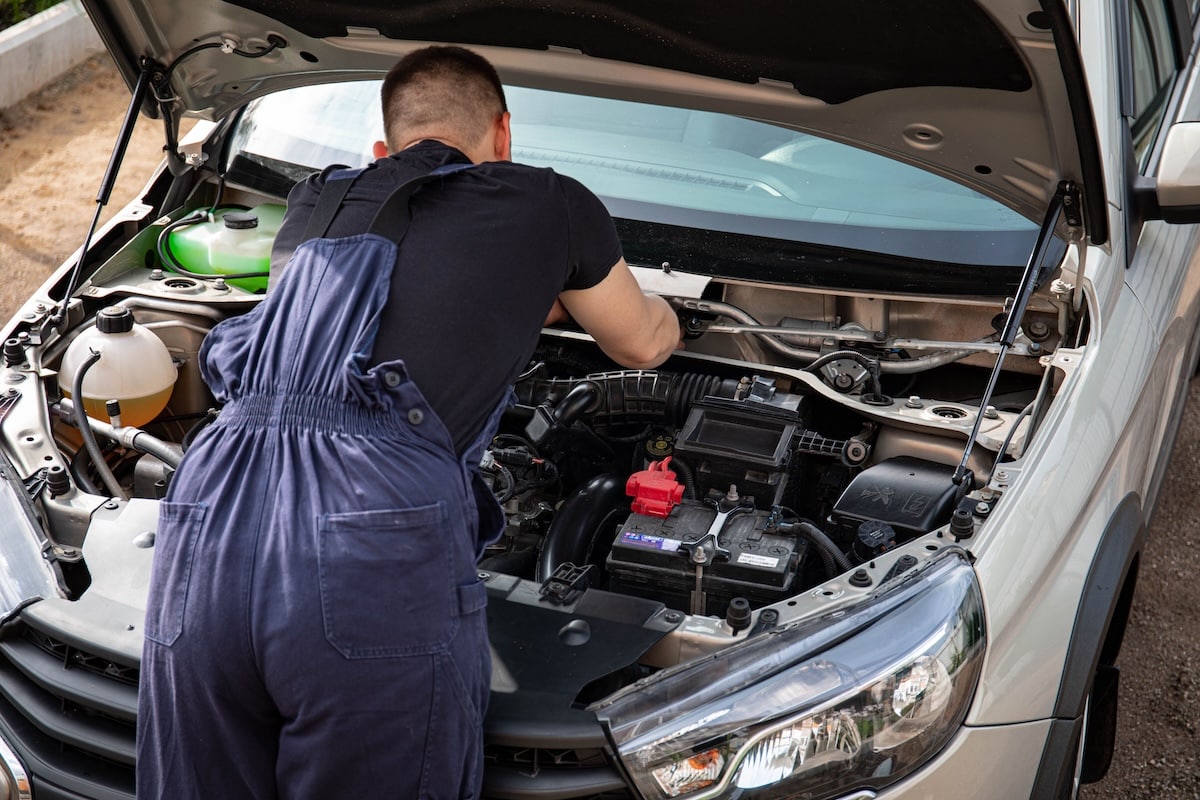
A repair that once required a wrench and an afternoon now involves software updates, specialized diagnostic equipment, and an invoice capable of ruining your weekends for the next month. Most families shopping for transportation couldn’t care less how many processors are buried inside the dashboard. They want a vehicle that won’t bankrupt them every time a warning light appears. Reliability may not trend on social media. Affordability certainly doesn’t. But both have a way of determining whether someone buys one car and not the other.
Whatever Happened to Affordable Cars?

Walk through a dealership today and you’ll notice that everything got bigger. Everything got taller. Everything got more expensive. Manufacturers love trucks and SUVs because they print money.
Buyers? Well, buyers love affordable monthly payments. Unfortunately, those two goals don’t always coexist. Sedans have quietly disappeared. Compact hatchbacks have become an endangered species. Entry-level transportation now feels like a collector’s item. Meanwhile, insurance premiums keep climbing. Seven-year loans have become normal. Vehicle prices continue to spiral higher than wage growth. By comparison, arguing about gasoline versus hybrids versus EVs misses the point entirely.
Instead of asking which powertrain wins, how about can anyone afford to buy one?
What Makes For A Great Car?
It’s not another app. It’s not another screen. It’s definitely not another subscription.
A better car starts every morning without drama. It gets you where you’re going comfortably. It doesn’t require a software patch because the windshield wipers feel emotionally unsupported. It’s efficient, dependable, affordable to repair, and lets the driver spend more time driving than navigating touchscreen menus. Electric vehicles can absolutely fit that definition. Gasoline cars can, too.
The real issue isn’t what powers the vehicle. It’s whether automakers remember why people buy cars in the first place. People want affordable transportation they can trust. Technology should support that mission, not become the mission.
After decades of breathtaking engineering progress, the recipe for building a genuinely great automobile hasn’t changed all that much. Build something reliable. Price it fairly. Make it inexpensive to own. Give people confidence it’ll still be running years after the new-car smell fades.
Everything else is just pixels.
Editor’s note: This column first appeared in The Car Collective Substack. To subscribe, click here.