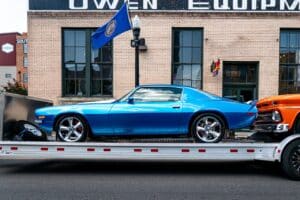
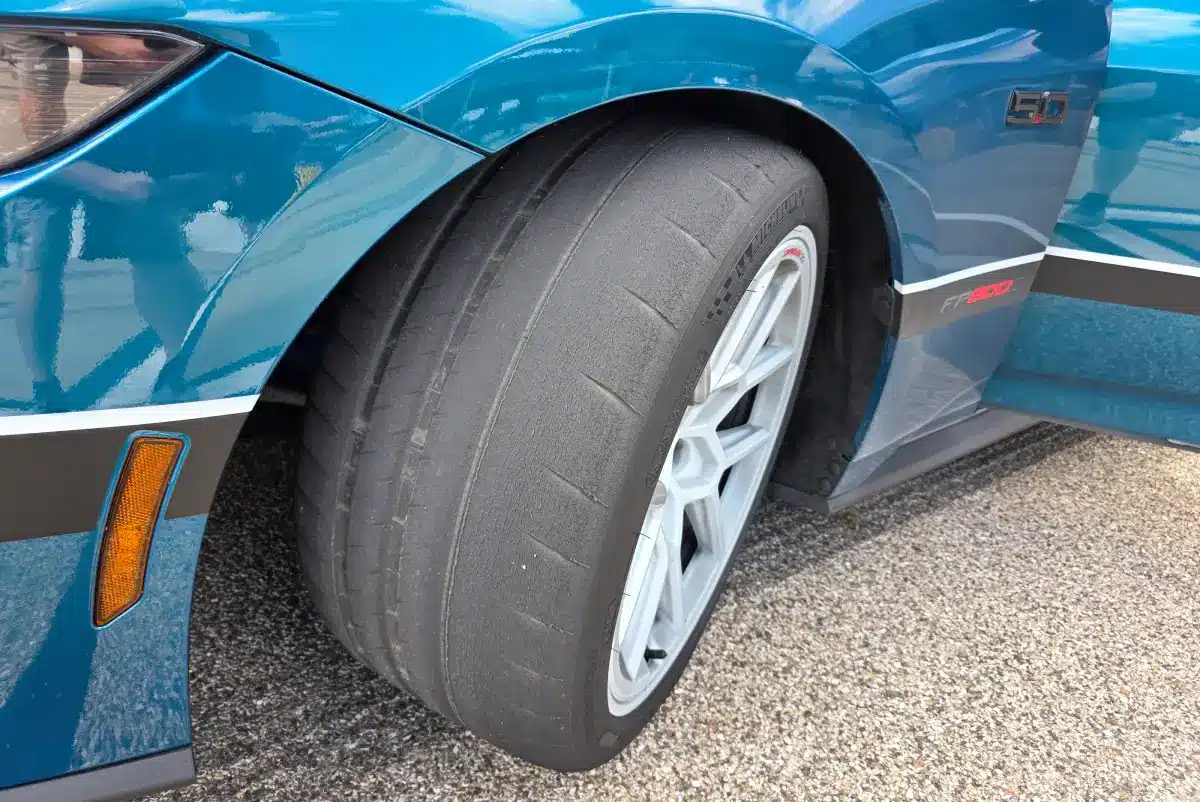
The modern automobile is a miracle of technology and a catastrophe of personality, which is precisely why it’s becoming harder to love.
They’re staggeringly sophisticated. They have sensors, cameras, computers, radar, electric motors, electronic controls and enough software to make you wonder whether you’re driving an automobile or a very large computer. The car watches traffic. It watches the lane markings. It watches you. It also accelerates rapidly, stops impressively, corners with extraordinary grip and can protect its occupants from situations that would have resulted in a newspaper obituary in an earlier era.
Here’s The Problem
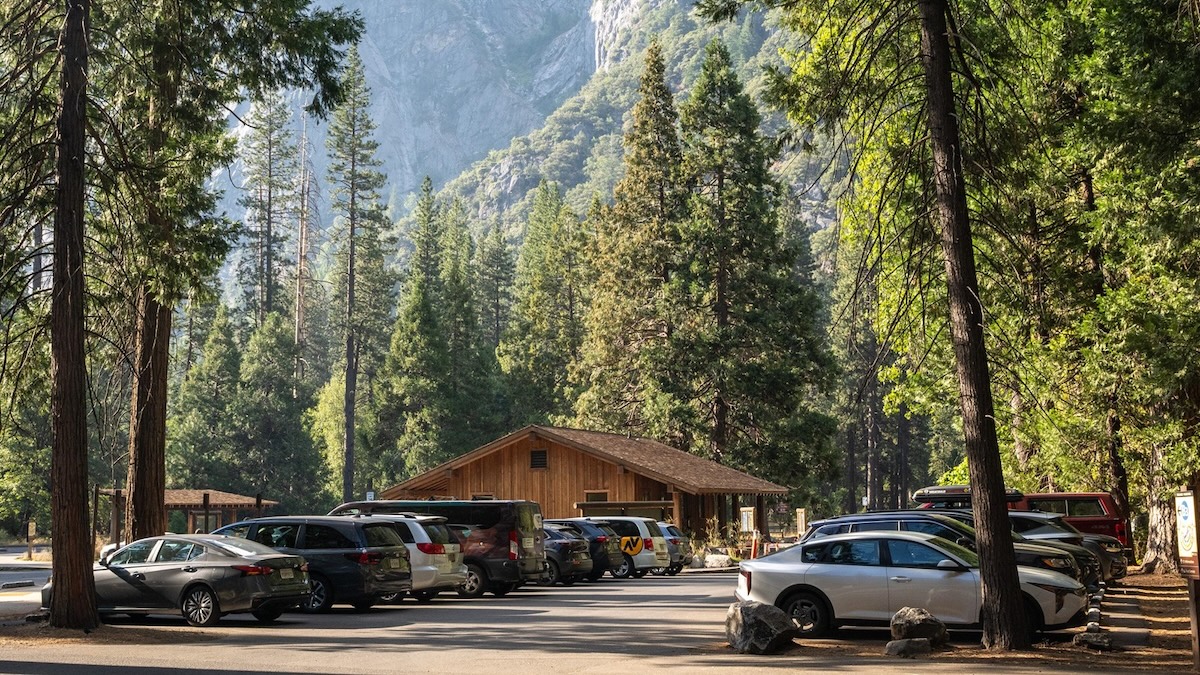
And yet, despite all this, many modern cars leave the driver with about as much emotional exhilaration as successfully assembling an IKEA bookshelf.
This is partly because we have spent decades making cars civilized and let’s face it, civilization is dangerous. Look at what civilization has done to everything. It took wilderness and turned it into national parks with parking lots. It took food and covered it in nutritional warnings. And it took automobiles and decided the driver should never hear, feel, smell, or otherwise be reminded that any of this machinery actually exists. Every mechanical noise or vibration has been identified, isolated, and eliminated. Every smell that might suggest combustion, oil, rubber, or impending mechanical catastrophe has been declared unacceptable. In fact, if the car ever reminds you what it is, someone in product development has already scheduled a meeting about fixing it.
It Wasn’t Always This Way
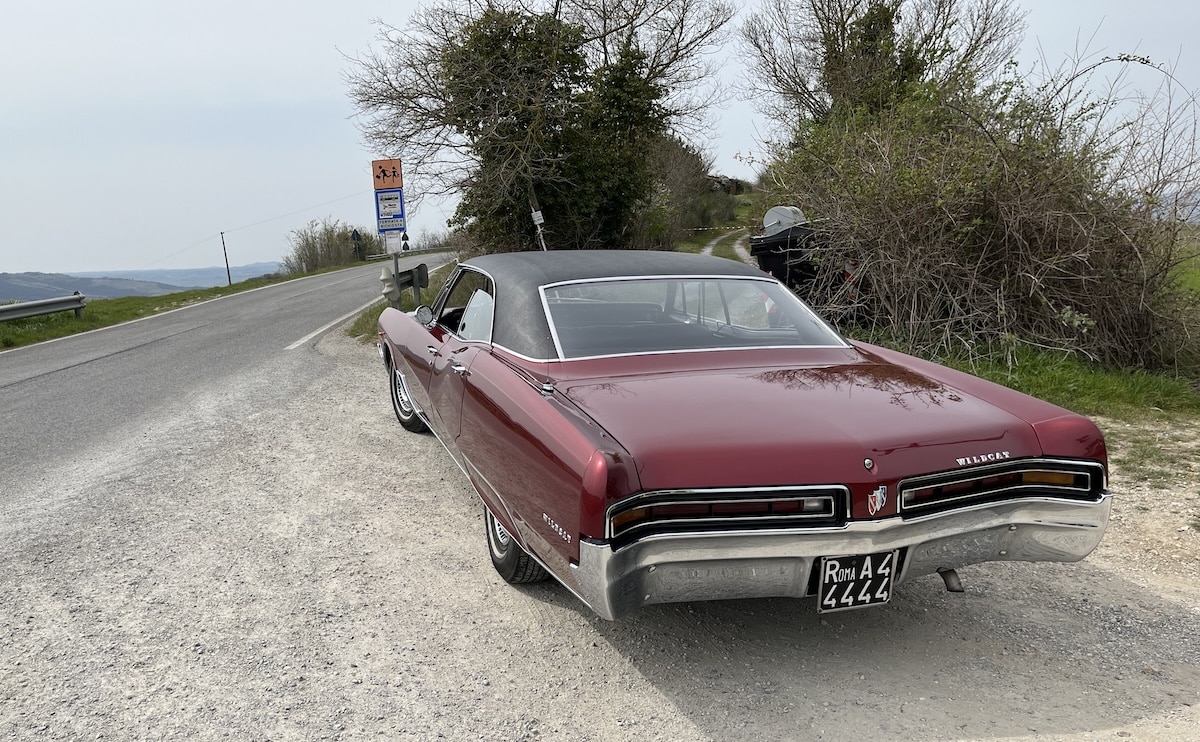
Older automobiles were less civilized. You could hear them working. You could feel the road. You could feel the engine. Sometimes you could feel the gearbox expressing an opinion about your driving technique. Crunch. OK, this was not always pleasant. It was, however, information. A car used to communicate with its driver in the ancient language of mechanical sensation. The steering wheel told you what the front tires were doing. The pedals told you what your feet were doing. The engine told you, in a variety of increasingly urgent noises, what it wanted.
So, What’s The Problem?

Modern cars communicate through screens. Is this really progress? We have replaced knobs and switches with touchscreens because nothing improves the driving experience quite like requiring the driver to operate a computer while driving. Want to change something? Find the menu. Select the appropriate submenu. Swipe. Tap. Confirm. By the time you have adjusted the climate control, you have traveled another half-mile and learned something important about the roadside vegetation.
OK, Maybe Cars Are Better Now
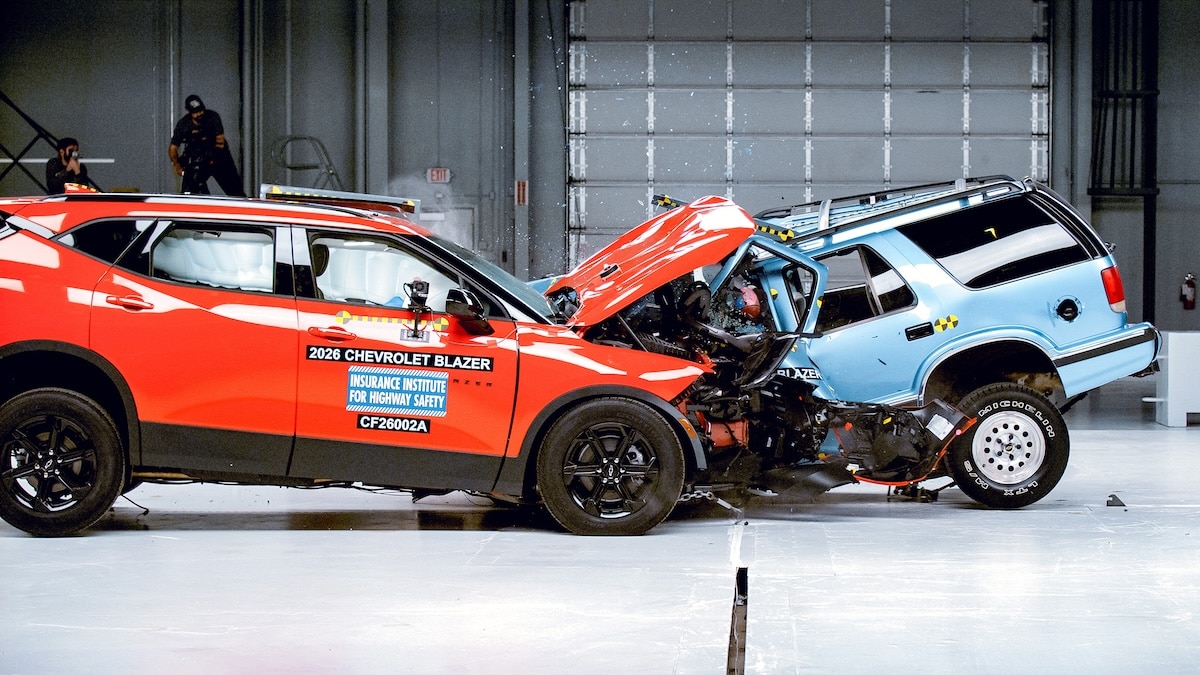
The argument is that modern cars are better. And they are. That’s the irritating part. It’s very difficult to complain about progress when progress keeps winning the argument. Modern cars are safer, faster, more efficient, quieter, more reliable, and absurdly more capable. They can deliver levels of performance that, not long ago, required exotic machinery, a heroic tolerance for maintenance, and probably a second mortgage.
Objectively, these cars are engineering triumphs. Subjectively, however, they feel a little like ordering a steak and being served a perfectly calibrated nutritional solution. You can’t argue with the specifications. You can only wonder where the hell the experience went.
OK, Maybe They’re Not
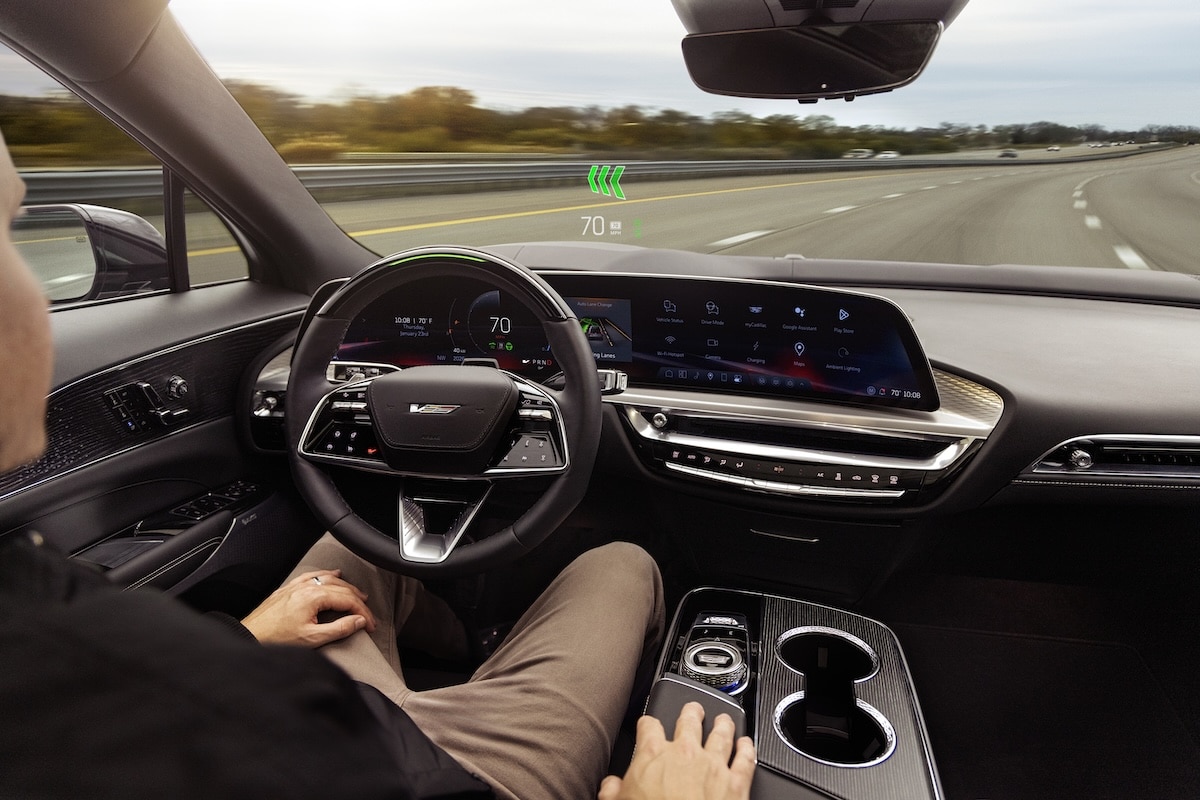
And remember, speed isn’t the same as excitement. A roller coaster is exciting. So is falling down stairs. Excitement comes from participation. That’s what has gradually disappeared from the automobile.
The modern car wants to help you drive. Then it wants to help you stop. Then it wants to help you park. The driver is becoming the least necessary component. And perhaps that is the logical conclusion of automotive progress: the perfect car is one that does everything perfectly without requiring a human behind the wheel.
The Upshot
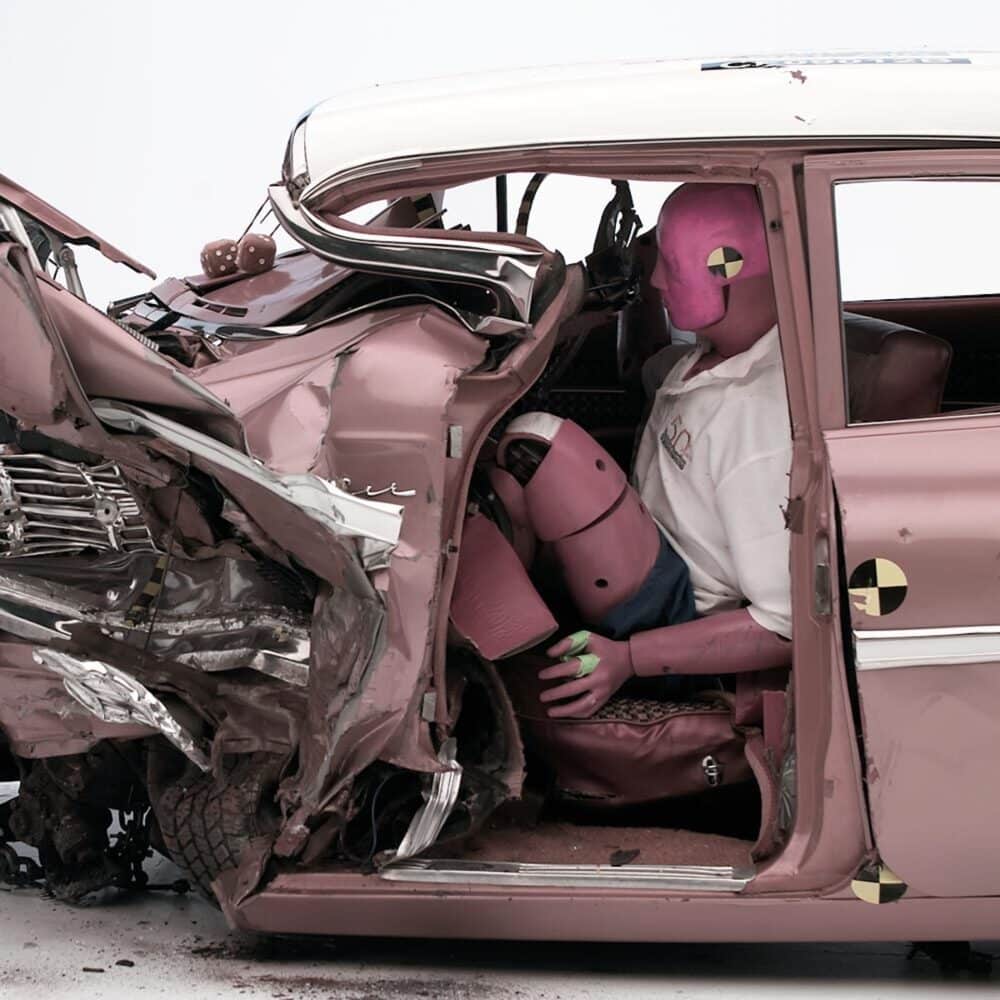
This is where I object. Not because I want cars to be dangerous. Not because I want them to be unreliable. I object because automobiles are among the few machines humans have built that can be useful and entertaining at the same time. A refrigerator is useful. A washing machine is useful.
But a car can take you somewhere and make you want to take the long way. That’s the part worth saving. Give me the safety systems. Give me the efficiency. Give me the astonishing engineering. Just leave me a steering wheel, a road and some reason to keep driving after I’ve already arrived.
Otherwise, we’ve built a very sophisticated appliance, and nobody ever takes the scenic route in an appliance.