The finance office calls it an extended warranty and presents a monthly payment that sounds manageable. Before deciding, ask to see the full contract and the total price. You are buying a set of written promises, so the details deserve at least as much attention as the sales pitch.
The Federal Trade Commission distinguishes an included vehicle warranty from an optional auto service contract, which is often marketed as an extended warranty. Compare the offered contract with coverage the car already has before paying for more.
1. Which repairs are actually covered?
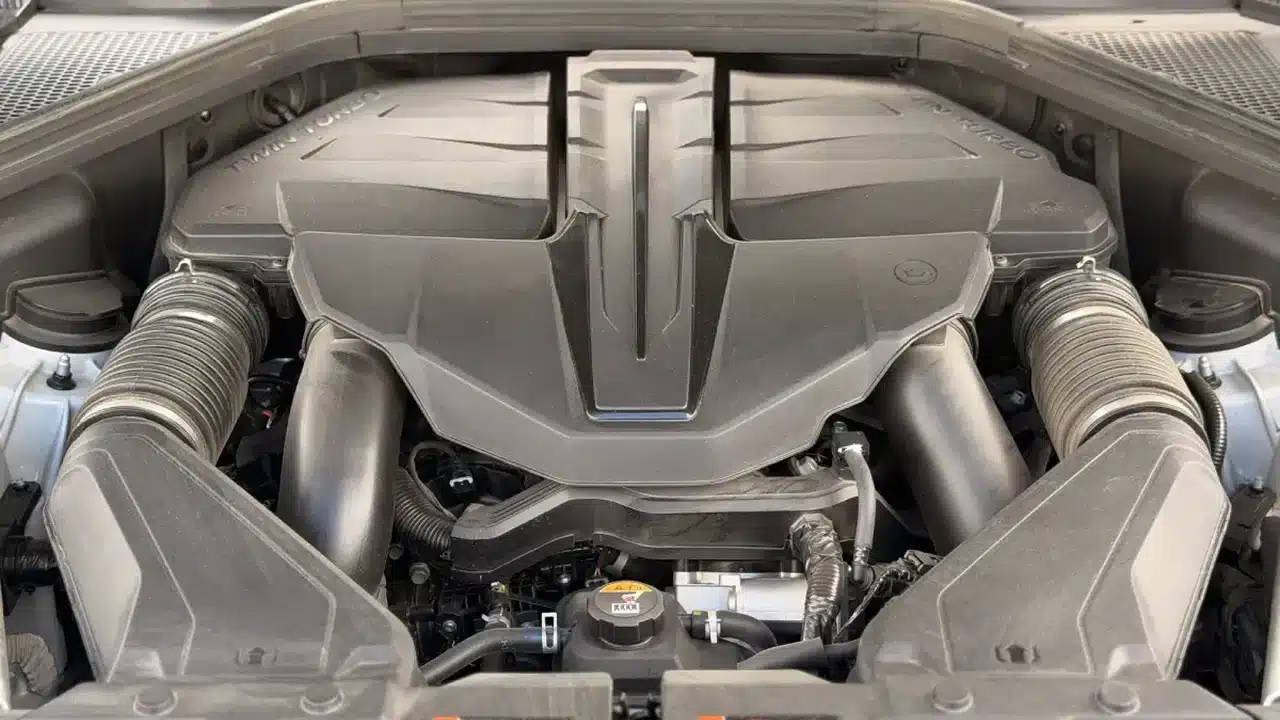
Read the covered components and exclusions together. The FTC notes that contracts vary widely and typically do not cover every repair or ordinary wear. Ask the seller to point to the language answering your questions rather than relying on “bumper-to-bumper” as a complete description.
Make a short list of the repairs you are most concerned about and check each one against the document. A contract that sounds comprehensive in general may be less useful for your particular concerns. If a term is unclear, request a written explanation before deciding.
2. Who approves the claim, and where can work be done?
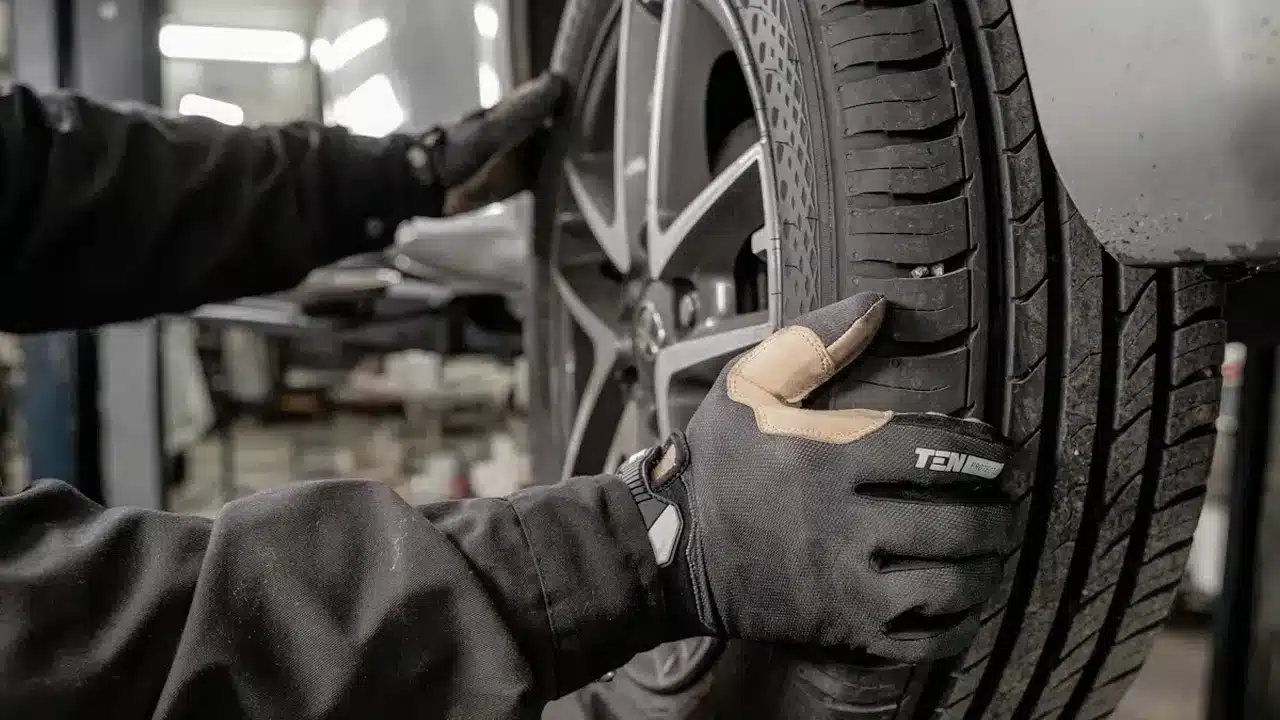
The FTC advises checking the company responsible for the contract, any repair preapproval requirements and restrictions on service locations. The dealer selling it may not be the company deciding whether a claim gets paid. Read the process before you need to use it.
Imagine a breakdown on a trip far from the selling dealership. Write down who you would call, what approval you would need and what paperwork you would keep. If you cannot work out the process from the contract, that is a useful question for the seller now.
3. What is the total cost to you?
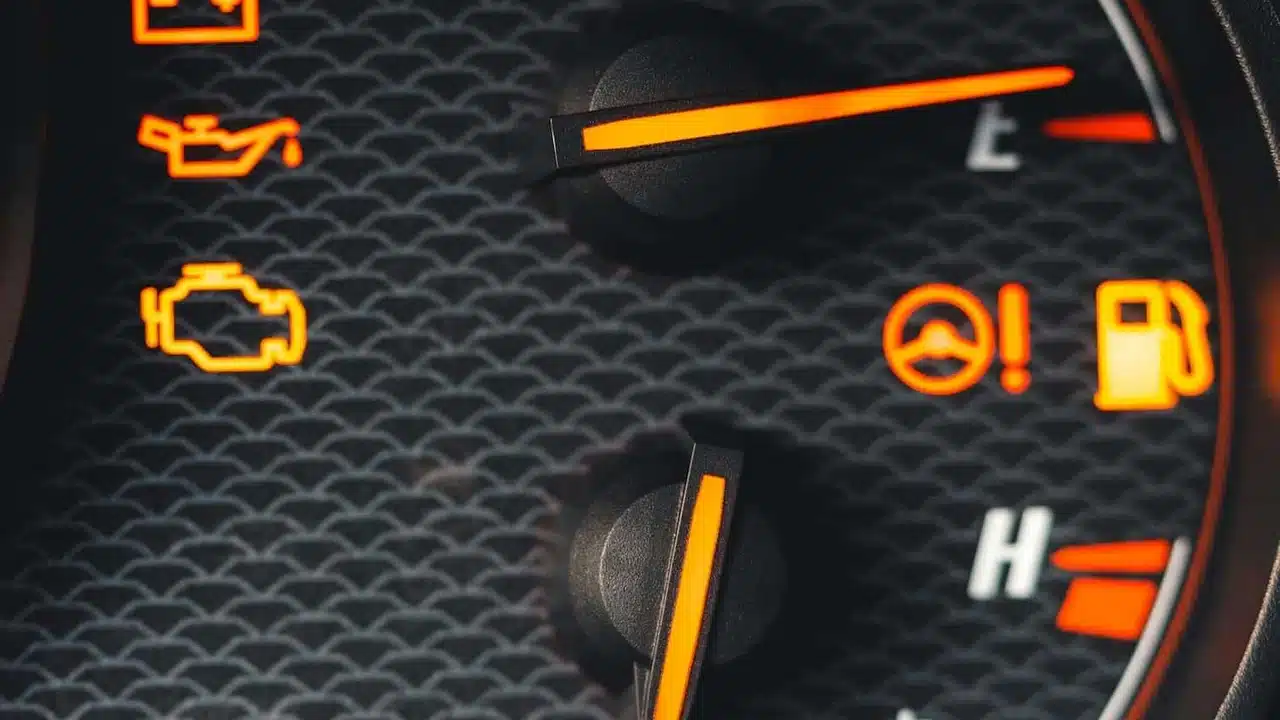
Ask for the contract’s cash price and any deductible. If the cost is being financed with the car, request the effect on the total amount paid, including interest. A small monthly figure is not the same thing as a small total purchase.
For a hypothetical example, a $2,000 contract plus a $100 deductible on each of three separate covered claims means $2,300 paid for the contract and those deductibles, before financing costs or uncovered items. That example says nothing about what repairs your car will need. It simply shows why comparing the contract price with one possible repair bill is incomplete.
4. Does the coverage fit how long you will own the car?
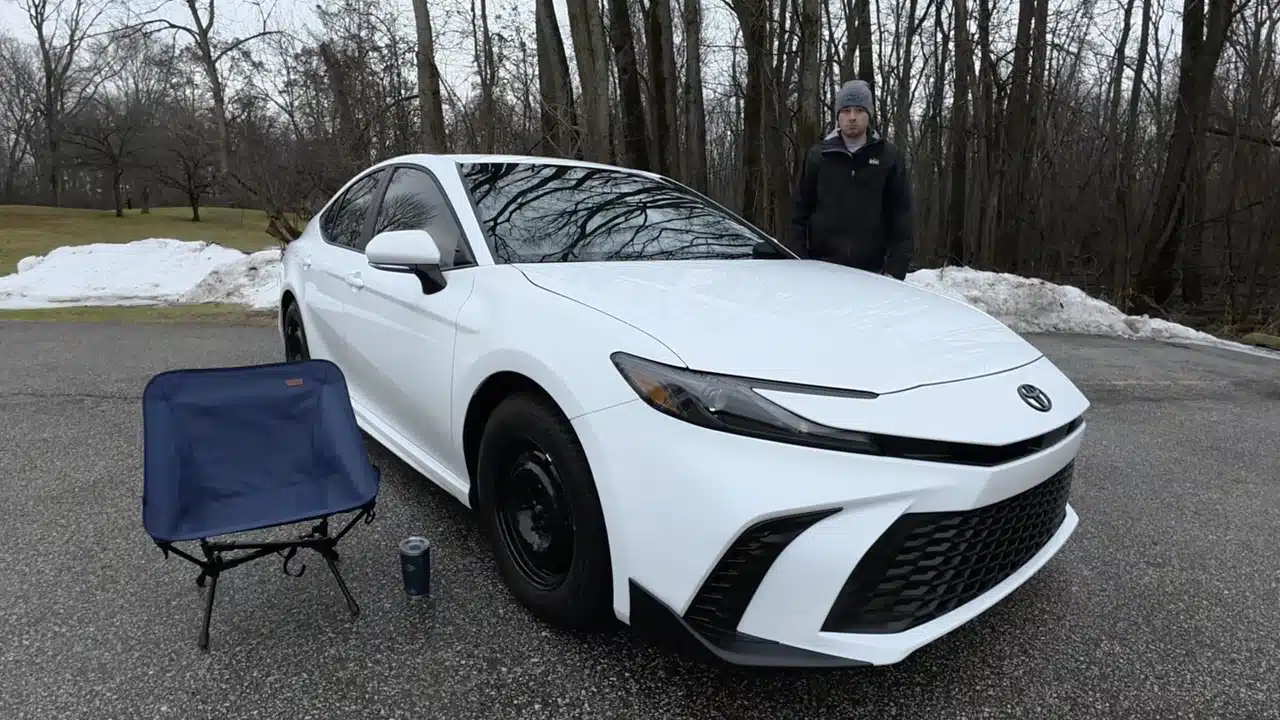
Check the start and end dates, mileage limit and overlap with the manufacturer’s existing warranty. Also read transfer and cancellation provisions rather than assuming the contract will automatically follow the car or produce a full refund.
Put the offered price, relevant coverage and likely ownership period on one page. Then compare buying the contract with keeping money available for repairs yourself. Neither choice can make future repair needs certain. The decision should reflect the actual contract and your preferences, with enough time to read it before the paperwork is signed.
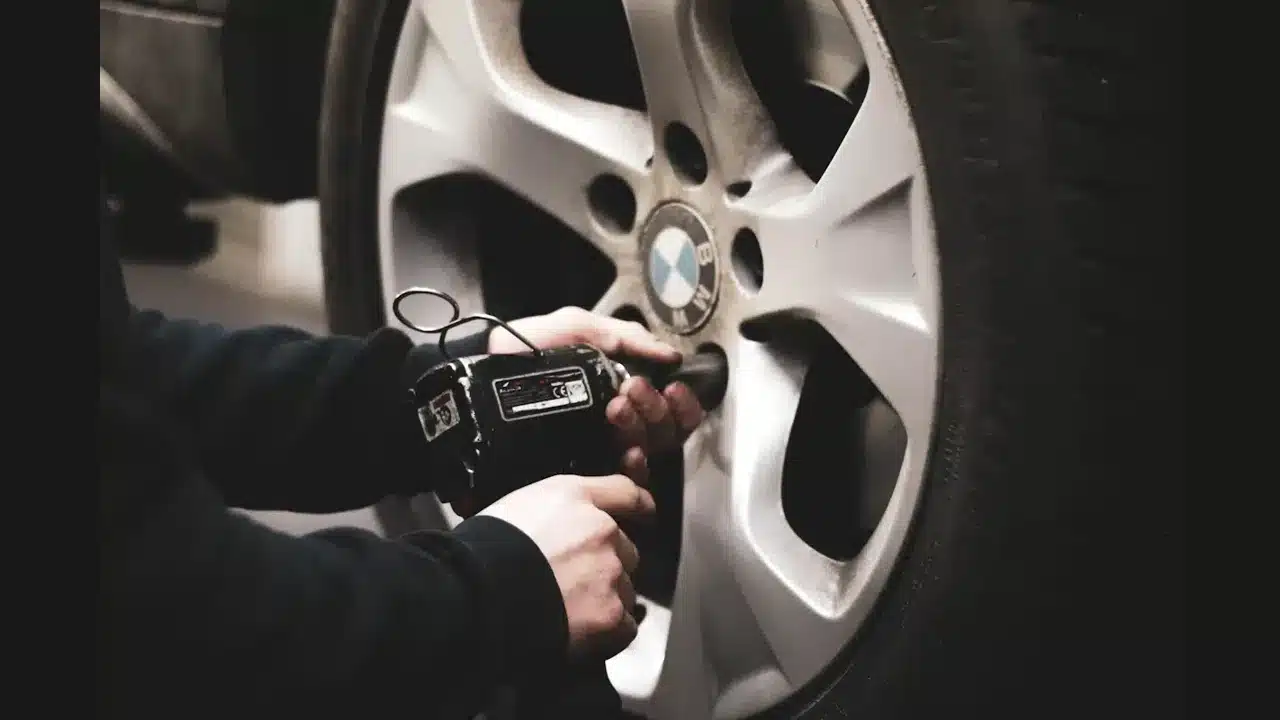
Featured image: illustrative vehicle service photo by Benjamin Brunner / Unsplash.
For coverage that may already apply, learn the difference between a recall, TSB and warranty extension.