A Chevy Camaro return would have to win two competitions: attract buyers and persuade General Motors to fund the car ahead of other projects. Tony Roma, GM’s executive chief engineer for Corvette and performance cars, outlined that challenge in an Oct. 14 interview on The Drivecast.
He described the nameplate as being on hiatus, pointed to the Ford Mustang as evidence of a market and offered no new Camaro announcement.
A business case comes before a comeback
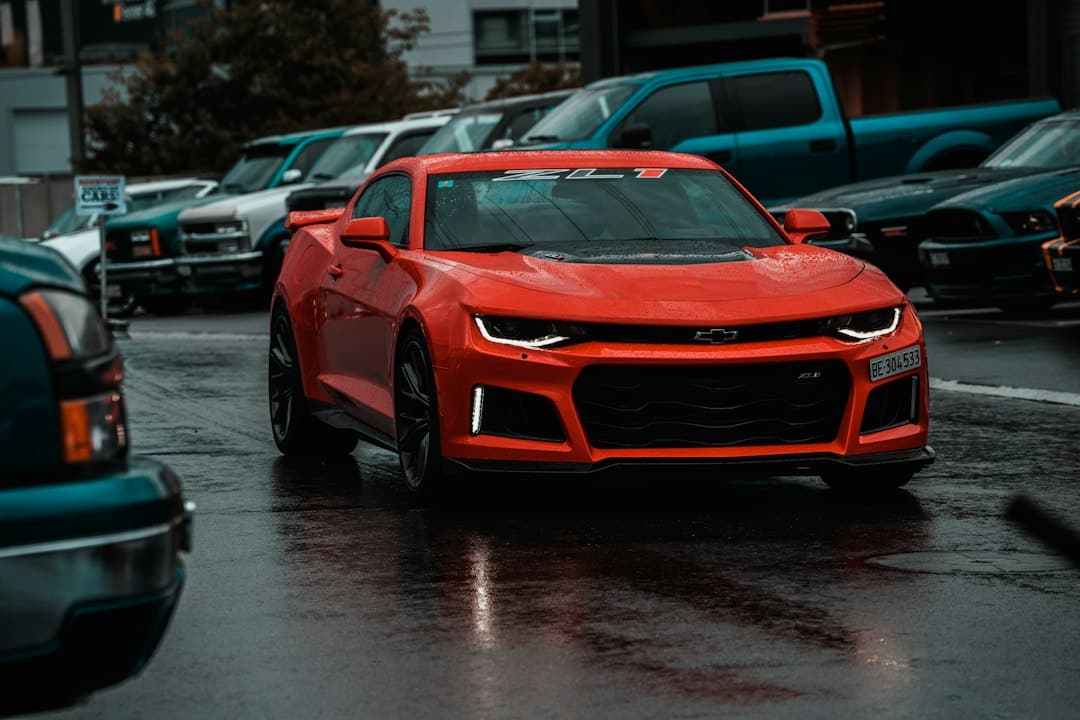
“It has to make sense for the whole business,” Roma told The Drivecast. He said continuing the previous generation no longer made business sense. A future project would need an appealing price, sufficient sales volume and enough value for customers, while competing for a substantial upfront investment.
For enthusiasts, the important distinction is between the ability to build a compelling car and the decision to pay for it. A familiar badge can help attract attention. It cannot establish how many customers will buy, which versions they will choose or how much they will pay over a model’s life.
Mustang sales give the argument some substance
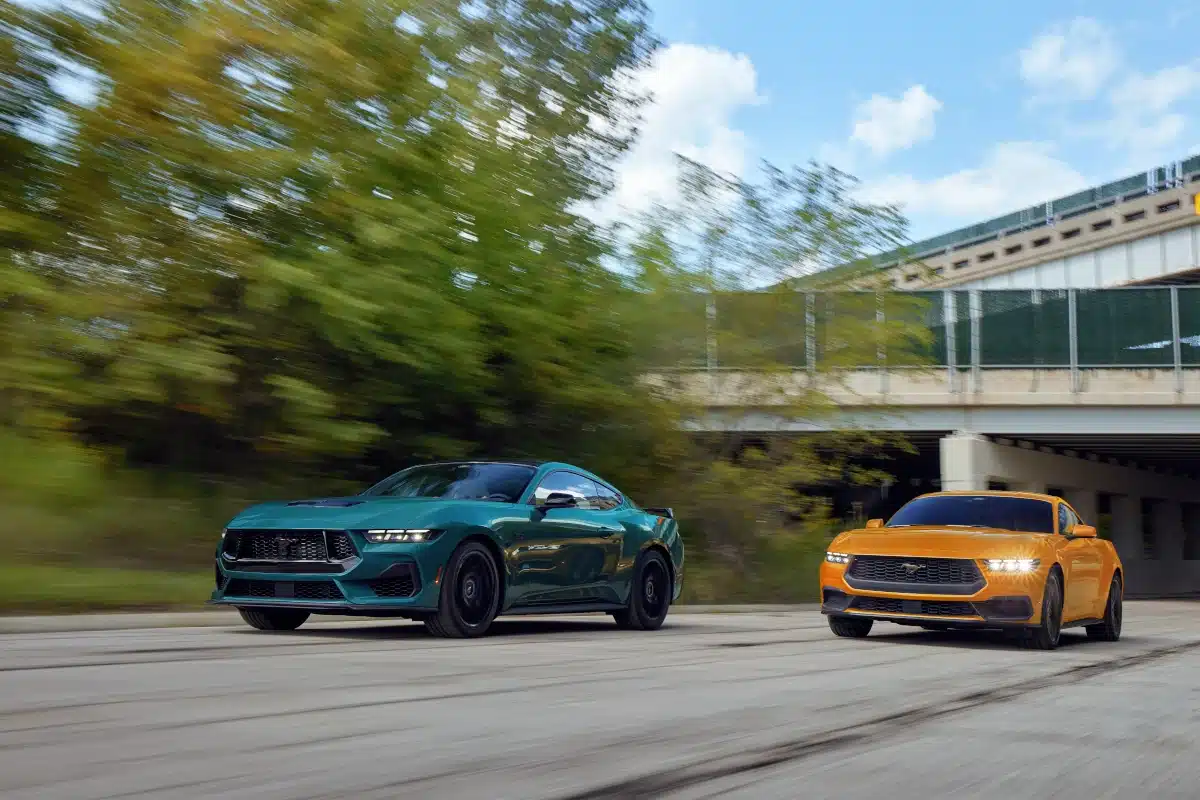
There is current evidence behind the demand discussion. In its third-quarter U.S. sales report, Ford said Mustang sales increased 7.5% from a year earlier. Through September, sales were up 17.9%. The company reported those figures Oct. 2, before Roma’s interview.
That is encouraging for anyone who wants more choice in this market. However, those increases describe Ford’s existing product, not the potential sales of an unannounced Chevrolet. They do not reveal the Mustang’s profitability, a future Camaro’s development bill or how customers would divide their purchases if another rival arrived.
The sensible reading is that buyers are still responding to the Mustang. Whether Chevrolet can reach enough of them at the right price remains a separate question.
For a look at one of the Mustang’s current performance options, see our Ford Mustang FP800S first drive.
A factory plan is not a Camaro announcement
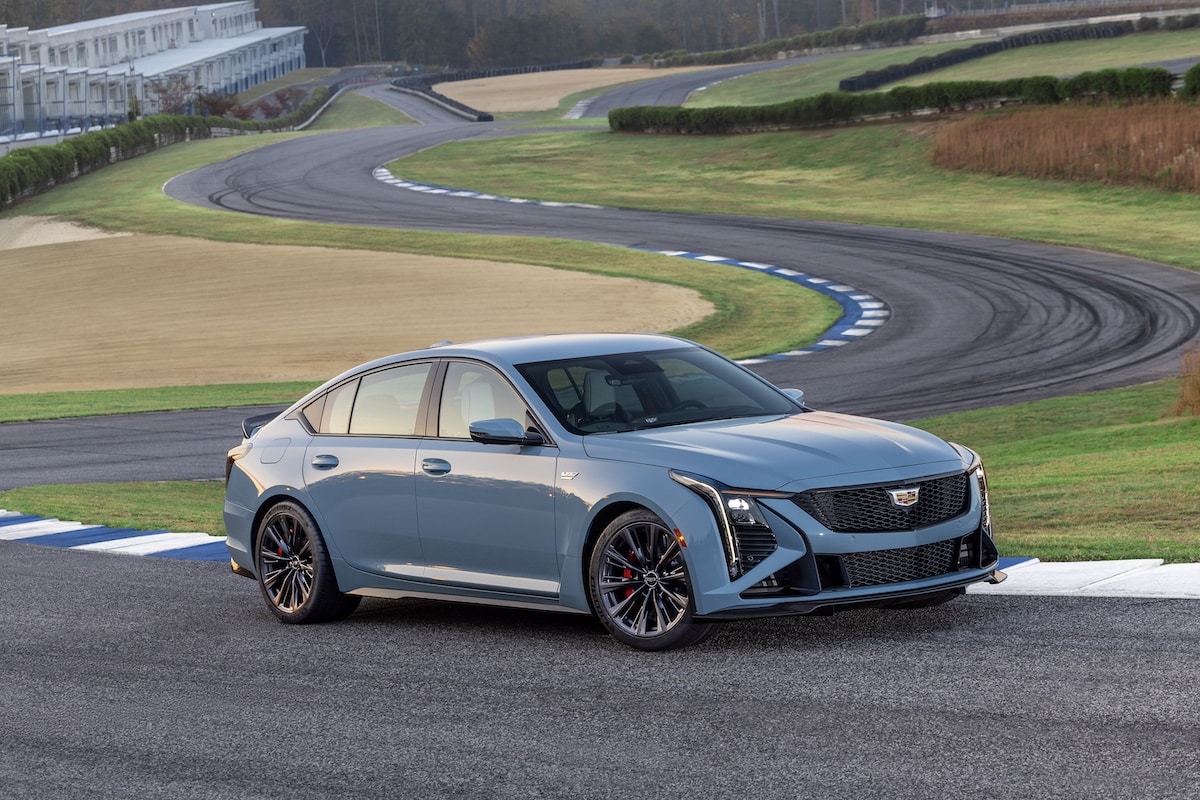
GM’s official guide to its U.S. assembly plants, dated July 28, identifies the Cadillac CT5 as Lansing Grand River’s current product and says the Michigan plant will retool for new products in December 2026.
In the podcast, Roma also said the CT5 would return after retooling and confirmed continued investment in its rear-wheel-drive architecture.
That provides a firmer starting point for discussion than a rendering alone. An operating manufacturing site and an architecture with a future are useful ingredients. Neither tells us that Chevrolet has secured a product assignment there. The factory announcement does not name a Camaro, describe its body style or provide a Chevrolet production schedule.
Car and Driver’s Camaro preview discusses a possible 2029 sedan with an available V-8 and updated Alpha underpinnings. That article was originally published April 13 and updated Aug. 28. It is not a new October product announcement.
Its projected specifications, timing and pricing should be treated as reporting and forecasts, not a Chevrolet order guide. Roma’s latest remarks did not confirm those details. Nor should a hypothetical sedan be used to conclude that a coupe has been approved or ruled out.
Performance alone does not establish a comeback plan
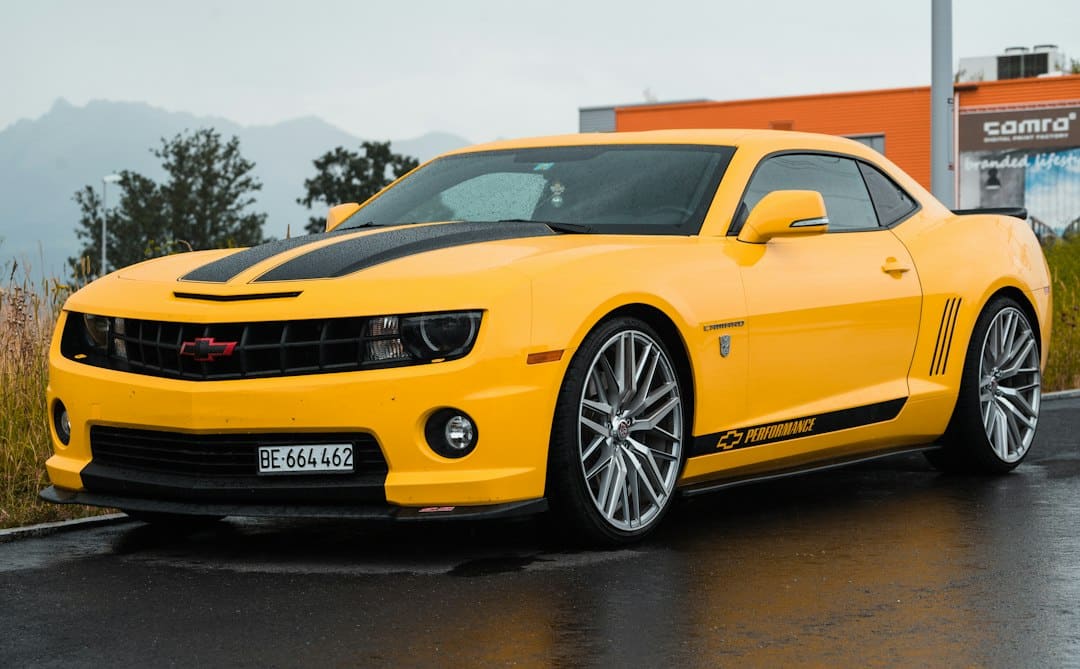
Chevrolet’s March 2023 retirement announcement said the sixth generation would end after the 2024 model year. That car offered coupe and convertible bodies, available Magnetic Ride Control on the SS and track-focused 1LE packages. The ZL1 1LE produced 650 horsepower.
Those details are worth remembering because the next Camaro discussion can quickly become a wish list of engines and lap times. Chevrolet already demonstrated considerable performance capability. A successor would also need a convincing role for the buyer who wants an enjoyable everyday car, not simply the most specialized version in the range.
The useful milestones will be specific: a Chevrolet confirmation, a defined body style, powertrain details, production timing and pricing. Each would answer a different question that the current discussion leaves open. For shoppers, waiting on a forecast also means accepting that its timing and specifications may change.
Until then, there is no confirmed Camaro launch date in Roma’s comments. Mustang demand makes the debate more interesting, and GM’s manufacturing plans give it context. Neither is a reason for shoppers to treat a rumored 2029 model as a car they can order.