The electric car has a problem that nobody has resolved. Sooner or later, you have to stop and charge it. Honda thinks one answer may lie beneath the pavement.
Honda R&D, working with Taisei Corporation and Taisei Rotec Corporation, has developed the underlying technology for a road system that can wirelessly charge electric vehicles while they are moving. The companies plan to begin demonstrations on public roads in Japan during the 2027 fiscal year, which begins April 1, 2027.
It is an appealing idea. Instead of treating charging as a separate chore, the road itself becomes part of the vehicle’s power supply. For a family car, that could mean fewer visits to a charging station. For a delivery truck or a heavy commercial vehicle, it could mean less time parked and more time earning its keep.
But making electricity jump from a road into a moving vehicle is only part of the job. The equipment must survive traffic, deliver power reliably and fit into the real world of road construction and maintenance. That is where Honda and its partners have concentrated their efforts.
The Hardware Beneath Your Tires
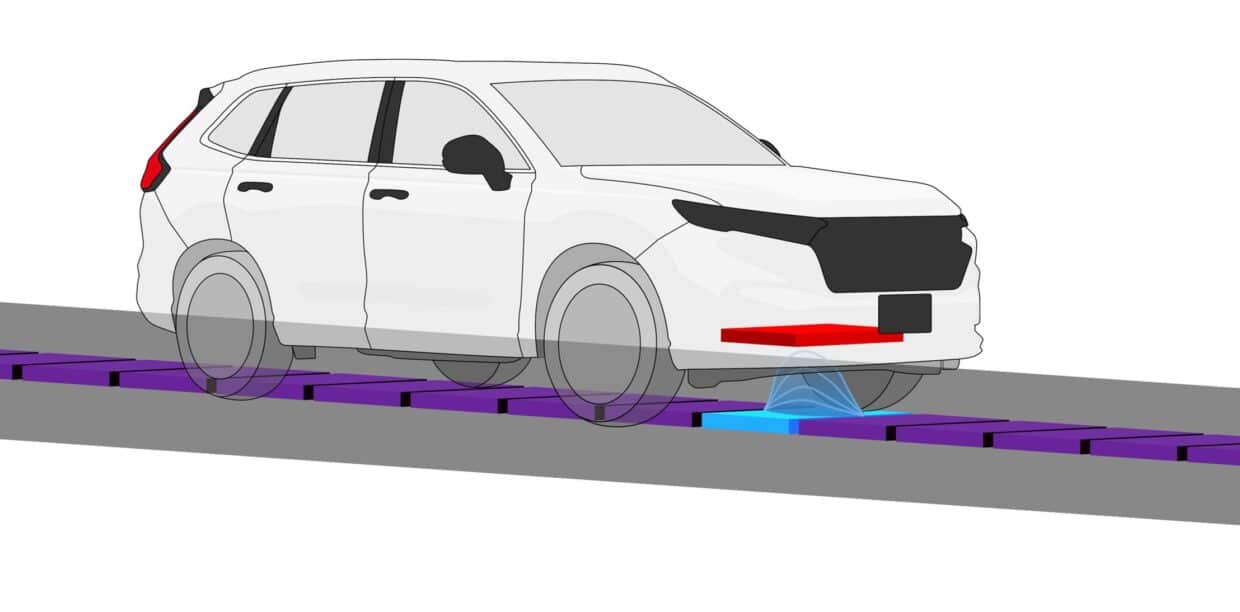
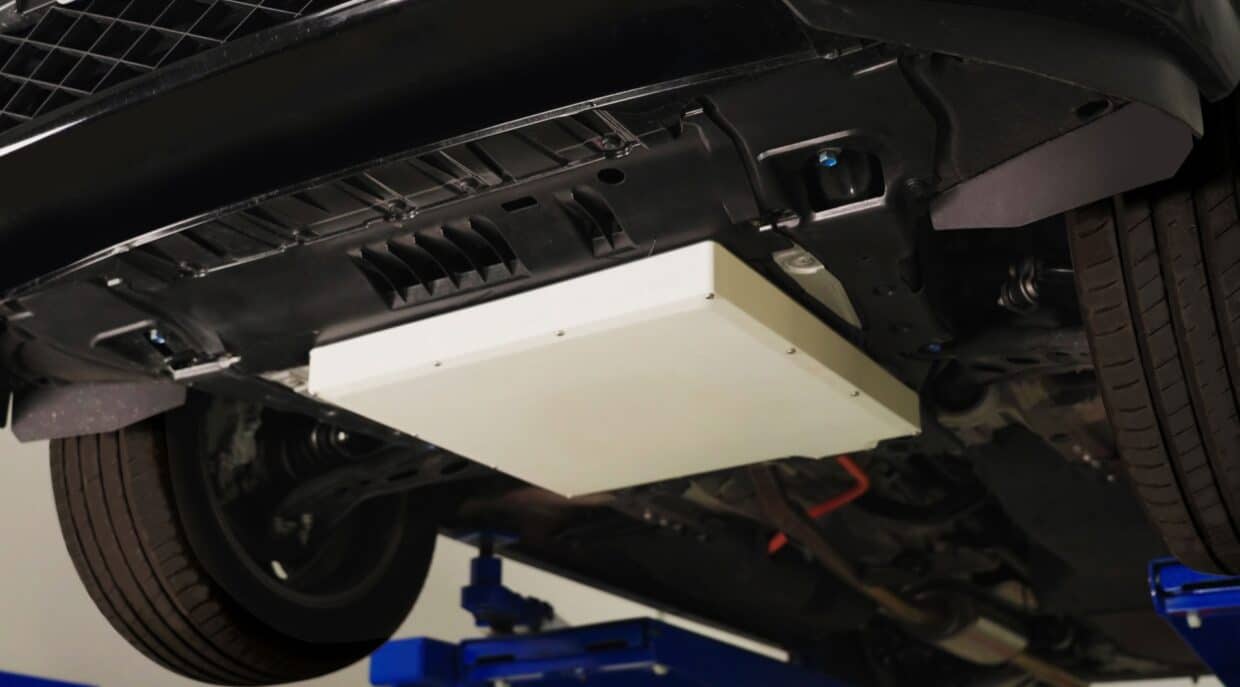
The system uses magnetic coupling to transfer electricity from equipment buried in the road to a receiver installed on the vehicle. Honda is responsible for developing the road-mounted power-transmitting units and the vehicle’s receiving system. Taisei has developed the direct-current power supply, while Taisei Rotec is working on methods for installing the equipment in road surfaces. The design combines an inverter and a coil in a single road-embedded unit. According to the companies, the arrangement supports high-power wireless charging through a direct-current distribution system while reducing wiring complexity. Honda and its partners have designed their units to be embedded in existing pavement, including during road-renewal work.
The Truck Is the Real Test
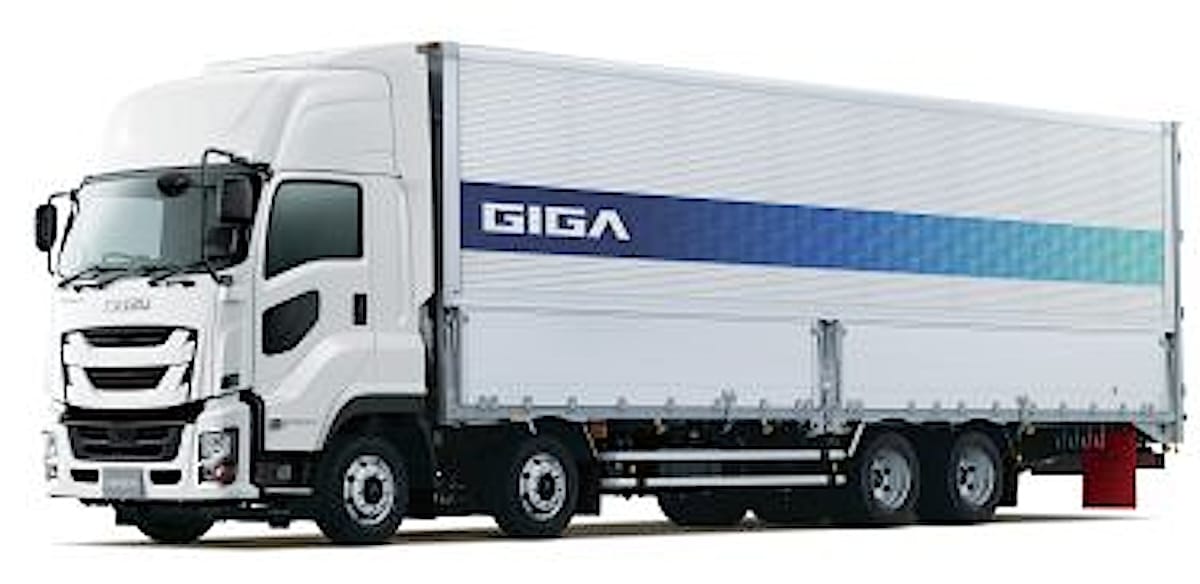
Passenger cars are part of the plan, but heavy commercial vehicles present a more demanding engineering challenge. The companies have been testing whether the embedded equipment and surrounding pavement can withstand traffic from vehicles with a gross weight of approximately 20 metric tons.
Since 2025, the partners have conducted experiments at a test roadway in Satte, Japan. Their work has covered pavement strength, construction methods, power distribution and wireless charging performance. The next stage will put those assumptions under further scrutiny. Beginning later this year, the companies plan to construct another test road for durability trials, power-transfer experiments and tests addressing electromagnetic field leakage.
The durability program will include loading equivalent to one-million wheel loads, using a specified load of 49 kilonewtons per wheel. They also intend to test power transfer at levels of up to 150 kilowatts and examine whether the system can deliver reliable performance to vehicles traveling at high speeds.
From Test Track to Public Road
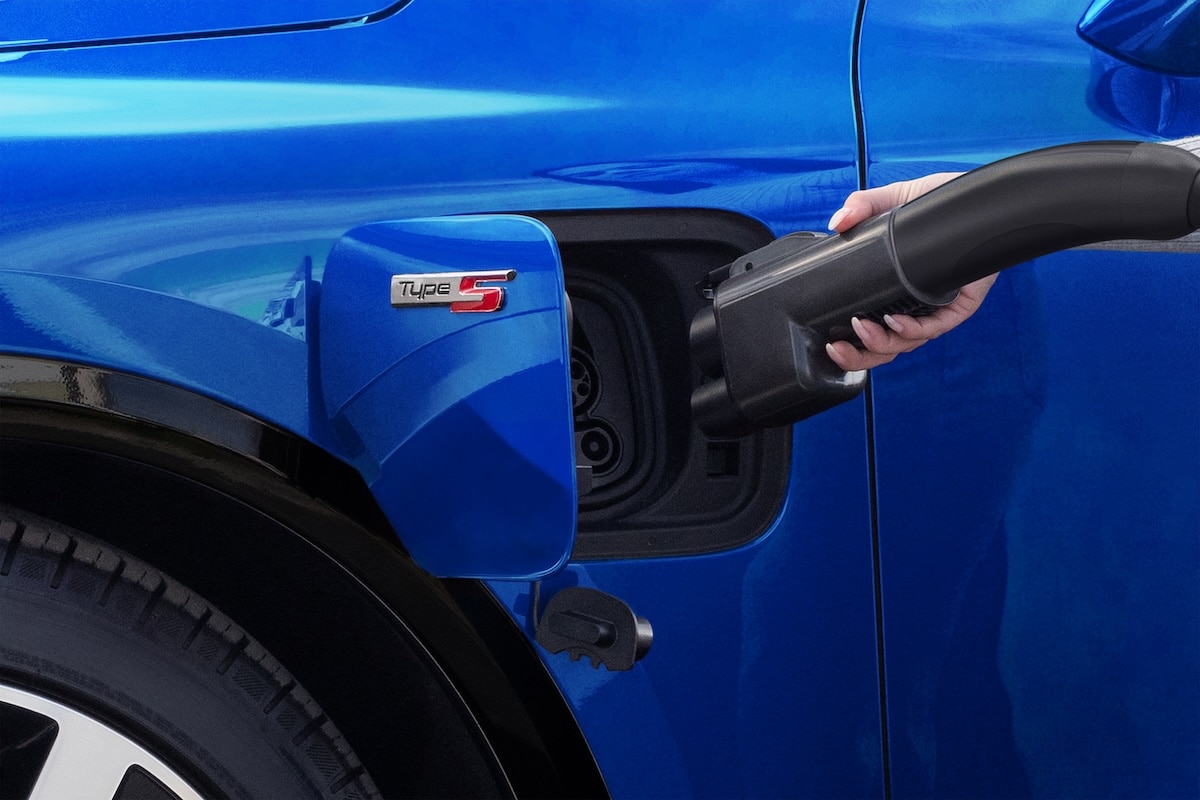
For Honda, the work fits into a broader effort to expand electric mobility and reach carbon neutrality by 2050. The company has been developing dynamic wireless power transfer since 2021 and has introduced its Honda Charge charging-network service in Japan.
The important word here is developed. Honda has announced underlying technology, not a finished charging network ready for widespread use. The upcoming tests must establish how well the system handles heavy loads, sustained operation, high power and real-world driving conditions.
Honda Is Not Alone
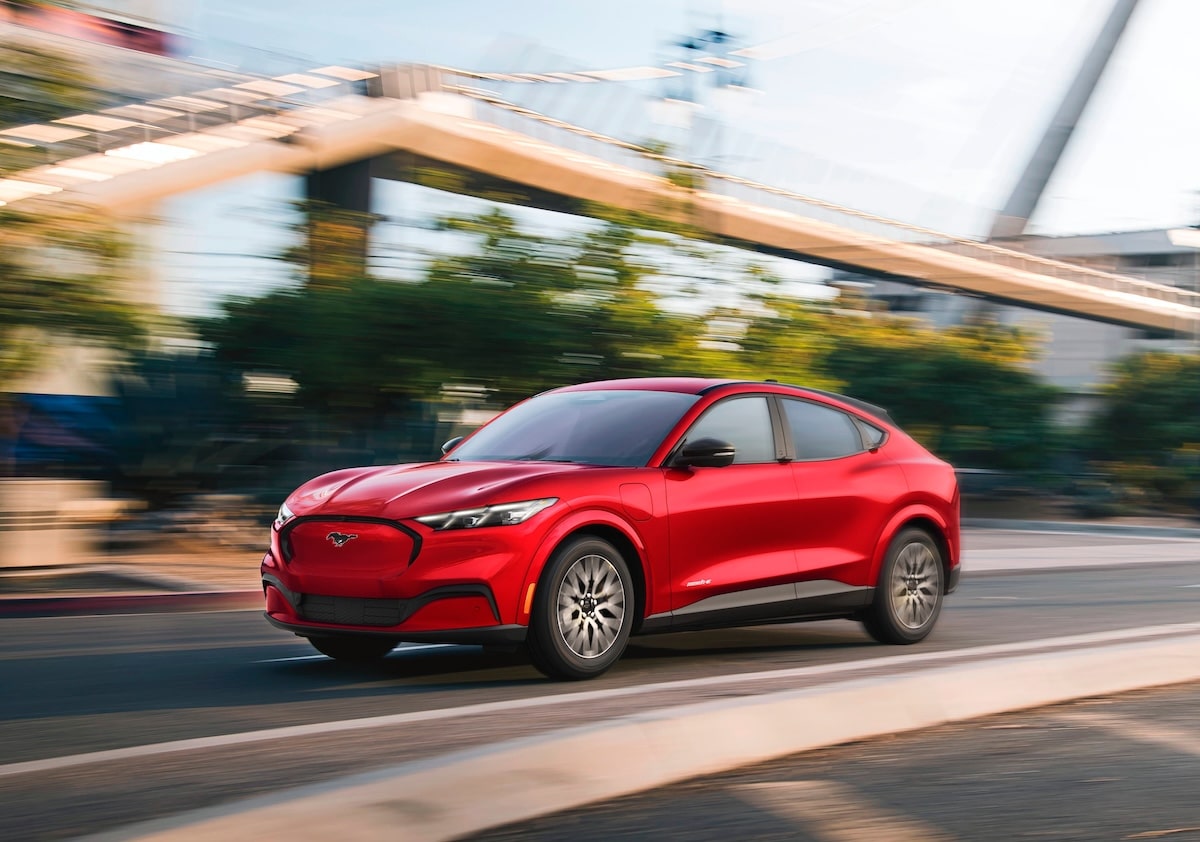
Honda’s work is part of a broader effort to simplify EV charging. In Detroit’s Corktown neighborhood, Ford and its partners have launched a public wireless-charging roadway along a quarter-mile stretch of 14th Street. Copper coils beneath the asphalt transmit power through magnetic fields to EVs fitted with special receivers. The system is being tested with Ellie, a modified Ford E-Transit electric van. The project brings together the Michigan Department of Transportation, the City of Detroit, wireless-charging developer Electreon, Ford, NextEnergy, Jacobs Engineering Group and DTE Energy.
The Upshot
The concept deserves attention because it tackles a practical problem rather than simply promising a better battery. If Honda and its partners can make the road durable, the power transfer dependable and installation economical, the pavement beneath a truck could become part of its energy system. That would be a substantial engineering achievement.
For now, the road ahead is still a test road.