For a while, buying an EV was like buying concert tickets: Get in early, because everyone said they’d sell out. So, automakers built lots of them. Then Americans stopped buying them. Dealer lots filled, discounts grew, and some EVs sat around long enough to learn the sales staff’s birthdays.
Now the glut is shrinking. Cox Automotive says new-EV inventory fell to 78 days in August, just two days above gasoline vehicles. Used-EV supply dropped to 42 days, matching gasoline cars. And with gasoline prices rising, Bloomberg reports that consumers are showing renewed interest in EVs.
Here are five things to know.
1. The EV boom went bust. Now the bust is going away.

Automakers spent years preparing for an electric future. They built factories, ordered batteries by the shipload and introduced enough new EVs to populate a small country. Sales surged in August 2025 as buyers rushed to beat the disappearing federal incentive deadline, making August 2026’s 46.9% decline look particularly ugly.
But here’s the twist: the glut is disappearing. New-EV inventory fell 9.6% from July to August, narrowing the gap with gasoline vehicles to two days. So don’t assume every EV is still wearing a discount sticker the size of a bedsheet. The fire sale may be running out of fuel.
2. Bargains remain, but don’t assume the dealer is desperate.
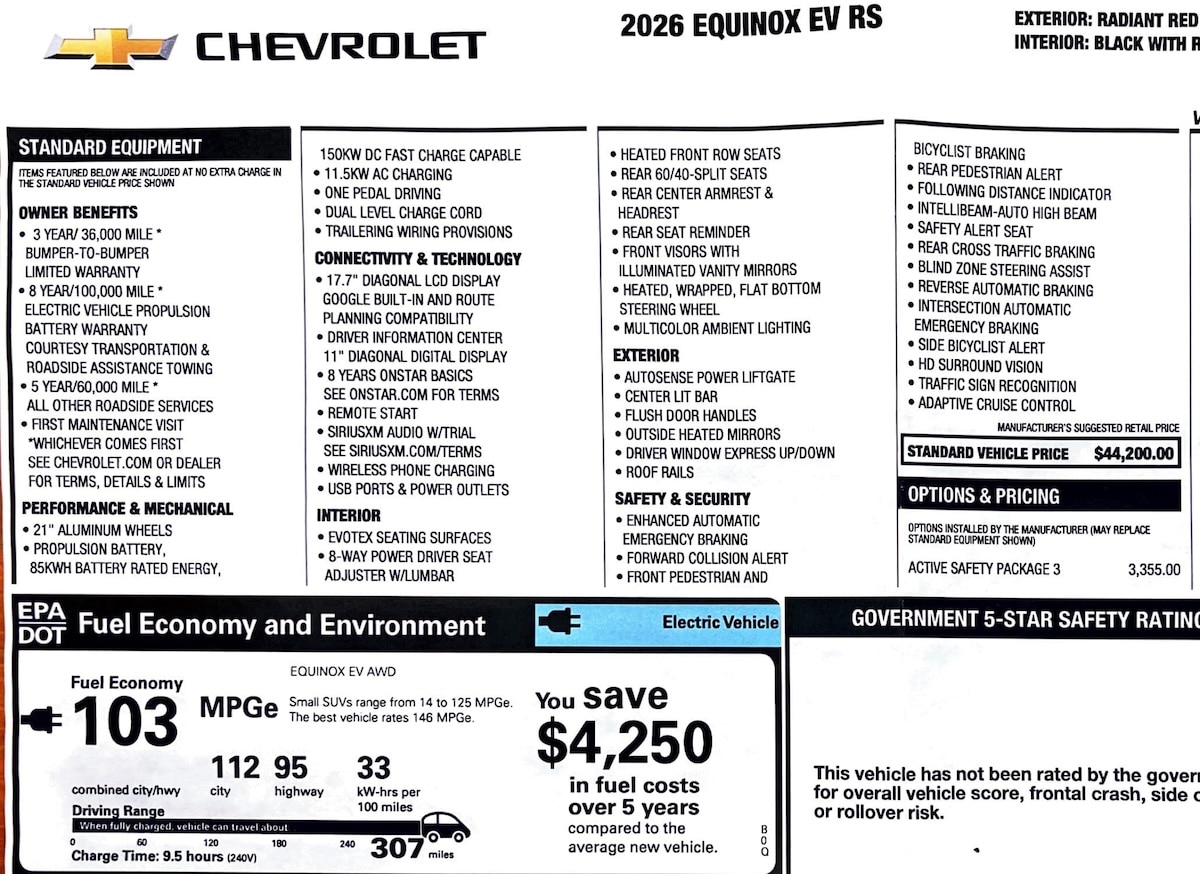
There was a time when walking into an EV showroom felt like a going-out-of-business sale. Those days aren’t entirely gone, but they’re becoming less common. Cox says the average new-EV transaction price fell to $54,754 in August, with incentives averaging 12%, or about $6,594. The EV premium over comparable gasoline cars also shrank to 9.7%.
Still, inventory is moving closer to normal. So shop around. Compare the transaction price, incentives and financing, not the giant red number on the window. The best deal isn’t the biggest discount. It’s the smallest check you have to write for the shortest amount of time.
3. Gasoline has remembered how to be expensive
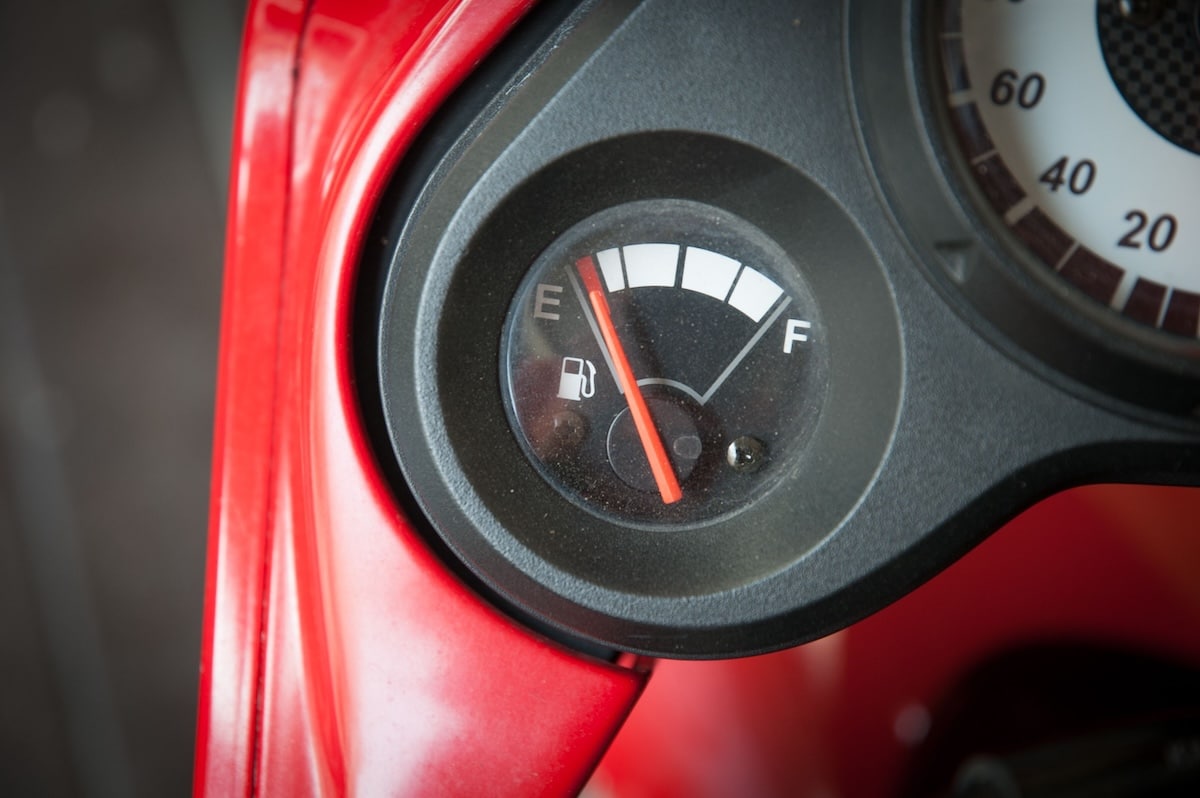
For years, fuel savings were one of the great EV selling points and one too many car buyers ignored. Then gasoline got expensive and suddenly Americans became interested in fuel economy again. When filling the tank feels like making a recurring donation to an oil company, alternatives become rather attractive.
The math depends on gasoline prices, electricity rates and efficiency. But you don’t have to hate internal combustion to enjoy spending less to get somewhere. Turns out the best EV argument may not be saving the planet. It may be saving your wallet.
4. The used-EV market may be the real action
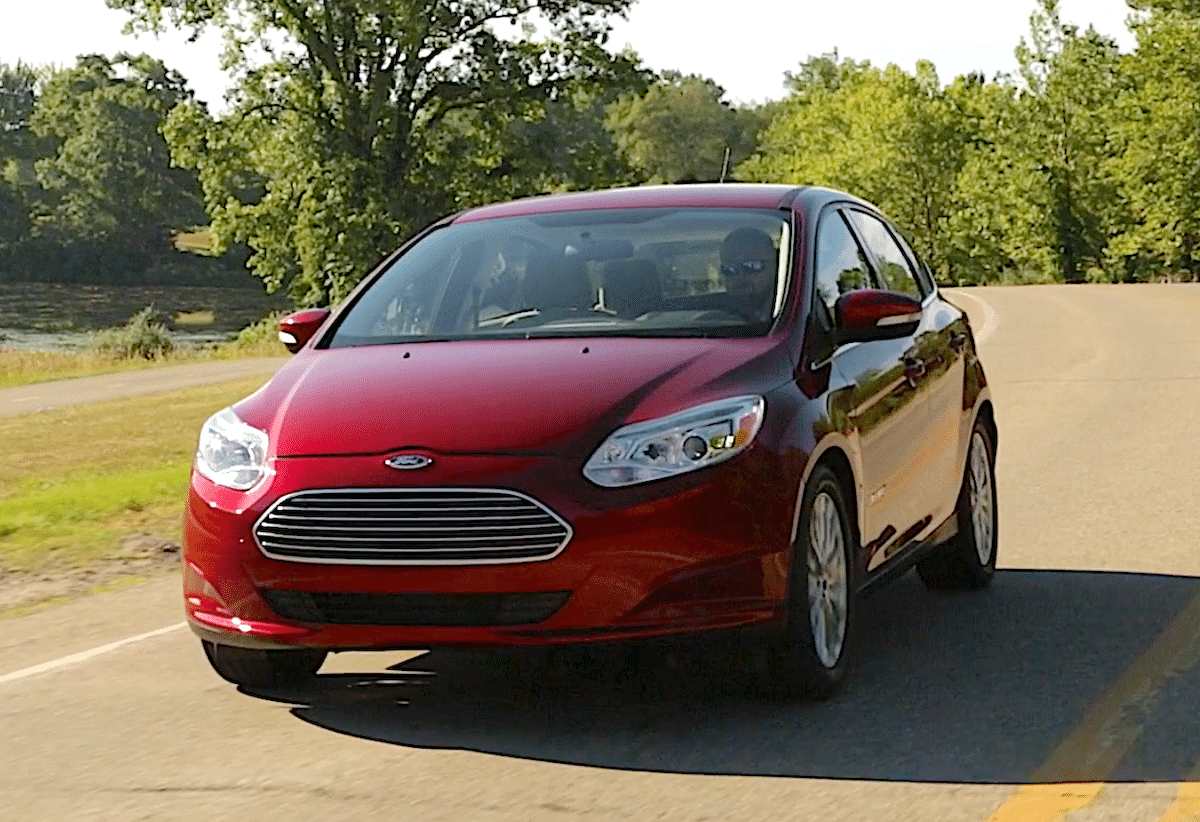
A growing supply of off-lease EVs is giving used-car shoppers more choice. Cox says used-EV sales jumped 14.7% year over year in August to 44,350, while inventory fell to 42 days, matching gasoline cars for the first time this year. These aren’t just unwanted electric orphans. People are buying them.
And depreciation, normally the EV owner’s least favorite word, can be your friend. Let somebody else pay the new-car premium and watch the value evaporate. Then stroll in and buy the three-year-old version for considerably less. Just check the battery, warranty, charging capability and history first.
Buying used isn’t settling for less. It’s letting someone else set fire to the money.
5. Buy the EV for the life you actually have
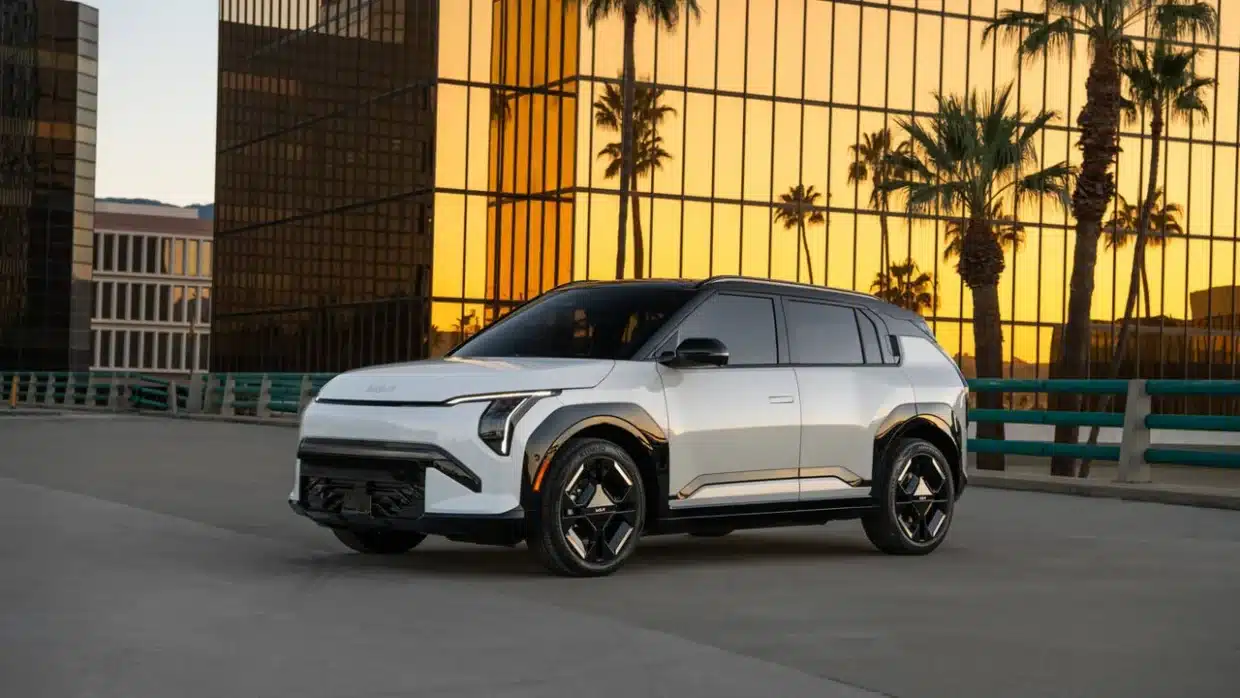
How far do you actually drive? If you commute 35 miles a day, charge overnight and take one long road trip a year, buying the biggest battery available is like buying a Boeing 747 because you occasionally fly to Cleveland. Buy the EV that fits your life, not your fantasy life.
The good news: Lower-priced EVs gained share in August, narrowing the price gap with gasoline vehicles as inventories continue moving toward normal.
The Upshot
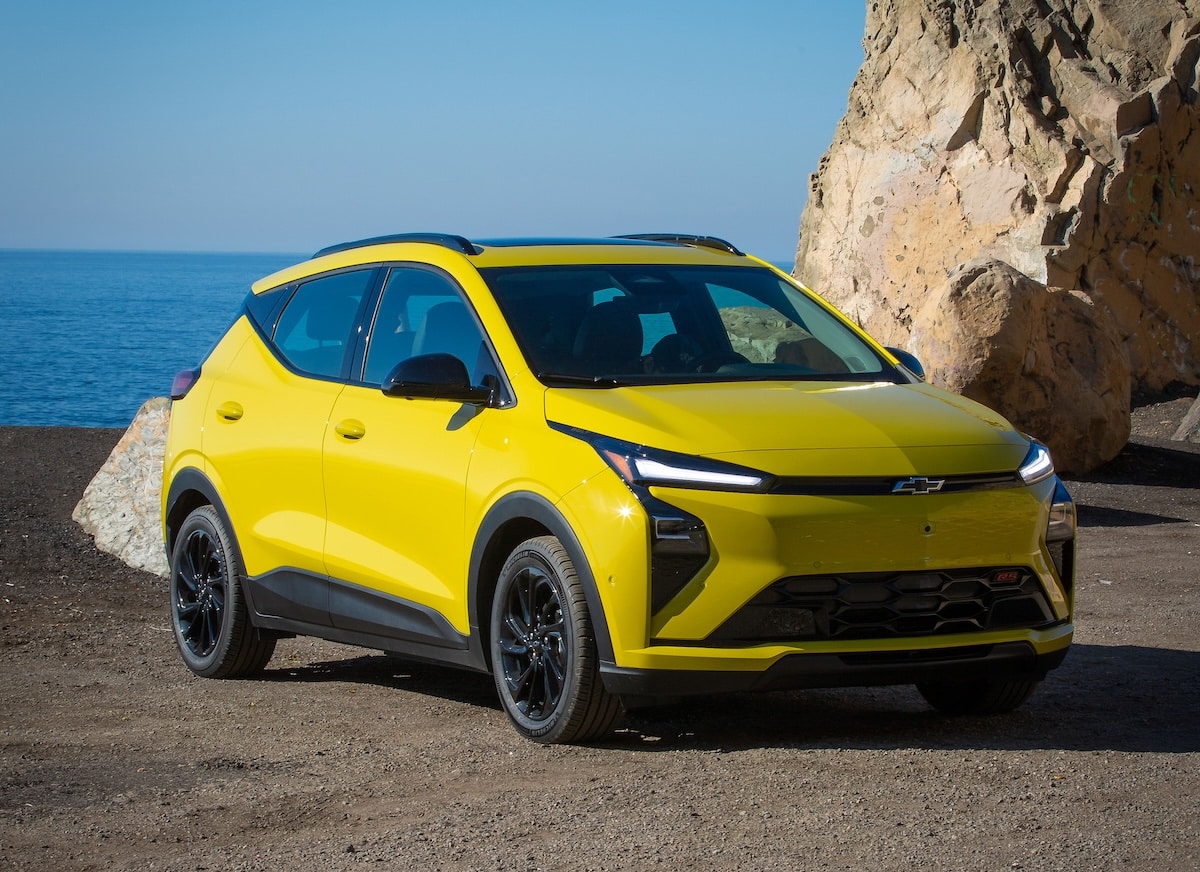
Fueled by federal incentives, the EV boom produced too many cars. When the incentives vanished, inventories ballooned. Discounts followed. Now the excess is nearly gone. Cox says new-EV inventory was just two days above gasoline vehicles in August, while used-EV supply had already reached parity.
Meanwhile, expensive gasoline is giving EVs another look.
Should you buy one? Maybe. You don’t have to worship it as the future or bury it as a failed experiment. It’s just another car. And that’s probably the best thing that could happen to the EV