There was a time when a car dashboard was a wonderfully simple place. It had buttons and knobs. You pressed one and something happened. Need the rear window defrosted? Press the button with the little rectangle on it. Want the radio louder? Turn a knob. No tutorial. No “are you sure.” No software update. No Wi-Fi connection. No need to stare at a screen while traveling at 70 mph in a 4,000-pound machine.
Then someone in the automotive industry looked at a perfectly functional dashboard and decided it needed an iPad. And thus began the great touchscreen takeover. Humanity had finally achieved the technological dream: making a car harder to operate.
This Is Progress?
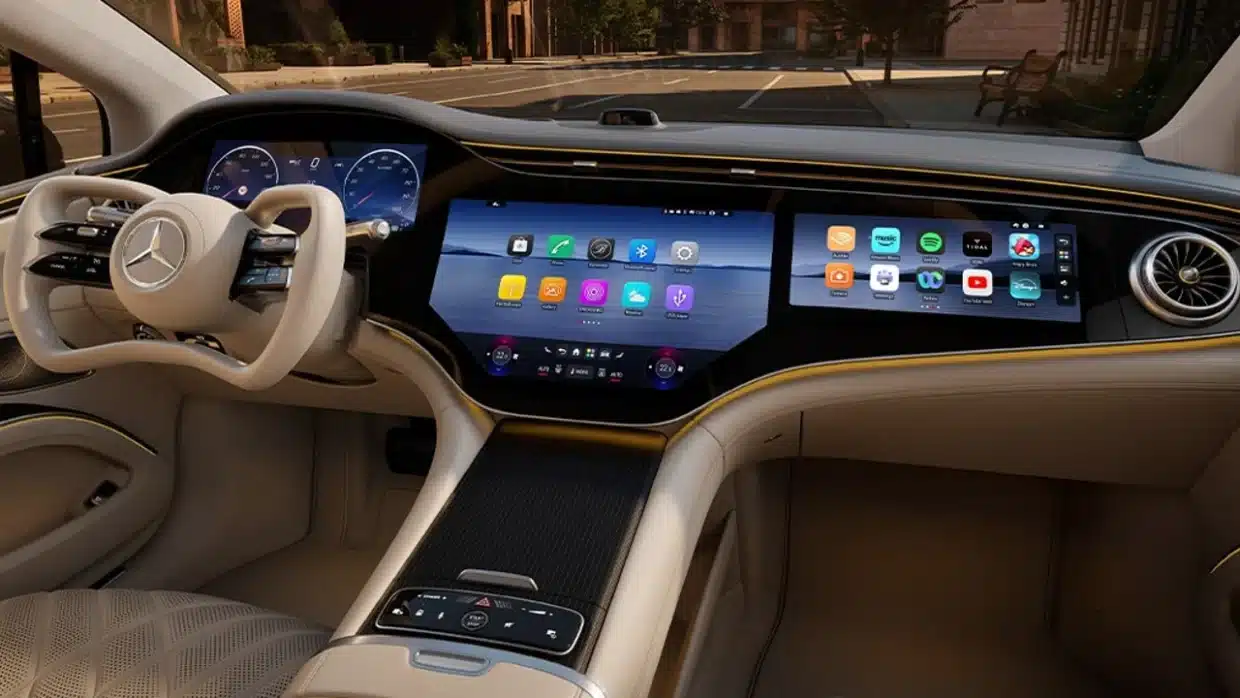
Today, you can spend $60,000 on a car equipped with cameras, radar and enough computing power to run a small financial institution, only to discover that changing the temperature requires you to tap a tiny virtual snowflake, swipe twice, select “Climate,” find the temperature control and then confirm that, yes, you really would like the cabin to be less like Death Valley. This is especially enjoyable when you’re driving.
Admittedly, modern touchscreens aren’t terrible. Screens are excellent for things that benefit from being on a screen, like navigation, backup cameras, maps, vehicle information and charging status. The trouble begins when automakers decide that because a screen can do everything, it should do everything. This is the sort of thinking that eventually leads to a refrigerator with no door handle because the manufacturer has decided handles are an outdated interface. Just download the refrigerator app.
Who’s To Blame? Let Me Guess
Automakers allege that touchscreens appeal to younger buyers and that might be true. But there’s another demographic that’s particularly enthusiastic about touchscreens: Corporate accountants. They’ve discovered that buttons cost money. They have to be manufactured. They have to be installed. They have wires. They have switches. They occupy space. Ferrari CEO Benedetto Vigna said recently that putting a control on-screen can save as much as 50% compared with manufacturing a physical button. At that point, the button isn’t a piece of equipment. It’s financially irresponsible.
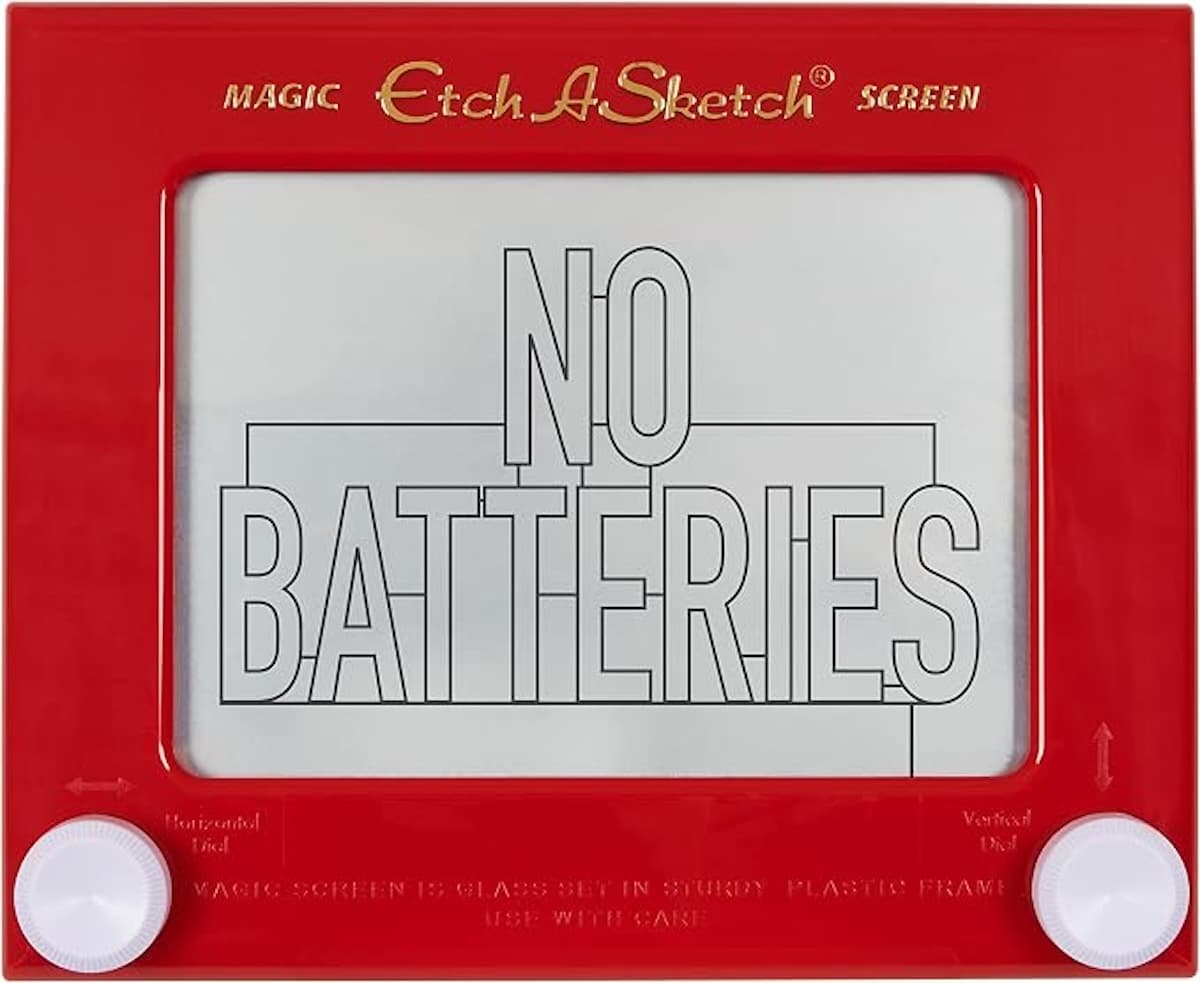
So, climate knobs disappear. Radio controls vanish. Buttons become icons. And suddenly it looks like someone mounted an Etch-A-Sketch on the dashboard. But one glowing rectangle can replace a whole collection of switches, knobs and dials. Imagine the 50% savings multiplied across millions of units. The manufacturer saves money. The shareholders smile. The customer pays $60,000 and has to play “Where’s Waldo” with the air conditioner controls. Everybody wins – except the person driving the car.
But Here’s The Problem
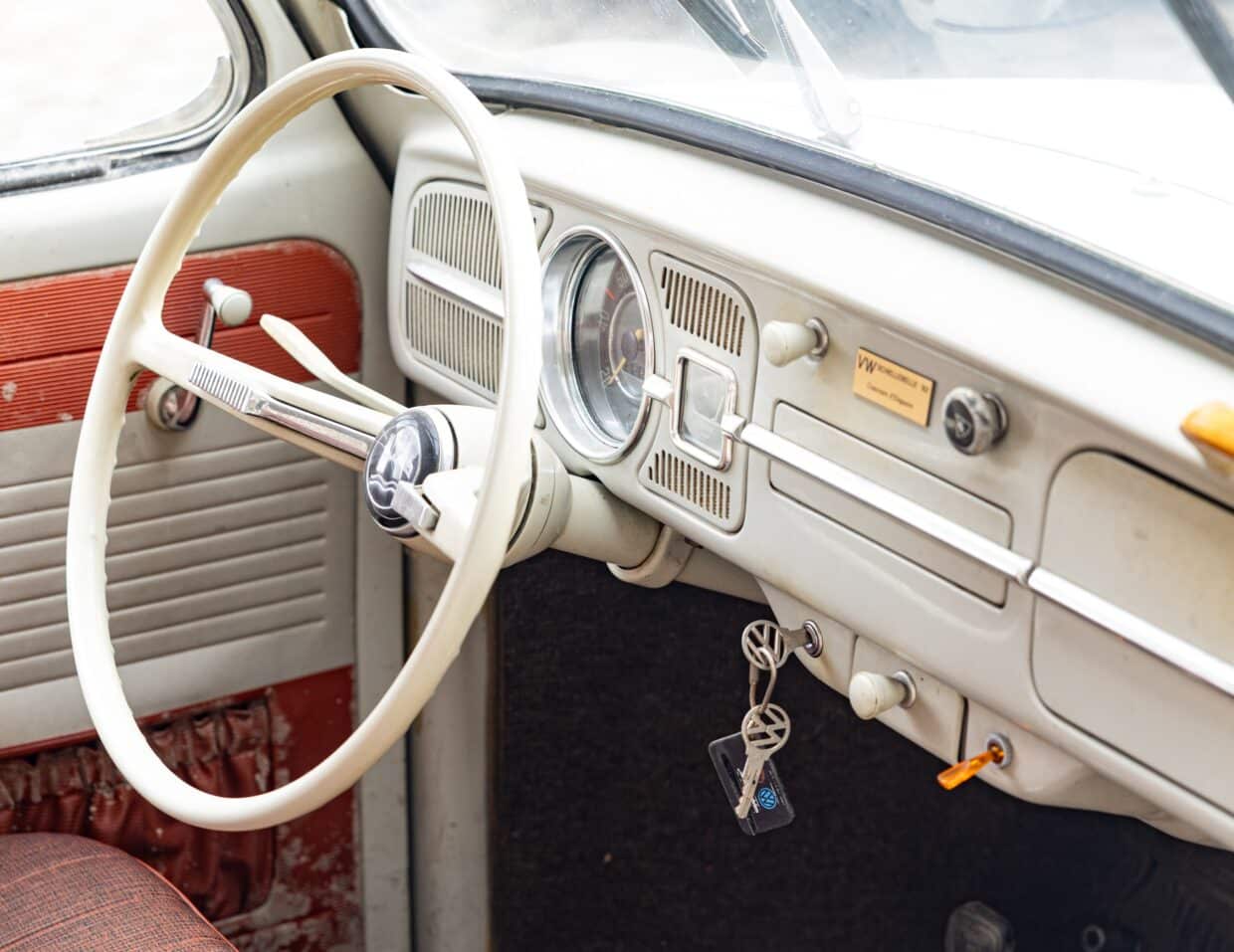
Yes, touchscreens are flexible. A physical button does one thing. A touchscreen can do hundreds. That’s wonderful, except that you’re driving. Physical controls have something software can’t replicate: muscle memory. You know where the volume knob is. You know where the wipers are. You can adjust the temperature without looking. You can operate these things while watching the road, which is typically considered desirable when operating an automobile.
A touchscreen destroys that familiarity because the controls can move. Yesterday the heated seats were here. Today they’re in another menu. Tomorrow they’ll be hidden inside a $7.99 monthly butt warmth subscription app that will probably requires you to pass a Captcha test before warming your backside. And trying to hit an icon while driving over a pothole is basically the game Operation, except the patient is traveling at highway speed and the penalty for missing isn’t a buzzer. It’s the curb. Or the minivan. Or, in a particularly exciting incident, all three.
One Automaker Hasn’t Drunk The Kool-Aid
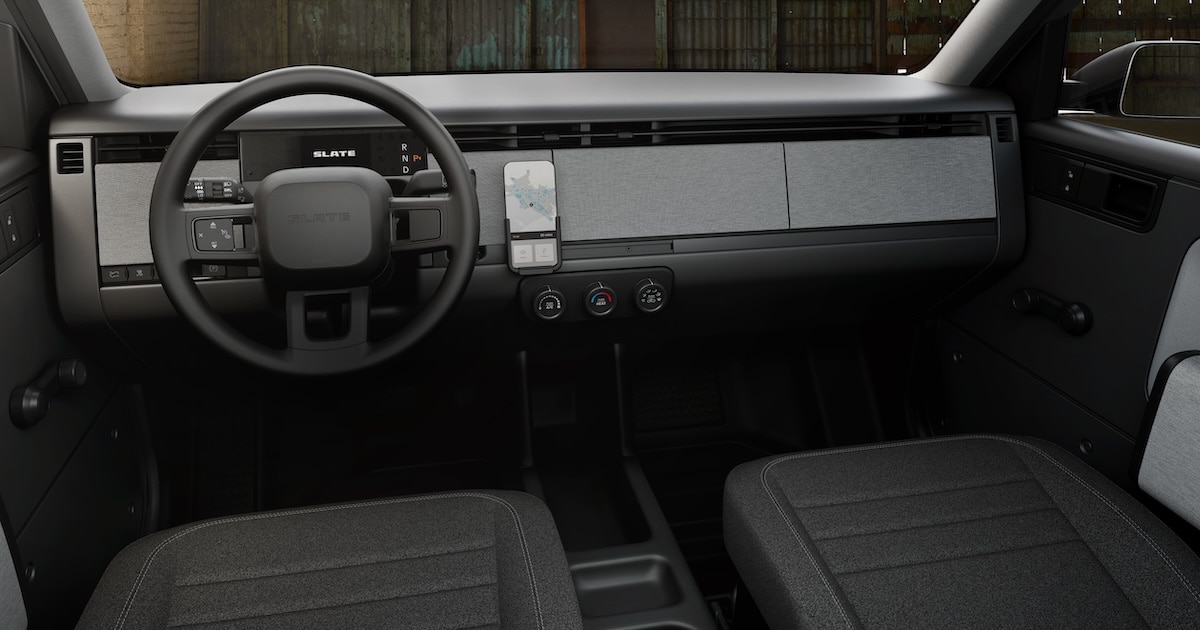
Which brings us to Slate Auto. Slate is building an electric pickup truck around a radically unfashionable idea: perhaps a car doesn’t need to turn every function into software. Its cabin uses physical climate controls, while the company has skipped the traditional built-in infotainment system. Instead, you can mount and charge your own phone or tablet. In other words: bring your own technology.
You already have a phone. You already know how it works. You already have your music, navigation and apps. So why buy another giant proprietary computer that will look like it was designed during the Hoover administration before the car is paid off?
Slate’s philosophy is refreshingly simple: use technology where it helps, and use buttons where buttons work better. This should not be a revolutionary philosophy. It should be common sense. But common sense has apparently been discontinued because it wasn’t sufficiently scalable.
The Upshot
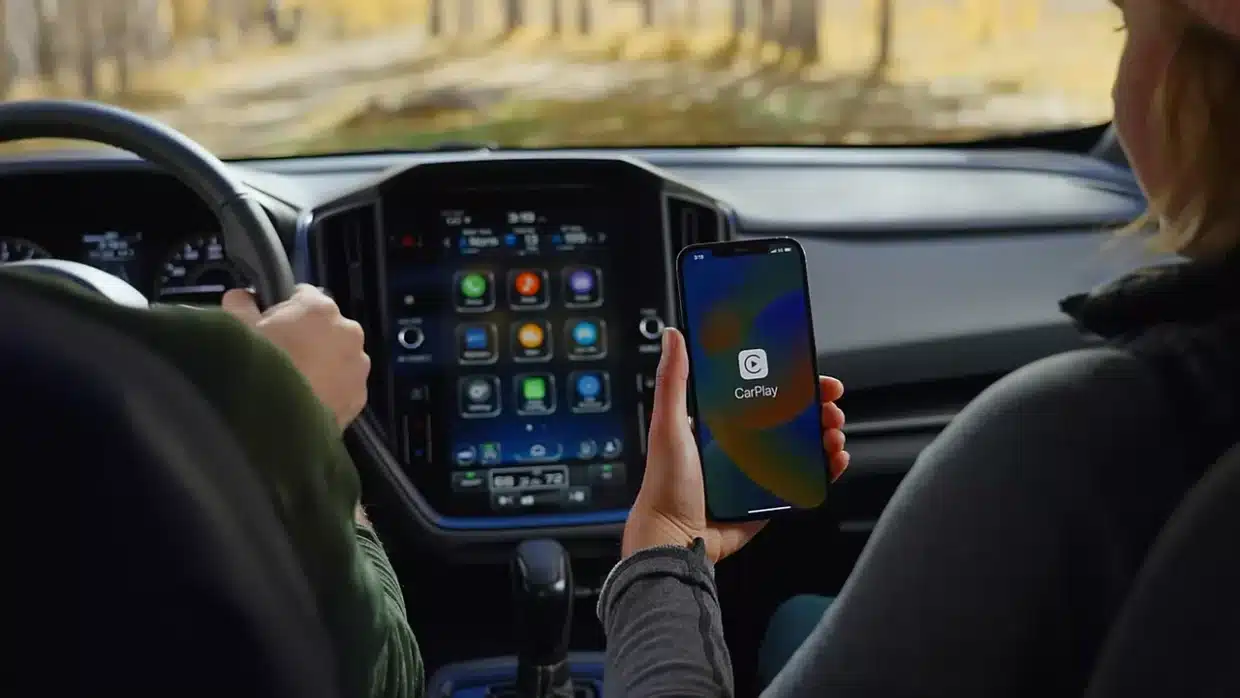
Slate Auto makes an important point the industry seems to have forgotten: a feature isn’t automatically better because it requires a computer. Software isn’t inherently superior. Sometimes, the most advanced solution is the thing that doesn’t require software. Just press the button. Click. Done.
And if that sounds primitive, well, there’s always the touchscreen. It’s probably somewhere under Settings.
Editor’s note: This column originally appeared in The Car Collective Substack. To subscribe, click here.