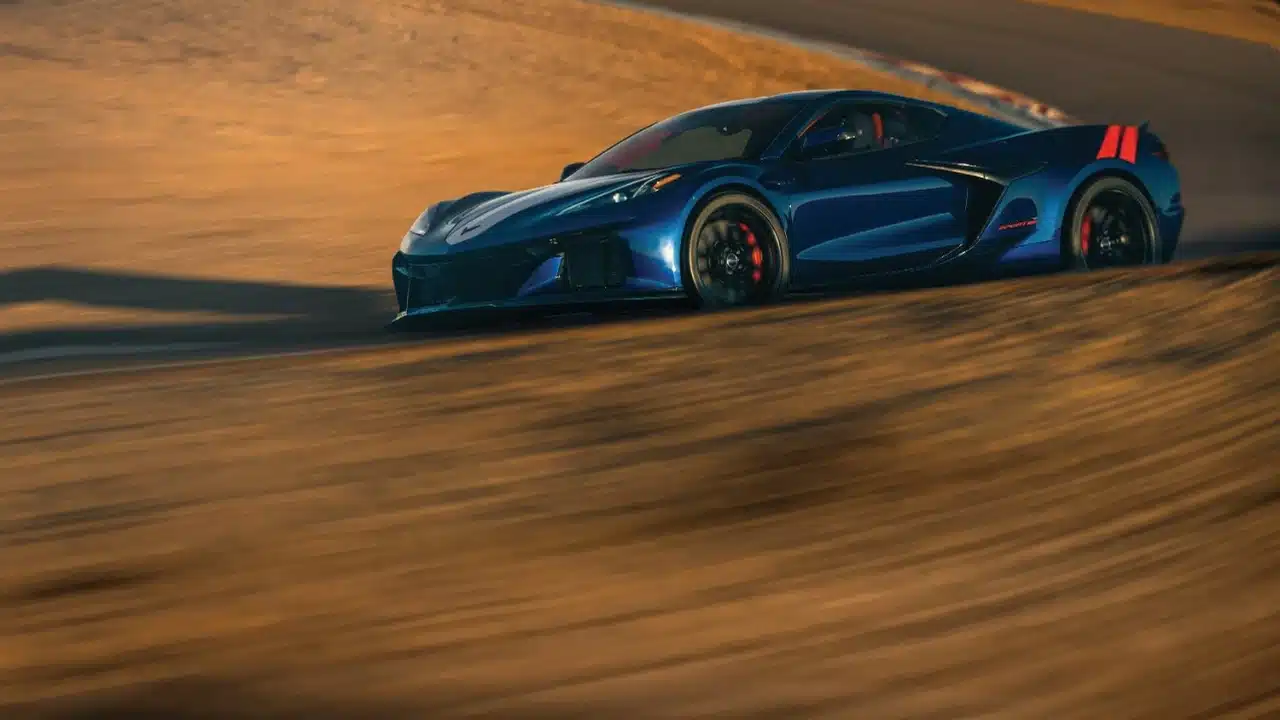
A bigger engine sounds like the simplest way to make a faster Corvette. The new Corvette 6.7L LS6 V8 shows why the real work goes much deeper. Chevrolet rates it at 535 horsepower and 520 lb-ft of torque, but the interesting questions concern how it delivers that output and what changed to support it.
Published interviews with small-block assistant chief engineer Mike Kociba and other Corvette engineers offer a useful look beyond the specification sheet. Drawing on The Fast Lane Car, Road & Track and GM News, here are four decisions that explain the new engine’s character—and the questions owners should still keep separate from the sales pitch.
More displacement, with everyday torque in mind
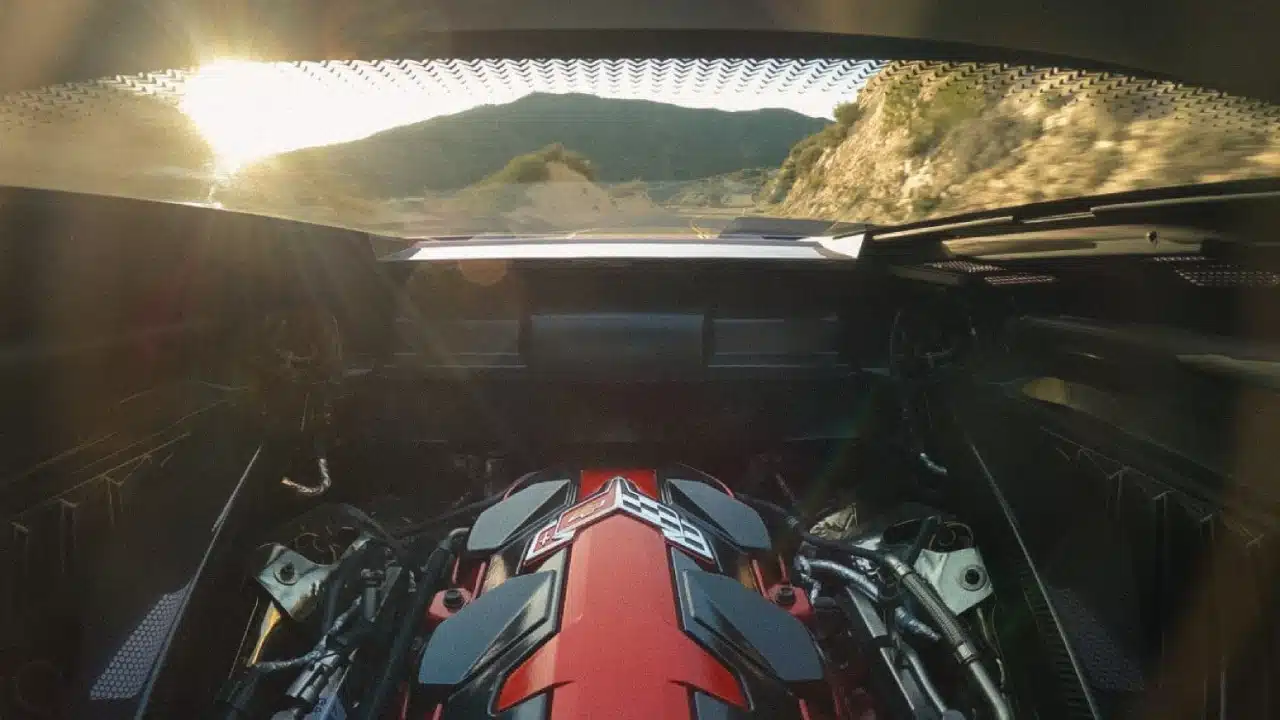
In GM News’ engineer Q&A, Kociba describes the LS6’s appeal as strong response at low engine speeds, with enough power left for track driving. The 6.7-liter engine powers the 2027 Stingray and Grand Sport, and also serves as the gasoline engine in the Grand Sport X hybrid.
In the TFL interview, Kociba explains that the cylinder bore stays at 103.25 mm while piston stroke grows from 92 to 100 mm. That is how displacement increases.
That emphasis matters because a peak horsepower figure says little about how often a driver needs to chase high revs. Our takeaway is that Chevy is selling accessible performance as much as a bigger number: the kind of response that can make ordinary driving satisfying without demanding a racetrack.
The familiar name is intentional, too. In Lucas Bell’s Road & Track interview, Kociba connects the LS designation to the brand’s performance heritage and the six to this small-block generation. A reused badge should not be mistaken for a reused engine.
Cooling and oiling had to change with it
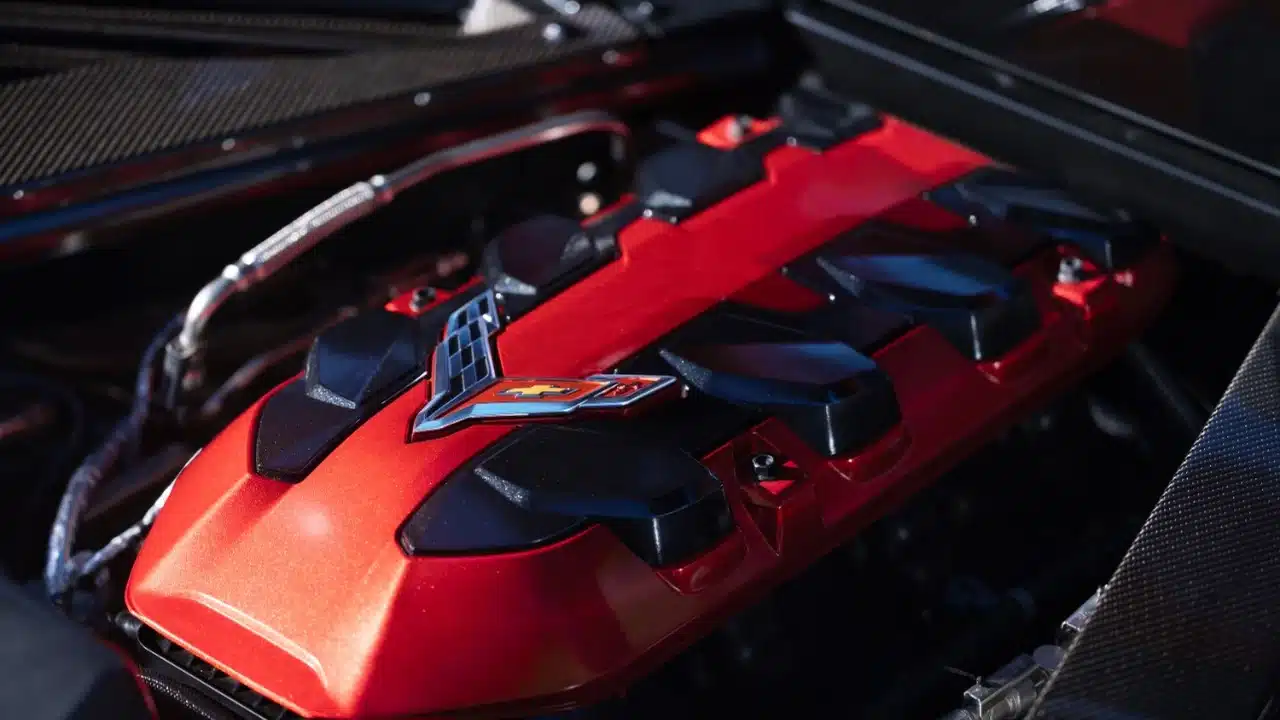
Kociba explains in TFL’s engineering interview that the 13:1 compression ratio required careful temperature management. Revised coolant passages target hot areas around the spark plugs and exhaust valves. The engine also uses two main oil feeds, forged pistons, rods and crankshaft, plus a variable oil pump.
These are the details worth looking at when a manufacturer announces more power. A performance engine has to manage heat and lubrication repeatedly, not simply complete one impressive acceleration run. Cooling and oil supply are part of the performance story even though neither makes an especially catchy badge.
They also do not establish a lifetime reliability record. New hardware can address known engineering demands, but owners will judge the result through years of use. We would treat the engineers’ explanations as evidence of the design priorities, not a promise that repairs are impossible.
Two fuel systems—and cylinder deactivation stays
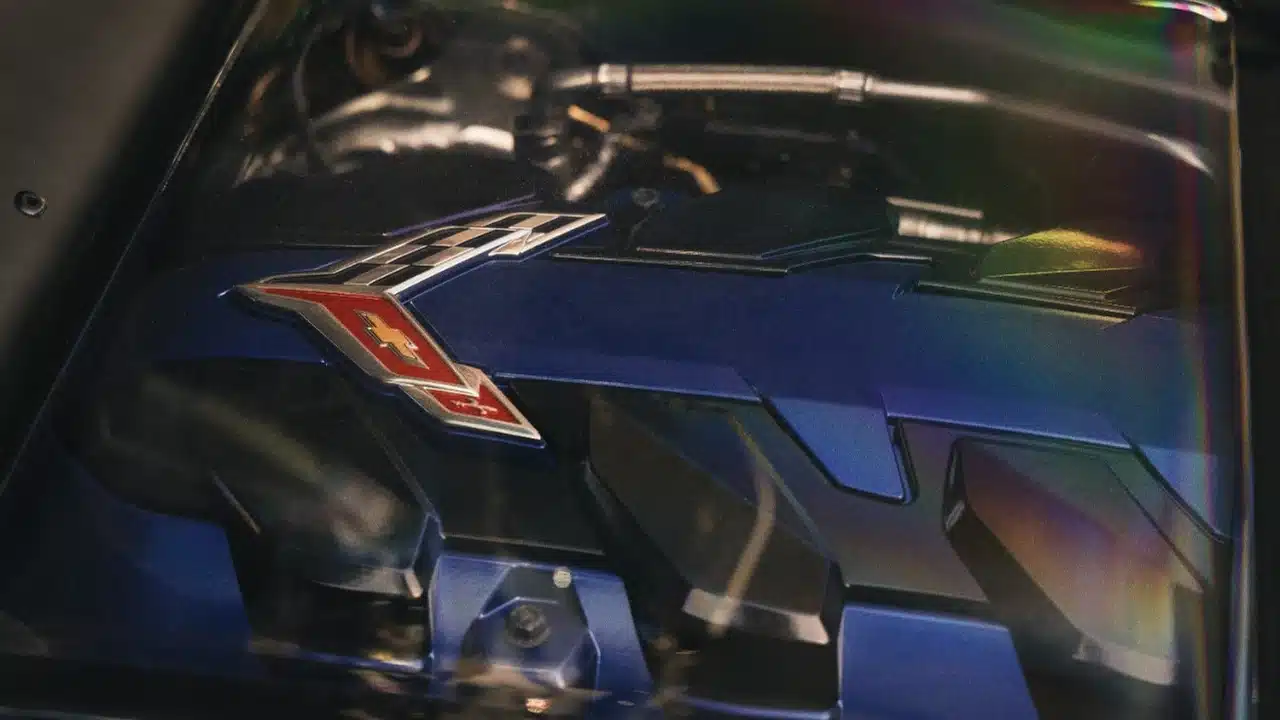
At 6:33 in the TFL interview, Kociba explains that port injection joins direct injection. He describes quieter idle operation and greater flexibility for efficiency and emissions. Later, he confirms four-cylinder and V8 operating modes remain, with revisions to the lifters and springs.
For shoppers concerned about cylinder deactivation, that is the answer to the immediate equipment question: it has not disappeared. The more useful follow-up is how the revised system performs in service. A description of stronger components and a proven improvement in long-term failure rates are different kinds of evidence.
Likewise, an engineering efficiency claim is not automatically an EPA fuel-economy result or a prediction of your mileage. Traffic, speed and how you use the accelerator still matter. The practical point is that the larger engine was developed alongside fuel-management changes, rather than in isolation.
The LS6 has a different job from the Z06’s LT6
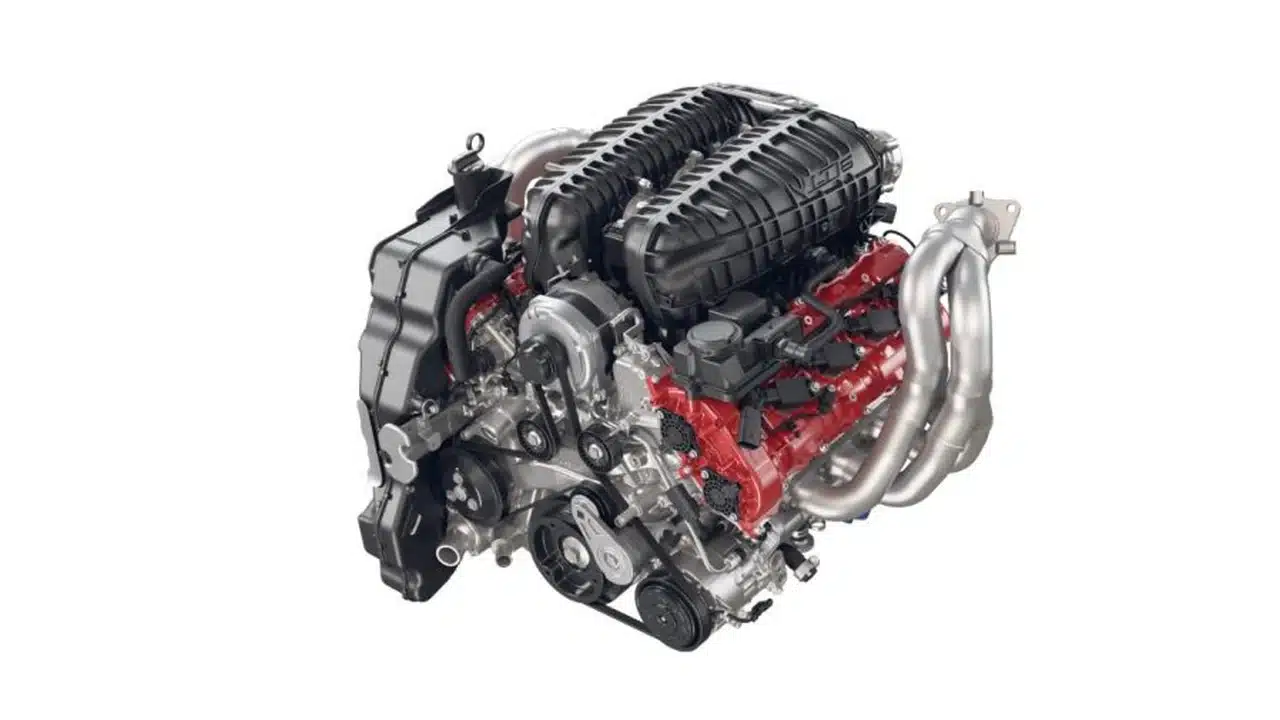
The similar names can be confusing. In the GM News discussion, engineer Dustin Gardner describes the 5.5-liter LT6 around high-revving, flat-plane-crank character. The twin-turbo LT7 pursues another level of output. The LS6’s larger displacement and lower-speed response give it a different place in that lineup.
Our view: choose the driving experience before choosing the biggest specification. Someone who values relaxed response on everyday roads may want something different from a buyer prioritizing high-rpm track driving. More expensive does not automatically mean more enjoyable on your commute.
There is a whole car around that choice, too. Corvette chief engineer Josh Holder tells TFL that installing the LS6 involved attention to exhaust shielding and heat flow. An engine that fits still needs to work with its surroundings. That is what makes this story more interesting than simply adding half a liter. Explore more decisions like these in Engineer Explains.