A set of chunky all-terrain tires can make a family SUV look ready for a remote campsite. Whether those tires make the daily drive better is a different question. The school run, wet commute and highway trip still make up most of the miles for many owners.
In Tim Esterdahl’s interview with Rick Cunat of Kumho Americas Technical Center, the tire expert emphasized choosing around real use rather than appearance. That is a useful starting point even if your SUV will never pull a trailer or crawl over a boulder.
Match the category to the job
Kumho uses HT for highway terrain, AT for all-terrain, RT for rugged terrain and MT for mud terrain in its Road Venture lineup. Those labels describe progressively more specialized off-road intentions; they are not a ranking from bad to good.
A highway-focused tire may be a better fit for a vehicle that spends almost all its time on pavement. An all-terrain design may make sense when unpaved travel is a regular part of life. More demanding terrain can justify a more specialized tire, but the need should come from the route rather than the catalog photograph.
Ask what you give up on pavement
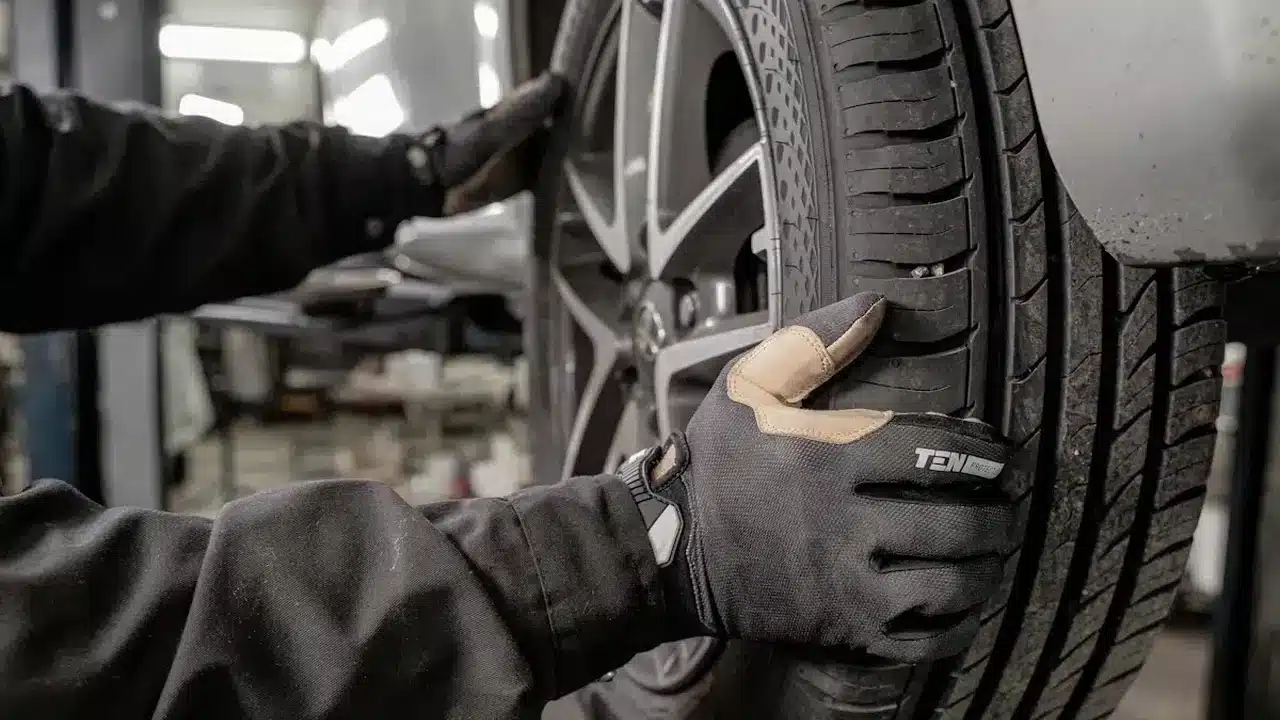
Cunat’s interview describes the balance among traction, noise, ride quality, durability and rolling resistance. An aggressive tire can add capability you value while also changing how the SUV feels and sounds during ordinary driving. There is no universal MPG penalty that accurately describes every tire and vehicle combination.
Tell the tire shop what you like and dislike about the current set. If your priorities are a quiet cabin and comfortable highway travel, say so before asking which tread looks toughest. Request a comparison of the exact products being quoted, not just broad claims about an entire category.
Keep the vehicle’s ratings in the decision

Check the manufacturer’s specified size and load requirements, and have the shop confirm the correct replacement and inflation guidance. Cunat also stressed that fitting a higher-capacity LT tire does not increase the vehicle manufacturer’s payload or towing ratings.
Do not use a tire upgrade to justify carrying more than the SUV is rated to carry. If you are considering a different size or construction, ask what changes in fitment, weight, pressure requirements and vehicle behavior the shop expects. Get those answers before installation, when choosing a different option is still easy.
Compare the full package

Ask for the installed price, the exact size and product name, and the written warranty terms. Treadwear coverage can vary by size or construction even within a product family. A mileage figure in a general advertisement may not describe the tire on your estimate.
Finally, discuss the weather you regularly encounter. An off-road-oriented name alone does not answer a winter-driving question. Choose a tire that meets the vehicle’s requirements and your actual traction needs while preserving the road manners you use every day. The best tire for your SUV may be the one that looks less dramatic in the parking lot.
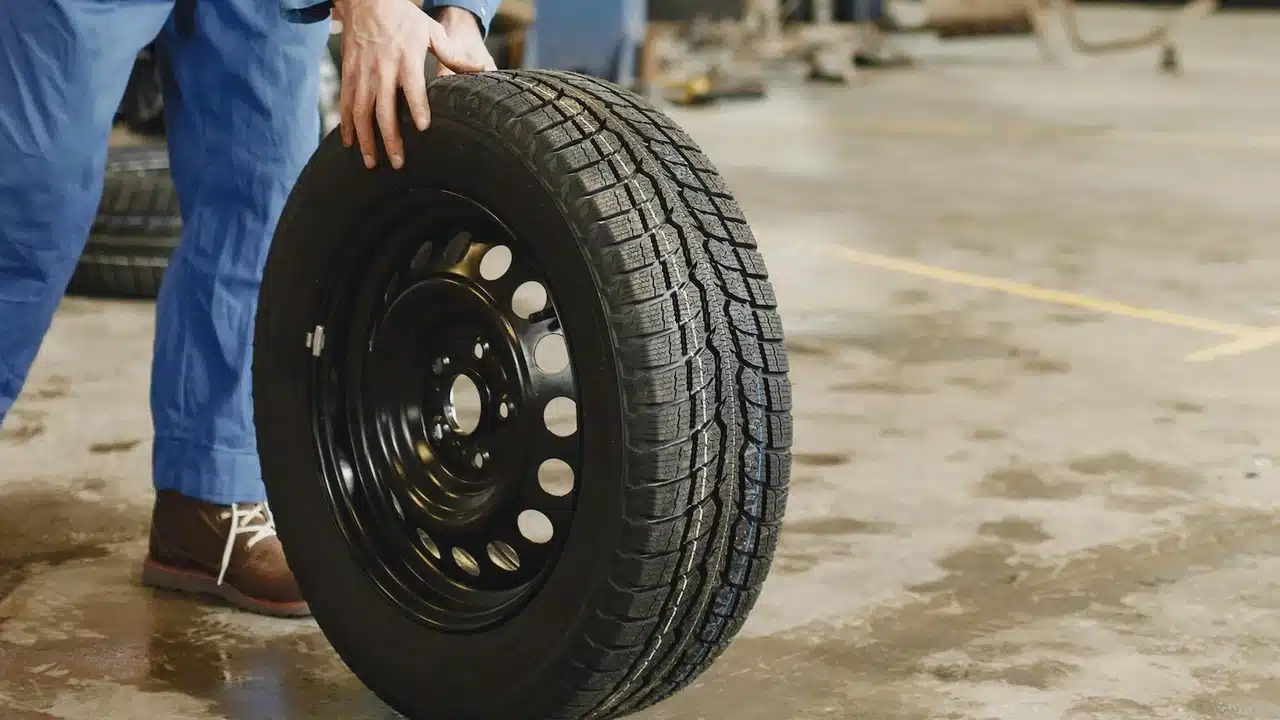
Adapted for SUV owners from Tim Esterdahl’s Pickup Truck + SUV Talk interview. Featured image is an illustrative workshop photo courtesy of Pexels / PUTT library, not a Kumho product identification.
For cold-weather decisions, read whether an AWD SUV still needs winter tires.