Your all-wheel-drive SUV pulls away from a snowy intersection without much drama. That can make it feel ready for anything winter throws at it. The harder test comes at the next red light, when you need to stop.
AWD and winter tires solve different problems. Whether a second set makes sense depends on the conditions you regularly drive through, but an AWD badge should not be the reason you dismiss winter tires.
Getting moving is only one part of the job
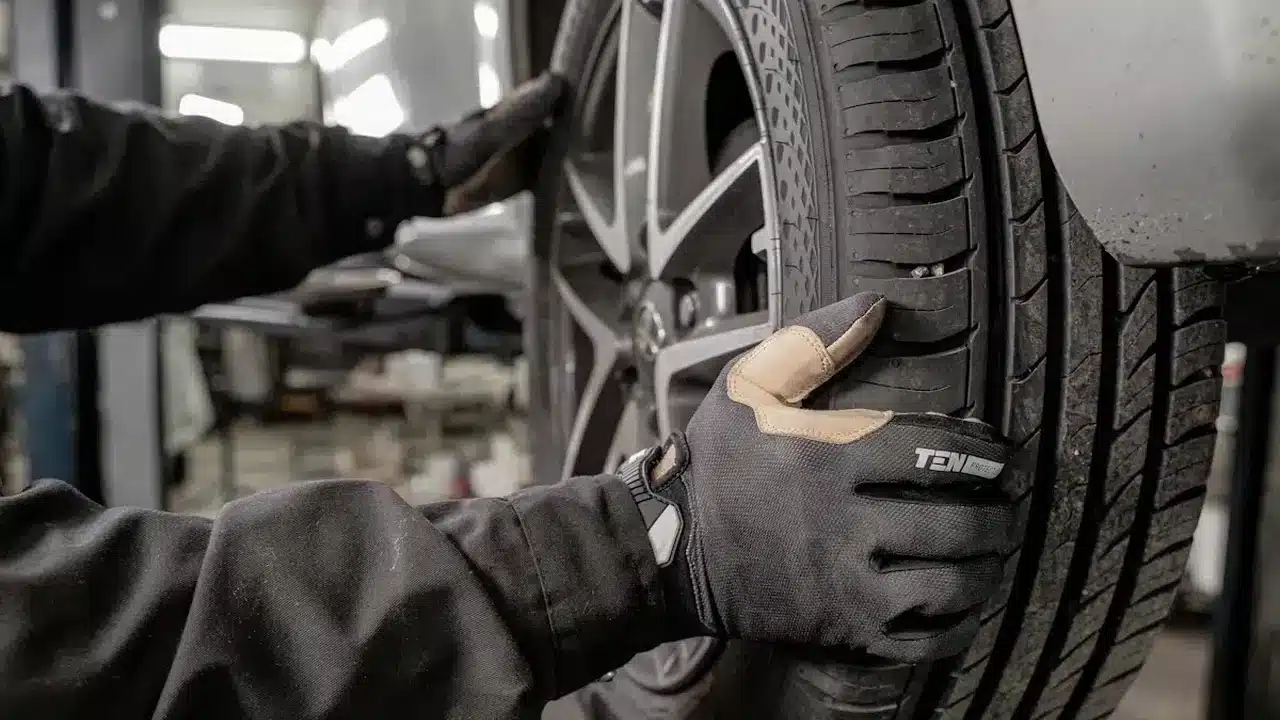
Michelin explains that AWD helps a vehicle accelerate on snow, while tire grip remains critical for braking and cornering. Sending power to more wheels does not give worn or unsuitable tires extra traction when you need to slow down.
For a household choosing between an AWD upgrade and a tire budget, that distinction deserves a place in the shopping conversation. Ask how often the car must travel before roads are cleared, whether the route includes hills and whether postponing a trip is realistic. The answer may be different for two drivers living in the same town.
Buy a matched winter setup
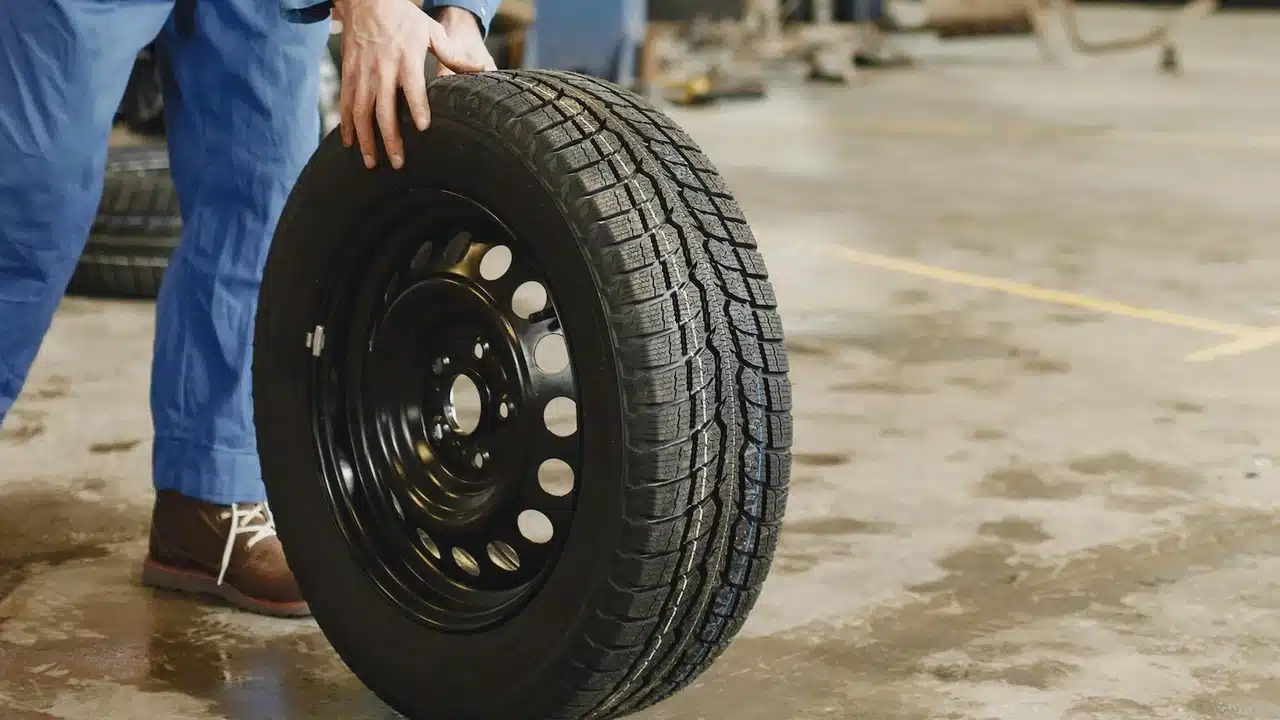
Michelin recommends four winter tires rather than mixing two winter tires with another tire type. The goal is balanced grip at both ends of the vehicle. Winter rubber compounds and tread designs are intended for cold conditions; Michelin suggests planning the change when temperatures consistently fall below about 45 degrees Fahrenheit.
Get a quote for a complete setup suited to your exact vehicle. Ask the shop to confirm size, load rating, wheel clearance and any pressure-monitoring requirements. If you want separate wheels, have the shop price those too. A price for four loose tires is not the same as the amount you will spend to drive away.
Look at your current tires before shopping
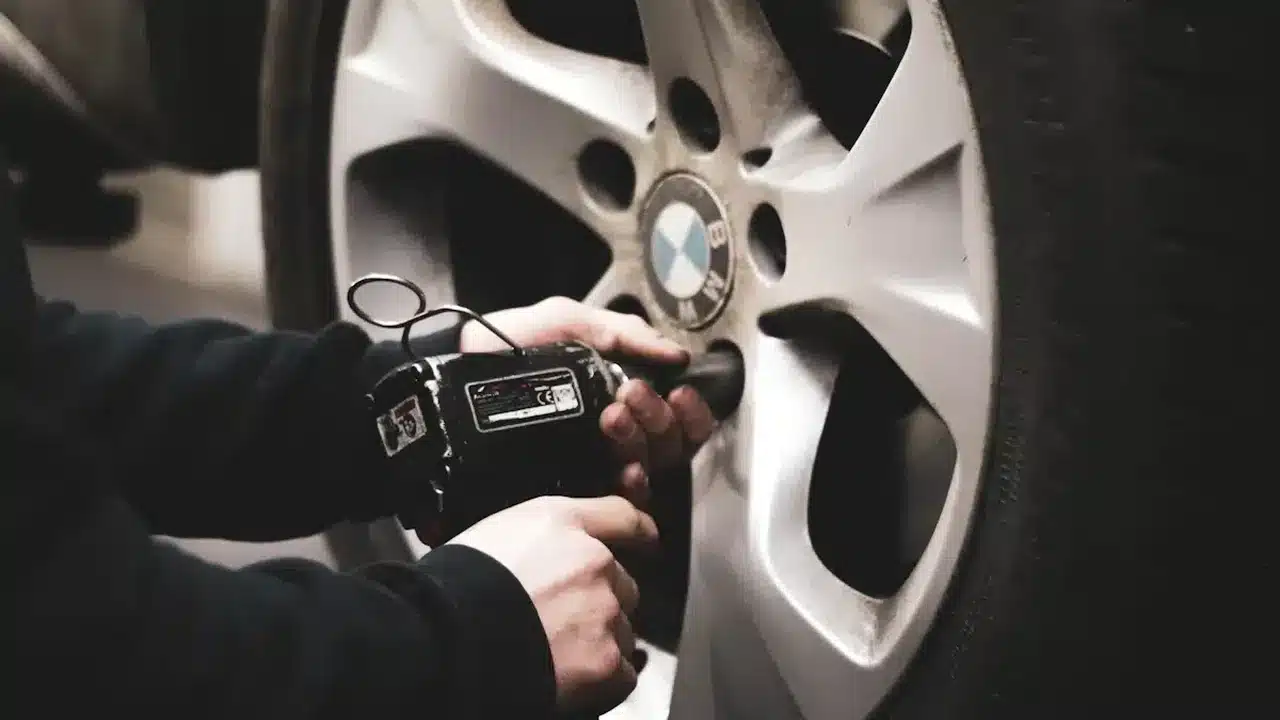
NHTSA’s tire guide distinguishes all-season, winter and summer tires, noting that winter tires perform better in deep snow and summer tires are not intended for freezing conditions or snow and ice. Start by identifying what is actually fitted to your SUV, rather than assuming the original equipment suits every season.
Ask for the tread depth and condition of all four tires in writing. Uneven wear, visible damage or an aging set can change the decision from “Should I add winter tires?” to “What needs replacing before I keep driving?” Have a tire professional assess questionable tires.
Budget for the changeovers, too
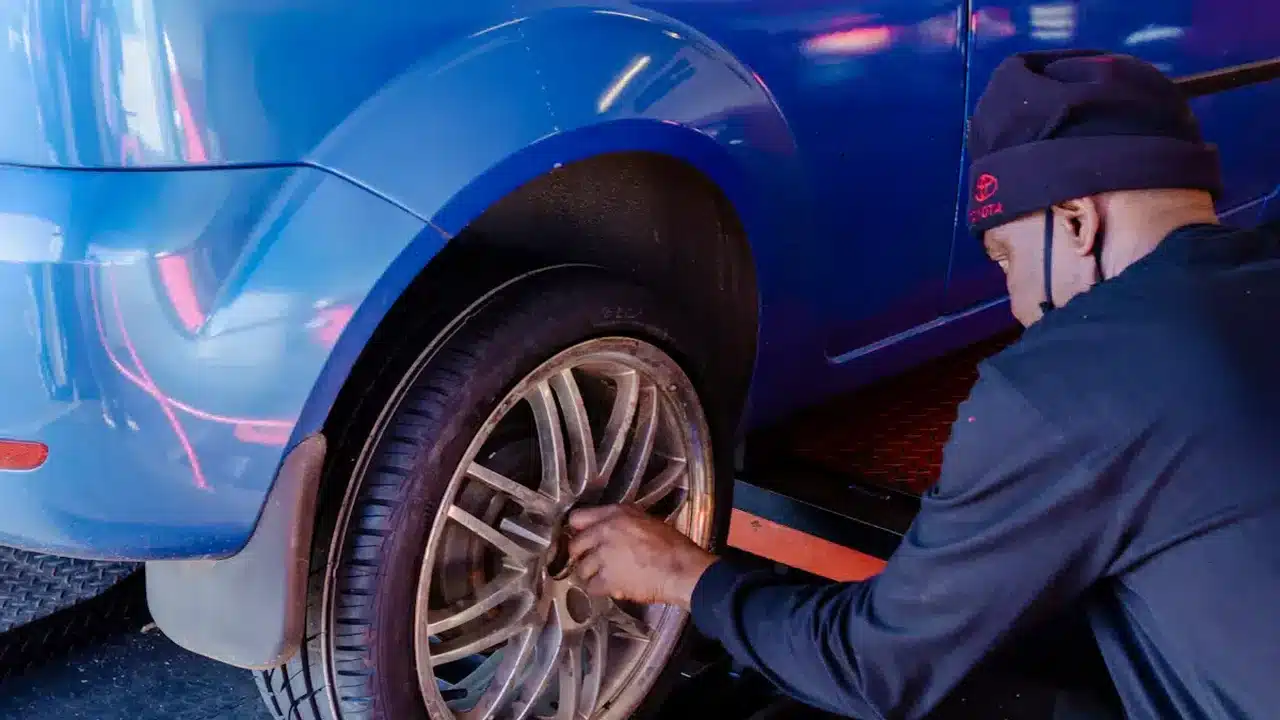
The ongoing cost includes seasonal installation and a place to store the unused set. Ask whether the quote includes mounting, balancing and any required TPMS setup, and what the shop charges when you return in spring. Also ask how you should label and store the removed tires.
Winter tires do not make slippery roads predictable. Leave more room, slow down for conditions and follow local travel guidance. The useful goal is a better-prepared vehicle and driver, not finding out how fast an AWD SUV can go when everyone else is taking it easy.
Featured image: illustrative tire service photo by Jimmy Nilsson Masth / Unsplash.
Find more practical ownership explainers in Cars 101.