A 10,000-mile oil-change interval sounds generous if you grew up with a 3,000-mile reminder sticker. It is also easy to misunderstand. An interval approved for one engine and set of operating conditions is not permission to run every car to the same mileage.
In a Pickup Truck + SUV Talk interview, Tim Esterdahl asked Jason Head, then identified as Valvoline’s senior engineering manager, why longer intervals exist. That reporting offers useful context for car and SUV owners, too.
Oil and engine development changed the discussion
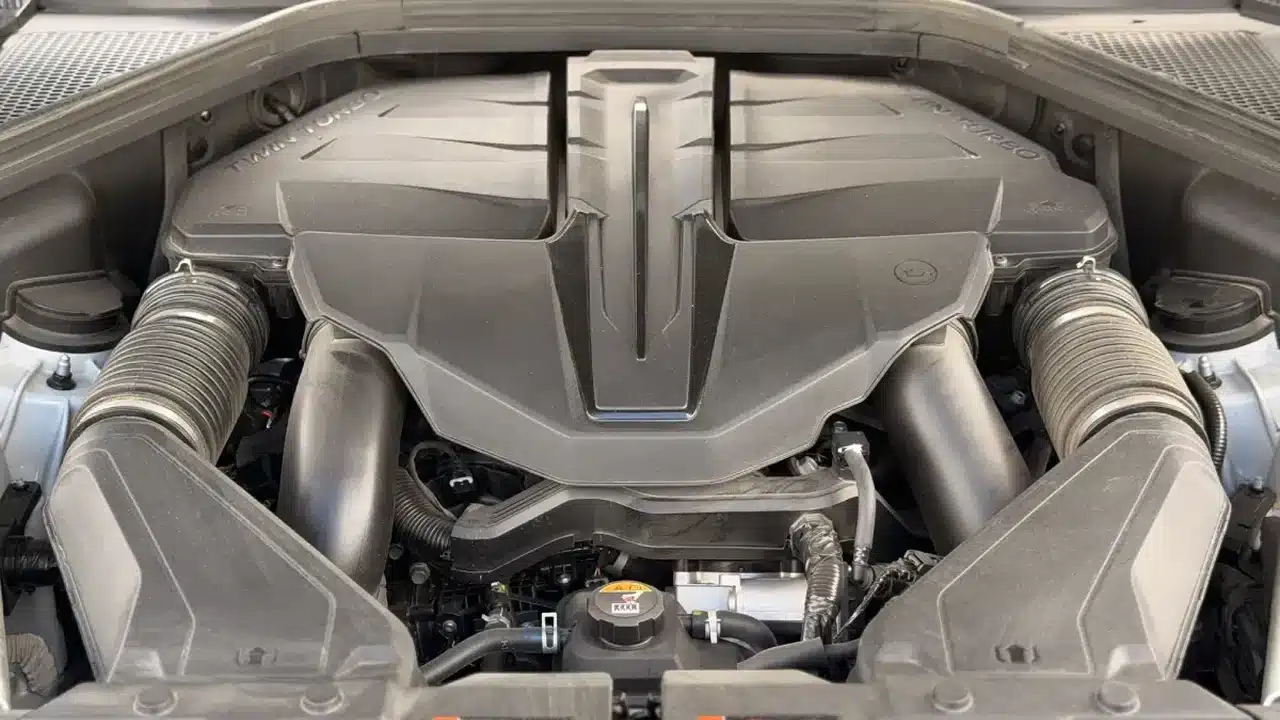
Head described advances in lubricants and engine design that support manufacturer-approved longer intervals. He also pointed to oil capacity as one consideration: more oil can mean more additive capacity and more opportunity for the oil to cool. None of that creates a universal schedule for every engine.
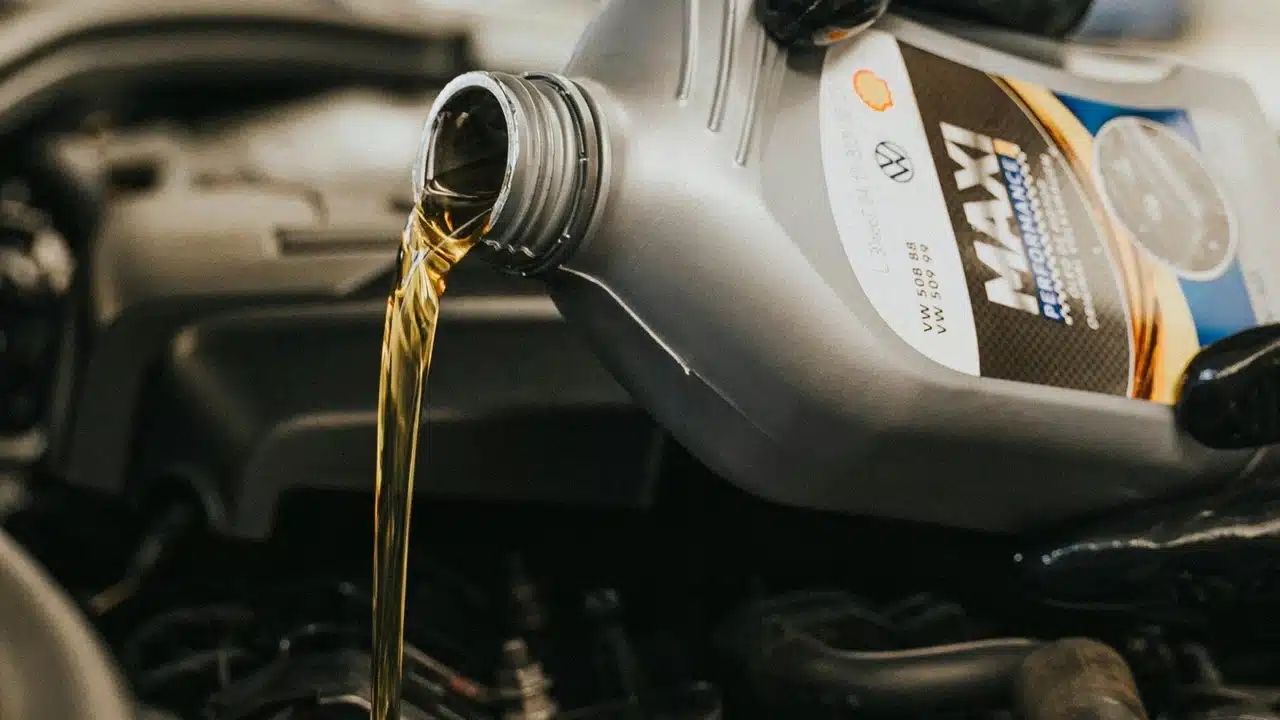
The practical takeaway is to identify the approved oil and maintenance requirements together. Buying an oil advertised for a long service life does not automatically change the vehicle manufacturer’s instructions. The bottle and the car are making different claims.
A factory example shows why the footnotes matter
The 2024 Corolla Hybrid maintenance guide, for example, lists engine oil and filter replacement at 10,000 miles or 12 months under its regular schedule. It also lists additional oil changes at intervening services for specified operating conditions.
Those conditions include primarily driving on dirt or dusty roads, repeated trips under five miles below freezing and extensive idling or low-speed commercial-type use. Read the complete guide and its footnotes. The example illustrates why “Toyota says 10,000 miles” is an incomplete instruction, not a schedule to copy onto another model.
Time and oil level still count

A mileage interval does not erase a calendar limit. If the guide says mileage or months, whichever comes first, low annual mileage is not a reason to ignore the date. Record both when the work is completed.
Also distinguish an oil change from checking the oil level. A scheduled replacement date does not tell you whether the engine currently has the correct amount of oil. Follow the manual’s checking procedure and respond to leaks, unusual consumption or warnings rather than waiting for the next routine visit.
Use evidence before extending an interval
Head’s advice in the original interview was to follow the manufacturer’s recommended drain interval during the factory warranty. He described used-oil analysis as a way to evaluate a particular duty cycle and oil choice when considering a longer interval afterward. That is a case-specific assessment, not an assurance that a longer interval is suitable for everyone.
If you prefer earlier changes, discuss your actual use with the service provider and keep the correct oil specification. The useful question is not which number wins an online argument. It is which documented schedule applies to your car, and whether you are following all of it.
Adapted for car and SUV owners from Tim Esterdahl’s reporting for Pickup Truck + SUV Talk. Featured image courtesy of Pexels, via the PUTT photo library.
At the service desk, our guide to dealer packages versus factory maintenance can help you ask more specific questions.