You book an oil change and get handed a much larger maintenance package. It includes inspections, fluid services and an assortment of treatments. Some may be appropriate. The question is which ones your car needs now, and why.
A useful service discussion starts with an itemized list. Ask the adviser to separate work due under the manufacturer’s schedule from work recommended because of the car’s condition, and from optional services. That gives you something concrete to compare.
Start with the schedule for your exact car
The FTC’s auto repair guidance recommends following the manufacturer’s schedule for your driving and comparing it with the shop’s recommendations. If a shop calls for more frequent service, ask it to explain the reason.
Bring the maintenance guide for the correct model year and powertrain, plus your service history. A generic menu for the brand may not distinguish a gasoline engine from a hybrid, or account for work another shop already completed. An accurate record helps avoid paying twice for the same scheduled item.
Ask what puts you on a different schedule
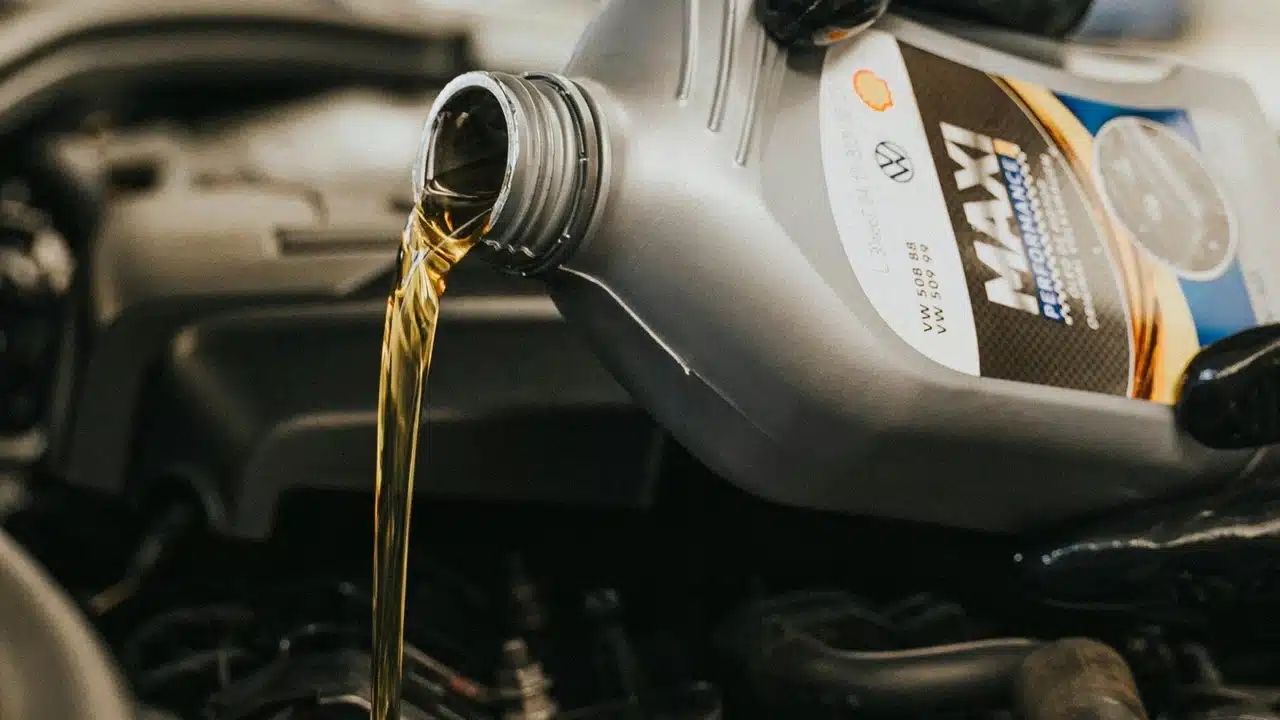
Some manufacturers specify additional service for particular operating conditions. Rather than debating whether your driving feels “severe,” ask the adviser to show you the applicable instruction and explain which part of your routine matches it.
Tell the shop about your actual use: trip length, frequent idling, dusty roads or towing where the vehicle permits it. Also mention how long the car sits between drives. These details let the discussion focus on your vehicle instead of an assumption that every customer needs the same package.
Separate a scheduled replacement from a measured problem
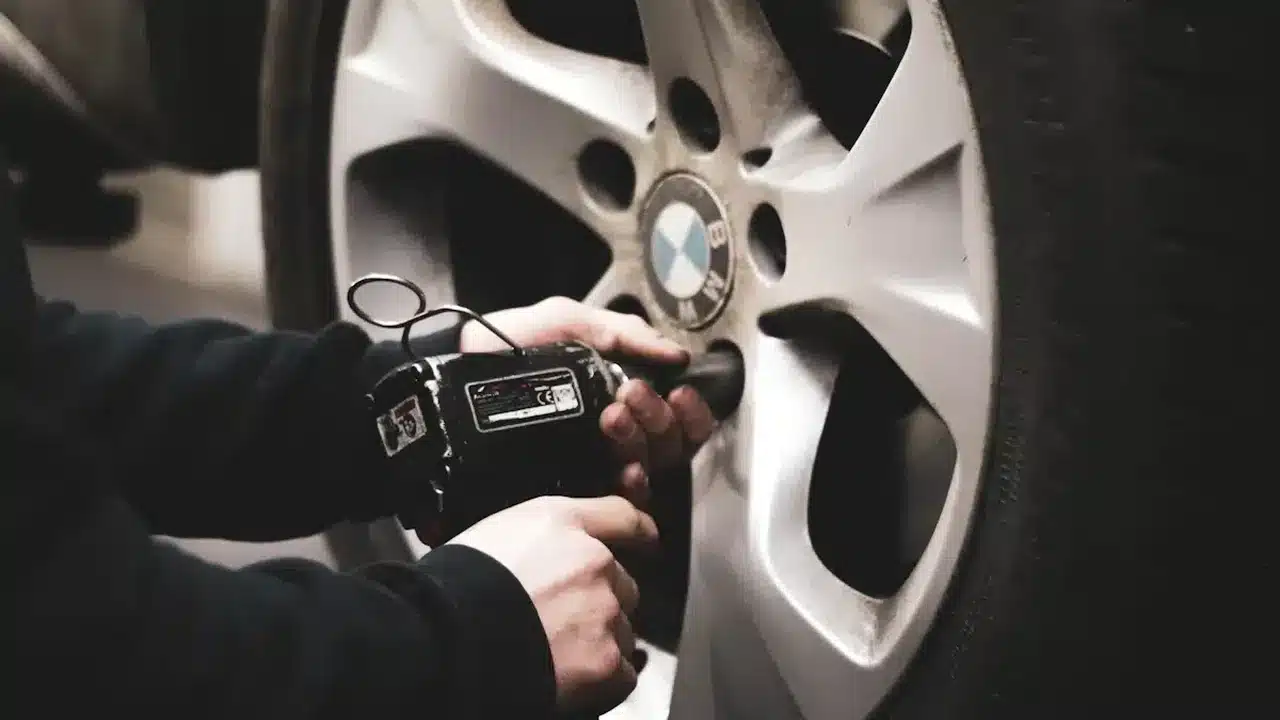
A part can need attention before its next planned service because of its condition. Ask for the observation supporting the recommendation: a measured wear figure, a visible leak, a diagnostic result or a relevant manufacturer instruction. Photos can help, but the adviser should explain what they show.
For a fluid service, ask for the fluid specification, the procedure and the reason it is due. For an inspection, ask what will be checked and how the results will be recorded. “Recommended” should begin a conversation, not end it.
Approve a clear list and keep the invoice
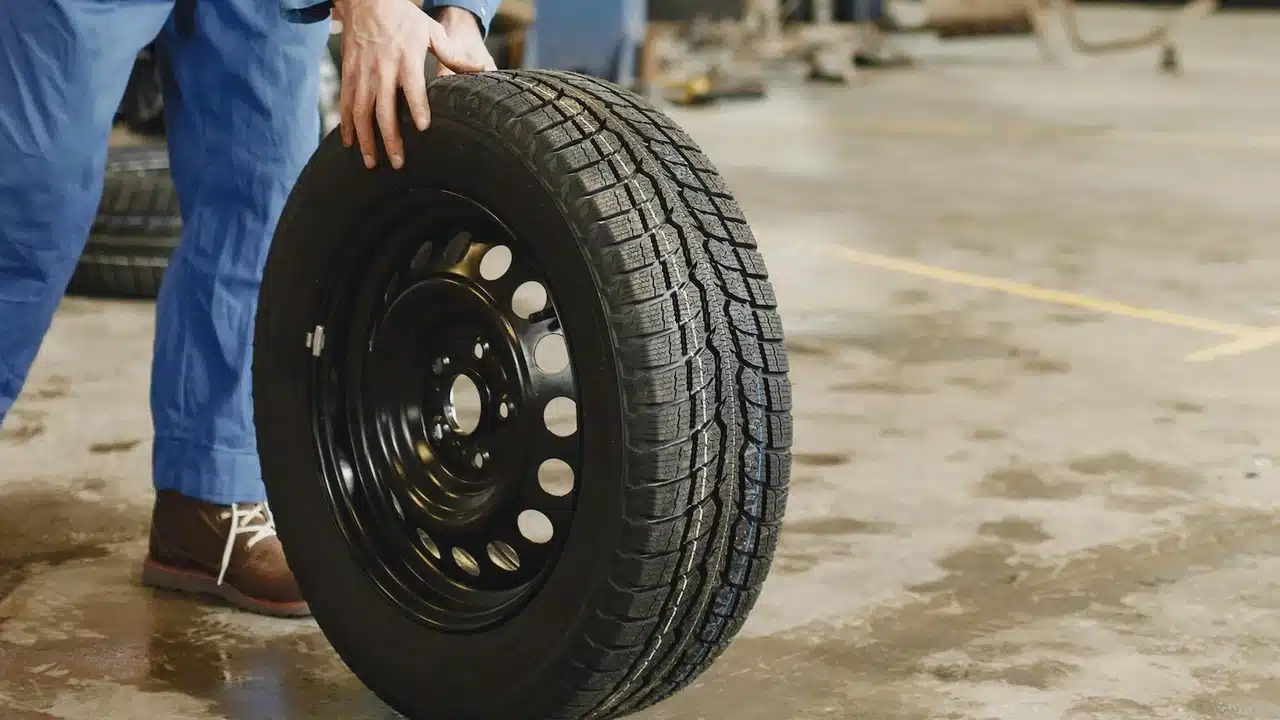
Request a written estimate identifying the work you authorize and ask the shop to contact you before adding charges. If a package combines needed and optional items, ask whether the shop can quote the needed services individually. A package discount is useful only when the contents make sense for the car.
Finally, keep an invoice showing the date, mileage and completed work. That makes the next service decision easier and supports your maintenance history. A good shop should be able to explain its recommendation in plain language; a good owner should leave knowing what was done and when the next item is due.
Featured image: illustrative service photo by Benjamin Brunner / Unsplash.
Browse more Cars 101 ownership and maintenance guides.