The used car looks clean, the test drive went well and the seller has a vehicle history report ready to show you. That is a good start. It is also the point where an independent inspection can help you decide whether the asking price makes sense.
A pre-purchase inspection is not a prediction that nothing will ever break. It is a chance to pay a qualified person to assess the car in front of you before you take responsibility for it. The most useful results are specific findings and a written explanation, not a quick thumbs-up.
A history report and an inspection answer different questions
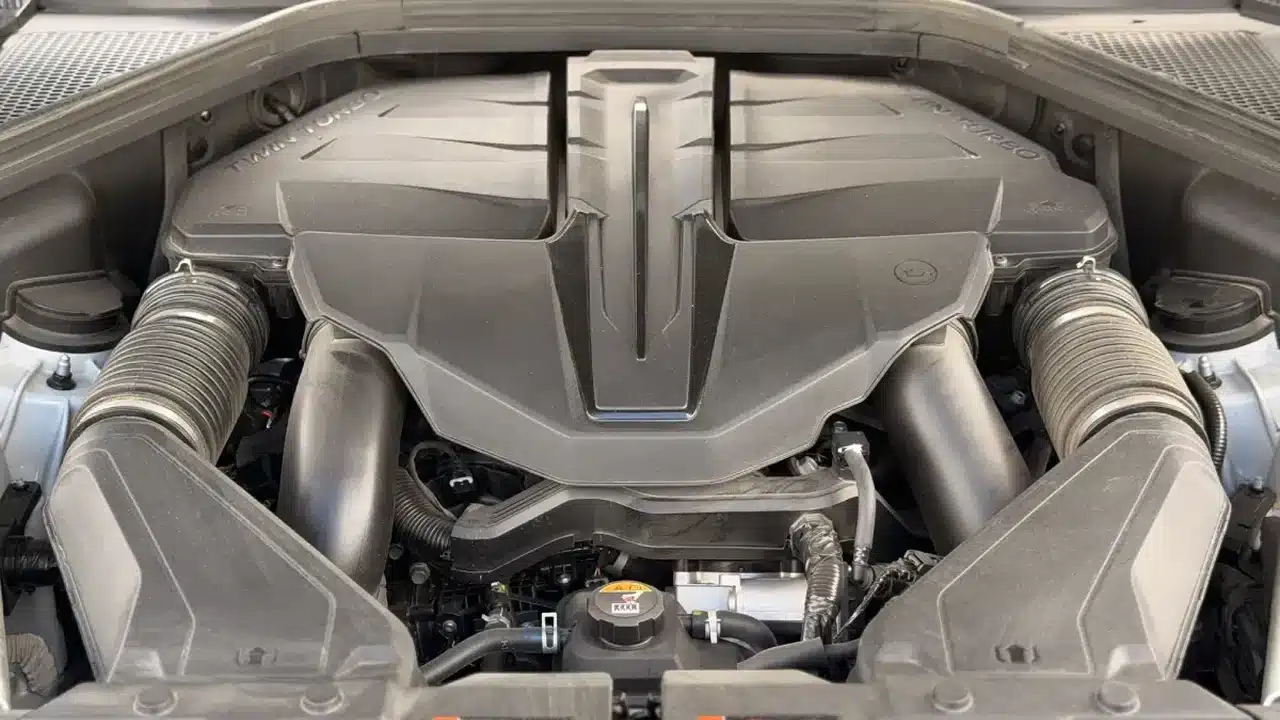
The Federal Trade Commission recommends an independent mechanical inspection, even for a certified used vehicle or one offered with warranty coverage. A history report can identify recorded events, but it is not a substitute for checking the car’s current mechanical condition.
Read both together. If the paperwork says the car received regular service, ask what records support that claim. If the inspector finds something unexpected, give the seller an opportunity to provide documentation. A missing receipt does not prove neglect, but a confident sales pitch does not replace a record either.
Agree on the inspection scope before the appointment
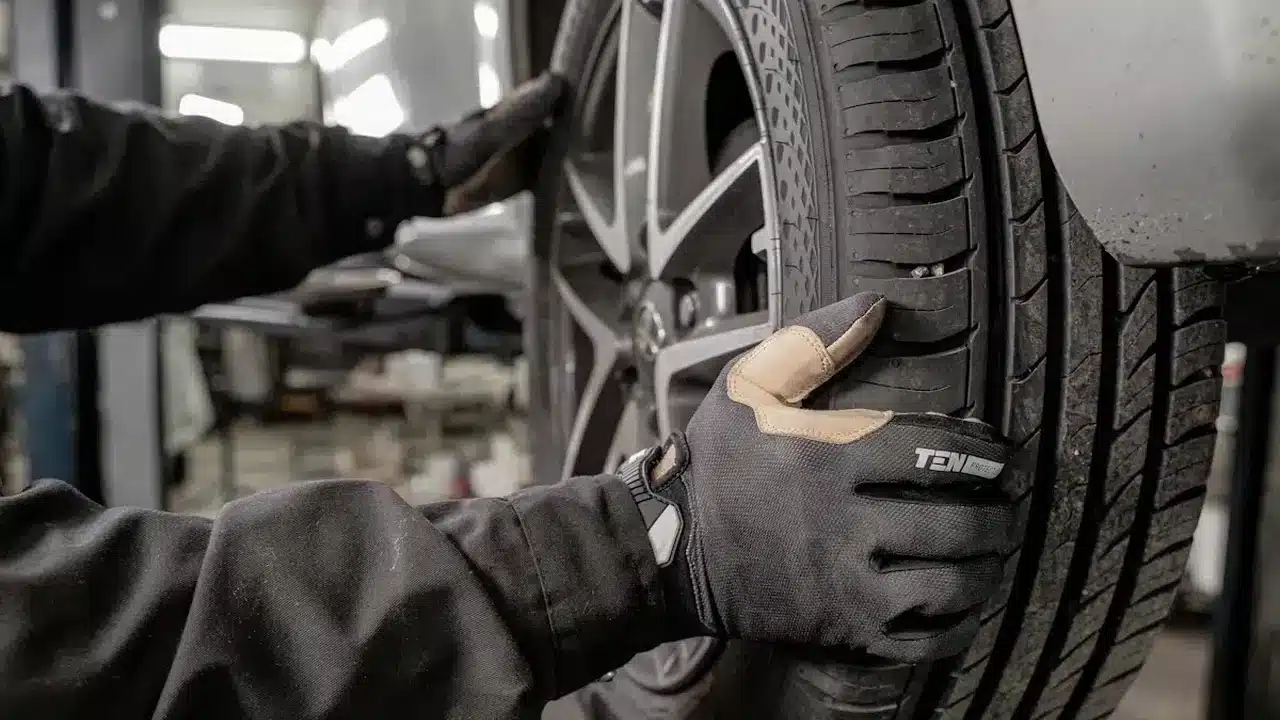
Ask the shop what its fee includes. Will the technician put the car on a lift, road-test it, scan available systems and evaluate signs of leaks or prior repairs? Which items require additional time or specialist equipment? Do not assume every business means the same thing by “inspection.”
Give the shop the exact year, model, engine and drivetrain before booking. For an EV or hybrid, ask what it can assess about the high-voltage system and what it cannot. A general inspection and a detailed battery-health assessment may be different services. That distinction is better discussed before the invoice arrives.
Make the seller’s permission part of the plan
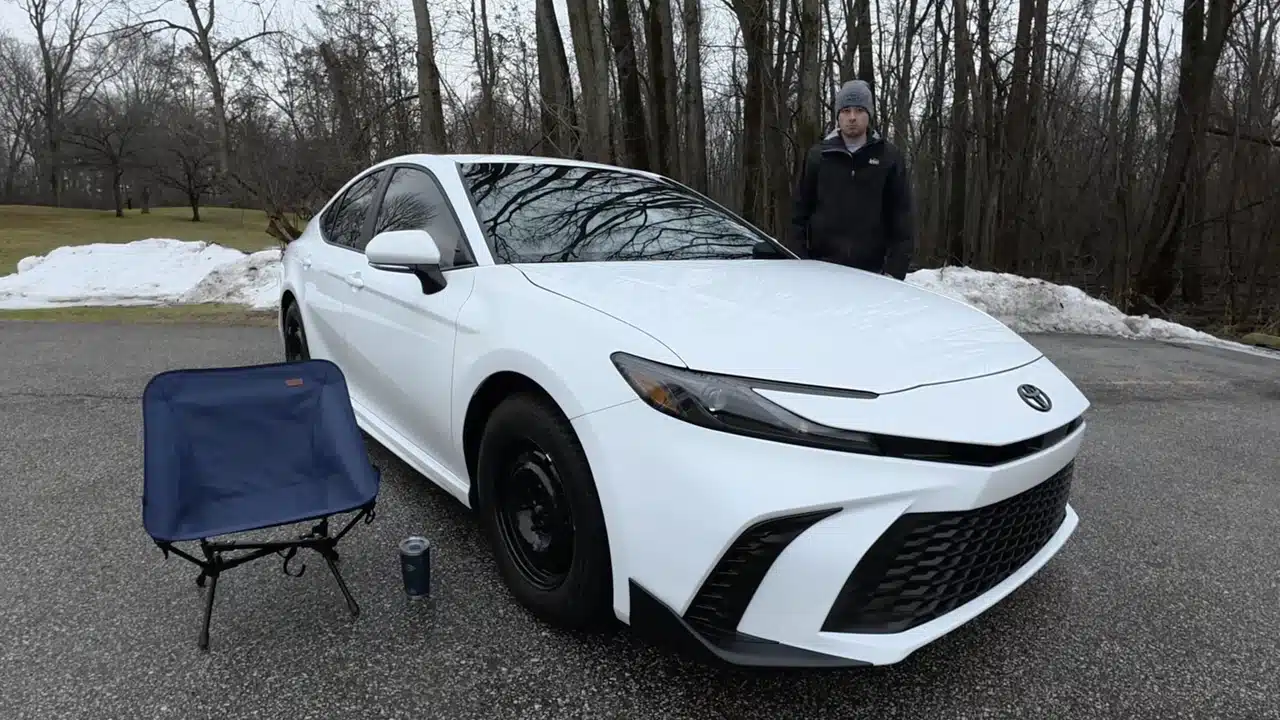
Arrange access before you pay for an appointment. The FTC suggests a mobile inspection or having the dealer take the car to your chosen facility if an off-site visit is a problem. If the seller refuses an independent inspection altogether, consider another vehicle.
Allow enough time to read the report before committing. An inspection squeezed between signing paperwork and collecting the keys loses much of its value. If a deposit or purchase agreement is involved, understand the written terms before signing; do not assume you can cancel later because the inspection uncovers an issue.
Turn findings into a purchase decision
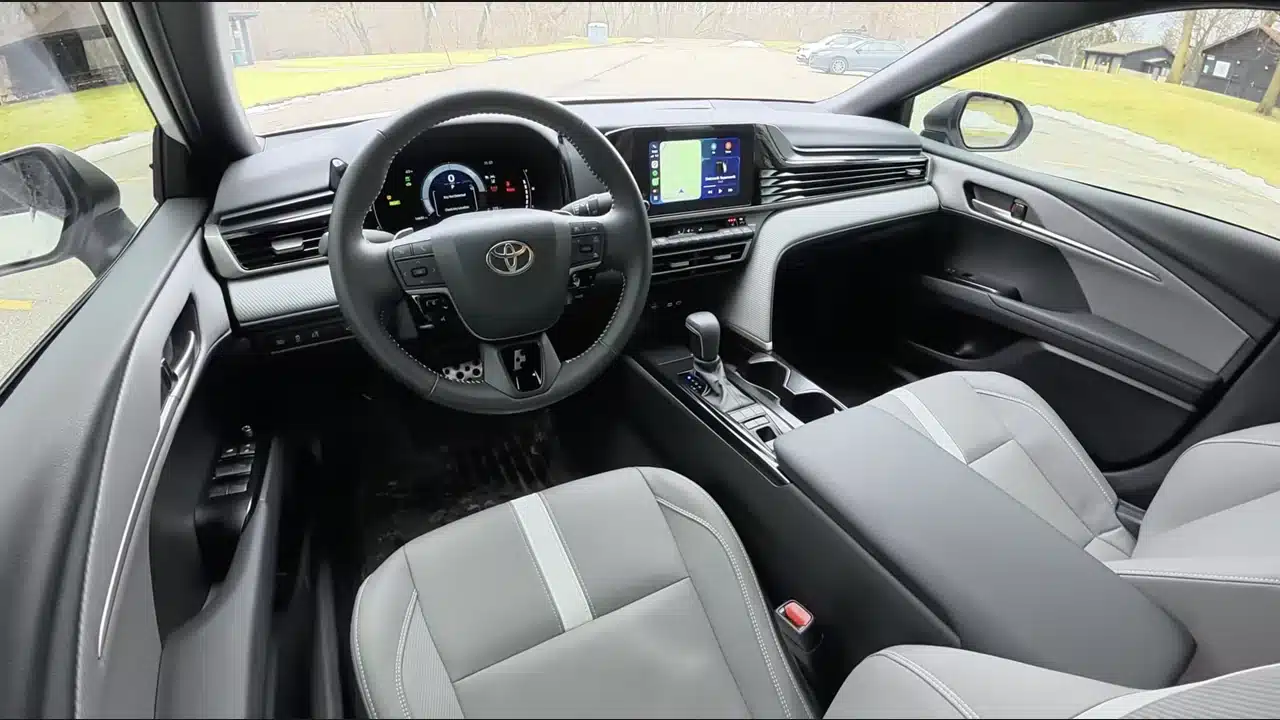
Request a written report identifying the vehicle and estimating needed repairs. Ask the inspector to distinguish immediate concerns from upcoming maintenance and items that simply need monitoring. That makes the result easier to use than a long list in which worn wiper blades and a major leak look equally urgent.
Then compare the purchase price plus likely near-term work with other cars you could buy. A negotiated discount can address some repair costs, but it cannot make every uncertain diagnosis acceptable. You are allowed to pass on a car even after spending money to inspect it. Learning that it is the wrong one is a useful result.
Featured image: illustrative vehicle inspection photo by Steward Masweneng / Unsplash.
Also learn how recalls, service bulletins and warranty extensions differ before evaluating a seller’s repair claims.