
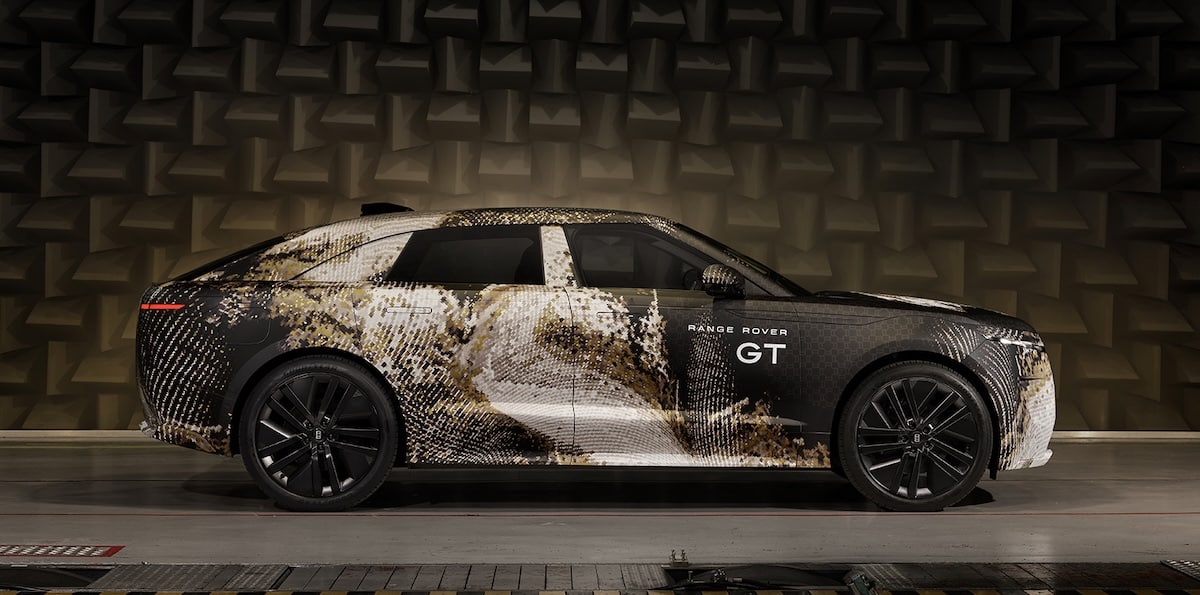
Every few months, an automaker gathers a room full of executives, product planners, sustainability officers, and people with titles like Customer Experience Architect to announce that their latest vehicle will redefine mobility. It usually means they have built another luxury SUV with a giant battery, 17 screens, 900 horsepower, and a cabin full of carefully selected materials to convince wealthy people that this $120,000 truck is actually a wellness retreat.
Then Range Rover does something genuinely curious. It builds a grand tourer.
Enter the Range Rover GT.
What Range Rover Has Wrought
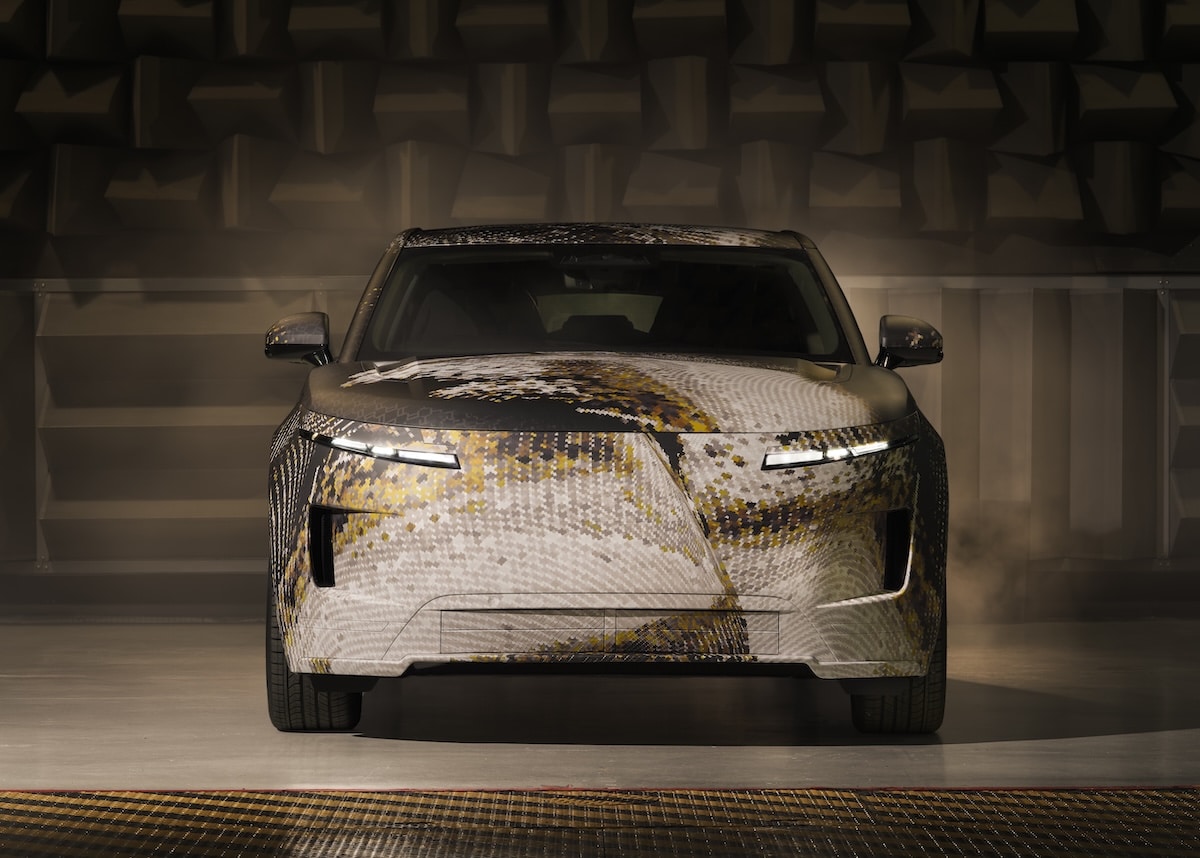
Unveiled Wednesday, the Range Rover GT’s name is a minor identity crisis. Grand touring has traditionally been Jaguar’s raison d’être. The XK-120. The E-Type. The XJS. The F-Type. Cars designed for long-distance travel at high speed with the requisite British elegance. Range Rover’s specialty is something quite different: taking people across terrain where roads are optional.
The traditional GT has always required some compromise, such as long bodywork and a driving position two inches above the road. Range Rover decided the driver shouldn’t have to lower themselves into the vehicle like a person searching for something under the bed.
One wonders if anyone at Land Rover has told Jaguar.
The GT is also Range Rover’s first all-electric model from its new EMA platform, with a hybrid version planned later. It’s also the first vehicle built on Jaguar Land Rover’s new Electric Modular Architecture, or EMA in JLR-speak.
Not Less Technology, Less Clutter
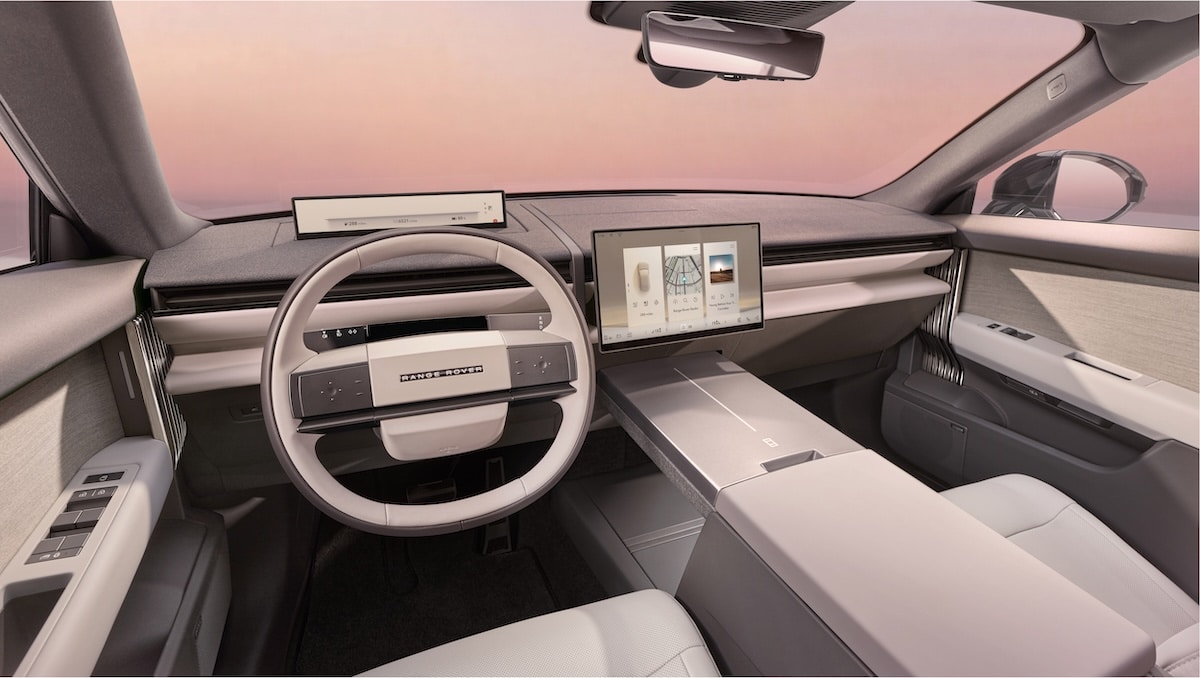
While new flagships arrive with more displays, more interfaces, more lighting schemes, more black plastic or carbon fiber meant to prove that no one has wasted a dollar, Range Rover has taken a different approach.
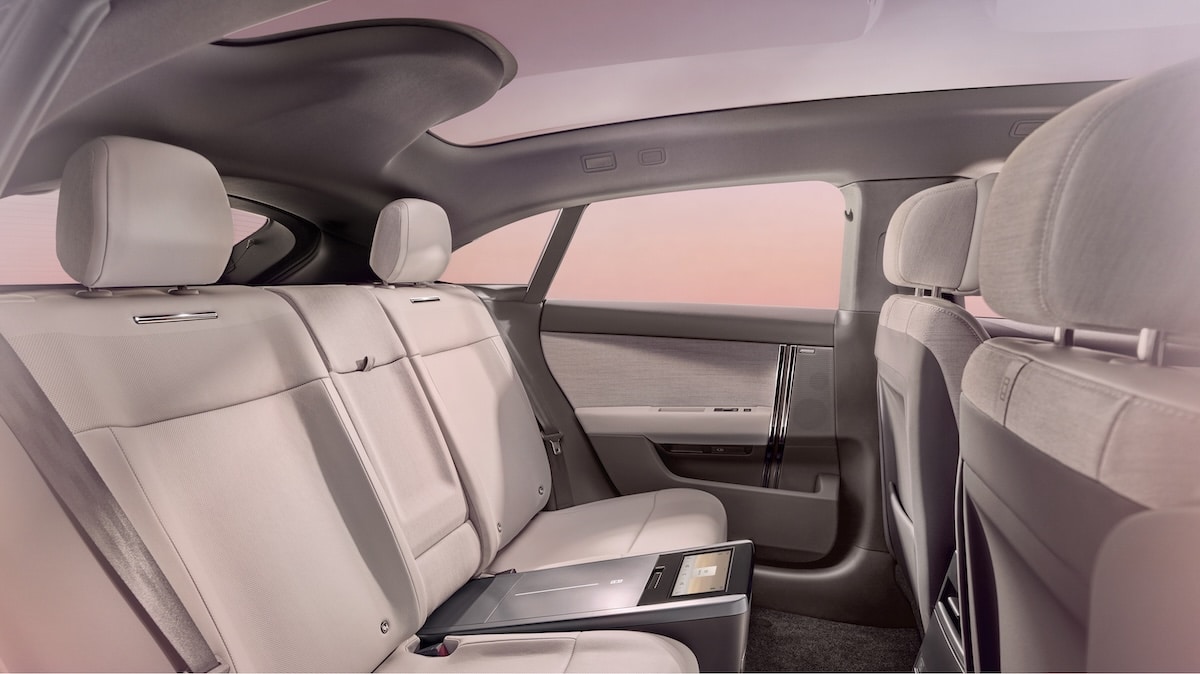
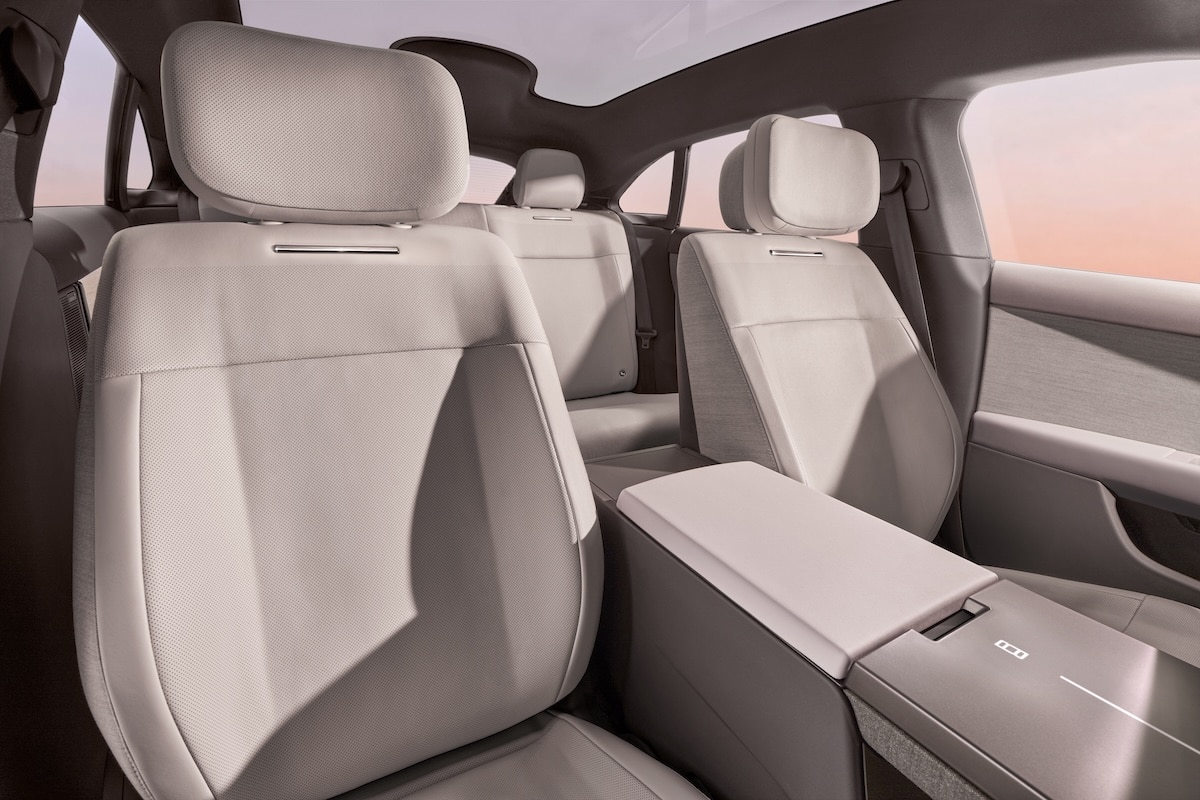
The GT interior is built around what the company calls design reductionism. The speakers are hidden beneath the dah top’s woven textile. The vents vanish into a dash decoration. The displays become smaller. The controls remain quiet until required. The rear cabin follows the same philosophy. Buyers can choose traditional seating or chairs separated by a console containing the expected luxury equipment: charging, climate controls, cupholders, and refrigeration. The technology exists; it simply has better manners. This is an important distinction. The GT is not some romantic rejection of modern electronics. Nobody at Range Rover is suggesting wealthy customers should return to hand-cranked windows and paper maps. Everything is present, and presented with an artful purity that eschews needless ornamentation.
Also missing is the front trunk. The electric-car industry has developed an almost religious fascination with the frunk, celebrating additional storage space as though someone discovered a new natural resource. Range Rover’s attitude is yes, storage is useful. No, we don’t need it.
What Happens in The Showroom?
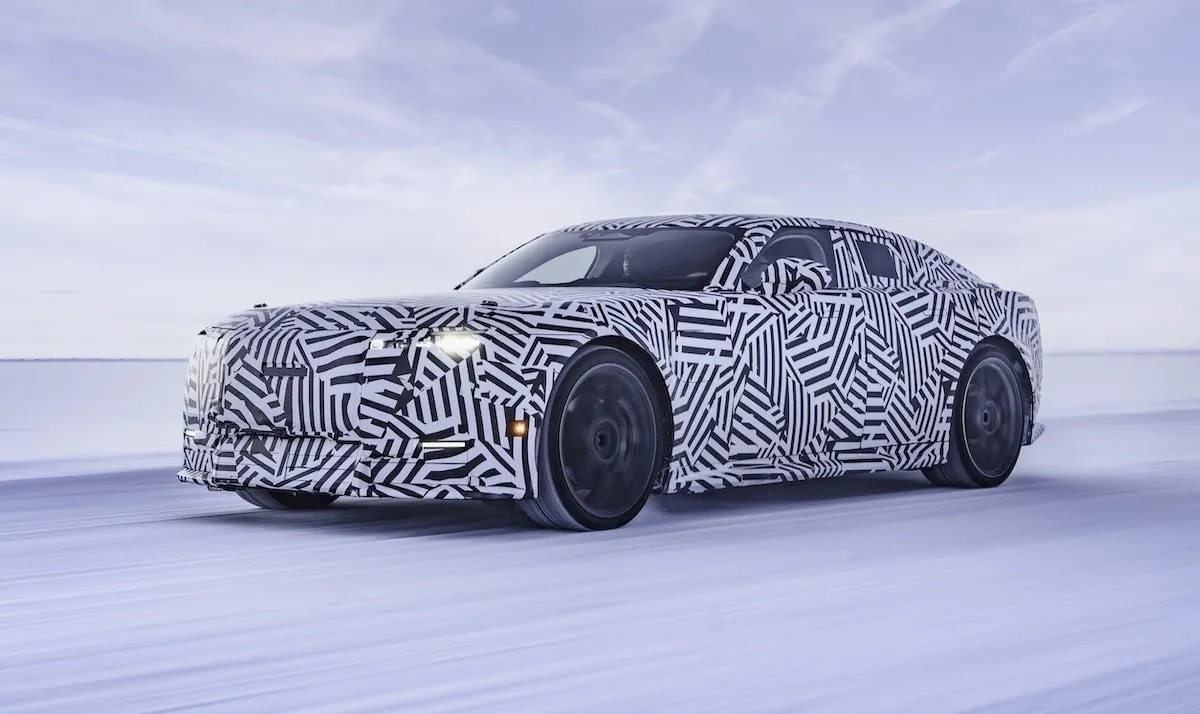
Which brings us back to Jaguar, because the irony here is impossible to ignore.
Jaguar spent much of its existence creating exactly this kind of vehicle: elegant, fast, comfortable machines designed to make distance disappear. But now, its cousin, known for vehicles that traverse mud and mountains has produced a machine for crossing Europe in silence and comfort. Jaguar, meanwhile, is trying to reinvent itself.
The Upshot
Did Range Rover steal Jaguar’s thunder? Maybe. Or perhaps it simply proved that the boundaries between these brands were never as permanent as they might appear given that Jaguar has been selling square-shaped SUVs since 2016.
The Range Rover GT may not redefine the automobile. But it does something much rarer. It stands in contrast to an industry addicted to excess. For years, luxury has been measured by addition. More power. More screens. More features. More complexity. More explanations required from the salesperson before the owner can operate the machine they just purchased. The Range Rover GT suggests that the next luxury frontier may be editing. Not removing capability. Removing distraction. Range Rover has built a luxury car that understands sophistication is not about adding another feature. Sometimes, it’s about reducing what’s already there to its absolute essence.
Editor’s note: This is an updated version of a column that first appeared on The Car Collective Substack. To subscribe to The Car Collective, click here.