
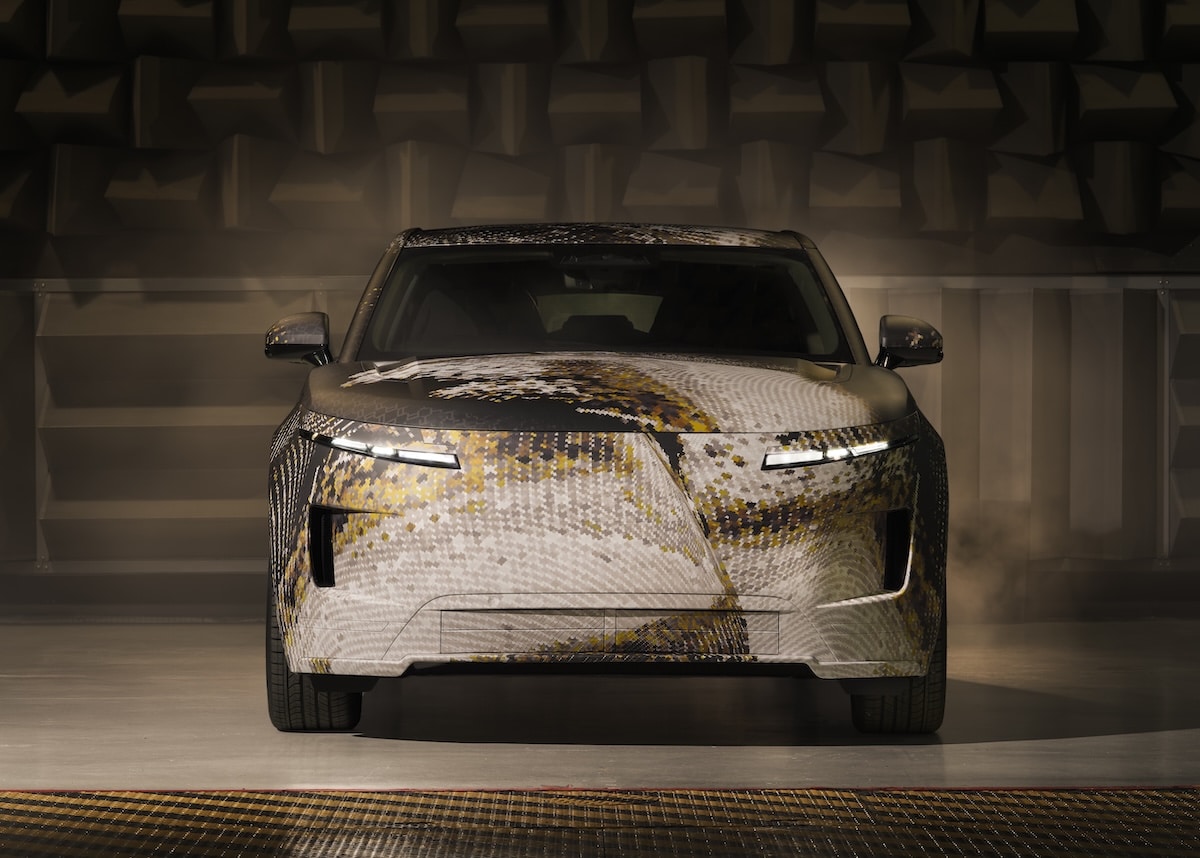
The luxury SUV boom has reached the point where every automaker has one, two, or seven high-riding vehicles promising to conquer the Rubicon before valet parking outside Nobu. So, Range Rover is trying something different. The new Range Rover GT EV is fifth member of the family that includes the Range Rover Evoque, Velar, Range Rover Sport and Range Rover. But this one is a decidedly different breed, one that asks what if a grand tourer didn’t require the flexibility of a mountain goat to get behind the wheel?
A Different Sort of GT
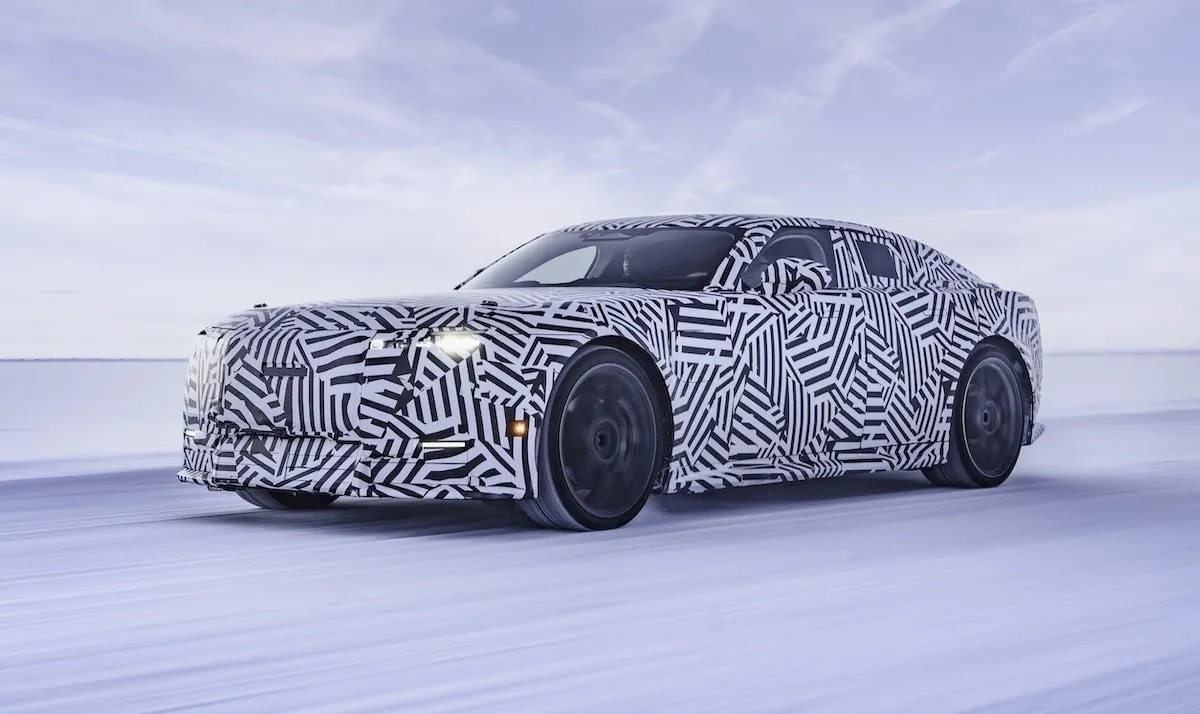
Unlike the Bentley Continental GT or Maserati GranTurismo, the new Range Rover GT doesn’t ask you to a mere sit two inches above the pavement, wondering whether that speed bump was DOT-approved or left over from Roman Britain. You sit higher, like a proper Range Rover. “We have spent the last few years working obsessively on the fundamentals of the GT formula, reinterpreted in a sophisticated, uniquely Range Rover way,” said Martin Limpert, Managing Director, Range Rover, in a statement. “The result is the most car-like, yet unmistakably capable Range Rover ever created.”
It’s an intriguing proposition.
A Number of Range Rover Firsts
The GT is the first all-electric Range Rover as well as the first model built using Jaguar Land Rover’s new Electric Modular Architecture, or EMA. Launching as a battery-electric model, a hybrid arrives later, both built at Jaguar Land Rover’s Halewood plant in Britain alongside gasoline and hybrid vehicles. But the battery pack is merely the plot device. The cabin is the statement.
Paring Design To Its Bare Minimum
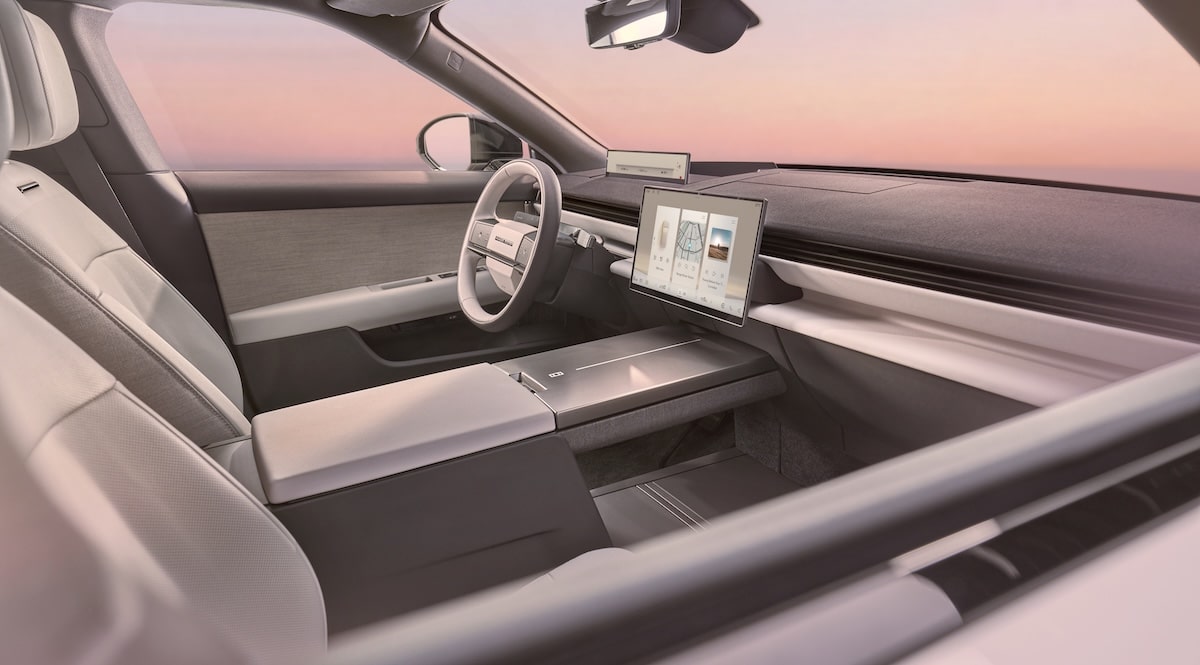
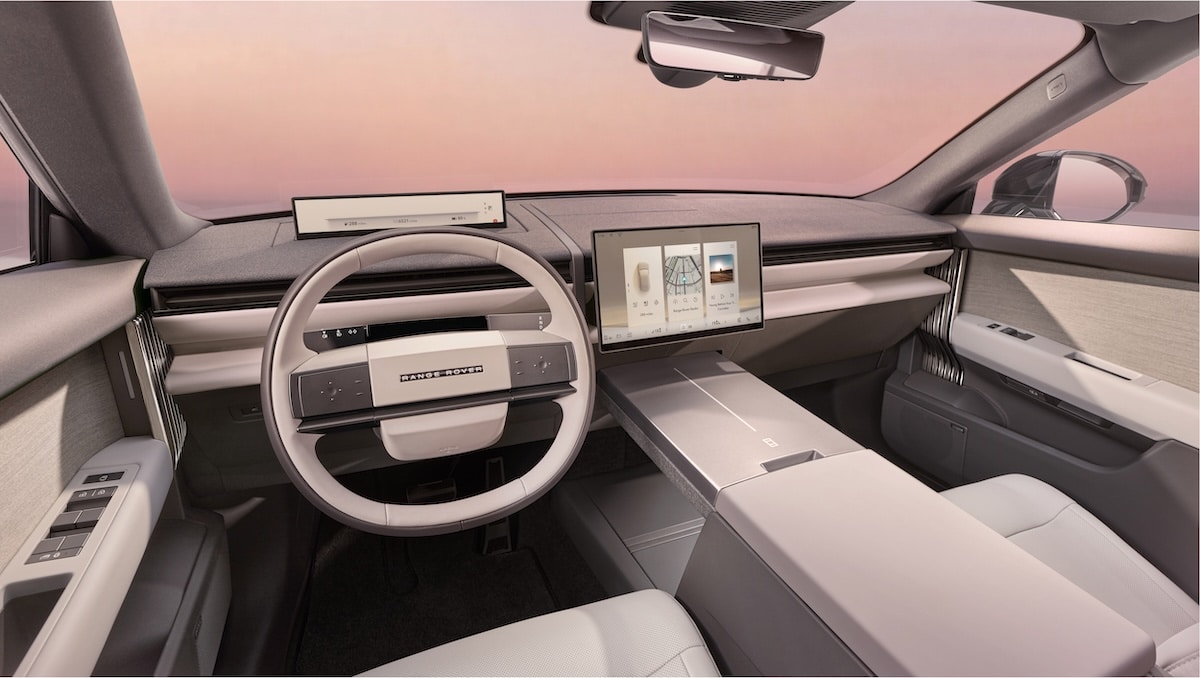
Range Rover has doubled down on what it calls “design reductionism,” which sounds like a Scandinavian self-help movement, but actually produces a remarkably pure cabin ambience. The top of the instrument panel is finished in a woven textile that hides the speakers underneath, negating the need for visible speaker cutouts. The air vents practically disappear. The instrument cluster has been reduced to a slim OLED screen backed by a head-up display, while the steering wheel buttons remain dark until you need them. It’s like hiding the television behind a painting. The technology is still there; it just isn’t yelling about it.
Voice control has become conversational, too. That’s probably wise. If you’re spending six figures on a luxury EV, barking “temperature 72°” like an angry submarine commander seems undignified.
Taking a Backseat To No One’s Back Seat
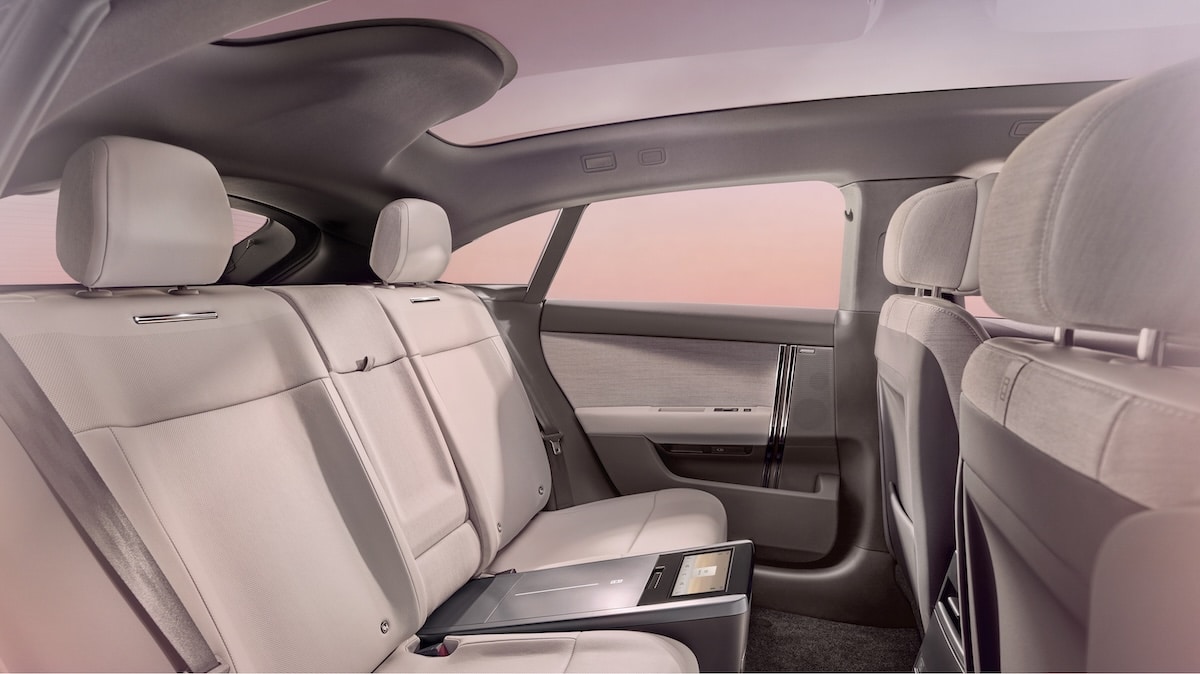
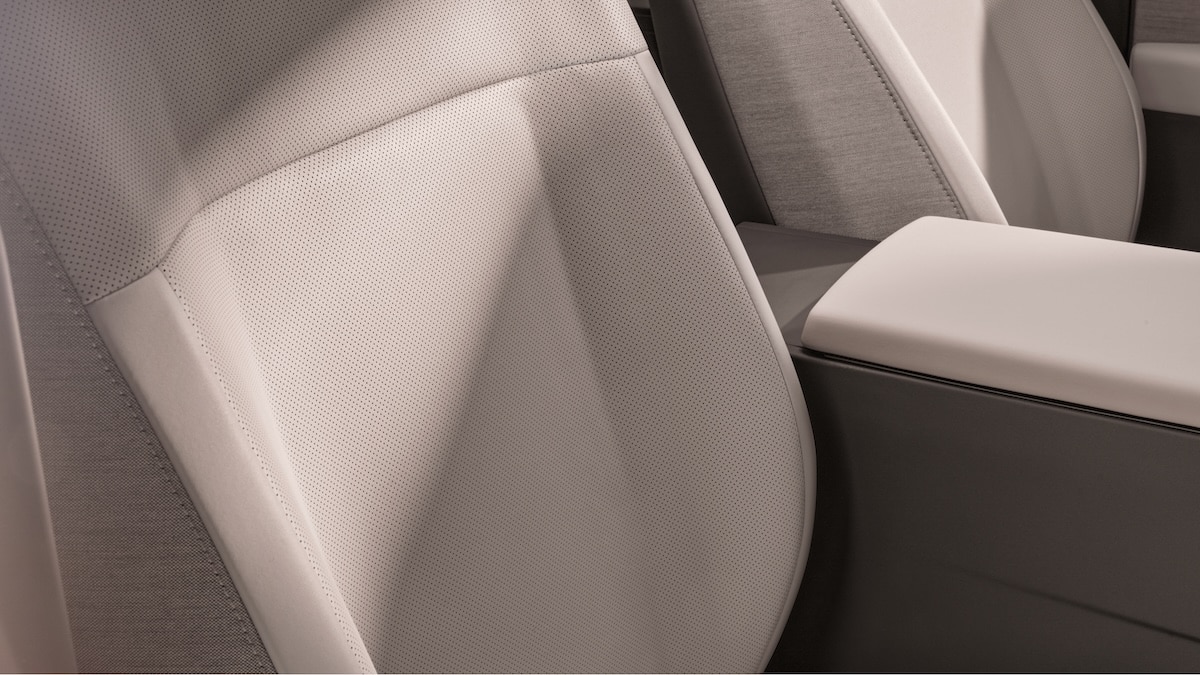
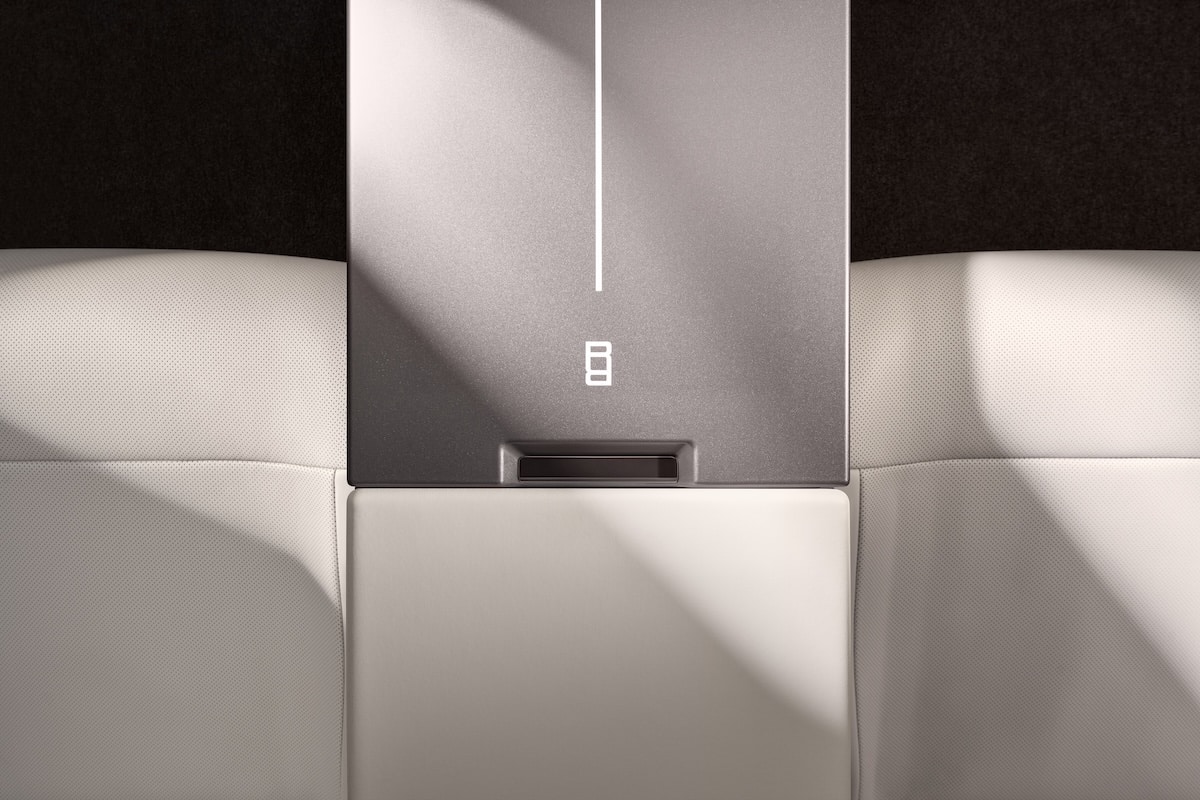
The interior is equally sensible in the back. Buyers can choose a conventional bench or two executive seats separated by a center console complete with wireless phone chargers, rear climate controls, unobstructed cupholders and a refrigerator integrated into the seatback.
One surprise is what’s missing: there’s no front trunk. Then again, nobody has ever walked away from a Range Rover because it only has one cargo area.
Is Less Really More?
The GT may ultimately prove to be less about electrification than about changing the definition of luxury itself. For years, premium automakers have been locked in an arms race of larger screens, brighter ambient lighting and enough computing power to monitor low-Earth orbits. Range Rover has responded by making much of its technology disappear.
It’s a risky bet. Consumers have spent the last decade equating luxury with more: more horsepower, more displays, more features, more things to explain during vehicle delivery. The GT quietly argues that real luxury might actually be less. Less clutter. Less drama. Less reason to read the owner’s manual. Whether buyers embrace an electric grand tourer that can head for the Alps one weekend and a muddy trail the next remains to be seen. But Range Rover deserves credit for resisting the industry’s favorite pastime: building yet another SUV and pretending it’s revolutionary.
The Irony of Range Rover’s GT
Grand touring was once Jaguar’s entire reason for being. The XK-120/140/150, the E-Type, XJS, XK and F-Type all defined the marque as Britain’s maker of fast, elegant continent-crossers, while even Jaguar’s SUVs borrowed heavily from that GT ethos. Range Rover, meanwhile, built its reputation on climbing hills, crossing rivers and making country estates accessible in foul weather.
Now Jaguar is reinventing itself, while Range Rover has inherited the grand touring mission reinterpreted through a higher seating position, an electric powertrain and the ability to keep going after the pavement ends. If you’re shopping at a Jaguar Land Rover retailer, the division between the two brands suddenly looks a little blurrier. Jaguar may still own the sporting heritage, but Range Rover has built the grand tourer, one that can leave the pavement when the asphalt runs out.
Sometimes the boldest move isn’t inventing a new segment. It’s borrowing one from your sibling brand and making it your own.