The redesigned 2026 Hyundai Palisade is quickly becoming one of the most important vehicles in Hyundai’s lineup. It has already moved ahead of the Santa Fe as the brand’s most popular 3-row SUV, and it is closing the sales gap with one of its biggest rivals, the Toyota Grand Highlander.
That raises an important question for families: Is the Palisade now the better buy?
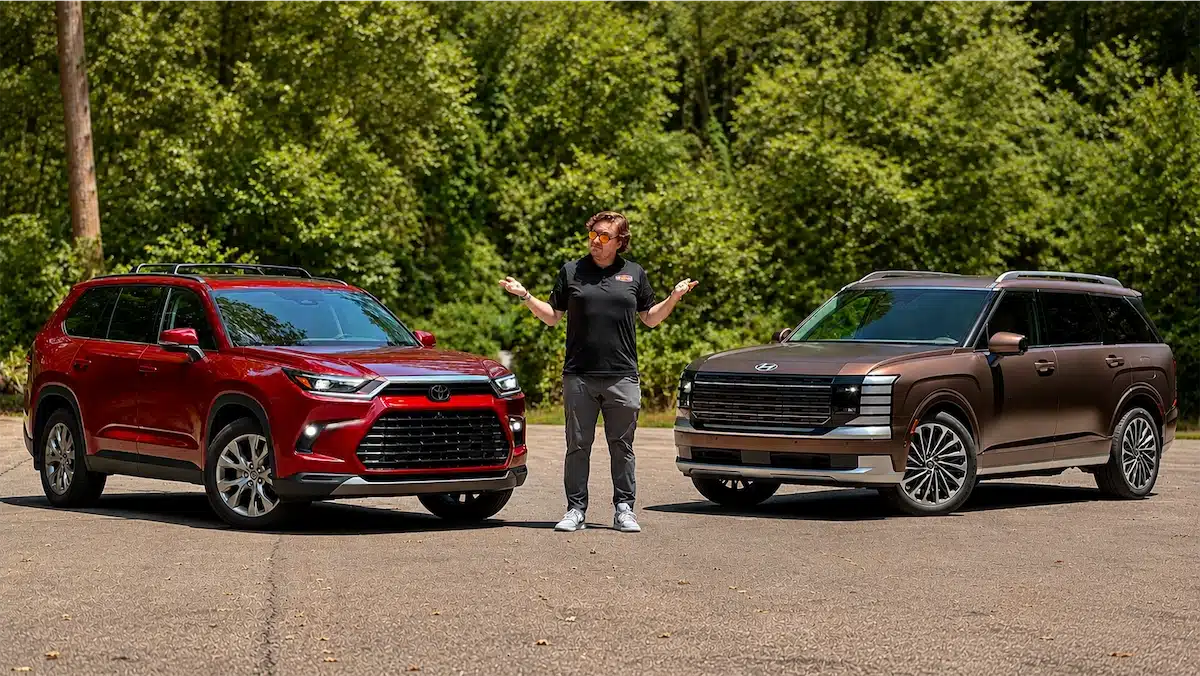
To find out, we spent time with a top-trim 2026 Hyundai Palisade Calligraphy and a 2025 Toyota Grand Highlander Limited. This is not a perfect apples-to-apples comparison. The Hyundai has front-wheel drive and a higher trim level, while the Toyota has all-wheel drive and sits one step below the range-topping Platinum. However, their similar prices and shared focus on family transportation make this a revealing matchup.
The Hyundai Palisade Makes a Much Bolder First Impression
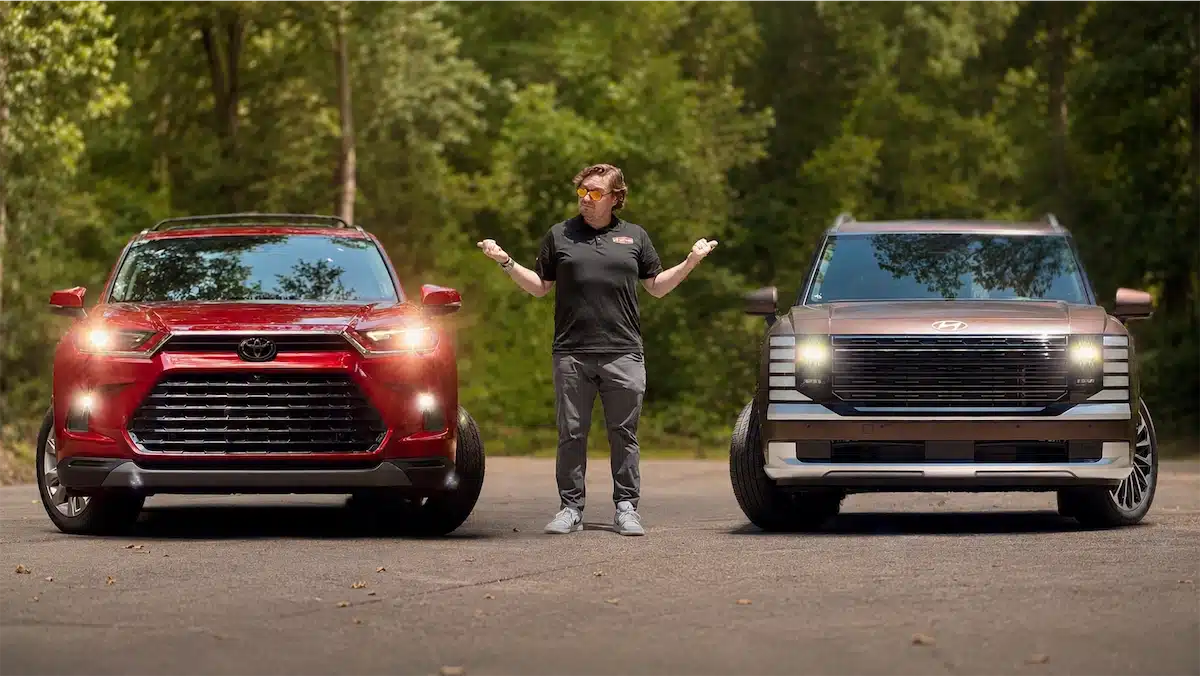
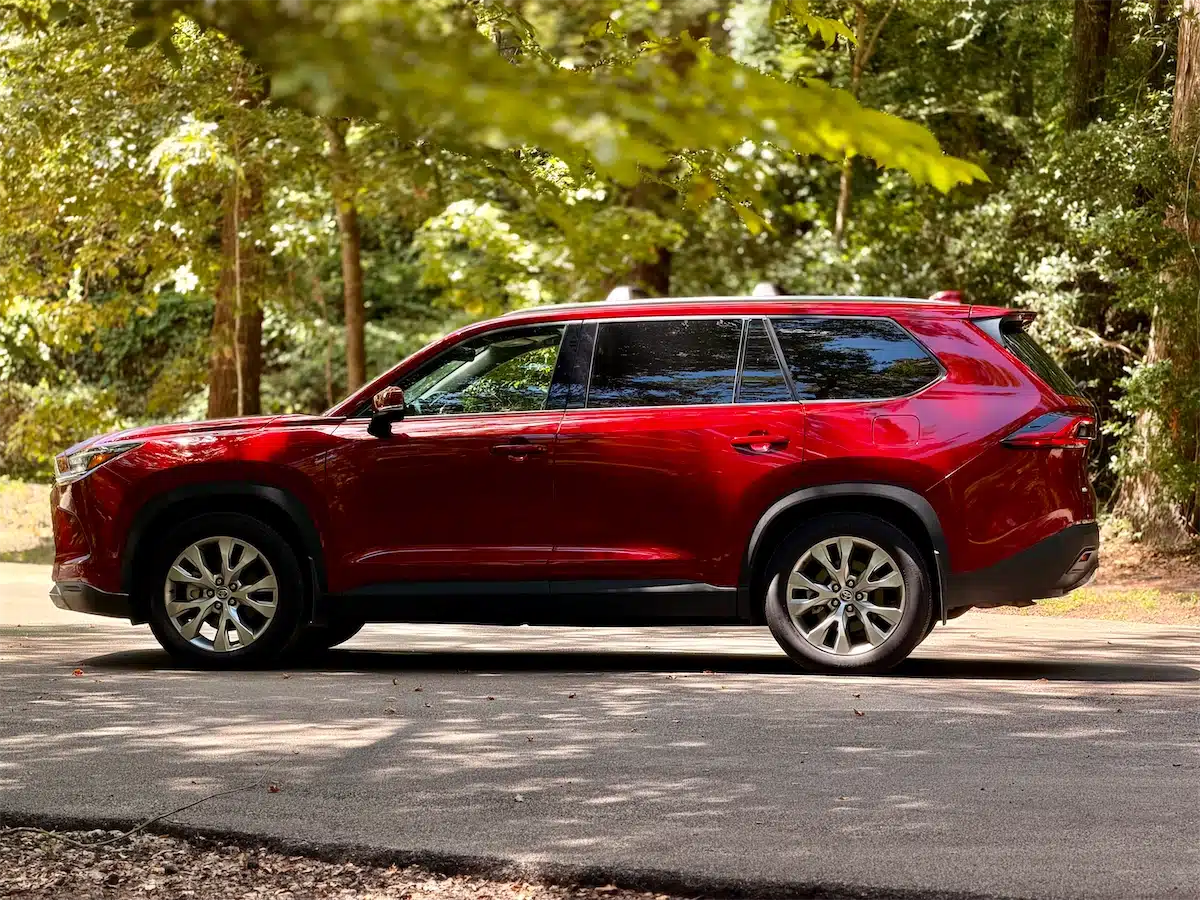
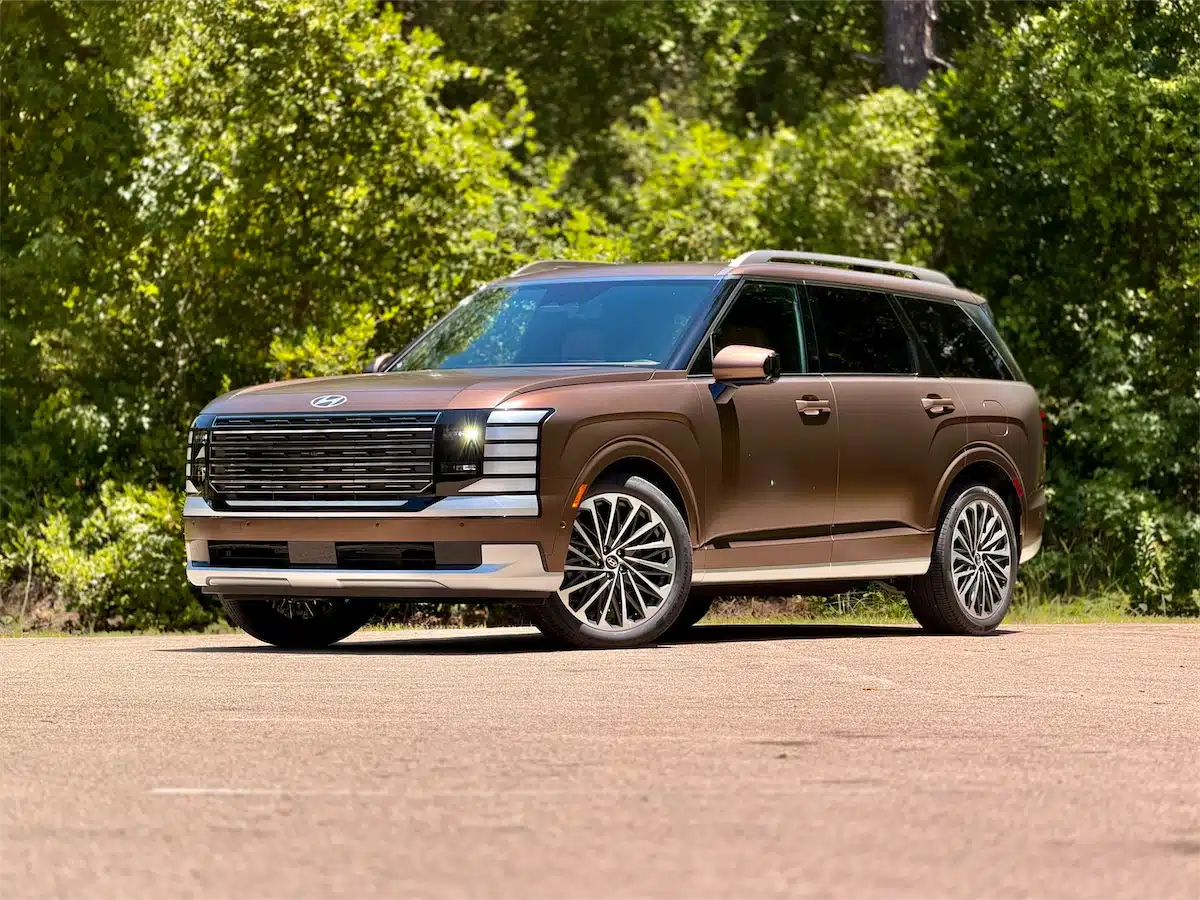
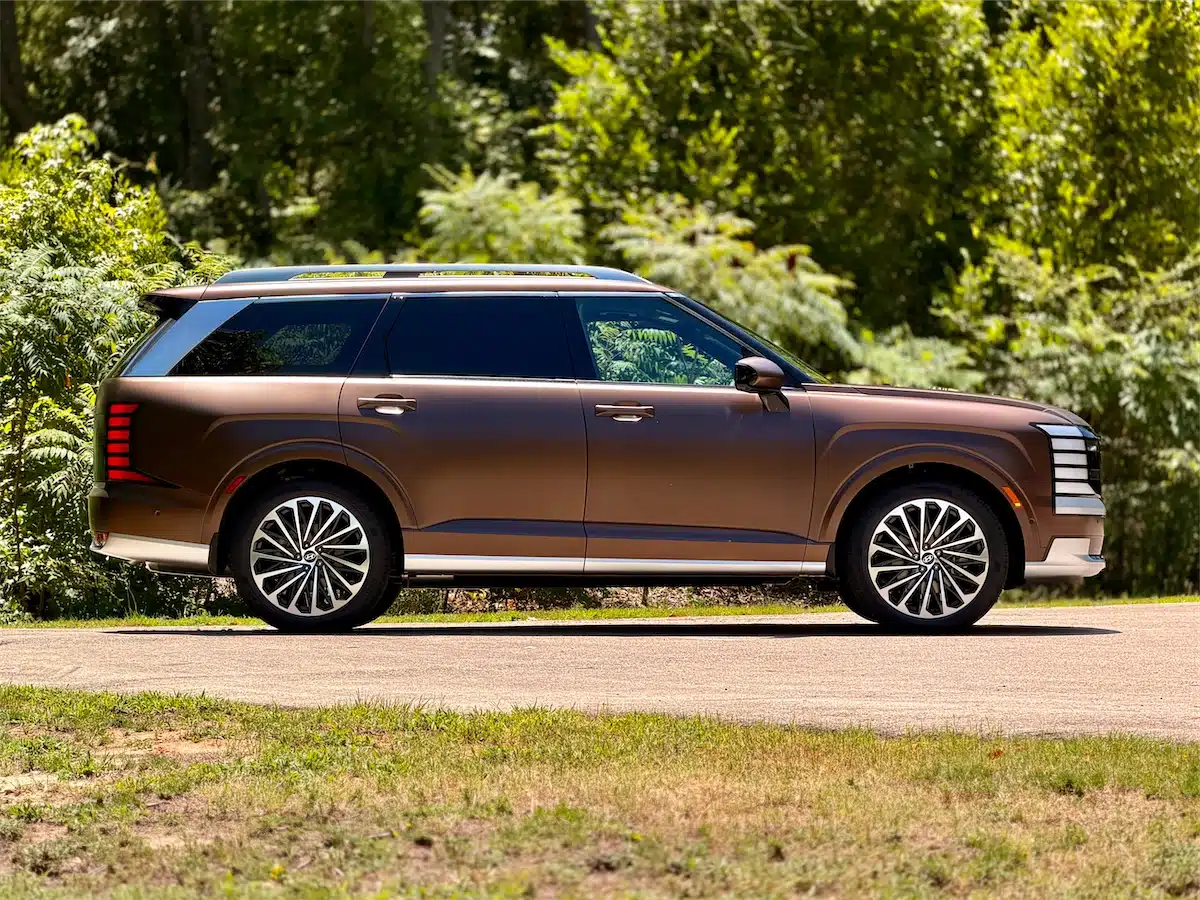
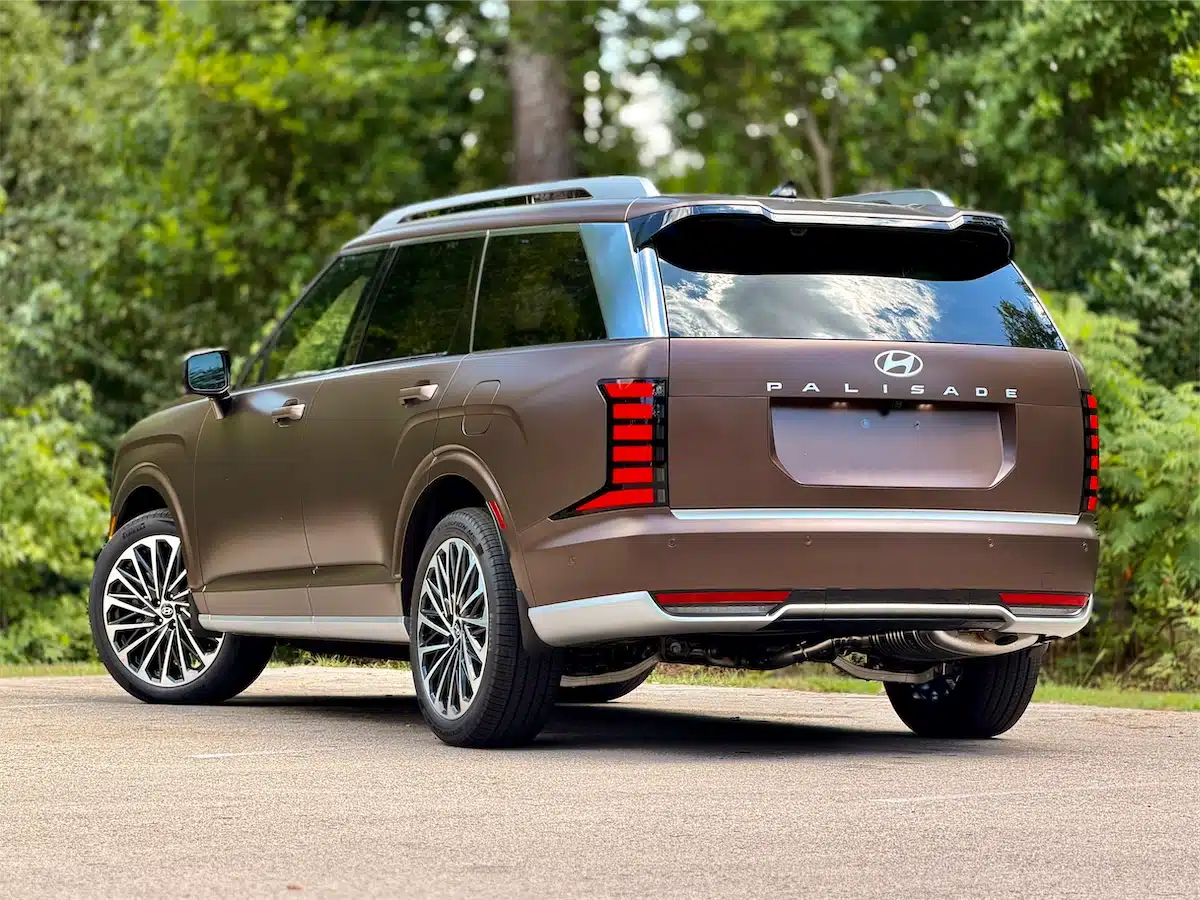
Exterior styling is subjective, but the Palisade has more visual presence than the Grand Highlander.
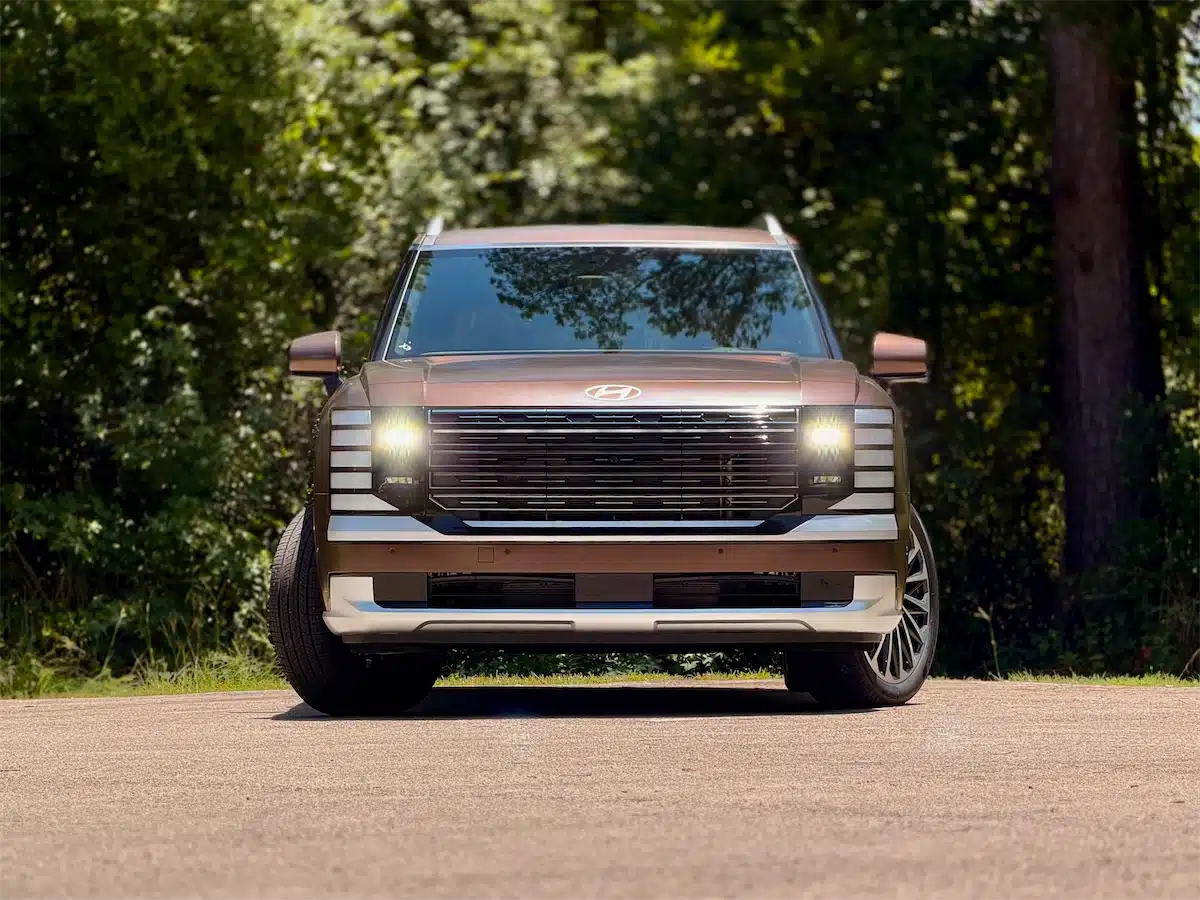
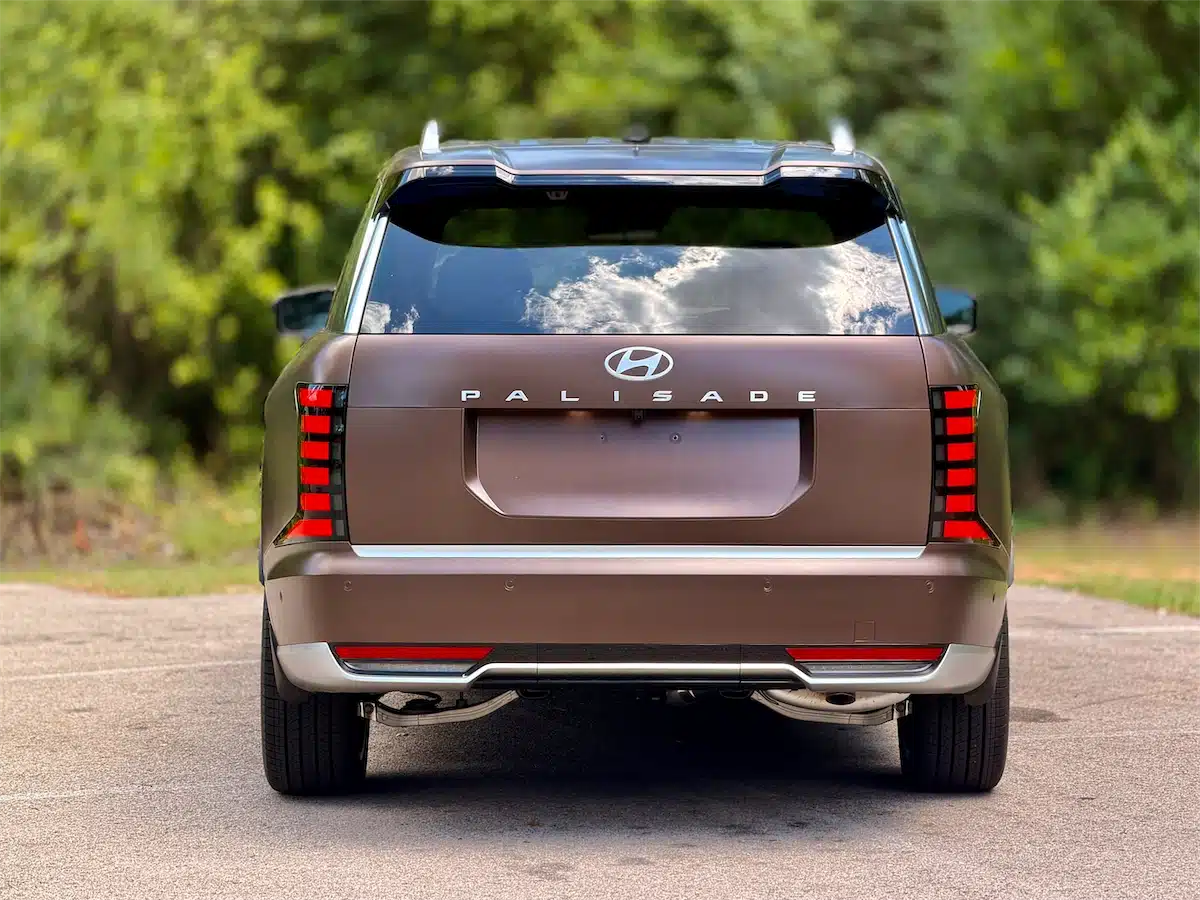
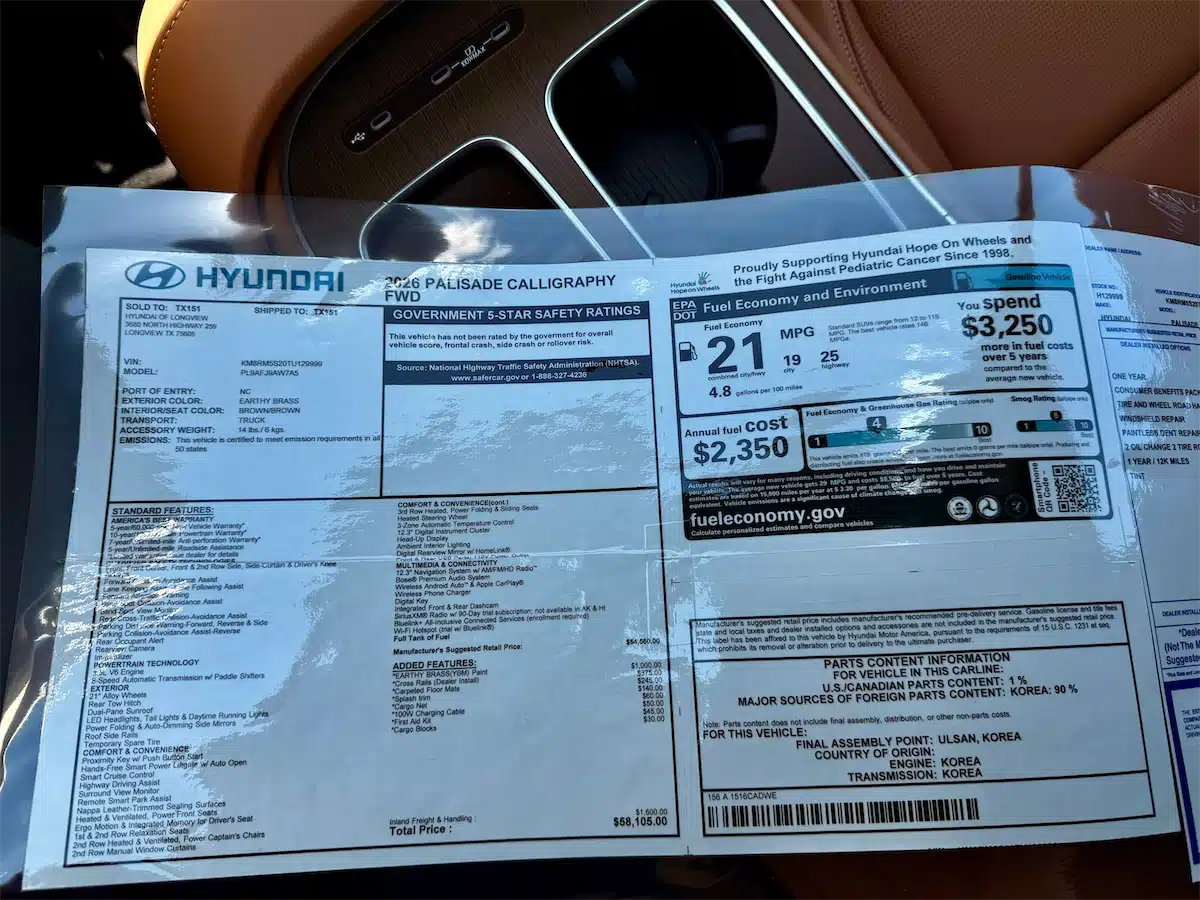
Hyundai gave the Palisade a rounded, upscale shape with a large grille, prominent lighting and a sleek profile. The metallic trim behind the rear windows adds another premium detail without making the SUV look overly busy. The Calligraphy model’s 21-inch multi-finish wheels also stand out, especially against the Earthy Brass exterior paint.
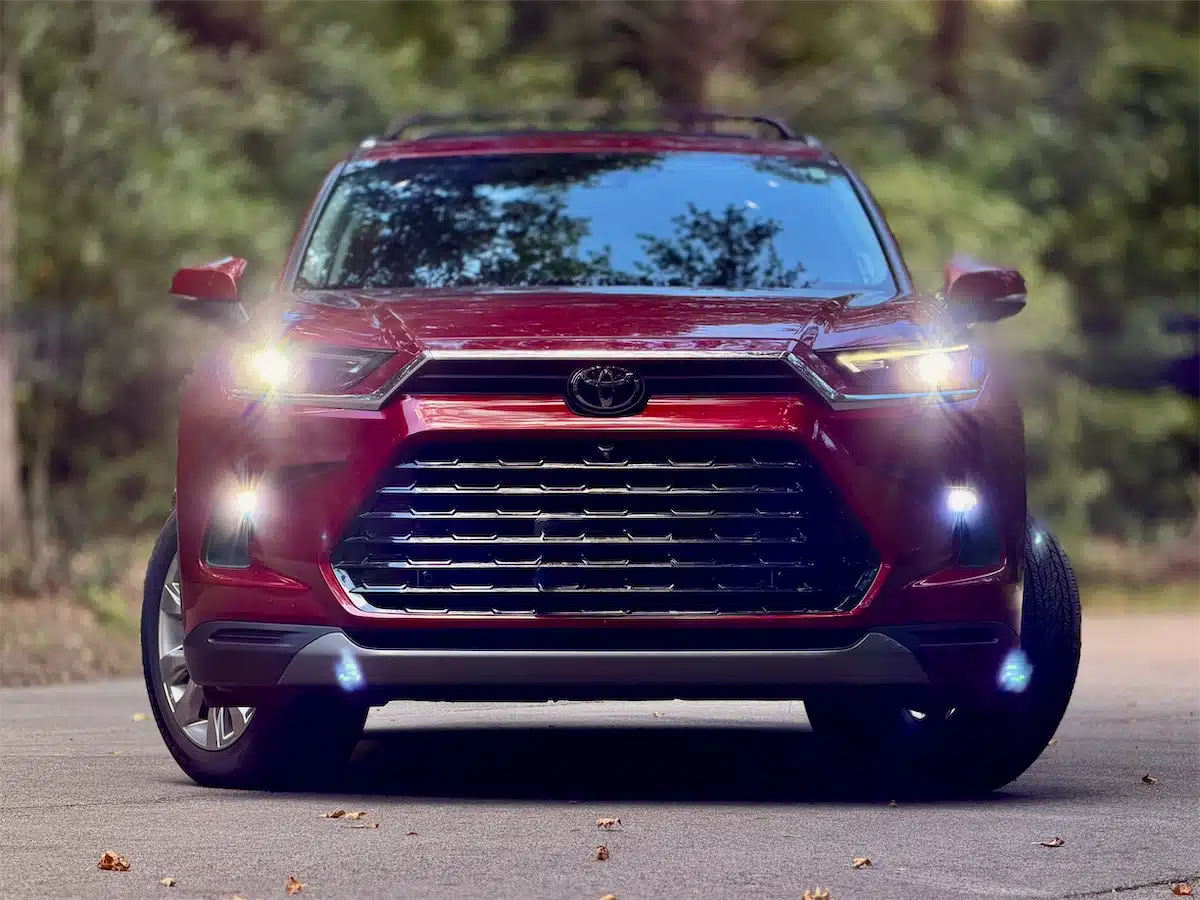
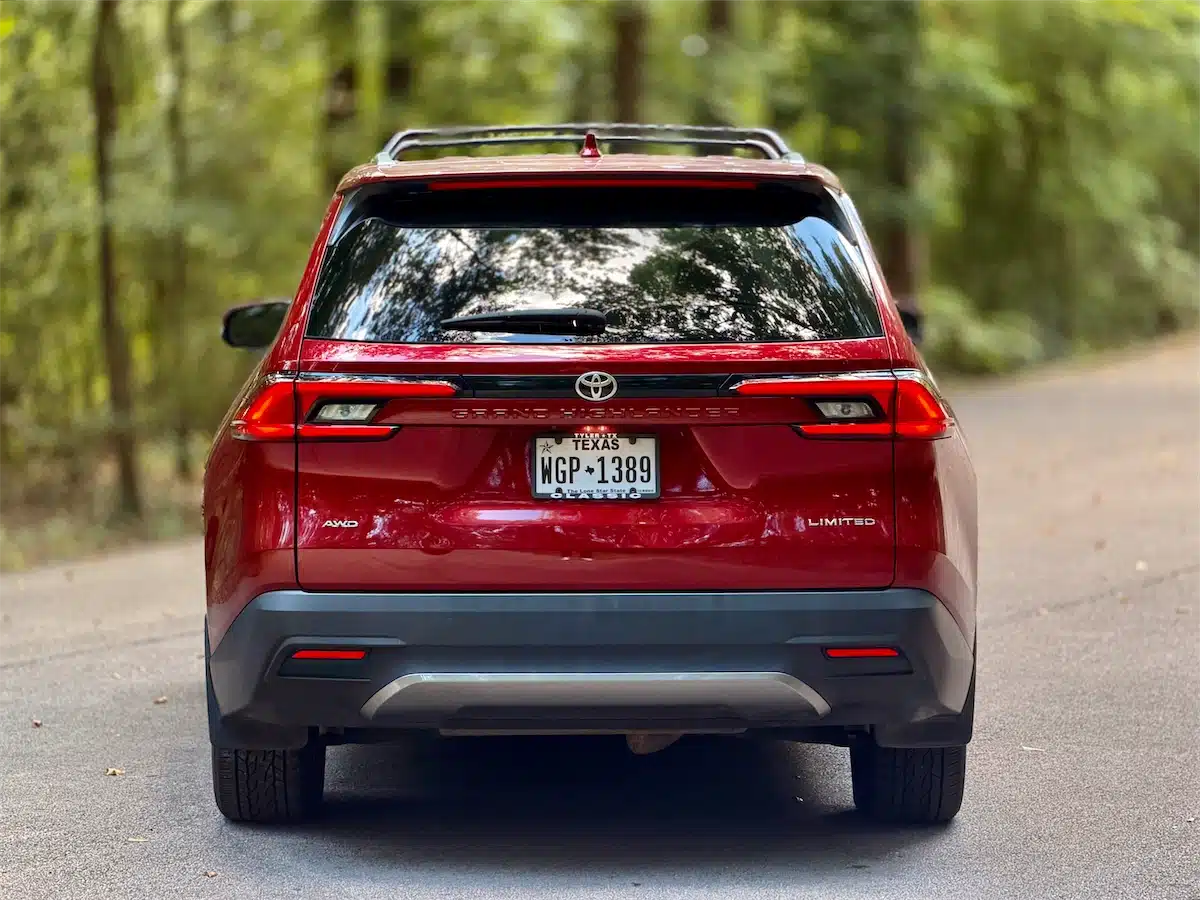
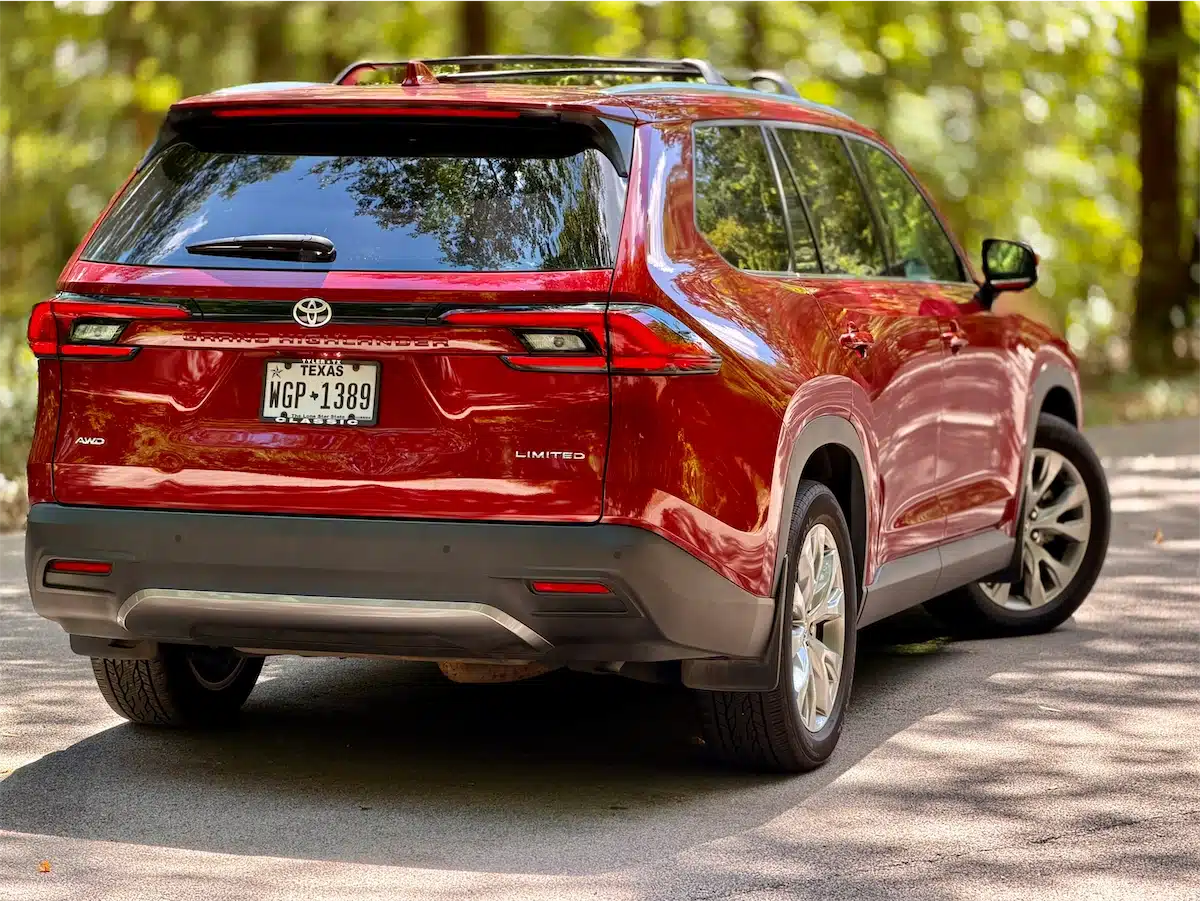
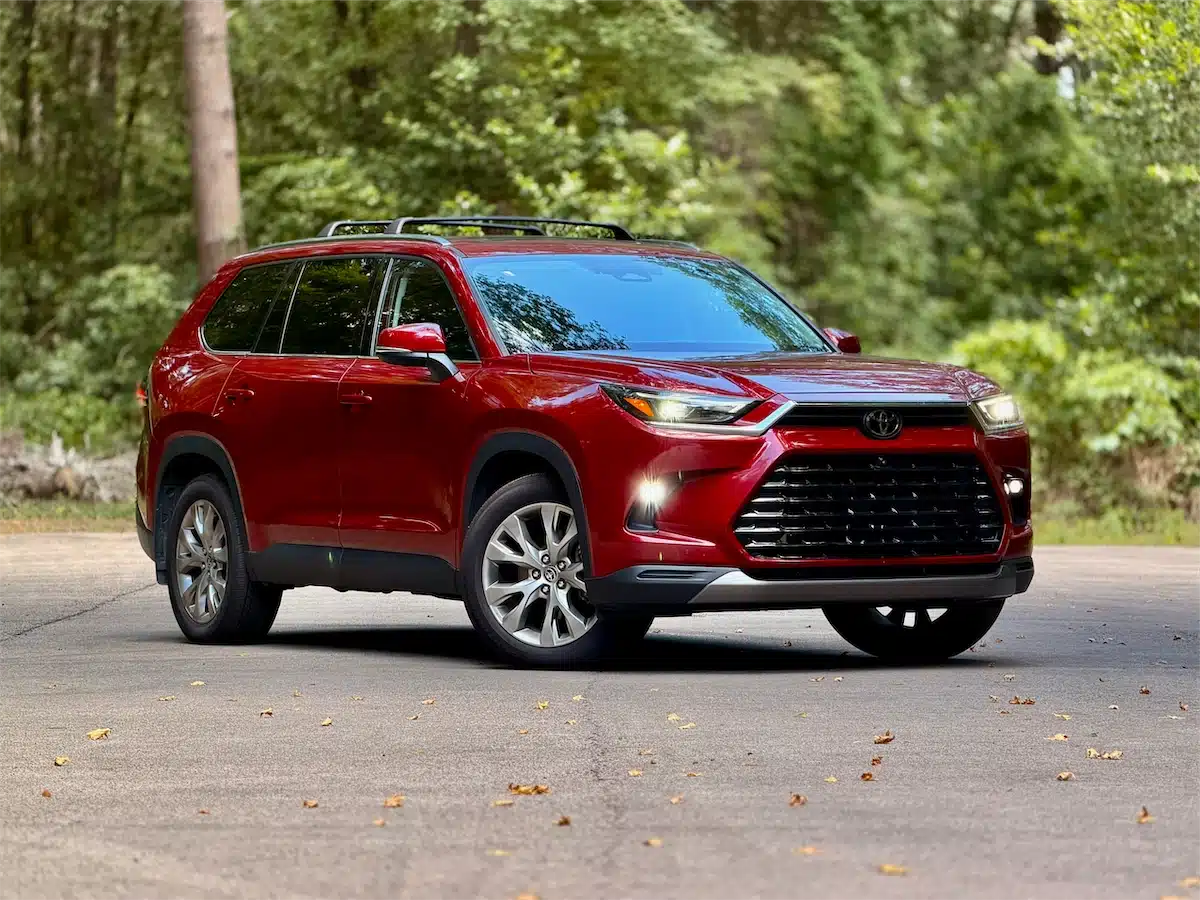
The Grand Highlander takes a more traditional approach. Its boxier shape looks clean and practical, but it is more conservative. The Ruby Flare Pearl paint gives this Limited model some personality, although its 20-inch wheels are not nearly as distinctive as the Hyundai’s.
The Toyota is handsome. The Hyundai looks expensive.
The Palisade Feels Like a Luxury SUV Inside
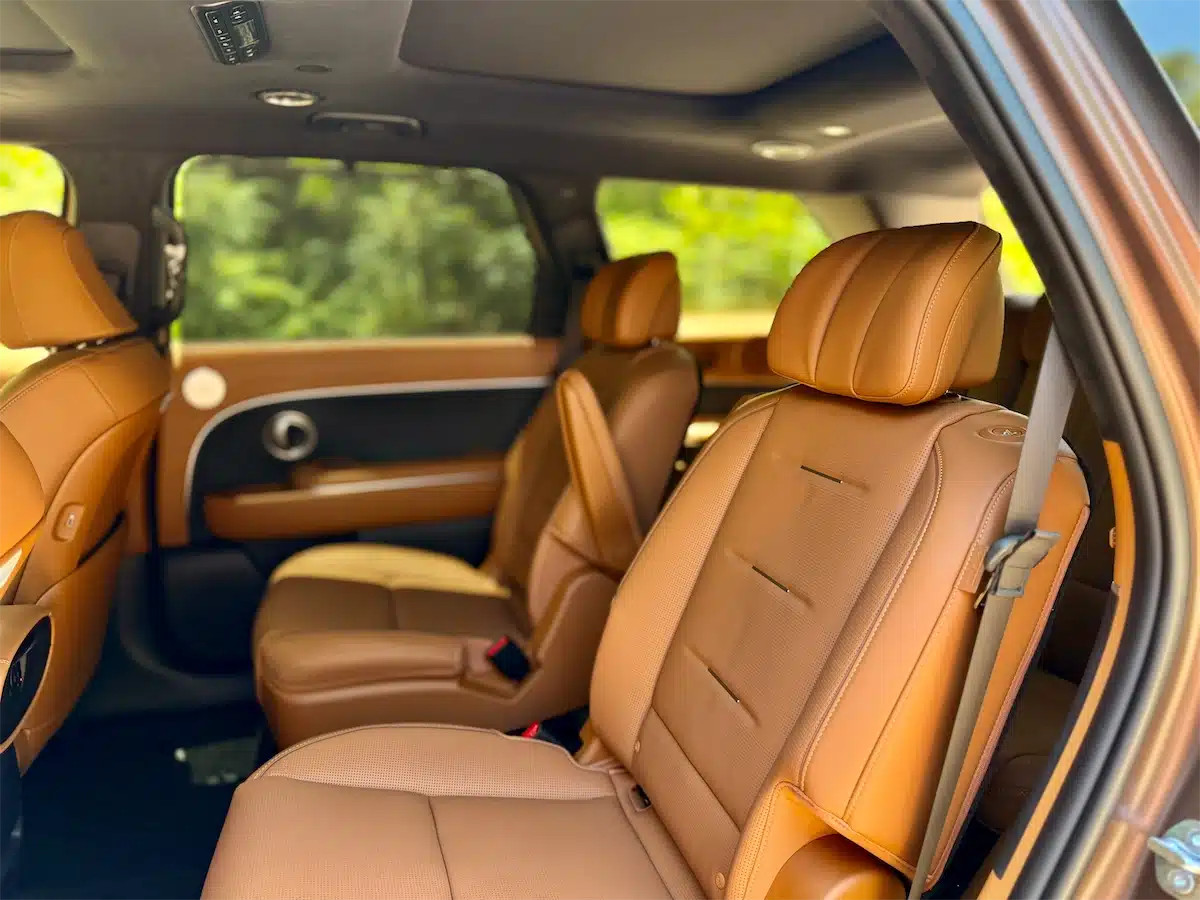
The biggest reason to consider the Palisade may be its interior.
Hyundai says the dashboard design was influenced by 1950s living-room furniture, and the cabin genuinely has a lounge-like atmosphere. The brown Nappa leather, two-tone steering wheel, ambient lighting and suede headliner all help the Calligraphy feel closer to a luxury-brand SUV than a mainstream family vehicle.
The driver gets heated and ventilated seats, a light massage function, and a relaxation mode with an extending leg cushion. The front passenger receives similar comfort features (except massage), while two 12.3-inch displays and a 12-inch head-up display place information directly in front of the driver.
The Grand Highlander Limited is still comfortable and thoughtfully designed. Its black leather interior includes contrasting trim, heated and ventilated front seats, physical climate controls and a large 12.3-inch infotainment display. However, some of the storage areas use hard, hollow plastics that do not feel as premium as the materials inside the Hyundai.
Toyota delivers a functional and pleasant cabin. Hyundai delivers an experience.
Both SUVs Understand the Importance of Physical Controls
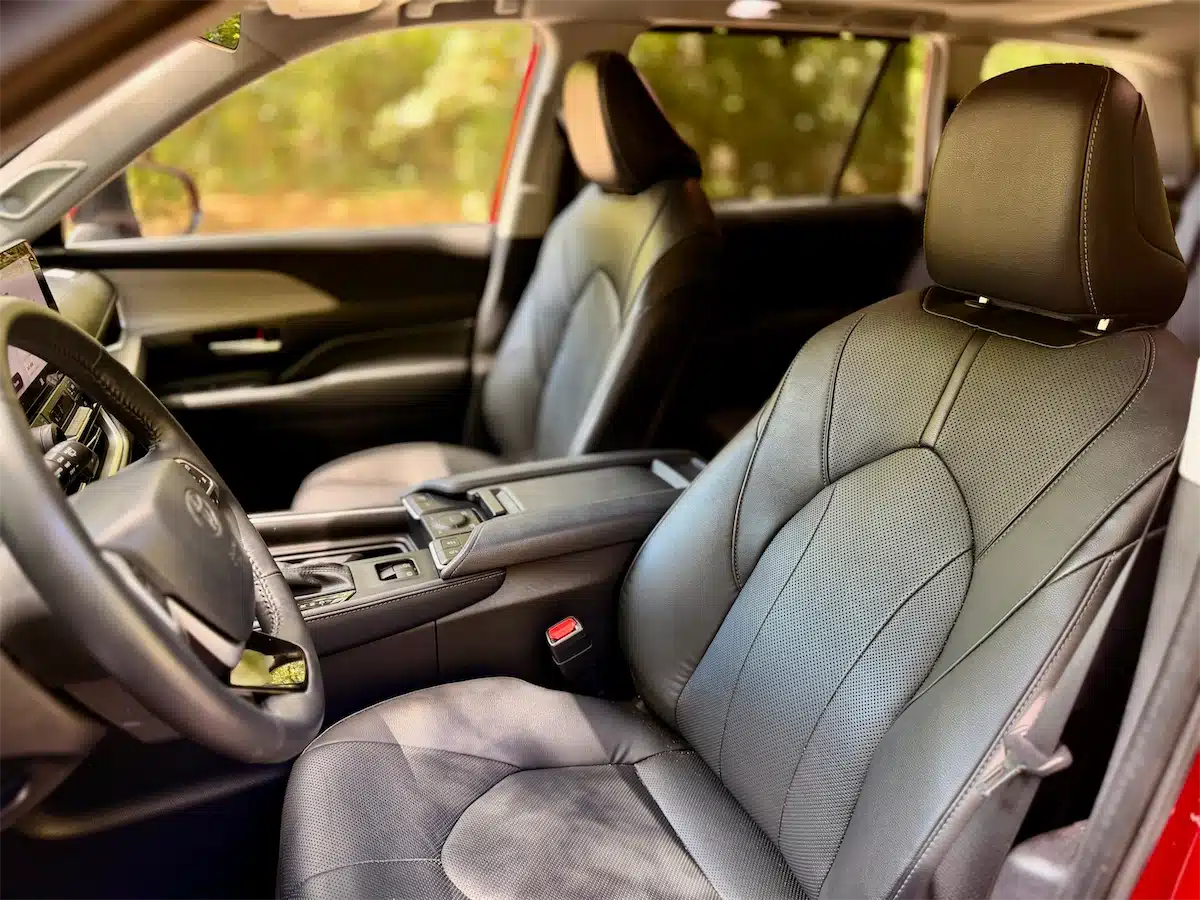
One of the best things about both interiors is that neither automaker has moved every function into the touchscreen.
The Palisade provides physical buttons and knobs for climate control, infotainment functions, heated and ventilated seats and drive modes. Hyundai has started bringing physical controls back across its lineup, and the Palisade is better because of it.
Toyota follows a similar formula. The Grand Highlander includes physical climate controls, a volume knob, dedicated seat heating and ventilation buttons and conveniently placed controls for the heated steering wheel and power liftgate.
There is one Palisade frustration worth noting. The button for the surround-view camera is positioned too far away from the driver. The camera system itself is excellent, including a digital 3D view that lets the driver rotate around the vehicle, but the control should be easier to reach.
Toyota’s camera button is more convenient, and its available invisible-car view is particularly useful when navigating tight spaces. The system remembers what was beneath the vehicle as it moves forward, effectively allowing the driver to see through the SUV.
The Palisade Offers Better Second-Row Comfort
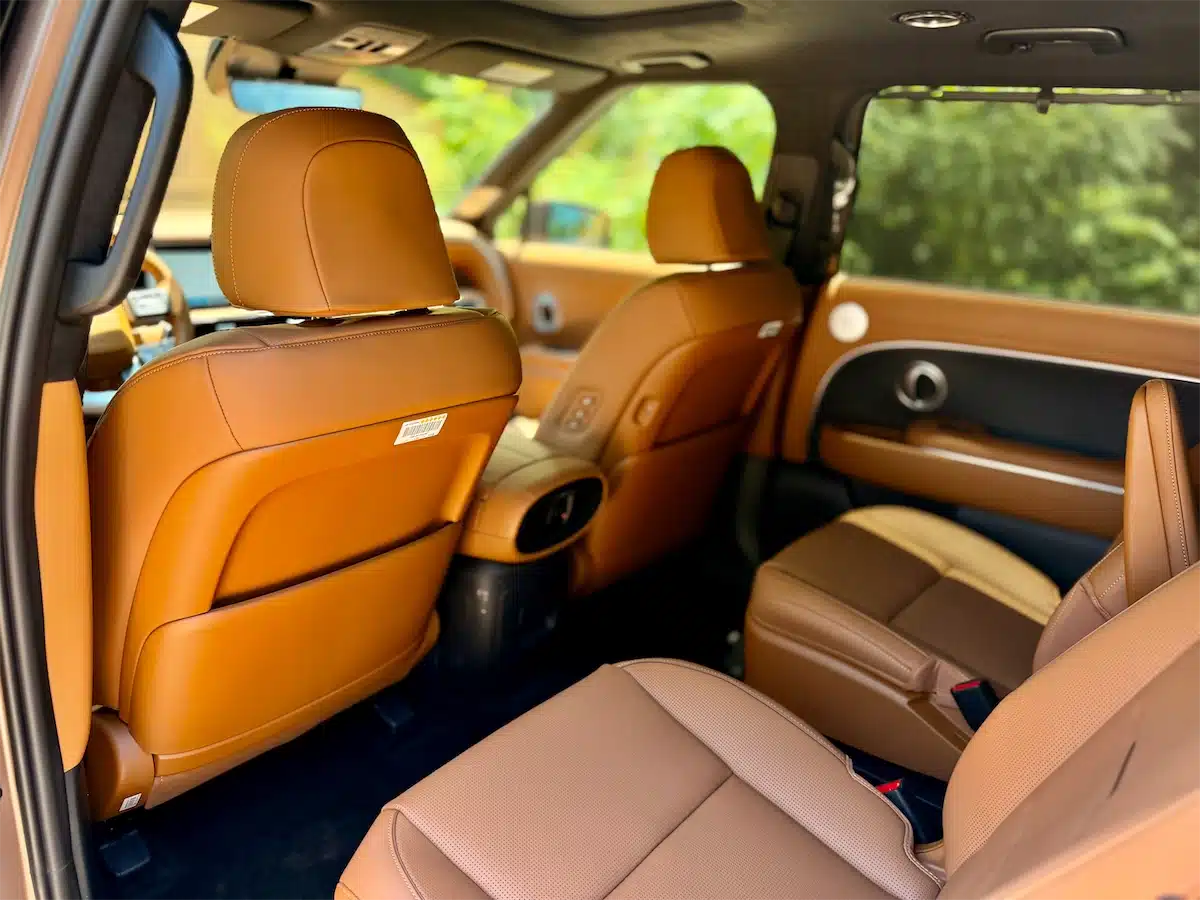
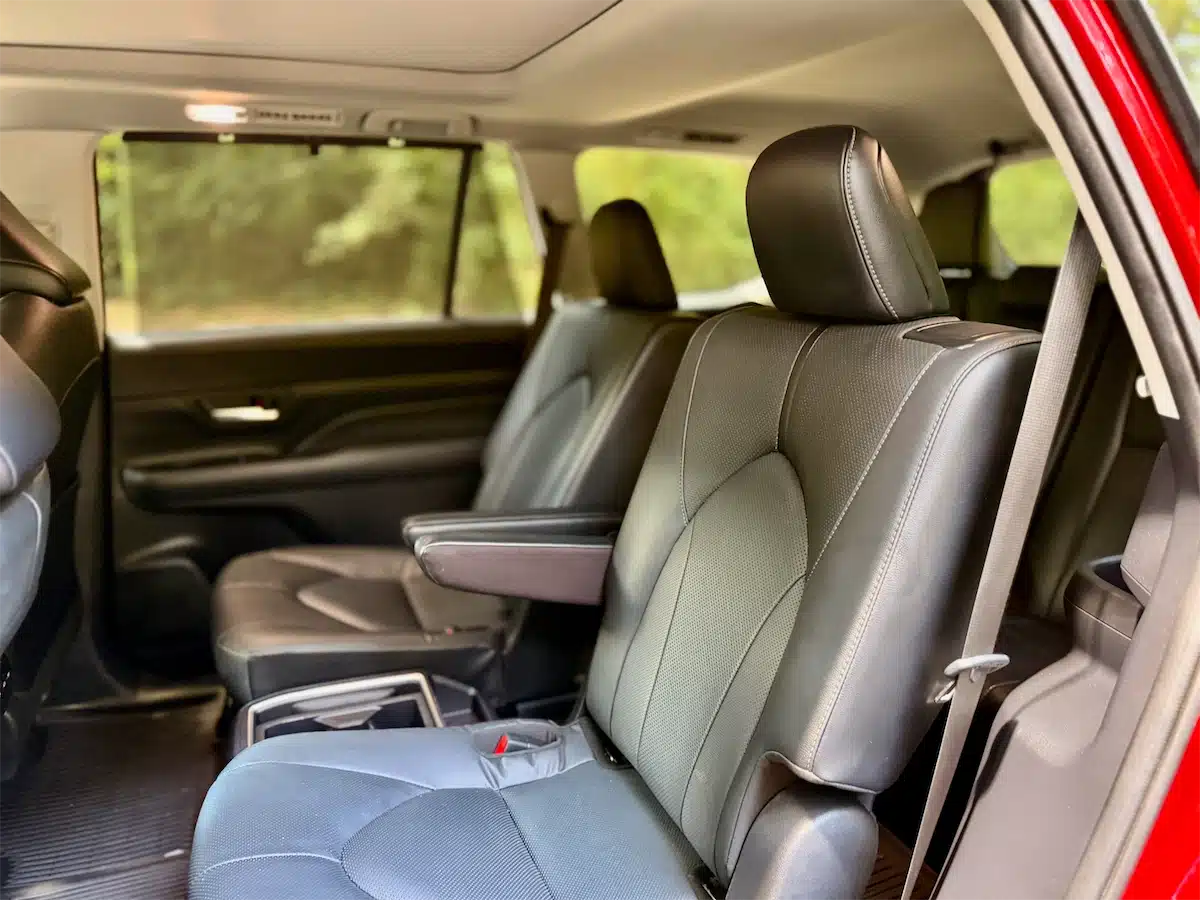
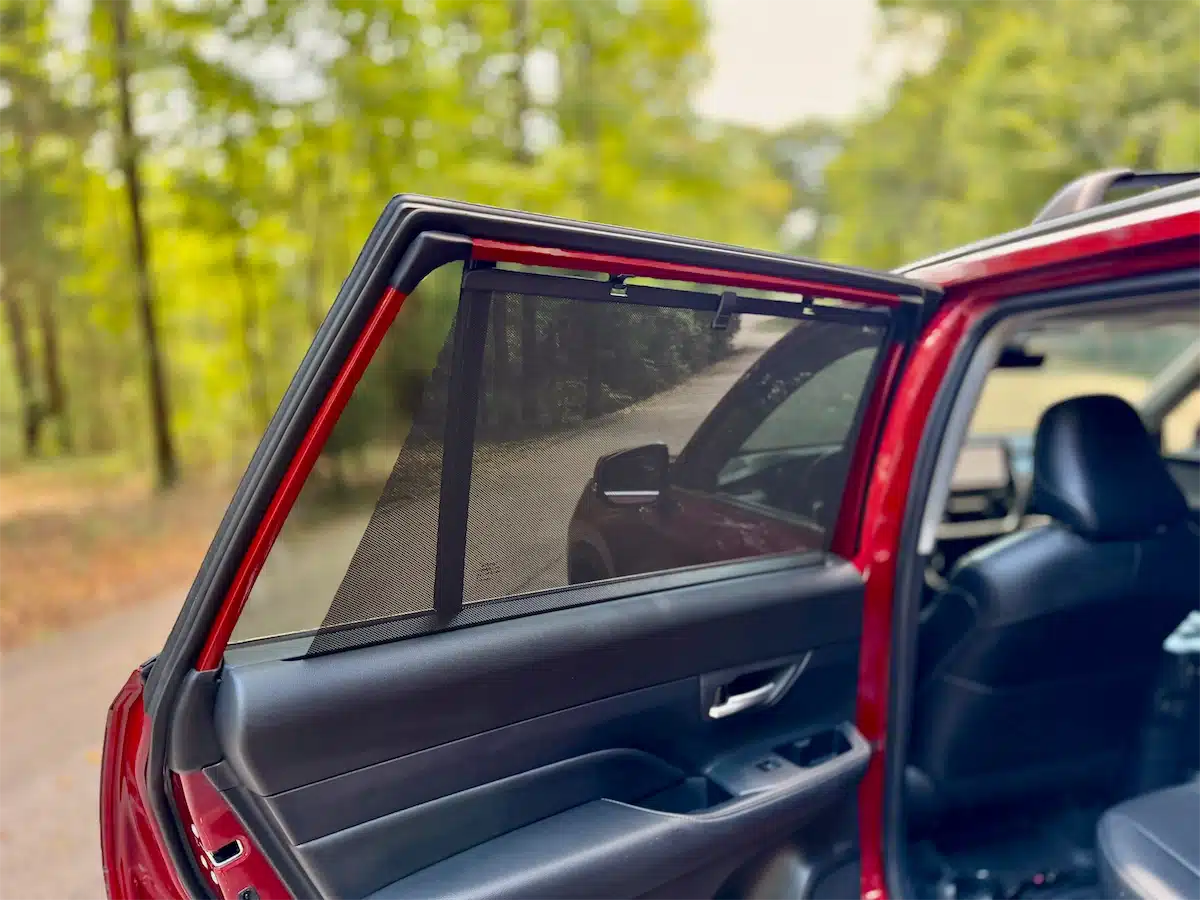
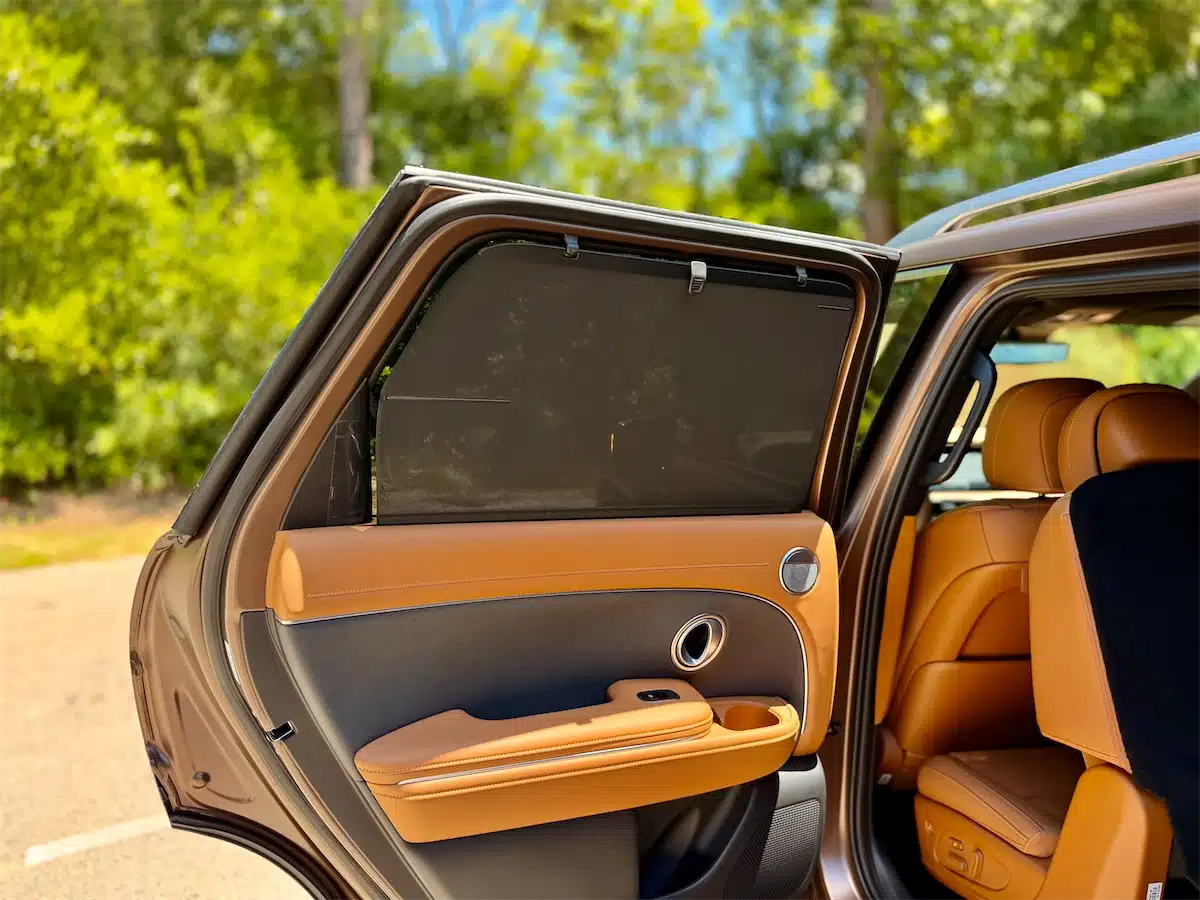
Both SUVs have second-row captain’s chairs, strong legroom and large windows with integrated sunshades. The trim differences become apparent when you start looking at comfort features.
The Palisade’s captain’s chairs are power-adjustable, heated and ventilated. Rear passengers receive ceiling-mounted air vents, USB-C ports, a household-style power outlet and a pullout storage drawer beneath the front center console.
The ceiling vents are an especially useful family feature. They can direct cool air toward children in rear-facing car seats instead of relying on vents mounted near the floor or center console.
The Grand Highlander Limited has heated second-row captain’s chairs, rear climate controls, USB-C outlets and a removable center console. Ventilated second-row seats are available on the higher Platinum trim, but Toyota does not offer power-operated captain’s chairs.
Both provide excellent space for adults. The Palisade simply adds more ways to keep those adults comfortable.
Hyundai Put More Thought Into the Third Row
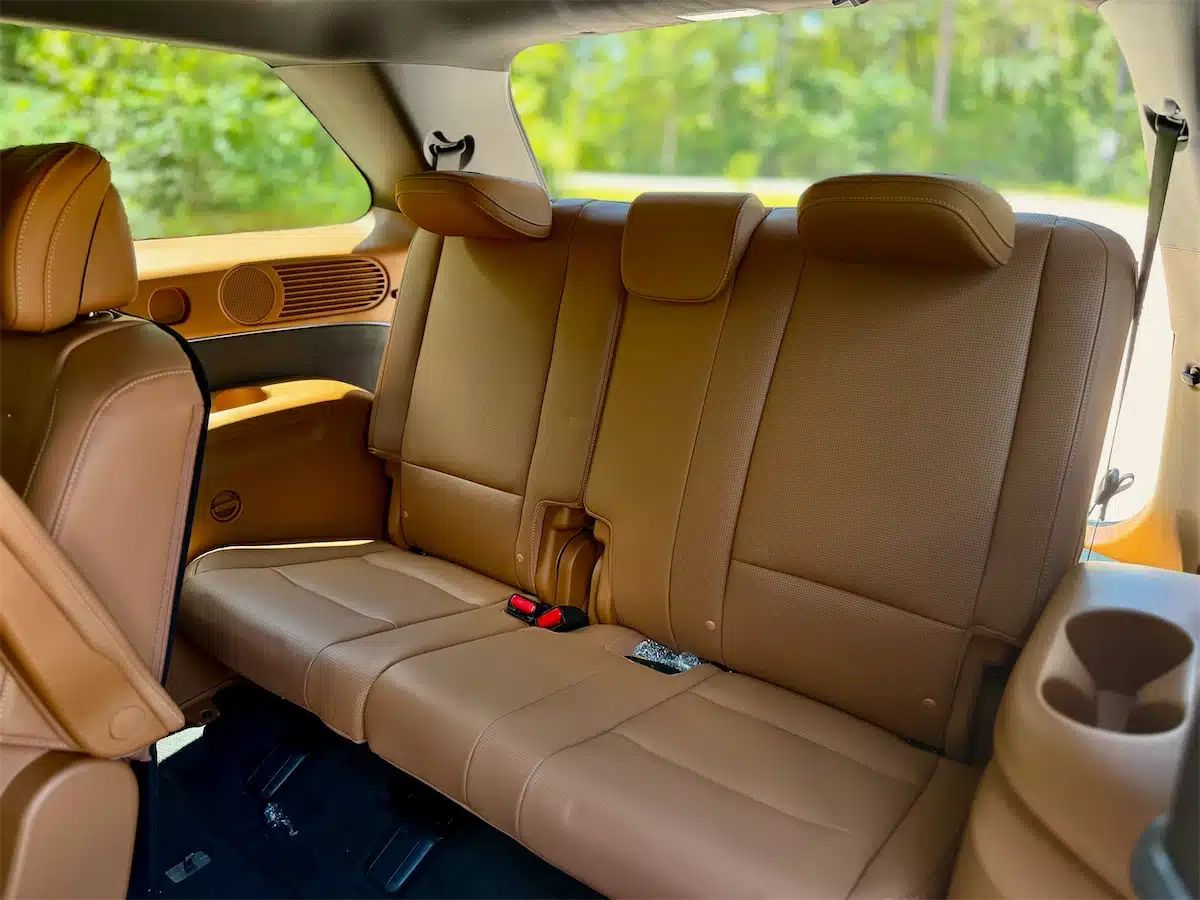
The Palisade’s third row is one of the most impressive parts of the vehicle.
A 5-foot-10 adult can sit behind a second-row seat positioned for another 5-foot-10 adult without pressing their knees against the seatback. There is also adequate headroom, large rear windows and ceiling-mounted air vents.
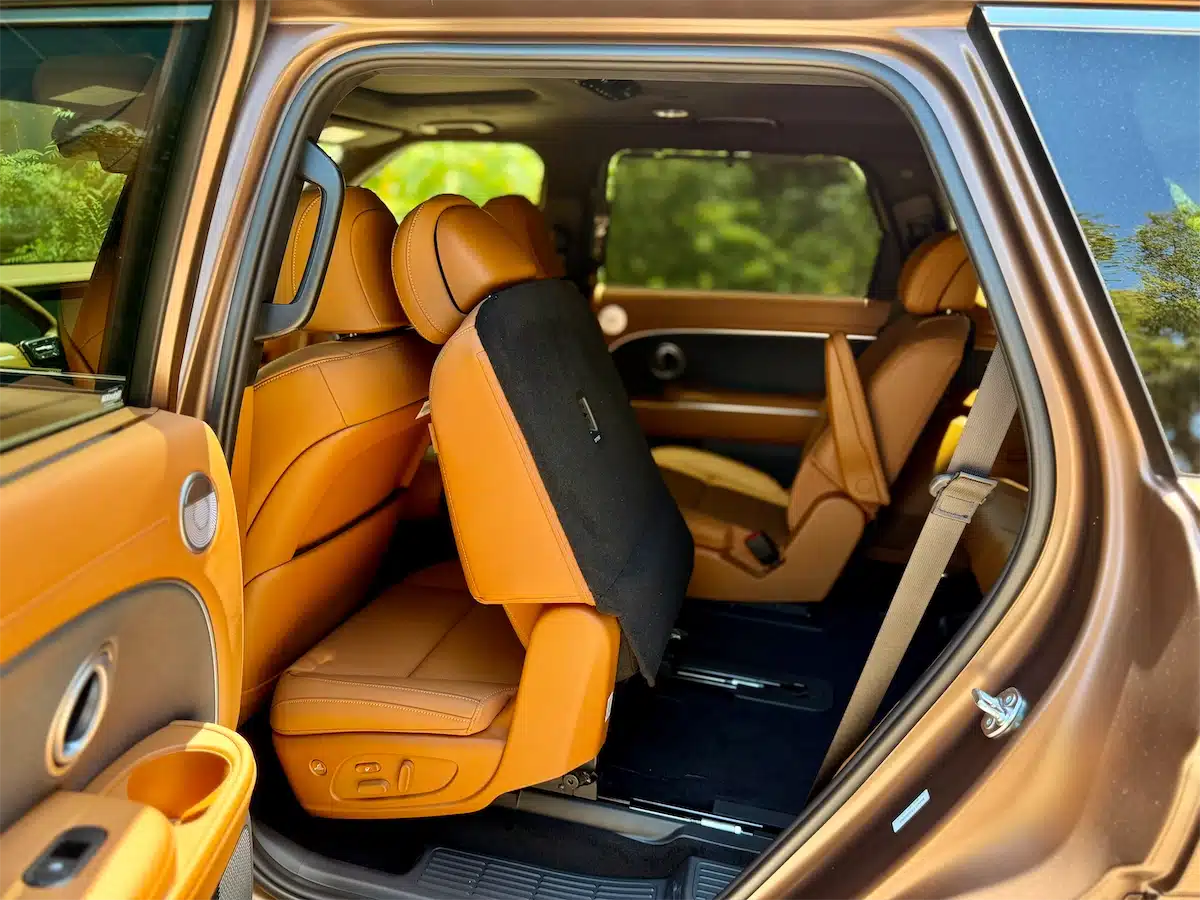
More importantly, the Palisade’s third row can power recline and slide forward or backward. Sliding the seat allows owners to prioritize either passenger space or cargo room. The Calligraphy also includes heated outboard third-row seats, a feature rarely found in this segment.
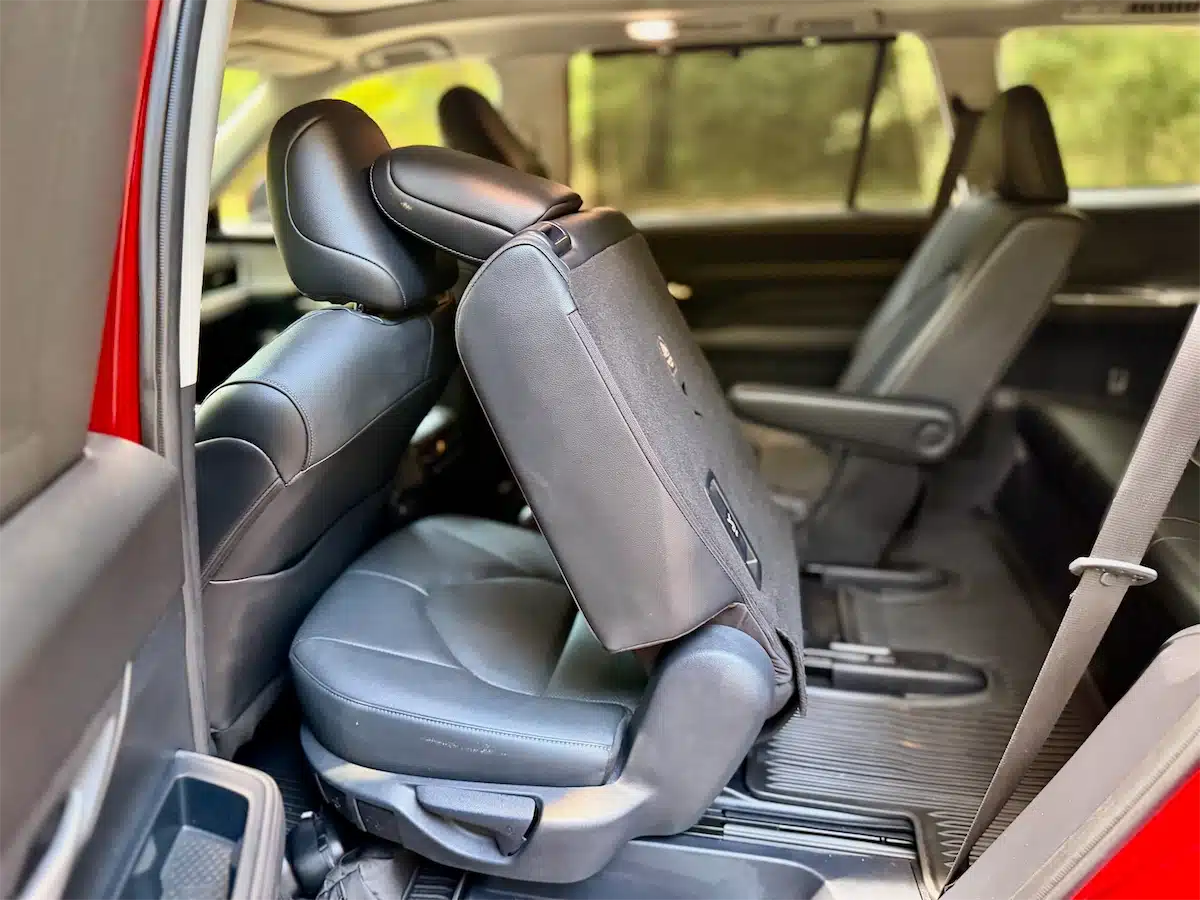
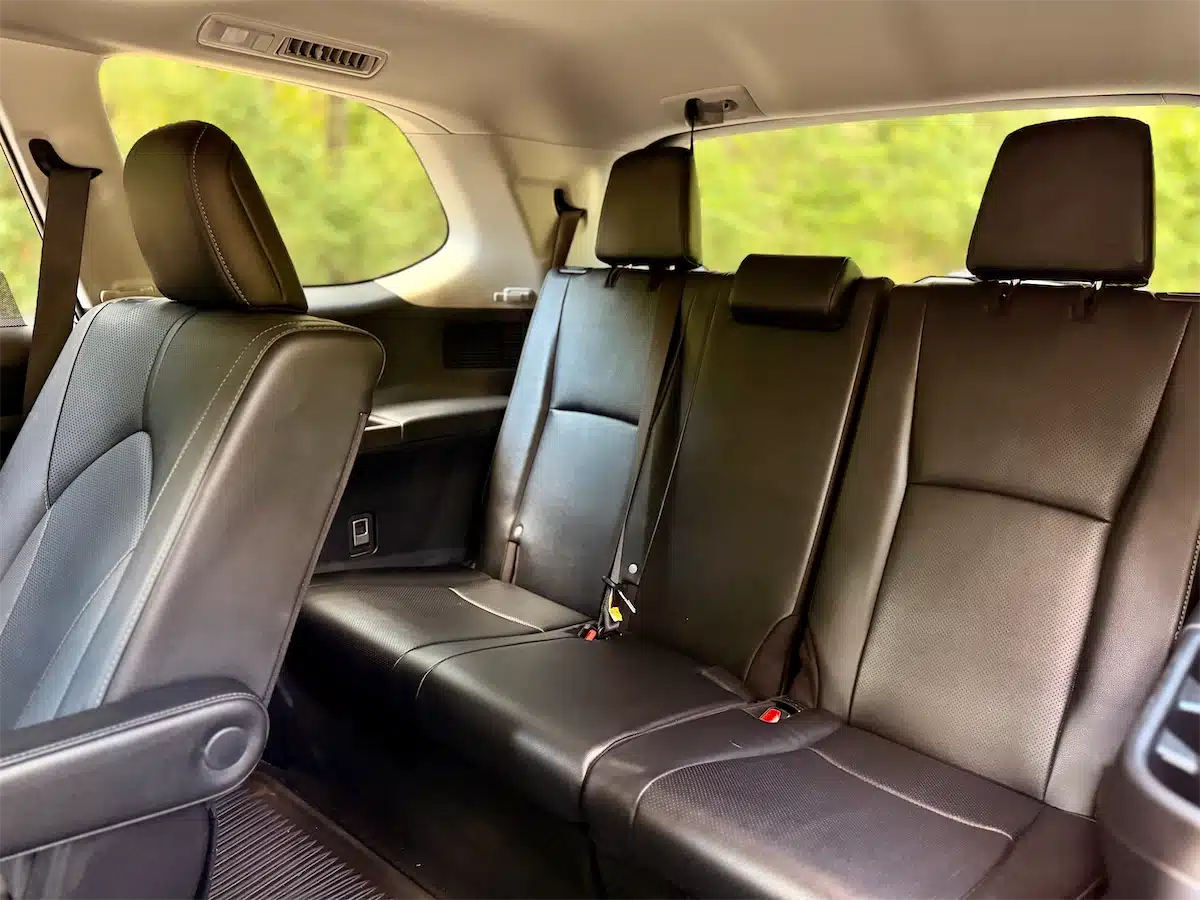
Toyota’s third row is spacious enough for adults and can seat three people across. It also includes air vents, USB-C ports, useful storage and a manual recline function. However, the Toyota lacks the Hyundai’s power adjustments, heating and sliding capability.
Access is also different. Toyota uses a simple manual release that folds and slides the second-row seat forward. Hyundai uses a power-operated system that can detect an obstruction and stop applying pressure.
Neither system works particularly well with a permanently installed child seat in the second row, which is an important consideration for families that regularly need third-row access.
The Grand Highlander Wins the Cargo-Space Battle
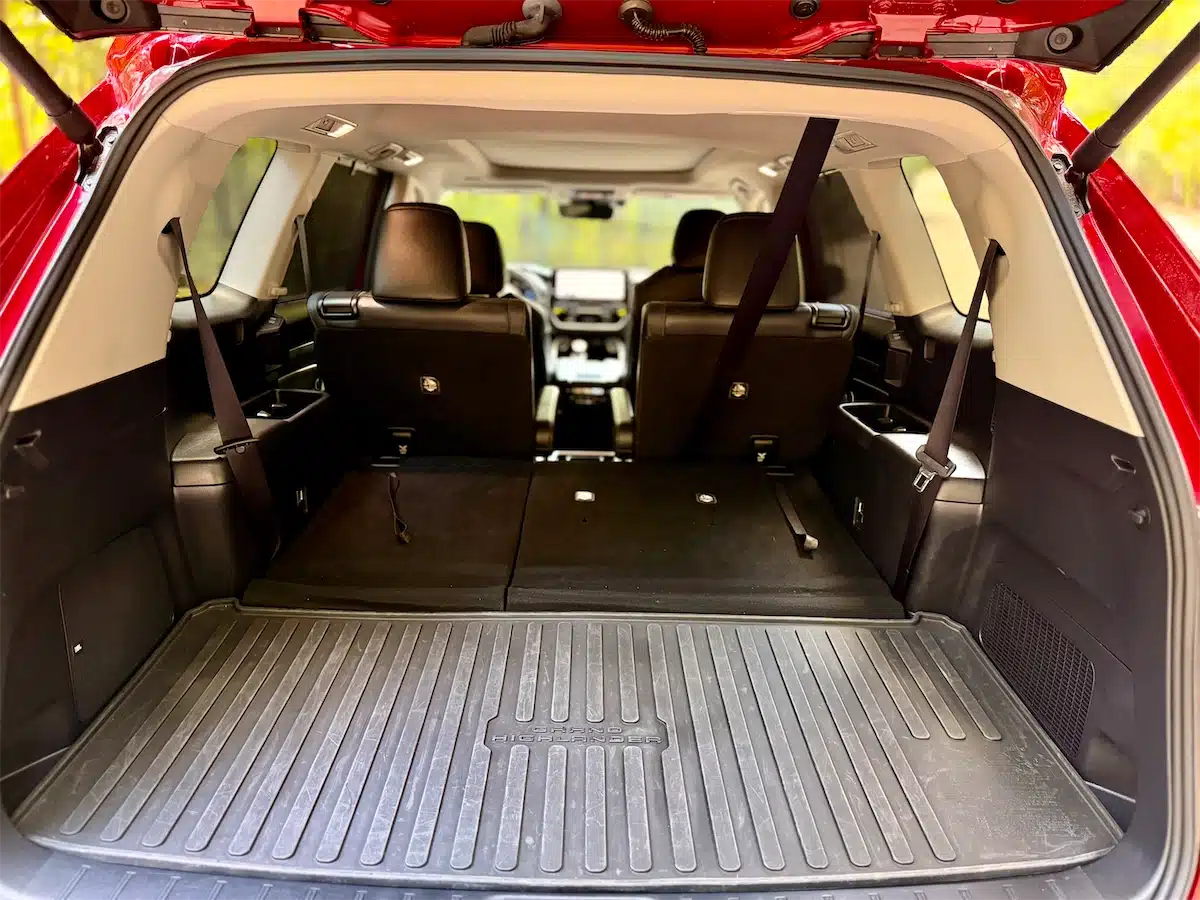
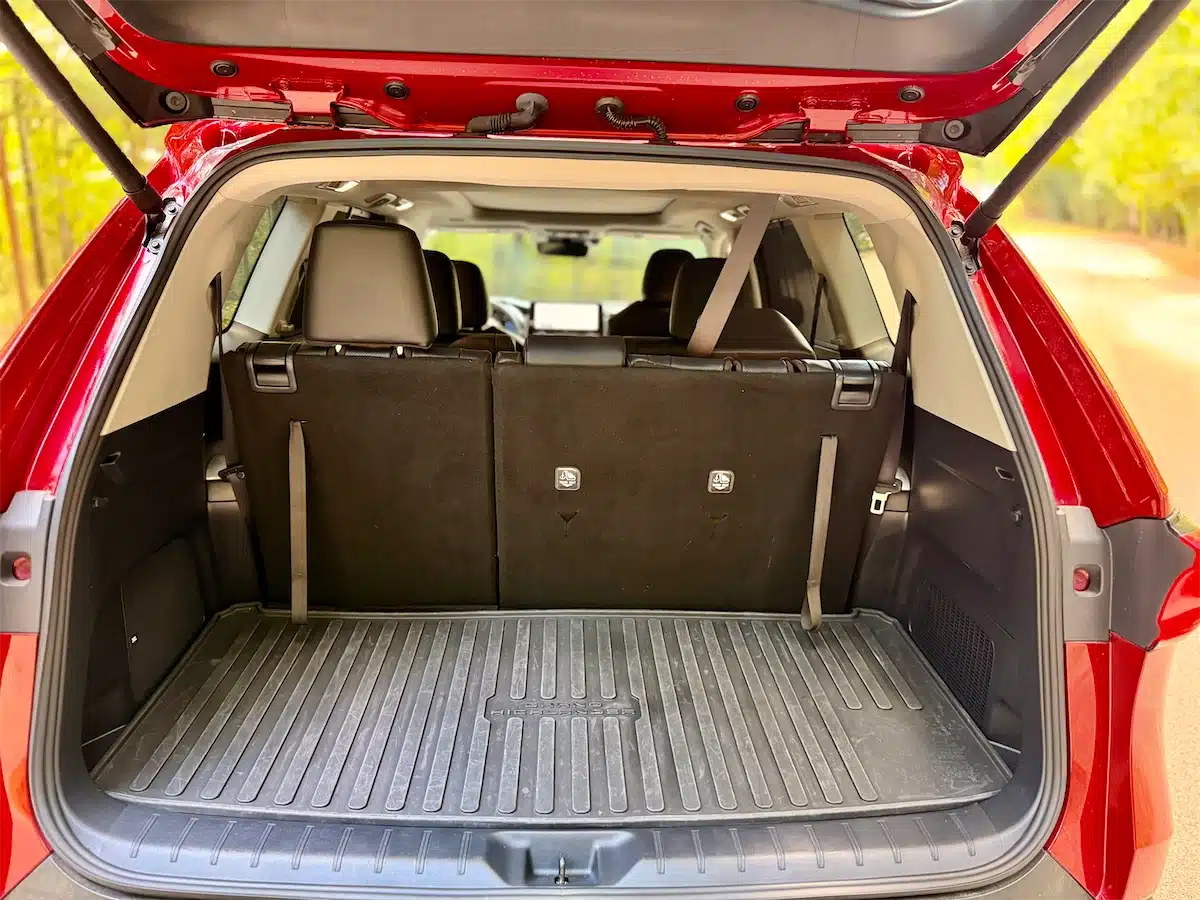
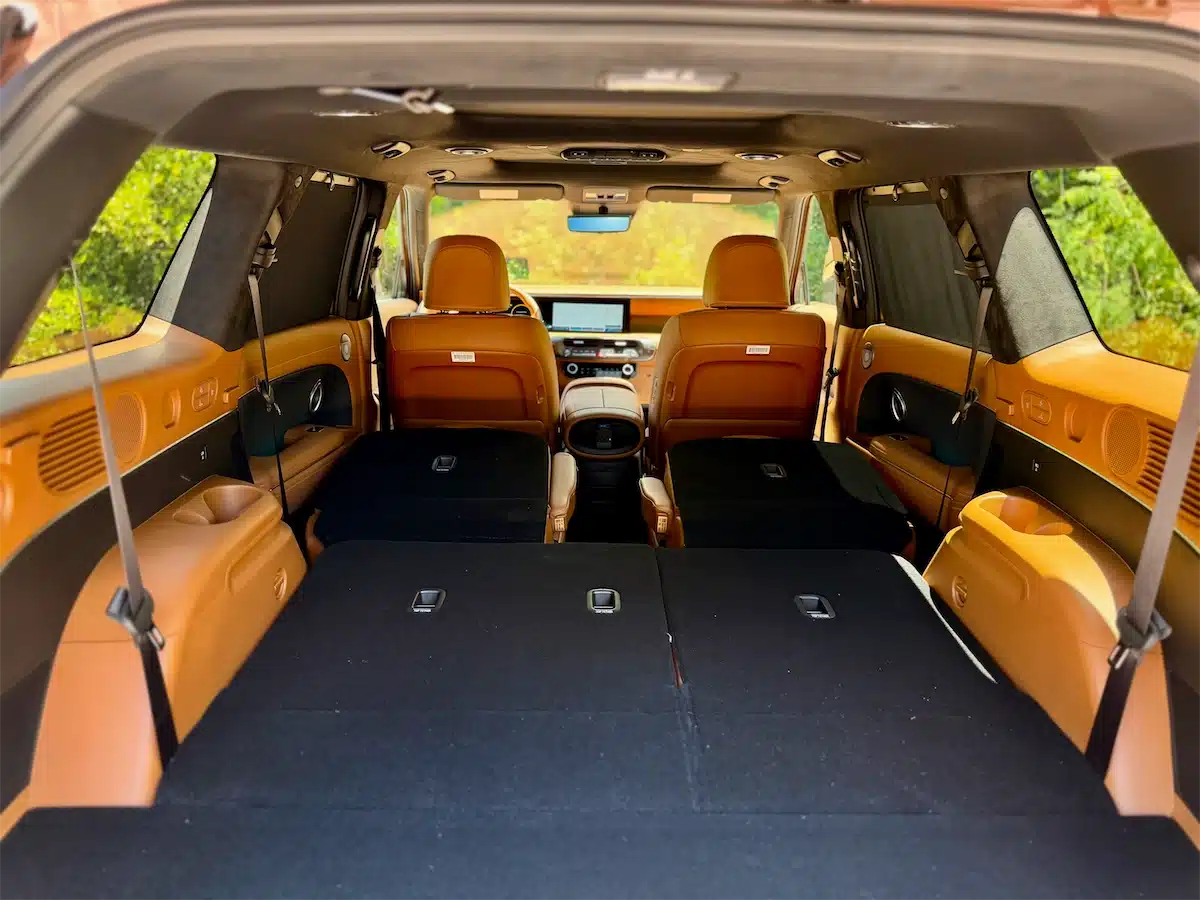
The Palisade is the largest Hyundai SUV ever built, but the Grand Highlander still holds the advantage in overall cargo capacity.
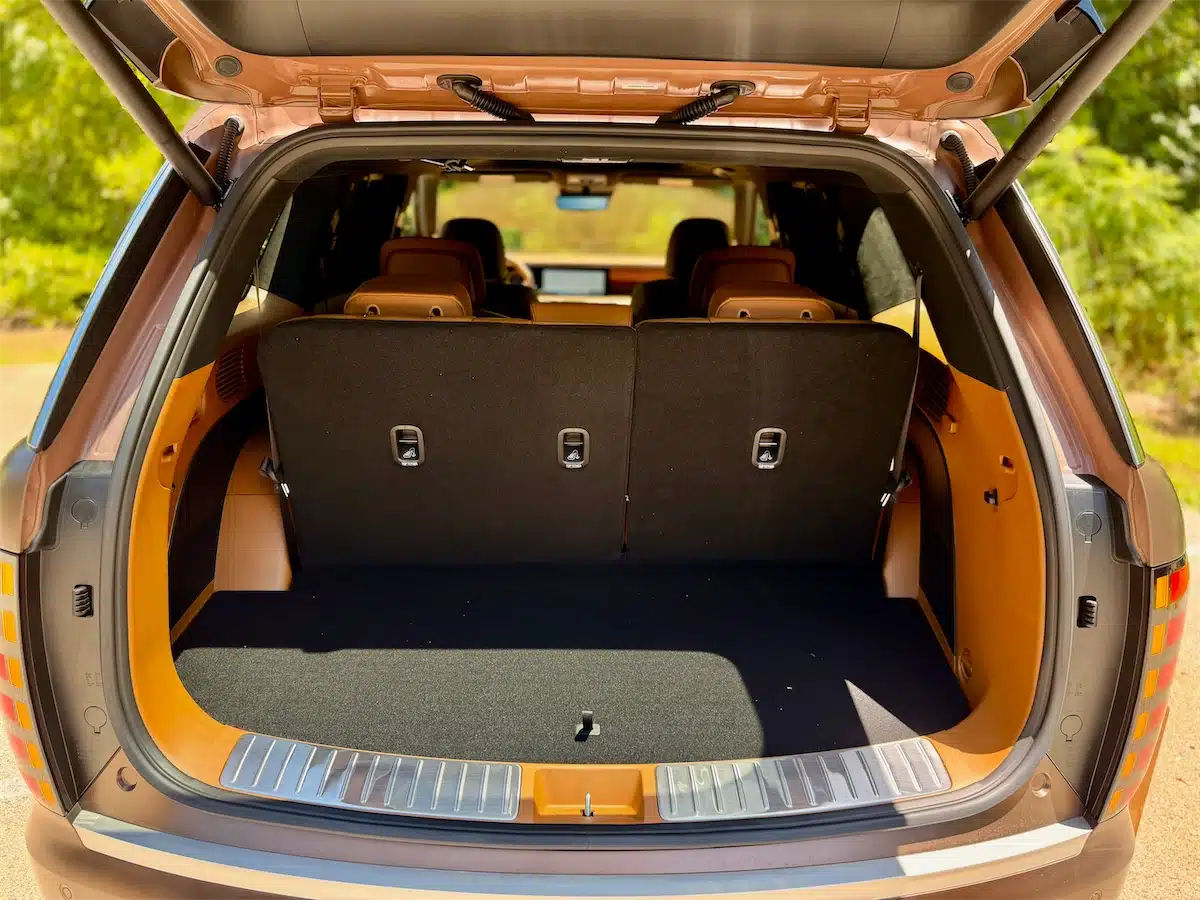
The Hyundai provides 19.1 cubic feet behind the third row, 46.3 cubic feet behind the second row and 86.7 cubic feet with the rear seats folded.
The Toyota offers 20.6 cubic feet behind the third row, 57.9 cubic feet behind the second row and 97.5 cubic feet behind the front seats.
Those are meaningful differences, especially for families carrying luggage, sports equipment, strollers or large grocery hauls.
Hyundai counters with better seat-folding technology. Buttons in the cargo area can lower or raise the second- and third-row seats, and an “all” button allows the driver to fold several seats at once. The system also detects objects and reverses direction if a seat meets an obstruction.
Toyota’s seats are manually operated. That makes them quicker to raise or lower in some situations, but folding the second row requires walking around to the side doors. The third-row seatbacks also return to their most upright position, meaning passengers may need to recline them again before getting comfortable.
Toyota gives you more room. Hyundai makes its available room easier to configure.
The Powertrains Deliver Similar Performance in Different Ways
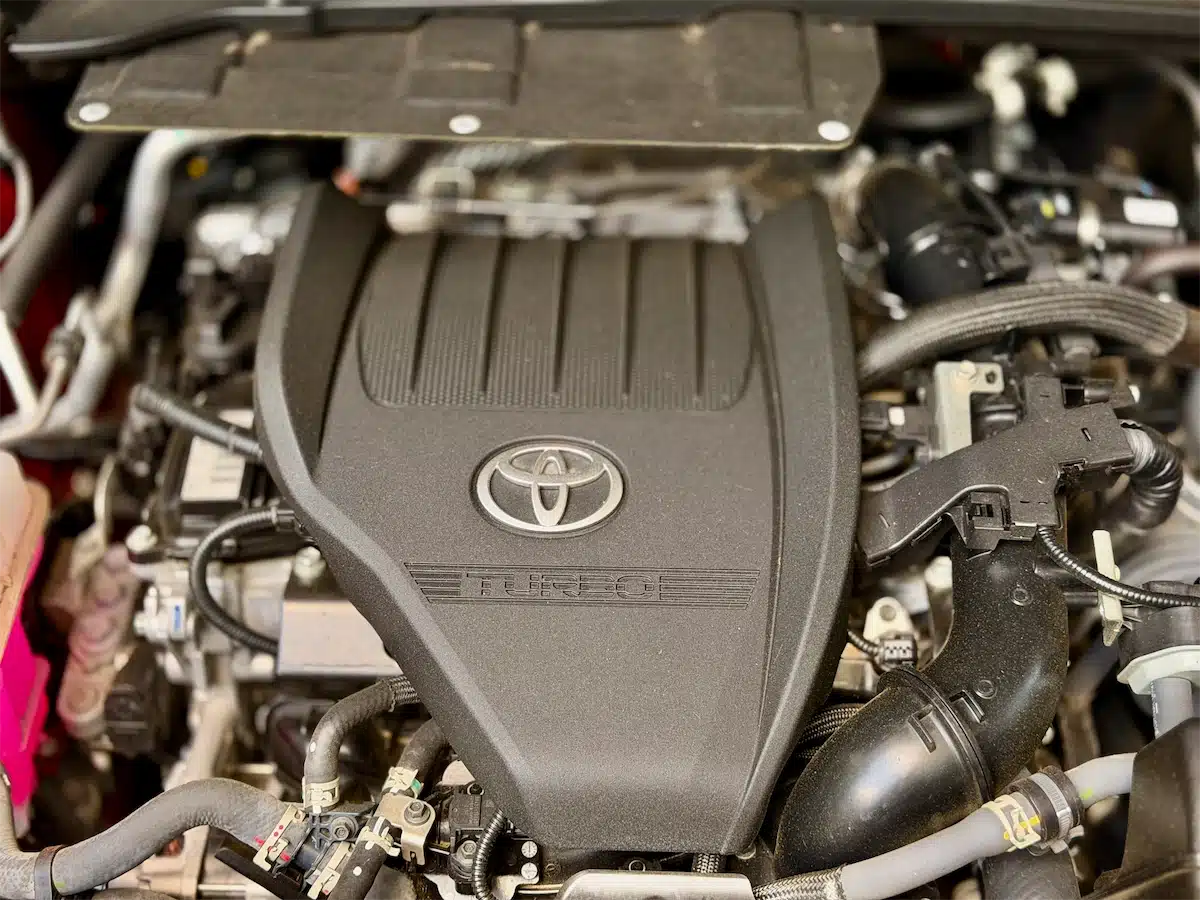
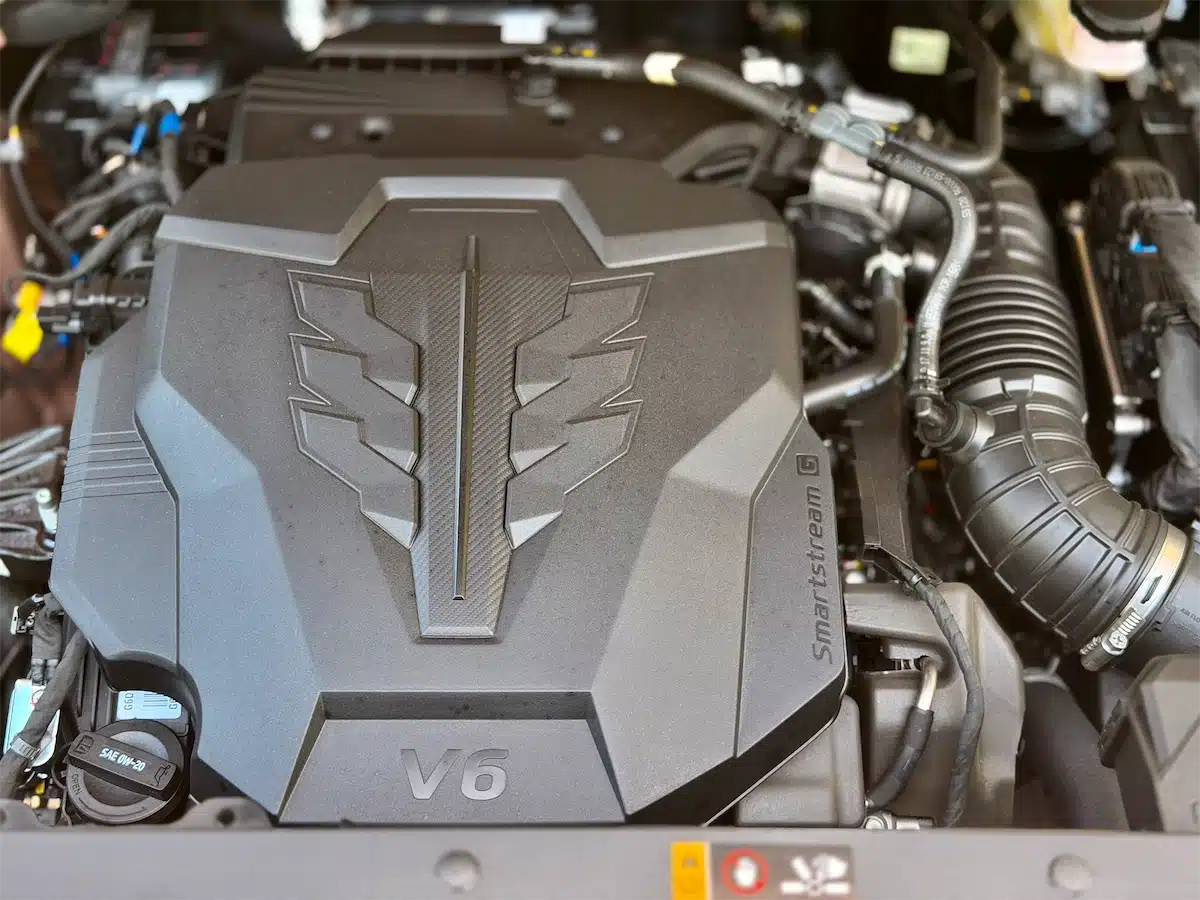
The Palisade Calligraphy tested here uses a naturally aspirated 3.5-liter V6 producing 287 horsepower and 260 pound-feet of torque. It is paired with an 8-speed automatic transmission and front-wheel drive, although all-wheel drive is available.
The Grand Highlander Limited uses a turbocharged 2.4-liter 4-cylinder with 265 horsepower and 310 pound-feet of torque. It also uses an 8-speed automatic, and this particular vehicle includes Toyota’s Dynamic Torque Control all-wheel-drive system.
The Hyundai has more horsepower and the smoother character many buyers expect from a V6. The Toyota produces substantially more torque, which may help it feel stronger during everyday acceleration.
Both SUVs can tow up to 5,000 pounds when properly equipped. The Palisade tested here also includes a factory-installed hitch and trailer sway control.
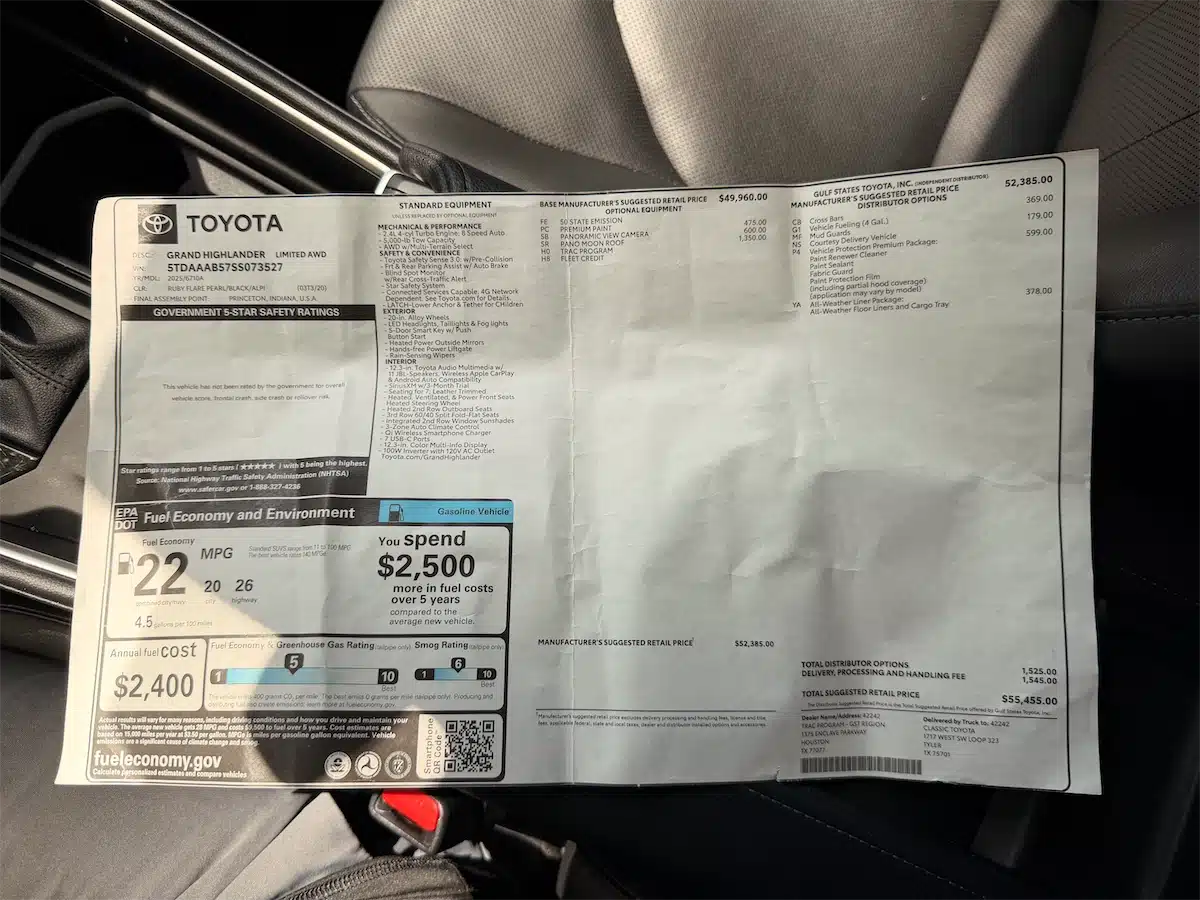
Fuel economy is close. The front-wheel-drive Palisade is EPA-rated at 19 mpg city, 25 mpg highway and 21 mpg combined. The all-wheel-drive Grand Highlander is rated at 20 mpg city, 26 mpg highway and 22 mpg combined.
Both models are also available with hybrid powertrains for buyers who prioritize fuel economy.
The Toyota Is Less Expensive, but the Hyundai Includes More
The 2026 Hyundai Palisade Calligraphy tested here carried a standard vehicle price of $54,560 and an as-tested price of $58,105, including destination.
The 2025 Toyota Grand Highlander Limited started at $49,960 and reached $55,455 as tested.
That gives the Toyota an advantage of approximately $2,650 in this comparison, despite the Grand Highlander also including all-wheel drive.
However, the Hyundai includes features not found on this Toyota Limited, including power second-row captain’s chairs, ventilated second-row seats, heated and power-adjustable third-row seats, a head-up display, massaging driver’s seat, suede headliner, digital rearview mirror and integrated front and rear dashcams.
Toyota offers some comparable features on the more expensive Grand Highlander Platinum, but the price gap would change.
The Palisade also has a stronger factory warranty, including 5-year/60,000-mile basic coverage and a 10-year/100,000-mile powertrain warranty. Toyota provides a 3-year/36,000-mile basic warranty and 5-year/60,000-mile powertrain coverage, although it includes 2 years or 25,000 miles of complimentary ToyotaCare maintenance.
Palisade or Grand Highlander: Which One Should You Buy?
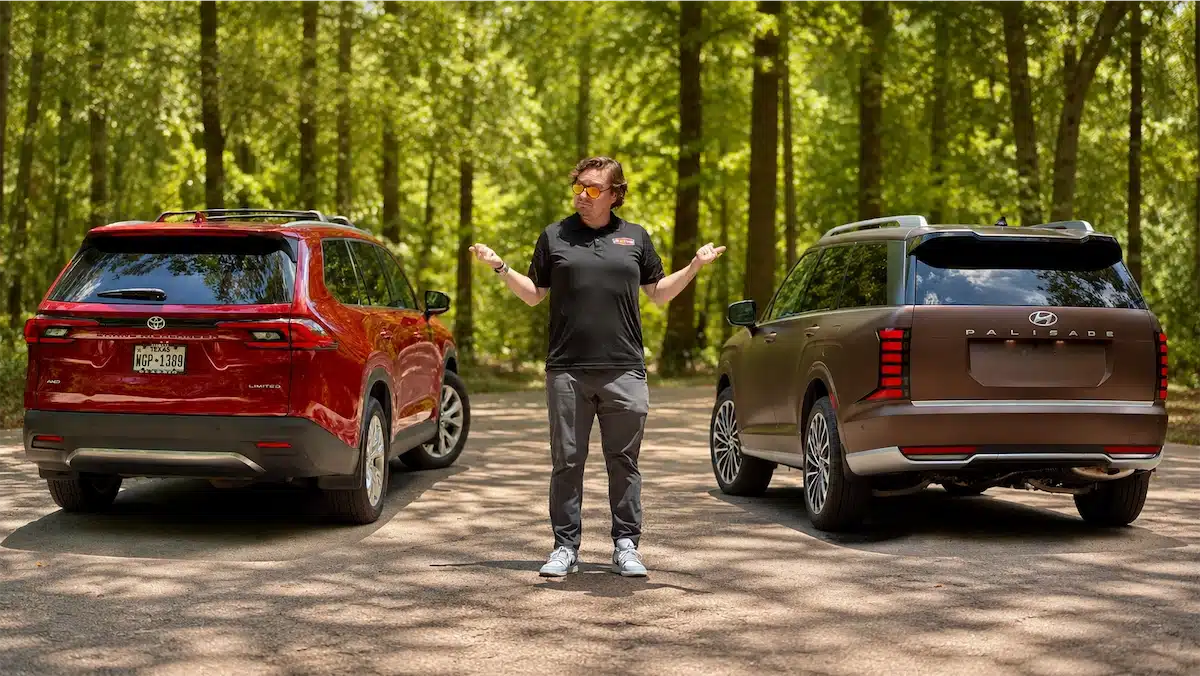
The 2026 Hyundai Palisade Calligraphy is the more impressive vehicle from the driver’s seat. Its interior is more luxurious, its seats are more configurable and its second- and third-row features are better suited for passengers who regularly use every row.
The Toyota Grand Highlander makes its case with more cargo room, a lower as-tested price, standard all-wheel drive on this particular model and a simpler approach to seat operation. It may not feel as special inside, but it is exceptionally practical.
Families that regularly carry seven people and want the most comfortable experience should strongly consider the Palisade. Families that prioritize cargo capacity, straightforward functionality and value may find the Grand Highlander is the better fit.
The Palisade wins on comfort and technology. The Grand Highlander wins on space and simplicity. The right choice depends on which of those qualities matters most once the entire family is loaded aboard.