
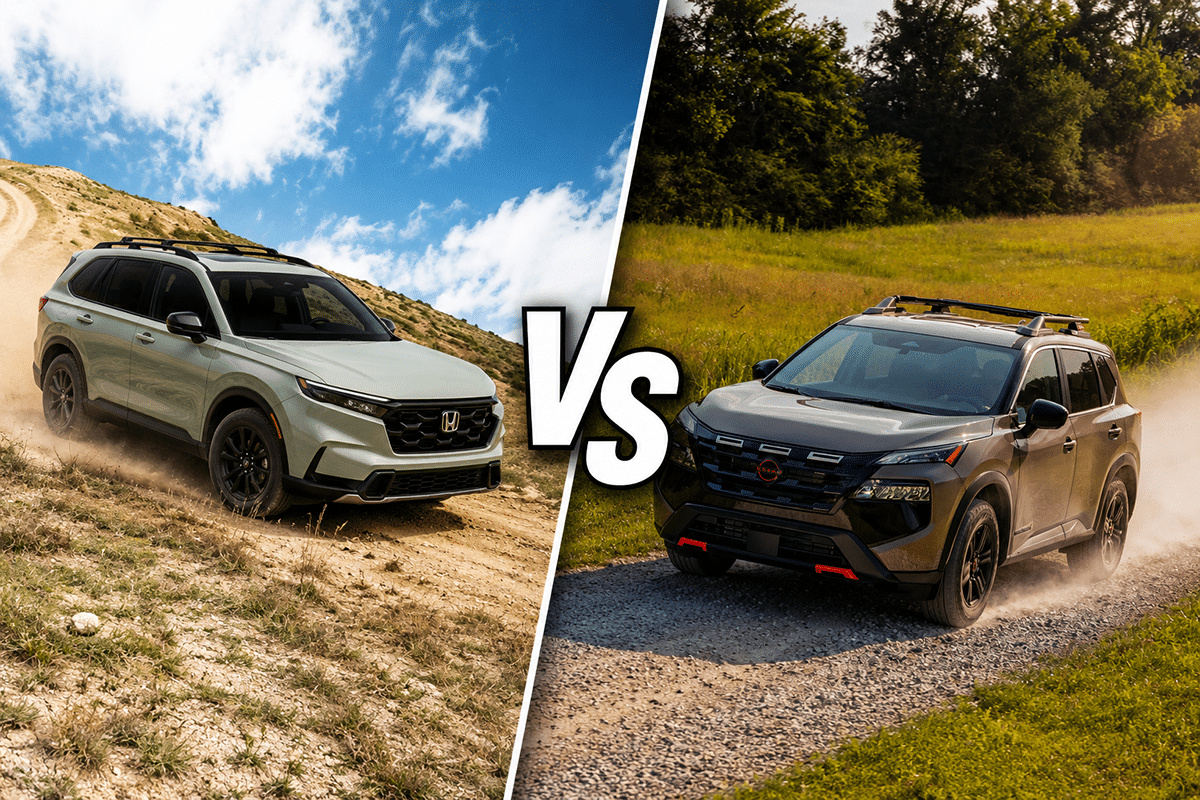
The 2026 Nissan Rogue vs Honda CR-V comparison pits two of the most popular compact SUVs against one another. Both offer roomy interiors, excellent fuel economy and family-friendly practicality, but they take very different approaches to winning over buyers.
The Nissan Rogue focuses on comfort, technology and value. Honda’s CR-V leans on its reputation for refinement, strong resale value and one of the best hybrid powertrains in the segment. After spending time behind the wheel of both, the decision comes down to whether you prioritize comfort and features or driving dynamics and efficiency.
Exterior design
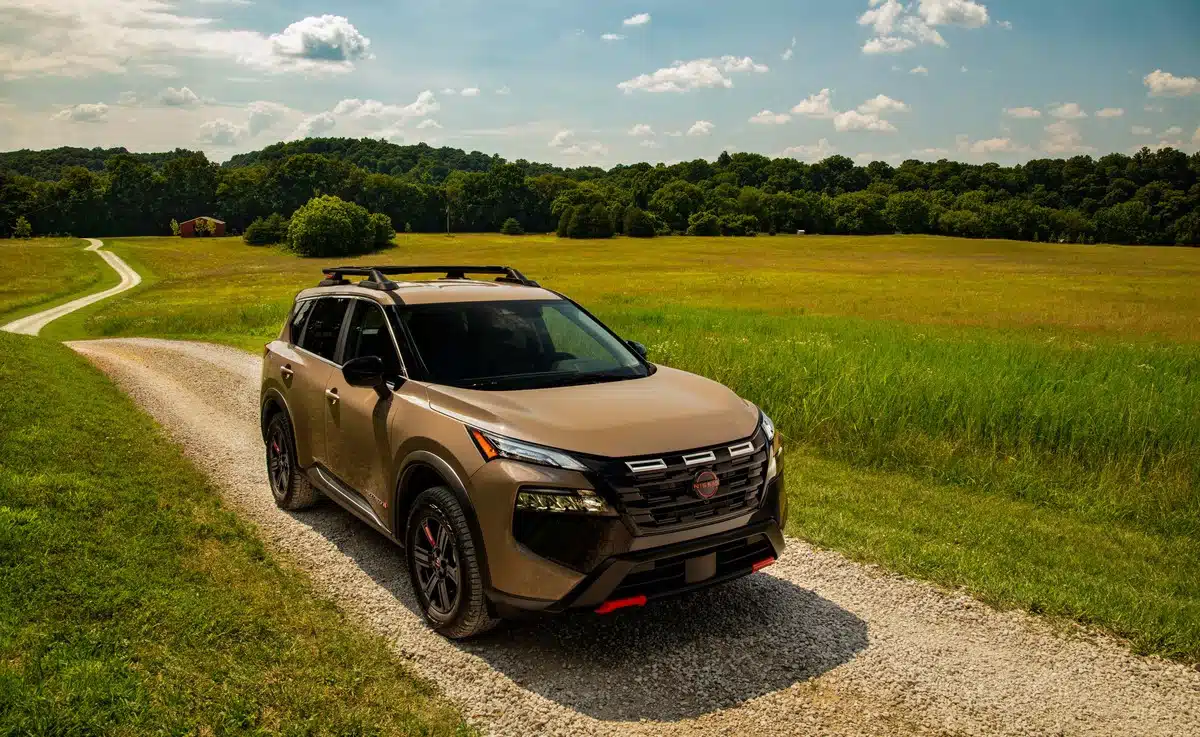
Nissan has done an impressive job with the Rogue’s styling, period. Full stop.
The front end looks modern and upscale, especially on the Rock Creek trim with its rugged appearance, unique grille and all-terrain tires. Even standard trims have clean lines and enough character to stand out in a crowded parking lot. The Rogue looks more expensive than its price tag suggests.
The Honda CR-V takes a more conservative approach.
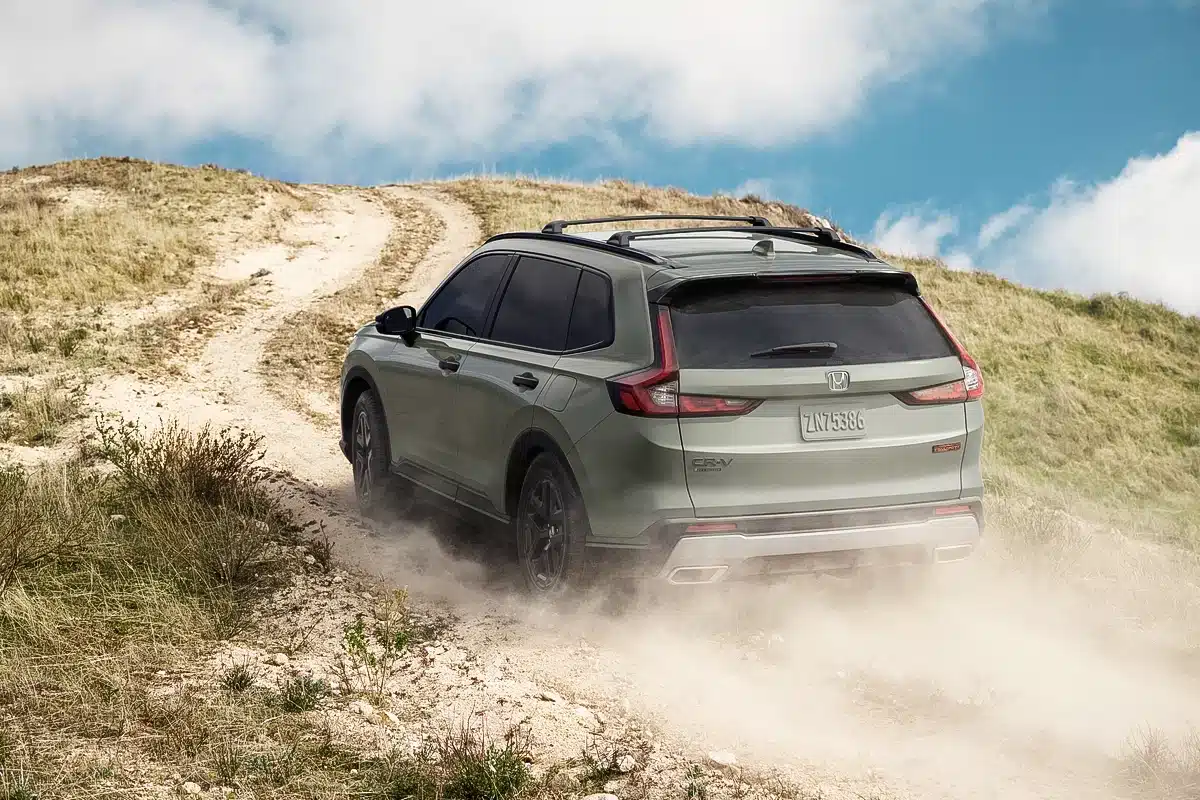
Honda stretched the wheelbase and gave the CR-V a more mature design. The longer hood, upright stance and simple styling have aged well. While it lacks some of the visual flair found on the Rogue, it presents a more premium appearance than previous generations and that’s with the new Trailsport trim.
The Rogue is more interesting to look at, while the CR-V feels more upscale.
And yes, you read that right, both automakers are leaning heavily into the “soft off-roader” craze. It makes their bland-ish SUVs look more visually interesting, at least. Plus, they are at least slightly more capable on a dirt road, making them actually get back to their original definition of a “Sport Utility Vehicle.”
Winner: Nissan Rogue
Interior and technology
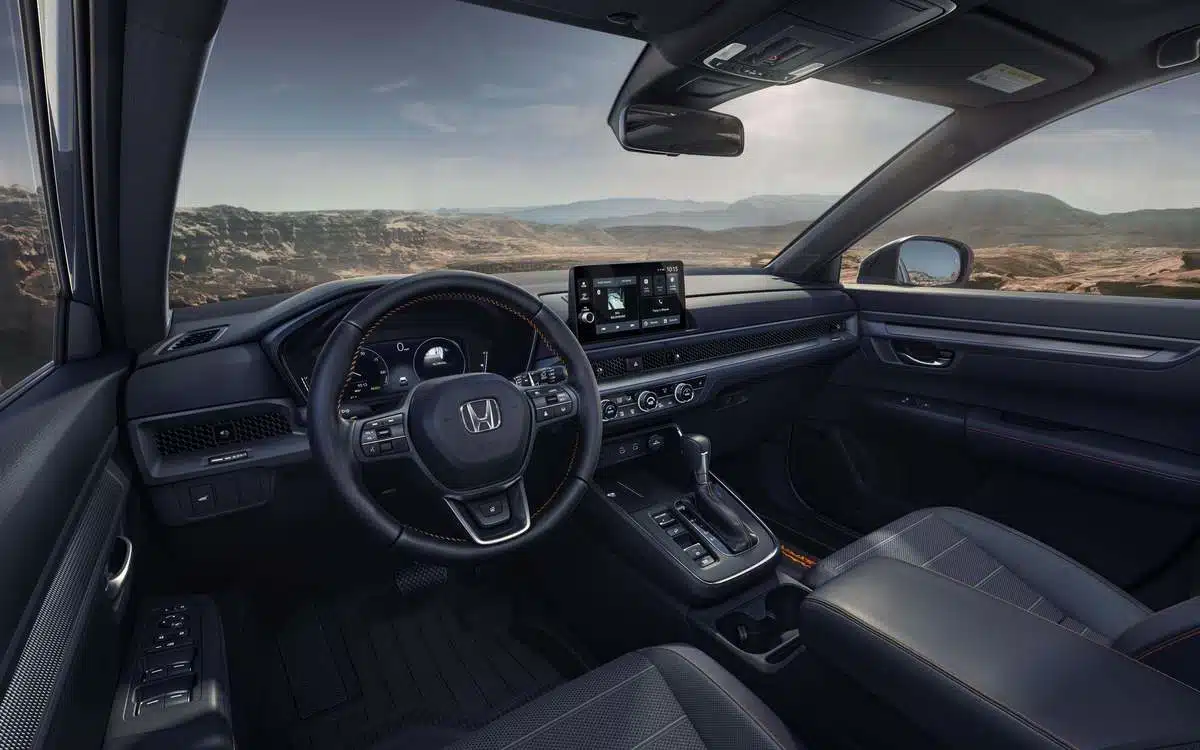
This category is much closer than expected.
One of the biggest surprises with the Rogue continues to be its seats. Nissan has long built some of the most comfortable seats in the industry, and the Rogue continues that tradition. Both my testing and Jill Ciminillo’s more recent drive confirmed the seats remain a standout feature, especially during longer highway trips.
The Rogue also offers thoughtful storage solutions, a bright head-up display, a large center console and plenty of room for passengers and cargo. The cabin feels designed by people who actually use compact SUVs every day.
The CR-V counters with a cleaner dashboard layout and excellent ergonomics. Honda’s physical controls remain easy to use, and material quality throughout the cabin feels slightly more refined. The CR-V’s interior may not be flashy, but it is exceptionally functional.
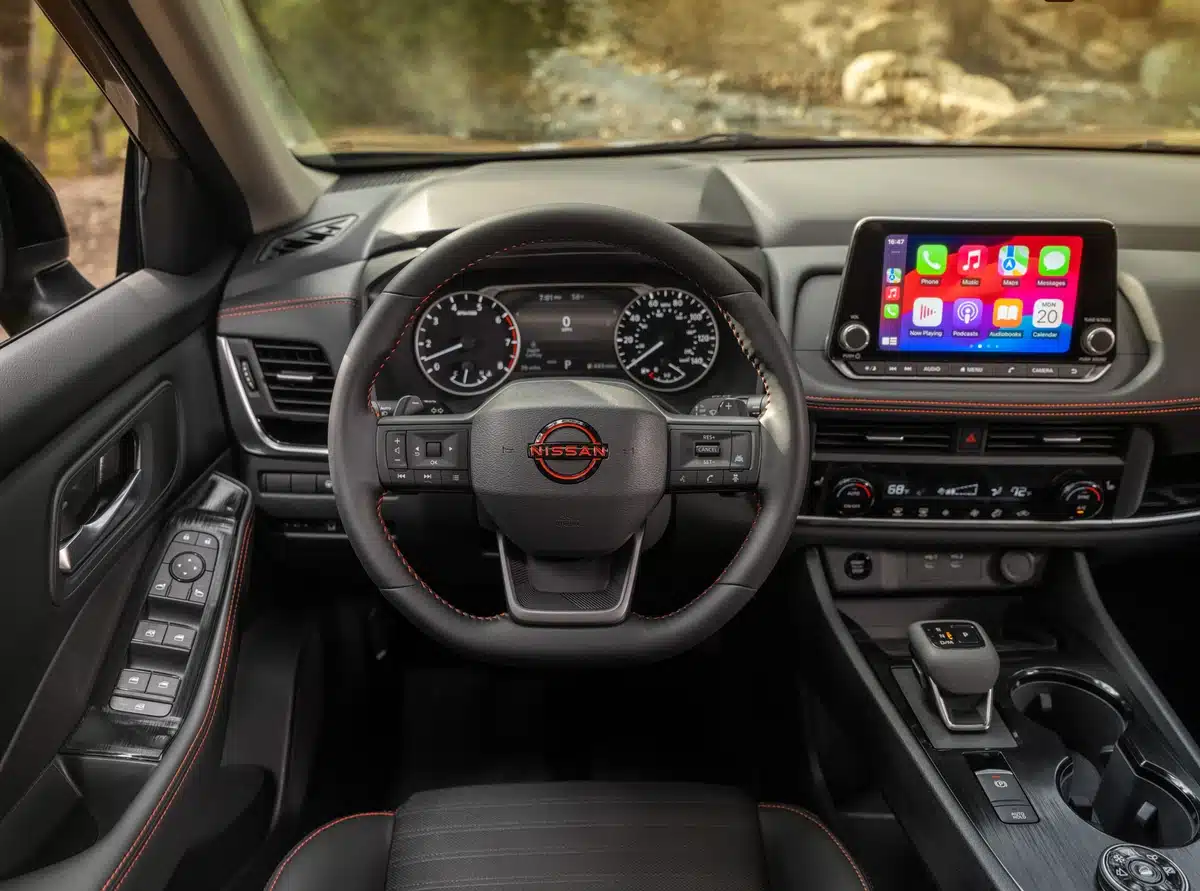
One area where the Rogue loses points is technology execution. Nissan includes a wireless charging pad but still requires a wired connection for Apple CarPlay on some trims. That feels outdated in a segment where competitors are moving quickly toward full wireless integration.
Winner: Honda CR-V
Drive impressions
The biggest difference between these SUVs becomes apparent once you get behind the wheel.
The Rogue uses a 1.5-liter variable-compression turbocharged three-cylinder engine. During earlier testing, I felt the powertrain lacked some urgency and required Sport mode more often than I preferred. However, Jill’s more recent experience found the engine surprisingly responsive and perfectly adequate for daily driving duties.
Regardless of which perspective you take, the Rogue remains comfortable and quiet on the highway. Road-trip comfort is arguably one of its biggest strengths.
The CR-V feels more polished.
Steering response is sharper, body motions are better controlled and the hybrid powertrain delivers smooth, effortless acceleration. Honda’s hybrid system remains one of the best in the industry, blending gasoline and electric power almost seamlessly.
Powertrain comparison
| Vehicle | Engine | Transmission | Horsepower | Torque | Fuel Economy |
|---|---|---|---|---|---|
| 2026 Nissan Rogue | 1.5L Turbo 3-cylinder | CVT | 201 hp | 225 lb-ft | Up to 31 mpg combined |
| 2026 Honda CR-V | 1.5L Turbo 4-cylinder | CVT | 190 hp | 179 lb-ft | Up to 30 mpg combined |
| 2026 Honda CR-V Hybrid | 2.0L Hybrid | eCVT | 204 hp | 247 lb-ft | Up to 40 mpg combined |
The CR-V Hybrid changes the game. Not only does it offer better fuel economy, but it also feels more refined and responsive than either turbocharged option.
Winner: Honda CR-V
Pricing and trims
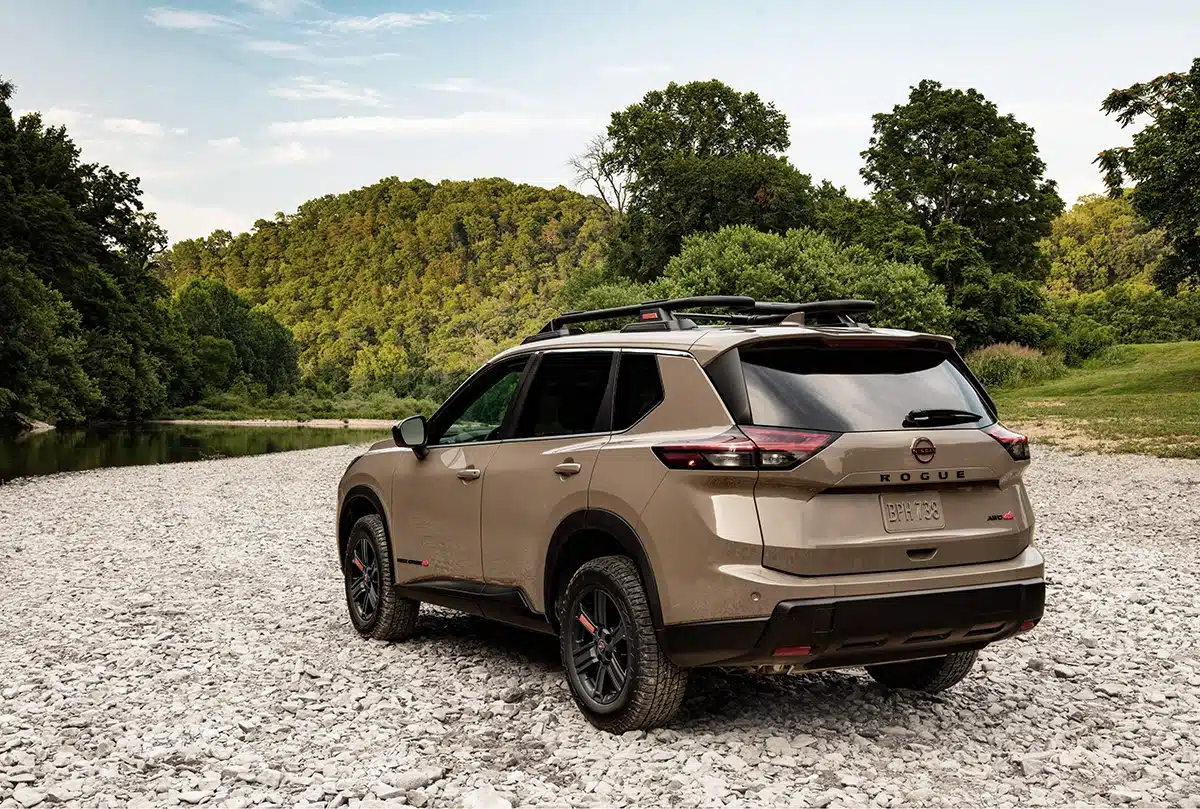
Nissan Rogue pricing (including destination):
- S: Starting around $30,000
- SV: Starting around $31,500
- SL: Starting around $37,000
- Rock Creek: Starting around $37,000
- Platinum: Starting around $40,000
Honda CR-V pricing (including destination):
- LX: Starting around $31,500
- EX: Starting around $34,000
- EX-L: Starting around $36,000
- Sport Hybrid: Starting around $37,000
- Sport-L Hybrid: Starting around $40,000
- Sport Touring Hybrid: Starting around $43,000
The Rogue generally delivers more features for the money. Even well-equipped trims remain competitively priced, and Nissan often provides stronger incentives than Honda.
The CR-V commands higher prices because buyers know it will likely retain value better over time.
Winner: Nissan Rogue
Which one should you buy? 2026 Nissan Rogue vs Honda CR-V
The Nissan Rogue is the better choice if comfort and value are your top priorities. The seats are outstanding, the cabin is thoughtfully designed and the overall package feels tailored to families and commuters who spend a lot of time on the road.
The Honda CR-V is the better choice if you want the most complete compact SUV in the segment. The hybrid powertrain is excellent, the driving dynamics are sharper and the interior feels slightly more refined.
If you’re shopping for a comfortable, well-equipped SUV that offers a lot for the money, buy the Nissan Rogue.
If you’re looking for the best all-around compact SUV with exceptional fuel economy and long-term value, buy the Honda CR-V.
For most buyers, the CR-V narrowly earns the overall victory thanks to its hybrid powertrain, refinement and balanced driving experience.