The threat of Chinese automakers, the war in the Middle East, the rise of Trump’s tariffs and the dialing back of EV incentives have brought wrenching reversals for Japanese automakers to what once seemed to be a new normal. If it seems that Detroit’s automakers have been reviving the moaning first heard when Japanese automakers became a serious presence in the American and world market. Now it’s the Japanese that are also being thrown off-balance. But it’s not just current events that have caused problems.
NISSAN
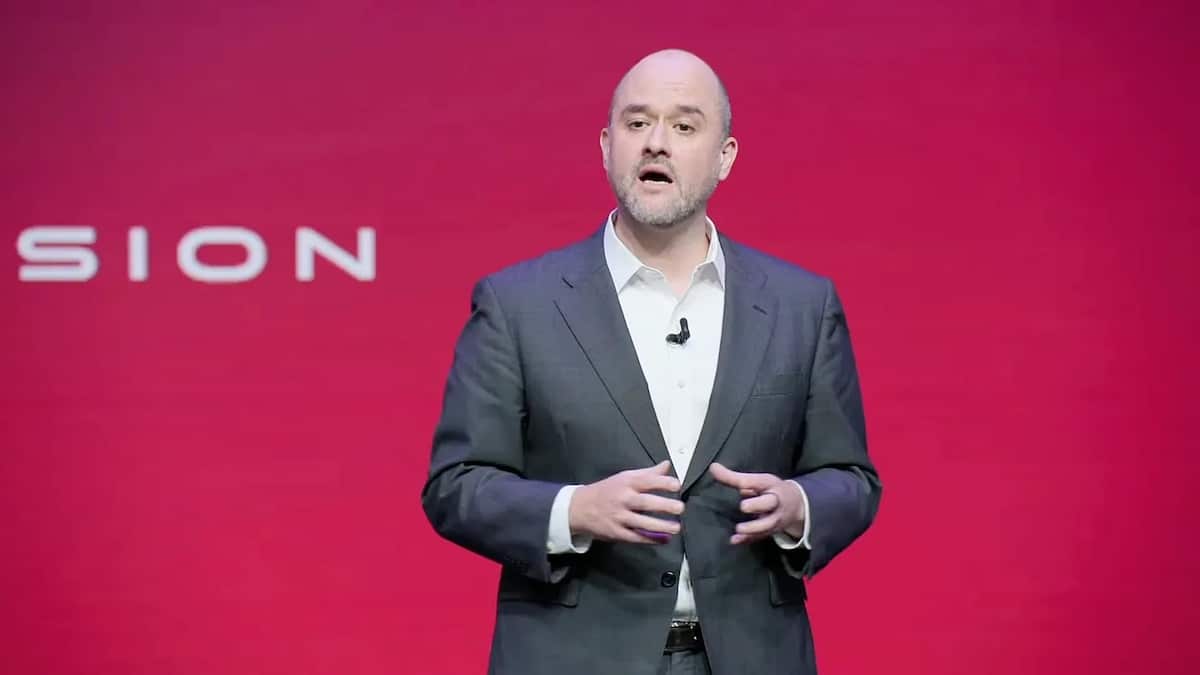
As recently as a decade ago, Nissan was Japan’s number two automaker. It’s now fourth behind Suzuki, which doesn’t even sell a model in the American market. Nevertheless, the company reported a ¥58 billion ($367.5 million) operating profit on Wednesday, for the 2025 fiscal year ending March 31, 2026, following heavy losses in 2025, thanks to cost controls, favorable exchange rates, and U.S. emissions regulation changes. But net income remained negative at ¥533.1 billion ($3.38 billion). Automotive free cash flow for the full fiscal year was negative at ¥480.8 billion, but the company noted that free cash flow turning positive in the second half.
This is expected despite Nissan’s consolidation of its manufacturing footprint, the closure of the Infiniti design studio, the sale of its headquarters building in Japan and reductions in its workforce. At fiscal year-end, Nissan’s net cash totaled ¥1.17 trillion, with automotive cash and cash equivalents are ¥2.2 trillion, for a total liquidity of ¥3.6 trillion. Global retail sales declined 5.8% to 3.15 million units.
The company has suffered for decades, as former CEO Carlos Ghosn decimated its image in pursuit of sales, followed by his arrest on criminal charges. The palace coup by Nissan insiders threw the company off-balance, something it has yet to regain. The Japanese automaker is under growing pressure to find new partners, and fast, after its decades-old alliances with Renault and Mitsubishi have steadily loosened, and its its proposed merger with Honda Motor having fallen apart. But Nissan CEO Ivan Espinosa confirmed in February 2026 that discussions with Honda are ongoing, particularly in the U.S. market., with the focus shifting from a merger to a partnership.
HONDA
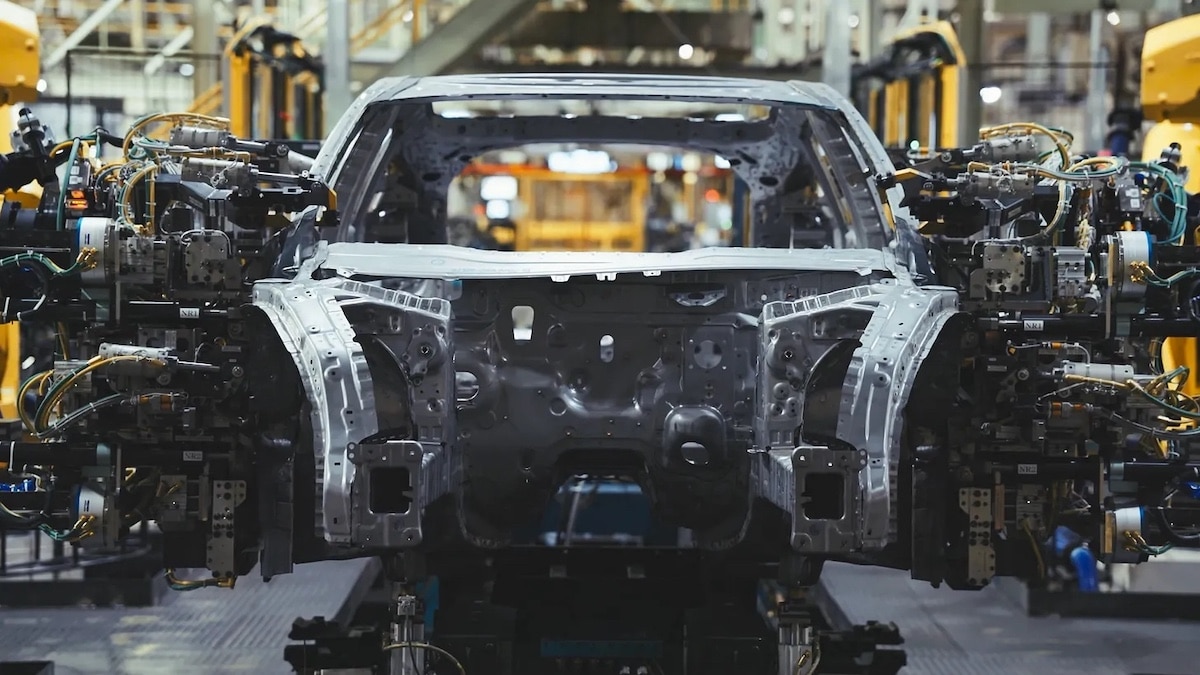
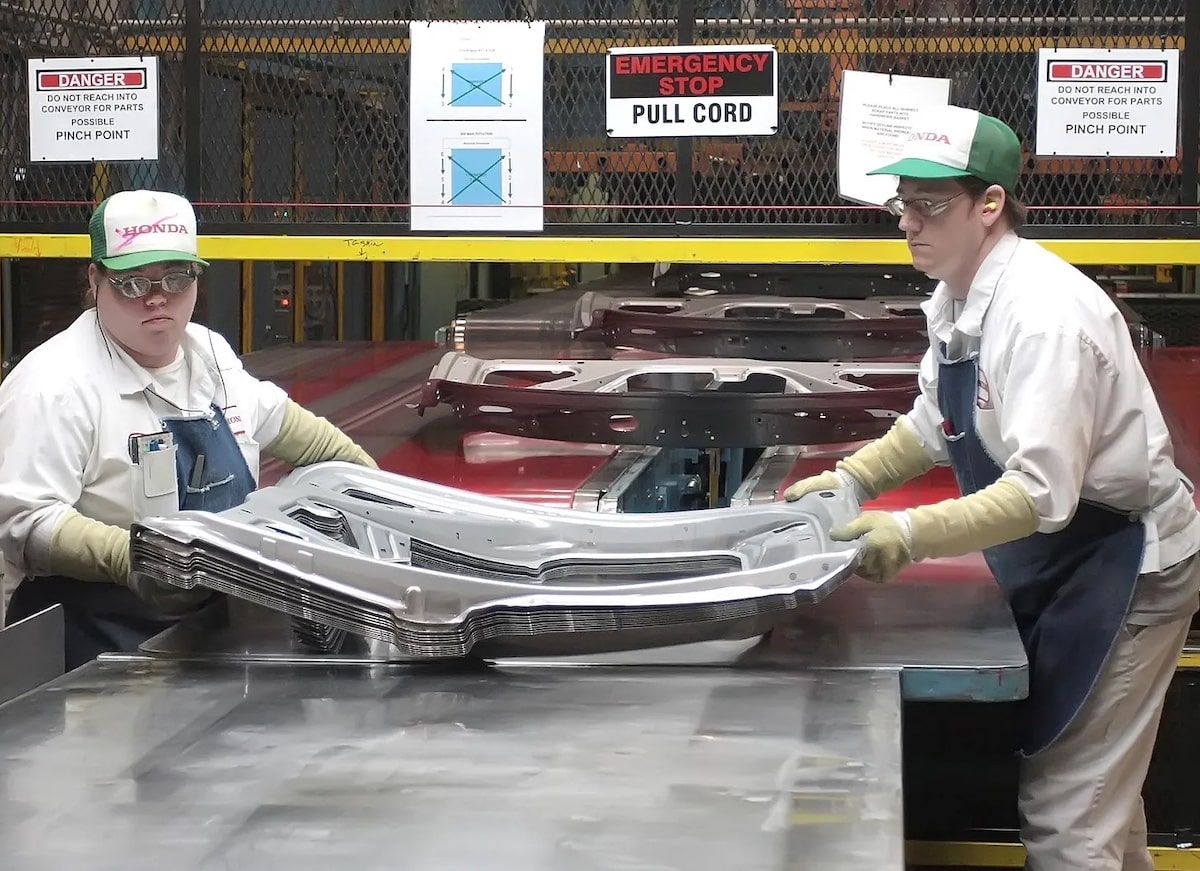
Once, the Japanese automaker that once seemed to do no wrong is now facing enormous problems, principally a ¥2.5 trillion ($15.7 billion) write-off from the cancellation of the 0 Series EV slated for the American market, along with the development and launch of its first two Afeela models developed with Sony. The moves come as EV demand has collapsed in the face of the elimination of U.S. federal EV incentives and unparalleled EV competition in the Chinese market.
The programs’ cancellation leaves Honda with its existing line of ICE and Hybrid models, which will soldier on without meaningful updates for a couple years. The only upside is that other automaker is also facing huge write-offs. The difference is they have other products in the pipeline. Honda doesn’t seem to.
TOYOTA
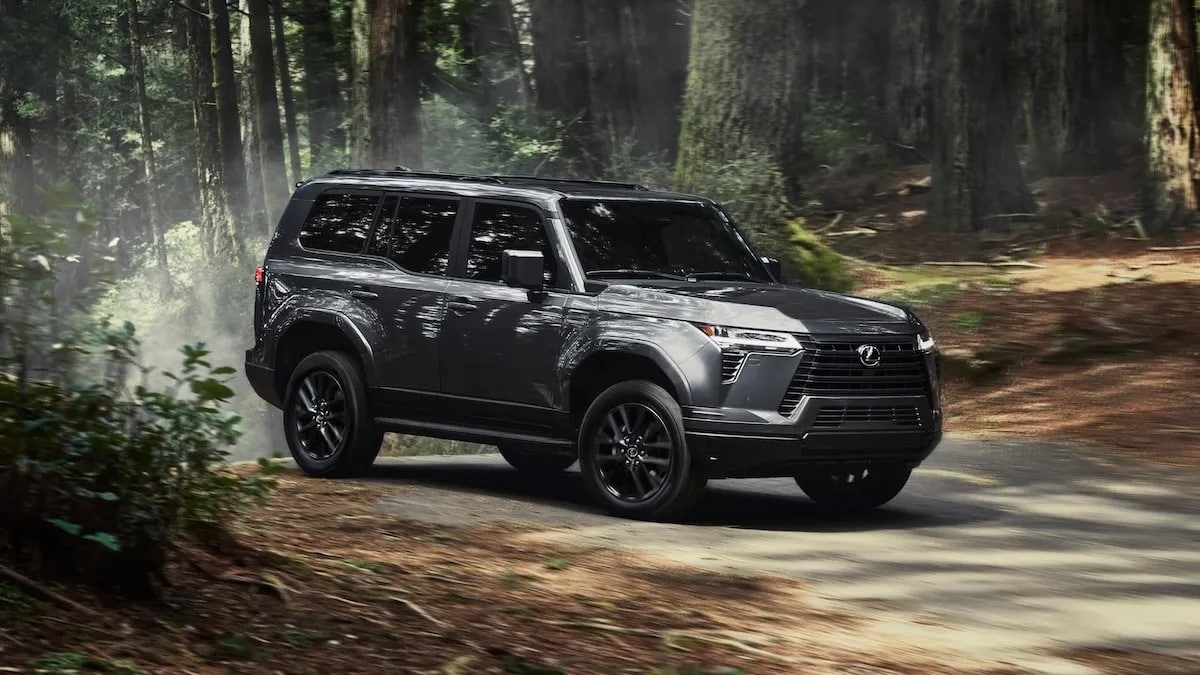
Japan’s largest automaker once seemed able to ride out any crisis with little to worry about. Yet even Toyota isn’t immune to today’s turbulent reality that has led the company to report a loss of ¥670 billion yen ($4.3 billion) in its fiscal quarter. With income expected to come in at ¥3 trillion, that represents a £366 billion decrease from last year and the third consecutive year of declining revenue. In fiscal 2026, tariffs have cost the company ¥1.4 trillion yen ($8.9 billion) in operating income.
In its U.S. market, problems abound. Toyota has issued recalls for 2022-24 Toyota Tundra and Lexus LX, along with 2024 Lexus GX models with its twin-turbo 3.4-liter V-6, which may contain debris that accumulated during production. This led to Toyota’s North American operations losing some $1.2 billion as supply chain issues and high R&D costs have exacerbated the other issues mentioned above. That said, with a reported cash reserve of some $111 billion, Toyota has the money to weather today’s stormy markets better than its Japanese competitors
MAZDA
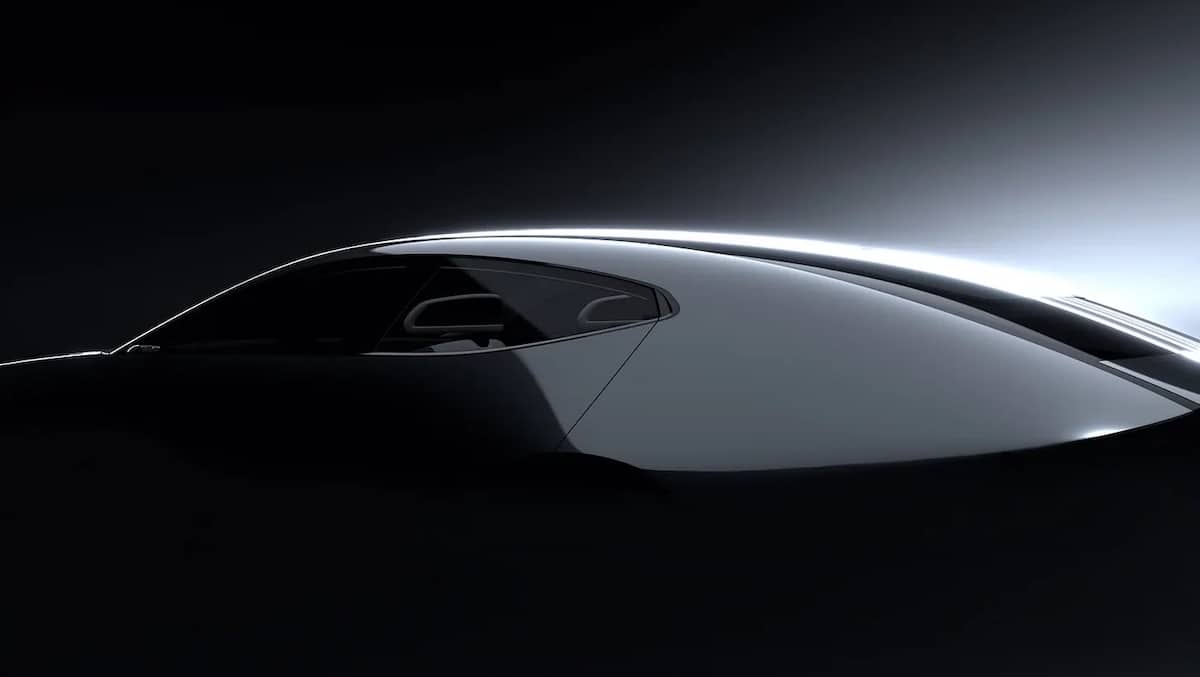
Of the major Japanese manufacturers in the U.S., Mazda has the longest history of living on the edge. It has repeatedly beat the specter of bankruptcy multiple time since the late 1970s. Yet Mazda is also delaying the launch of its first EV by two years, and trimming its electrification budget to $7.52 billion from $12.53 billion. But remarkably, Mazda’s CEO Masahiro Moro said they will not be taking any write-offs. “We made the decision before we started,” Moro told Automotive News. “For battery EVs we were always careful.”
The company recently announced an operating profit of ¥51.6 billion ($323.2 million) for its fiscal year ended March 31. That’s down 72%. But the company was able to turn profitable after losses in the first two quarters. But fortunes should improve, given the company recently launched the newest version of its bread-and-butter bestseller, the CX-5, and plans to launch three new hybrids in the 2028 through 2030.
THE UPSHOT
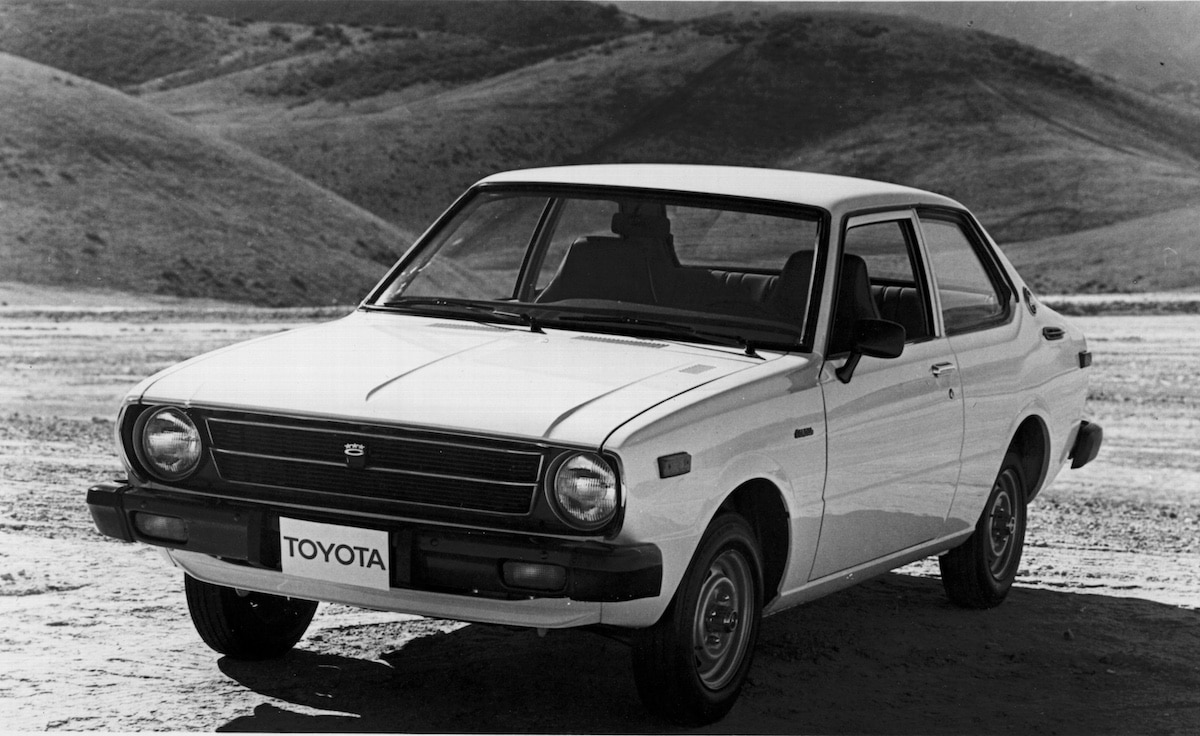
In today’s automotive market, where volatility has become the only constant, even the industry’s biggest players are confronting an unsettling reality: carmakers are built for predictability, not perpetual disruption. And with anything resembling normalcy nowhere in sight, the future of Japan’s largest automakers suddenly looks far less certain than it once did.
Editor’s note: This is an updated version of a column that first appeared on The Car Collective Substack. To subscribe to The Car Collective, click here.