My wife and I spent time with a Toyota Sienna Woodland and a Chrysler Pacifica Limited with the S Appearance Package, and the decision was closer than a quick specification comparison might suggest. Both worked well as family transportation, but different details won us over.
The Pacifica’s cabin technology and fold-away seats stood out. The Sienna countered with hybrid efficiency, long-sliding second-row seats and a lower price on the vehicles we compared. This is an updated adaptation of our original Pickup Truck + SUV Talk comparison, with the same family observations and video.
The Pacifica looks sportier; the Sienna leans outdoors
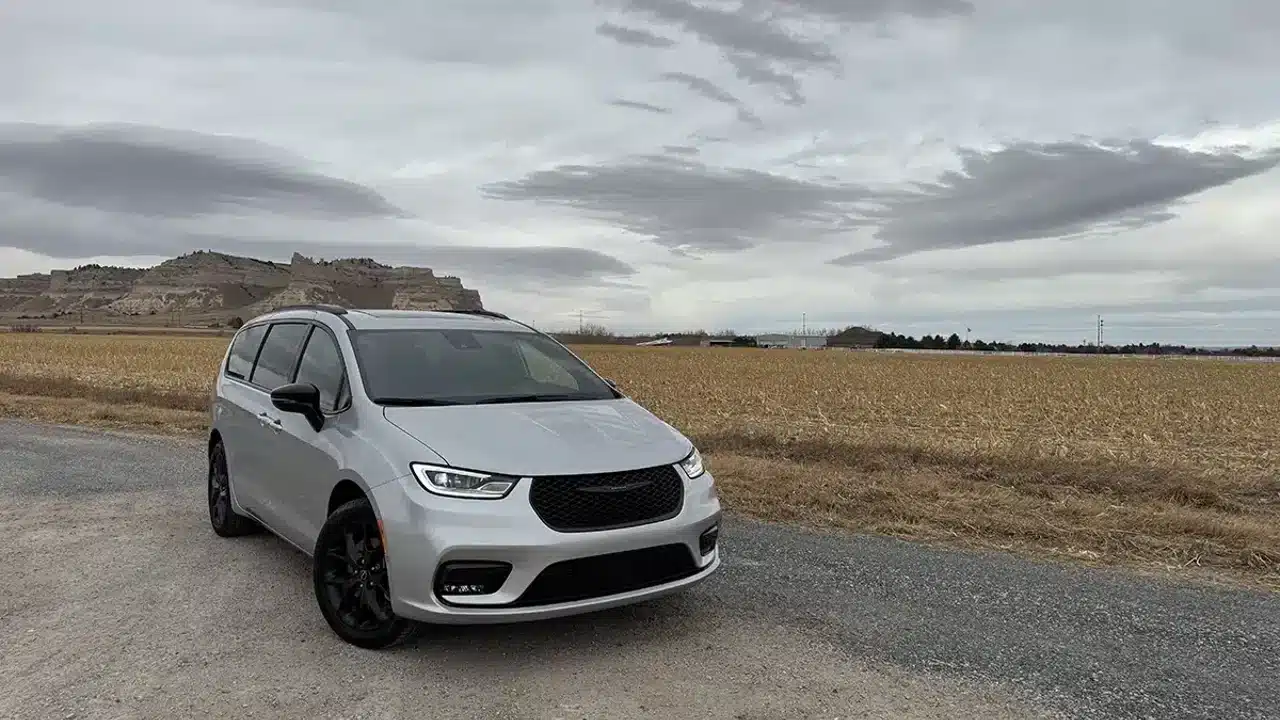
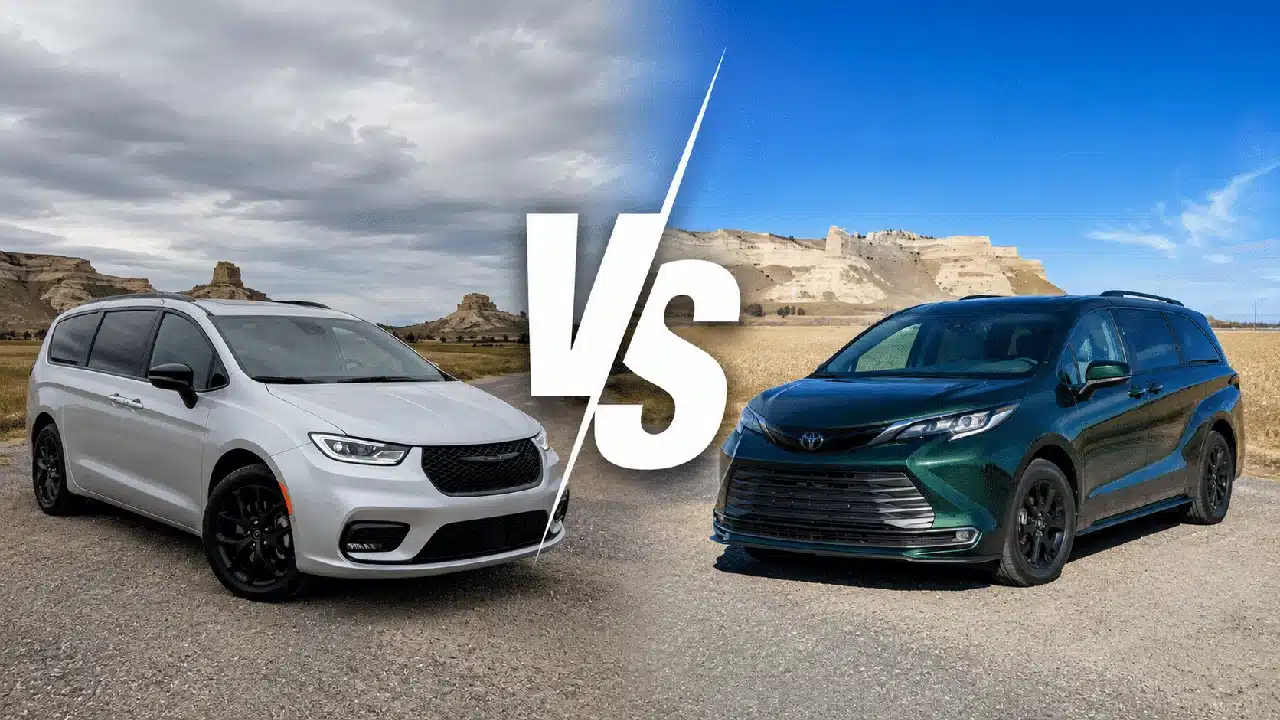
The Pacifica Limited in our comparison has the S Appearance Package, and I like what the darker wheels, mirror caps and trim do for it. The front end looks sharp, while the side windows and rear lighting create a cohesive shape. It is still a minivan, but the silver-and-black combination gives this one a sporty look.
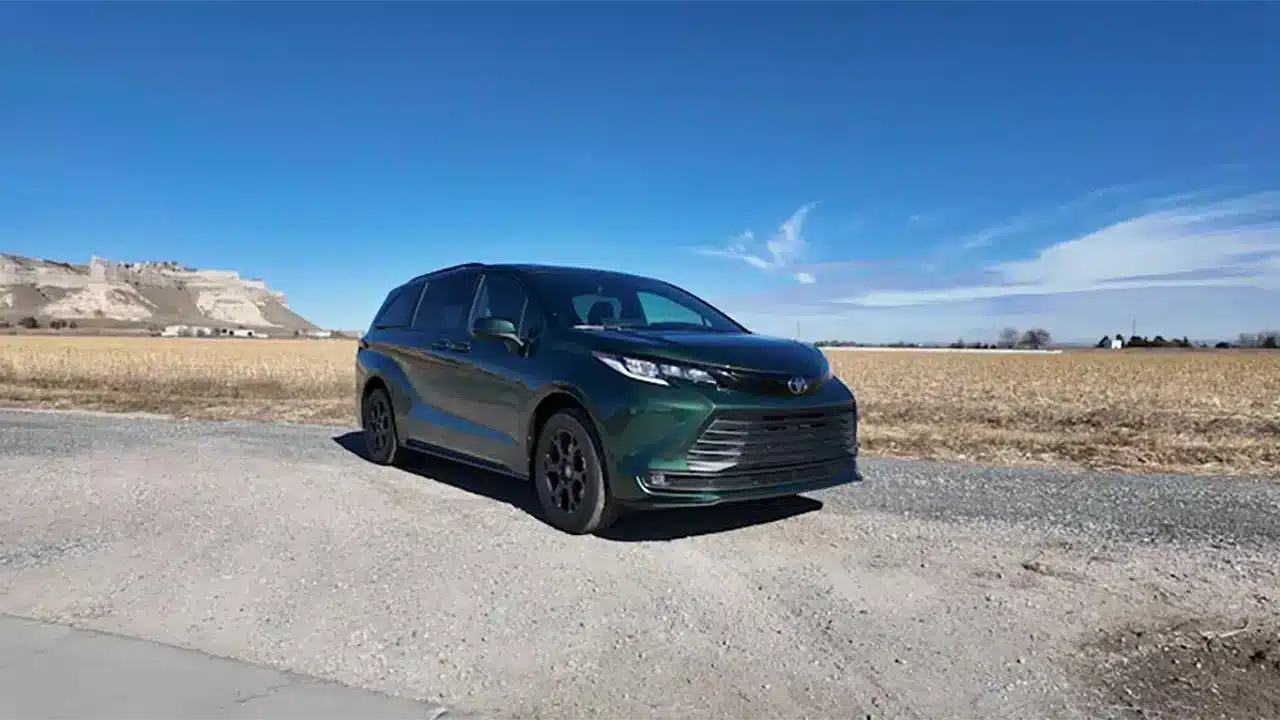
The Sienna Woodland goes in another direction. Its Cypress green paint and black wheels suit the outdoors-oriented theme. I like that combination too. These are two different approaches to making a family hauler feel less anonymous, so the better-looking one comes down to your preference.
Neither appearance package tells the whole story. The useful comparison starts when you open the sliding doors and figure out how the seats, storage and controls fit your family’s routine.
The Sienna is familiar, while Pacifica adds family tech
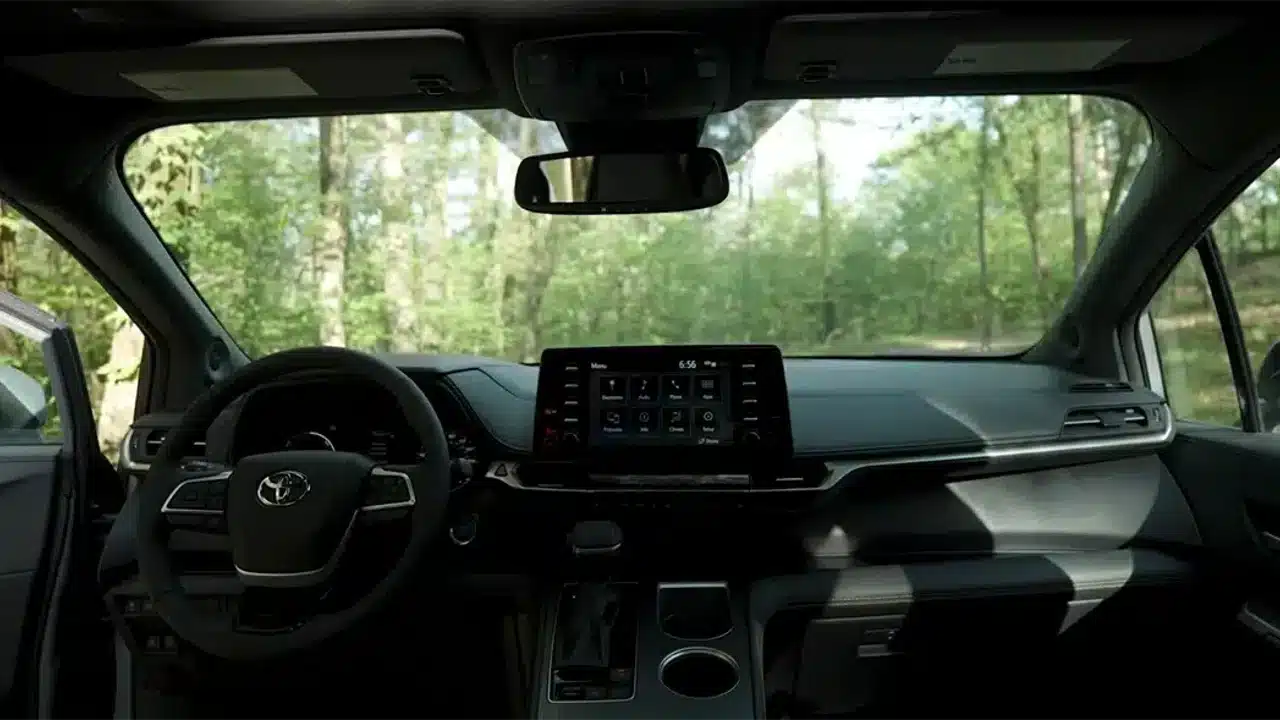
The Sienna’s controls feel familiar if you have spent time in a recent Toyota. There are large cupholders, useful storage, a conventional shifter and surfaces that look easy to wipe down. Good visibility and comfortable seating make the cabin easy to settle into. Manufacturer photos illustrate this part of the comparison because my original Sienna interior footage was corrupted.
The Pacifica gives our family more technology to play with. The reviewed vehicle has second-row entertainment screens, HDMI connections, a remote and heated second-row seats. My wife particularly likes the FamCAM system, which lets her change the view to see passengers in different seats. Those are features to verify on the trim and option package you are shopping, not equipment to assume every Pacifica includes.
I also like the Pacifica’s interior layout and the feel of its steering wheel. Its Uconnect system handled the phone connections and screen functions I demonstrated without becoming a major frustration. The Sienna wins points for familiarity, but the Pacifica’s family-focused extras make a stronger impression here.
Stow ’n Go and sliding seats solve different problems
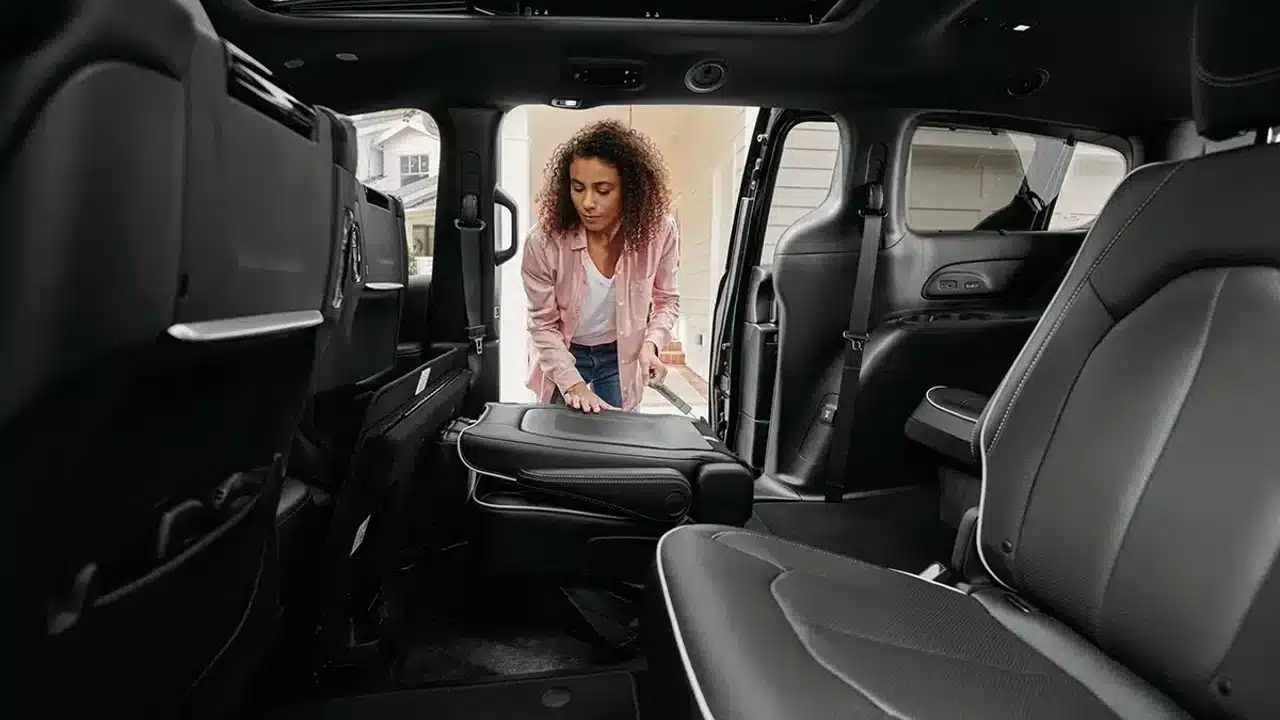
The gas Pacifica Limited’s Stow ’n Go seating is the biggest packaging advantage in this comparison. Its second-row seats fold into the floor, allowing you to switch from carrying passengers to carrying bulky cargo without removing those seats. The third row folds away as well. Chrysler’s seating configurations vary by model, so this point should not be carried over to every Pacifica, especially the plug-in hybrid.
The Sienna’s second-row seats slide a long way rearward, which our son certainly appreciated. With the seats pushed back, the amount of legroom becomes the attraction. The tradeoff is that those seats do not disappear into the floor like the Pacifica’s. He also found that moving so far back made some handles and cupholders harder to reach.
My wife had a more everyday complaint about the Sienna: during school drop-off, she found the sliding-door operation slow and was frustrated by needing to shift into Park to open the doors with the controls she was using. That is a reminder to try the normal loading routine while parked during a test drive. A feature can work as intended and still feel inconvenient to the person using it several times a day.
For families who frequently switch between people and large cargo, the Pacifica’s arrangement is hard to ignore. For passengers who will spend the trip in those second-row seats, the Sienna’s sliding range is a different kind of benefit.
Fuel economy and the tested price favor the Sienna
My wife described both minivans as smooth and comfortable. She liked the Pacifica’s acceleration and said it checked her boxes for family use. In the Sienna, we noticed the hybrid’s engine become more audible under heavier acceleration. Neither vehicle felt as though it needed to be sporty to do its main job well.
The Sienna uses a conventional hybrid powertrain that does not need plugging in. Toyota lists a 35-mpg combined manufacturer estimate for 2026 all-wheel-drive Siennas, including the Woodland configuration. That is the appropriate reference here, rather than borrowing the front-drive model’s higher combined figure. Our video was not a controlled, same-route fuel-economy test.
At the time of our comparison, the Pacifica Limited was about $57,000 and the Sienna Woodland about $52,000. Those are the reviewed vehicles’ price references, not current dealer quotes. The roughly $5,000 gap and hybrid efficiency made the Sienna especially compelling to me, even though I preferred several of the Pacifica’s cabin features.
My choice would turn on how the family uses the van. The Pacifica makes a strong case through its technology and fold-away seating. The Sienna makes its case through a familiar cabin, generous second-row space and hybrid efficiency. Spend time using those differences before deciding which one is worth more to you.