The expensive button at the gas pump can feel like the safer choice. If premium costs more, it must be better for the car, right? The useful answer starts with the fuel requirement for your exact engine, not the price or the name on the pump.
“Required” and “recommended” are not interchangeable. Read the fuel section of your owner’s manual, including any notes about towing, hot weather or maximum performance, before deciding what to buy.
Octane measures resistance to knock
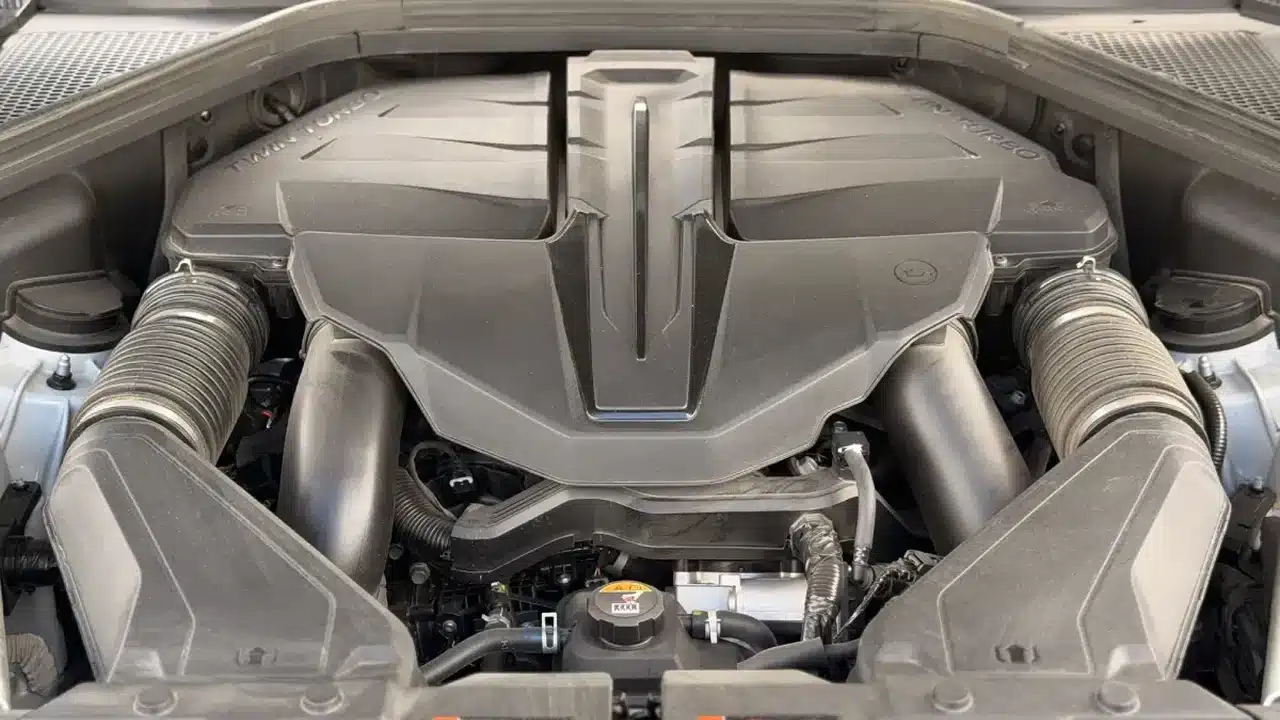
FuelEconomy.gov explains that octane describes gasoline’s resistance to abnormal combustion commonly called knock. The number is not a general score for fuel quality. The engine’s design and operating conditions determine what octane it needs.
Look for the minimum specified number rather than relying on the word “regular.” Pump offerings vary, including lower-octane fuel sold in some high-elevation areas. If your manual calls for 87, a pump labeled regular is not enough information by itself; check the number.
Follow a requirement; understand a recommendation
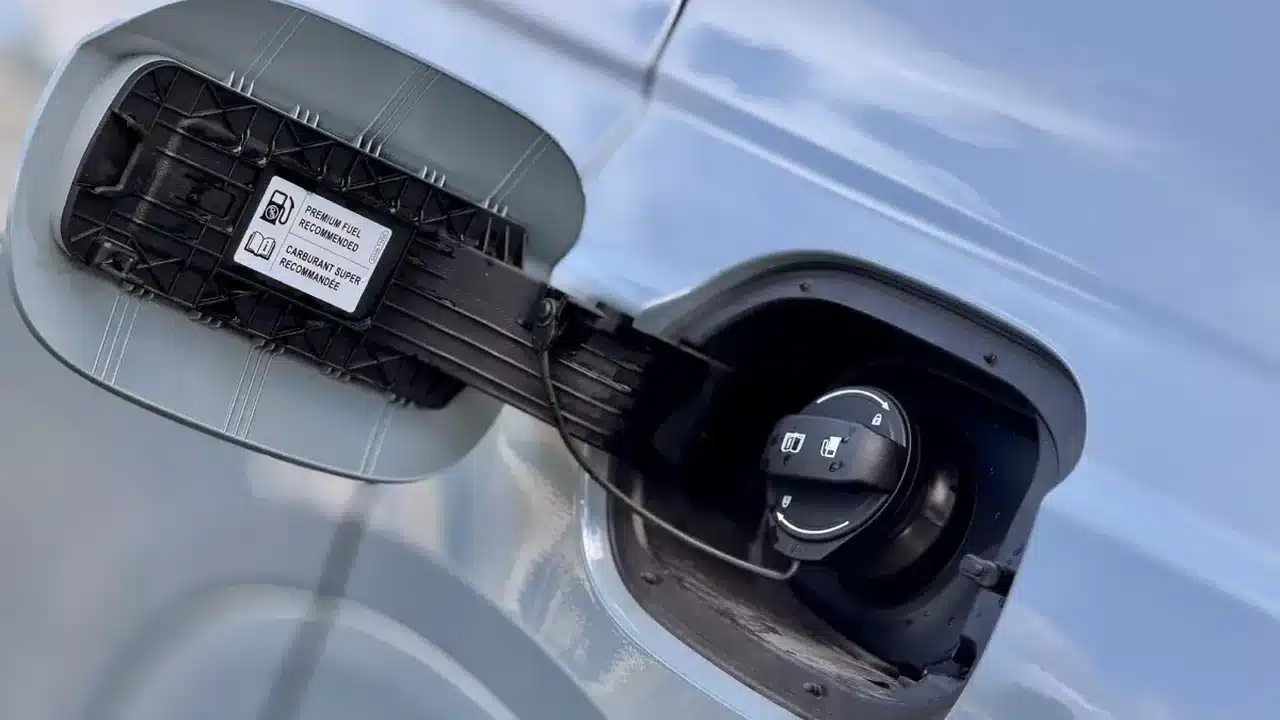
If the manufacturer requires a particular grade, use it. FuelEconomy.gov warns that fuel below the required octane can affect operation and potentially cause damage. A recommendation for premium can instead mean the engine offers better performance on it while permitting a specified lower grade. The exact wording in your manual controls.
Do not decide based on another car with the same badge. A model line may offer several engines, and a redesigned version may have different requirements. Take a photo of the relevant manual page or bookmark the official online manual so you can check it easily when renting or sharing the car.
Compare cost per mile, not just MPG
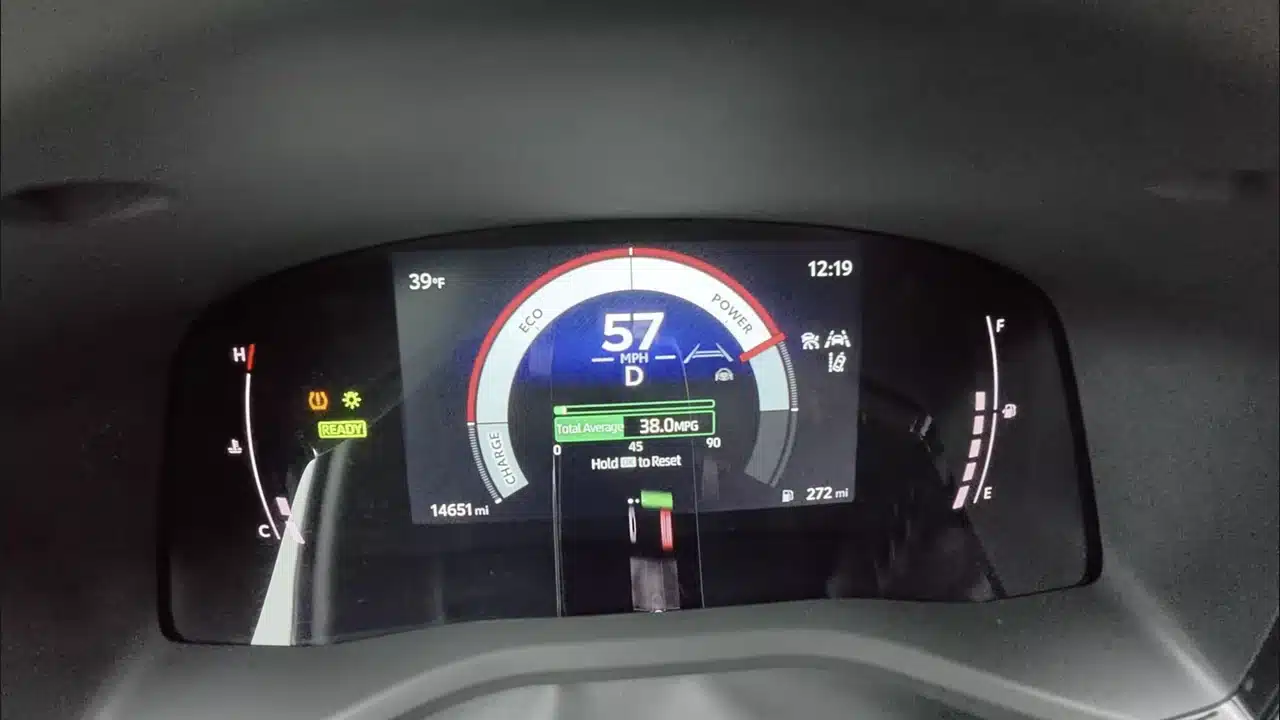
For a car that permits either grade, a small MPG increase does not automatically pay for premium. Consider a hypothetical example: at $3.50 a gallon and 30 MPG, fuel costs about 11.7 cents per mile. At $4 a gallon and 31 MPG, it costs about 12.9 cents per mile. Better MPG can still mean higher fuel spending.
Those are example prices, not a claim about today’s market or your car. Divide the price per gallon by your measured MPG to make your own comparison. FuelEconomy.gov notes that the added cost of higher octane typically exceeds the fuel savings when premium is optional.
Make a consistent comparison

If you choose to compare permitted grades, record several fill-ups and the kind of driving you did. A highway trip on premium and a week of short errands on regular do not isolate the effect of octane. Weather, route and traffic can make a casual comparison misleading.
You may still value a manufacturer-described performance benefit even if it does not save money. The key is knowing what you are paying for. Follow the minimum requirement first, then treat any optional upgrade as a decision you can evaluate rather than a favor the car automatically needs.
Featured image: illustrative vehicle service photo by Benjamin Brunner / Unsplash.
Our Camry owner review shows why keeping a longer fuel-economy record can be more useful than a single dashboard reading.