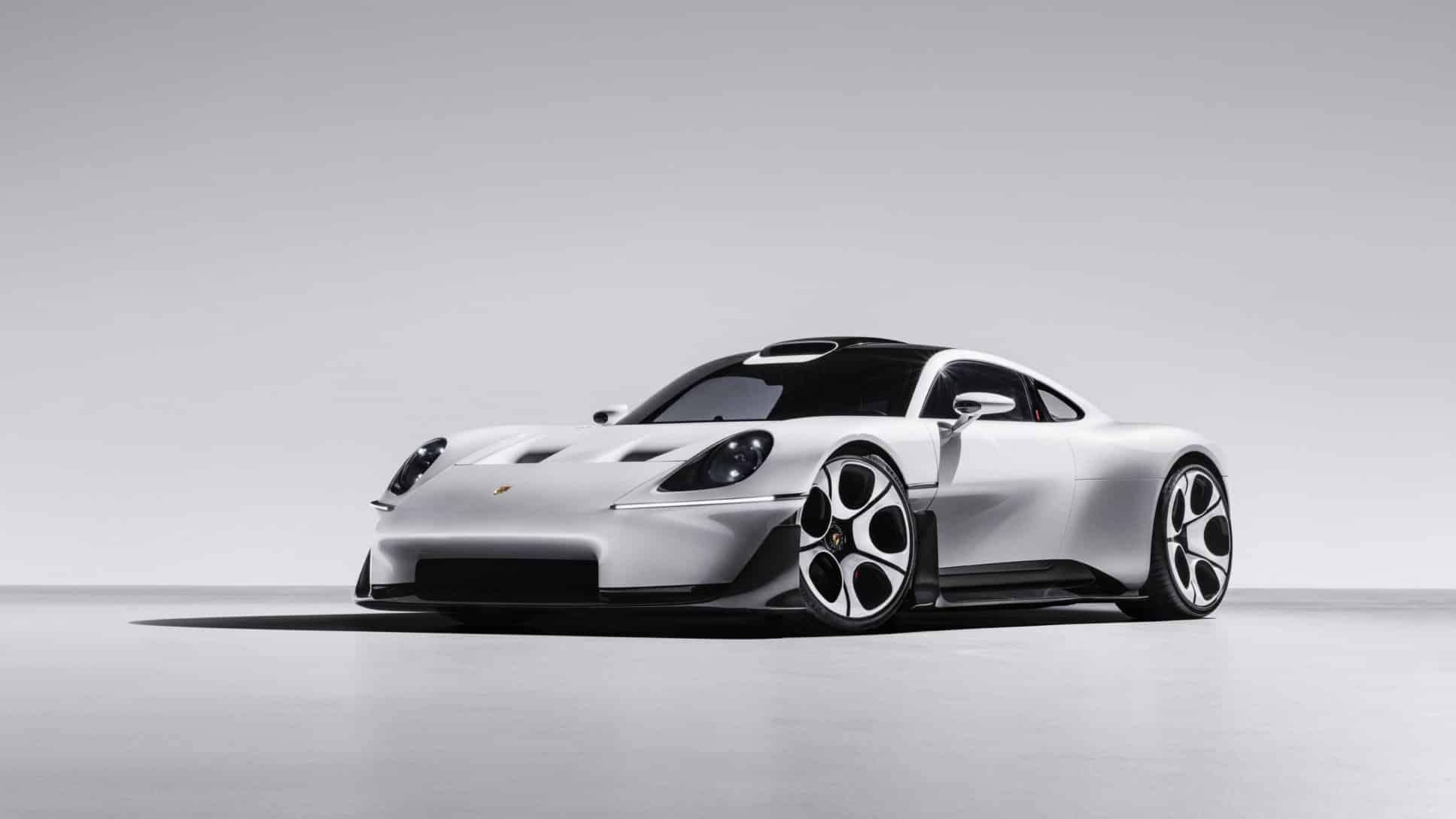
The Porsche Mission S previews a new mid-engine supercar offering positioned above the 911. Unveiled Oct. 15 in New York, the concept also shows where Porsche wants to take its styling and interiors, including a dashboard that trades fixed center and passenger screens for physical controls and a retractable smartphone mount.
The bigger news is the product plan behind the show car. In its Mission S announcement, Porsche says it is developing a new mid-engine platform for a permanent supercar offering. Pricing, performance figures and a launch date were not included.
A new place above the 911
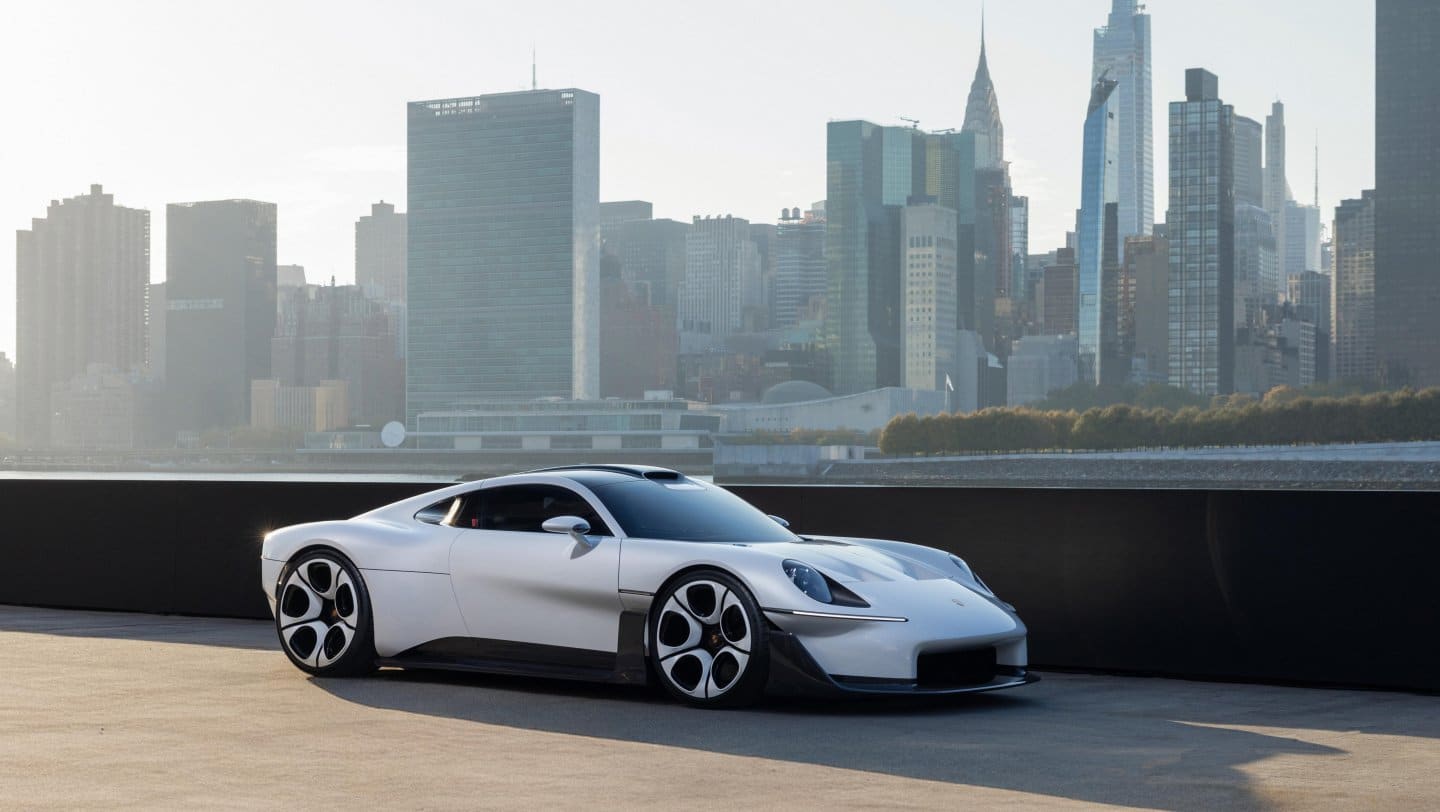
Porsche CEO Michael Leiters described the planned offering as “a permanent and versatile addition to our customer offering.” That signals a continuing place in the lineup above the 911, rather than another limited, one-off halo project. The Mission S is the design preview for that direction; Porsche has not announced a production model carrying the name.
The reveal took place on a Queens pier overlooking Manhattan. According to Porsche, the location appeared in photographs of the mid-engine 550 Spyder in 1953. The setting connects the new project with an early sports car that helped establish the brand in the United States.
Familiar Porsche cues in a new shape
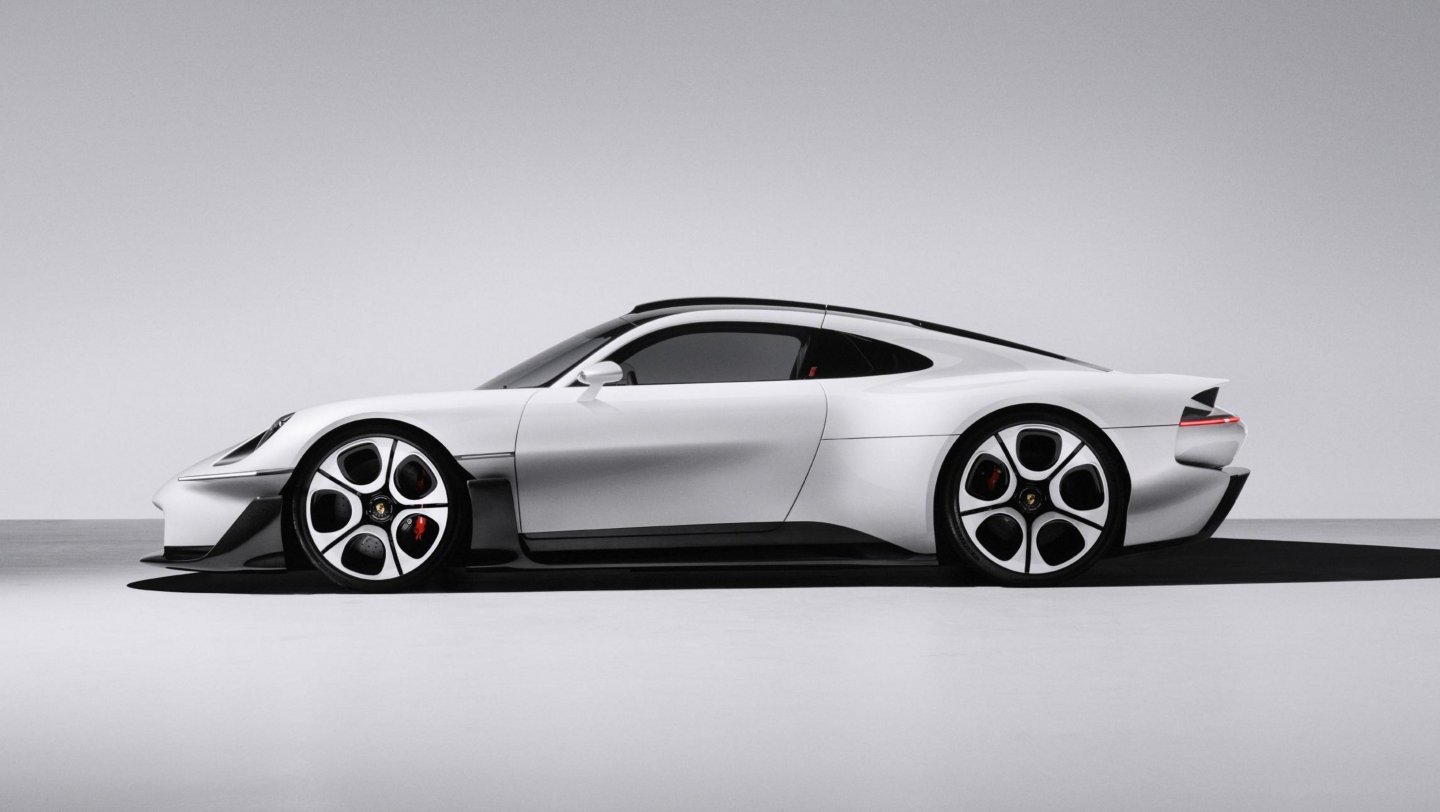
The Porsche Mission S draws from several generations of the company’s road and race cars. Its round headlights and pronounced front fenders recall the 911, while the low nose takes inspiration from the 911 GT1. Porsche also points to the 959 in the roofline and the 928 in the five-hole wheel design.
A line running around the body connects the front and rear lighting. The upper surfaces emphasize the car’s broad shoulders, while the lower body exposes more of its functional elements. An integrated active rear wing and a cooling treatment inspired by the 917 add racing references without turning the concept into a literal reproduction of one older model.
Analog gauges take center stage
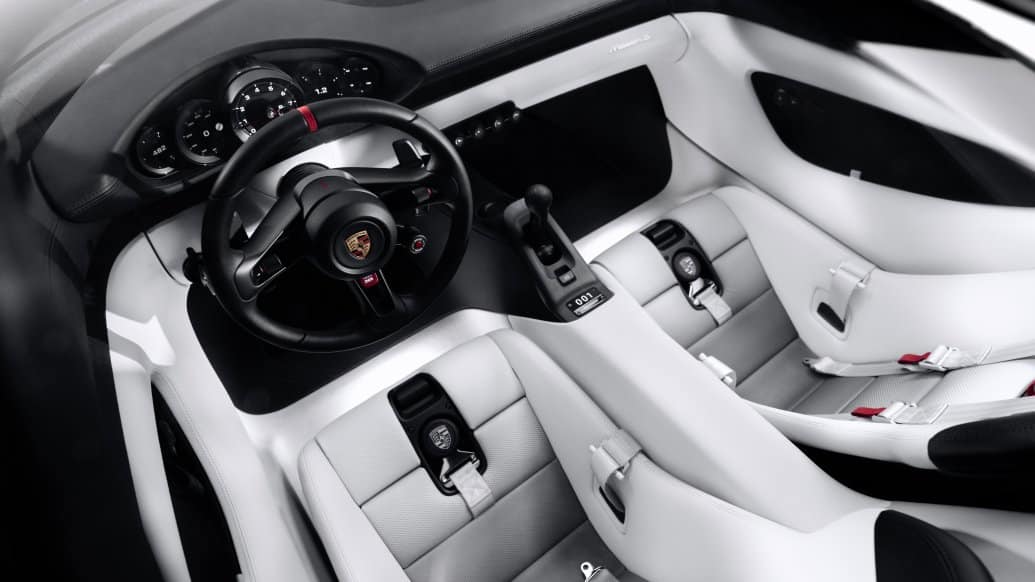
The interior combines familiar switches with digital displays. Five round instruments sit behind the steering wheel, with an analog tachometer needle over a display at the center. The instrument arrangement changes with the driving mode, and the tachometer can move closer to the driver.
Porsche leaves out a permanently installed center screen and a fixed passenger display. Instead, a retractable MagSafe-compatible mount lets a smartphone handle navigation or other information when needed. The My Porsche app supplies access to functions and historically inspired instrument designs.
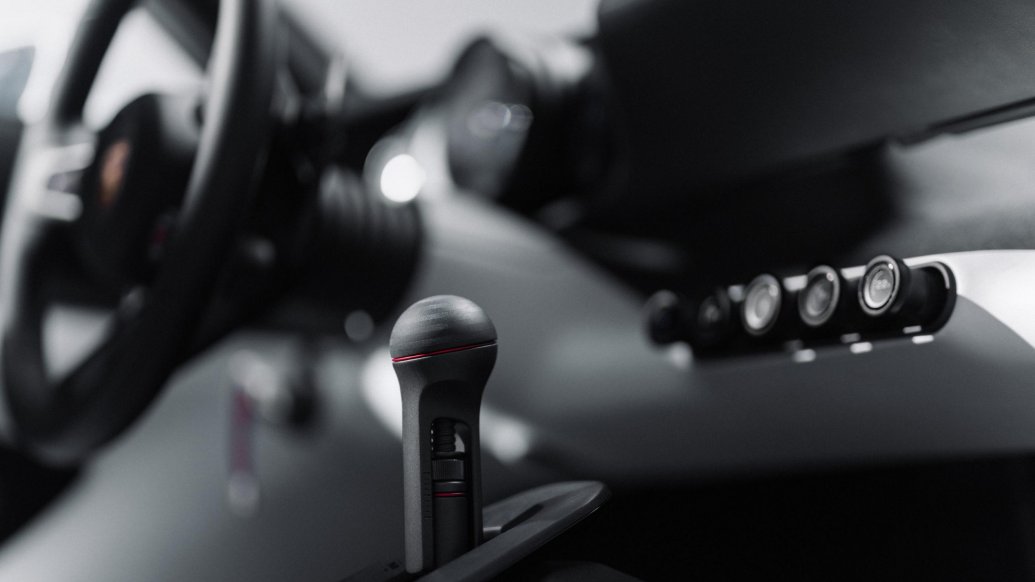
Other details include push-pull dashboard controls, a key holder to the left of the steering wheel and revised seat-adjustment controls. The white, gray and red color scheme draws from Porsche’s racing history.
What remains to be announced
For now, the announcement establishes the platform’s mid-engine layout and its intended position above the 911. It does not specify an engine, horsepower rating, transmission, price or on-sale date. The concept’s appearance and controls should not be treated as confirmed production equipment.
The useful takeaway is that Porsche intends to make room for another high-end sports-car offering, and the Mission S shows the design ideas guiding that work. Whether the production car keeps the movable gauges and smartphone-based approach will be worth watching.