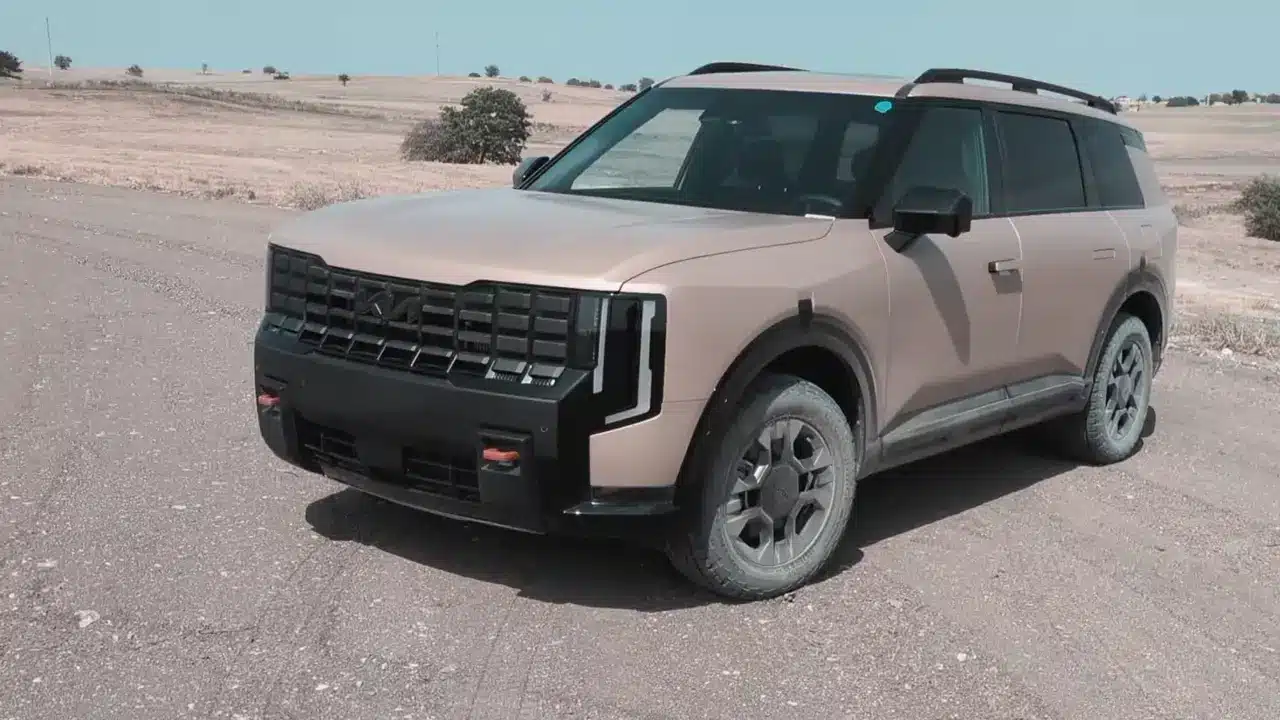
A family SUV comparison gets interesting when you stop looking at the screens and start climbing into the back. I brought the same bags, my 6-foot-2 frame and a list of everyday checks to the 2026 Honda Pilot Elite and 2027 Kia Telluride X-Pro SX-Prestige at the Texas Truck Rodeo. The Honda won some of the most practical tests, but the Kia still ended up being my personal pick.
That is not a contradiction. Third-row comfort, child-seat access, cargo space, controls and how a vehicle makes you feel do not always point to the same winner. Here is where these particular SUVs separated themselves in my comparison.
The Telluride costs $4,590 more in this comparison
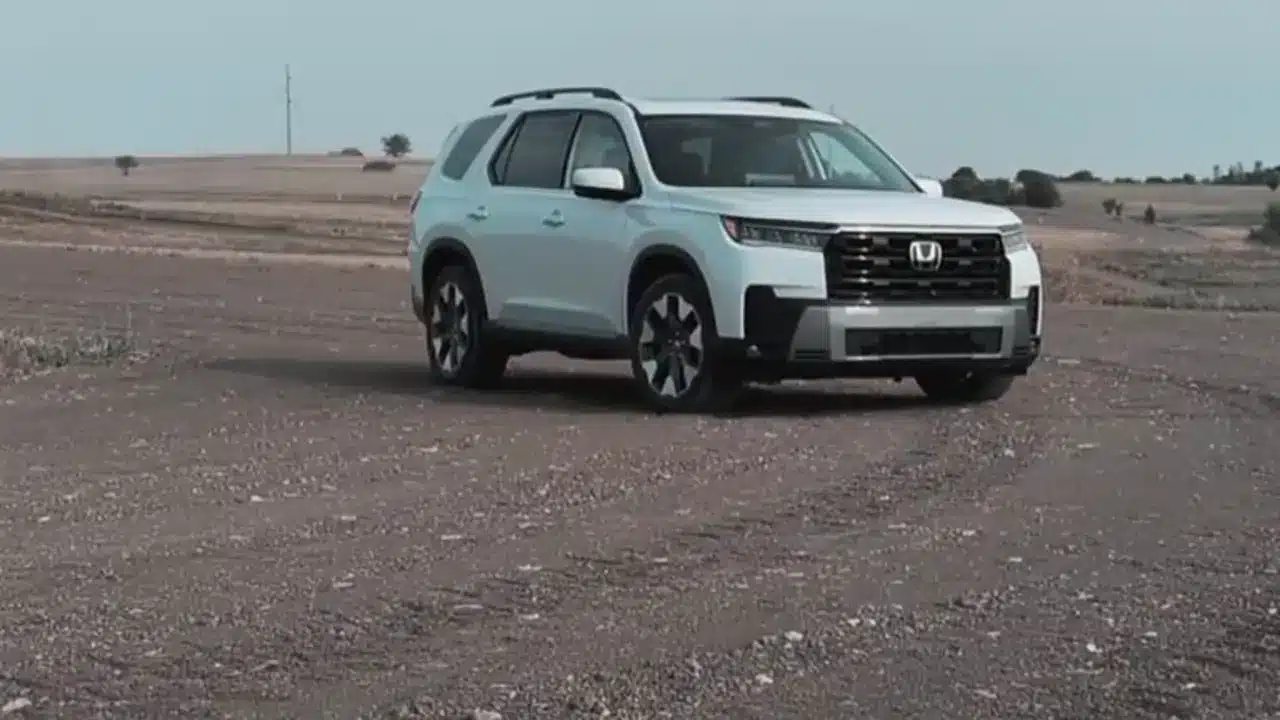
The Pilot Elite is $54,990 including its $1,495 destination charge. The Kia totals $59,580: $56,790 for the vehicle, $995 for matte paint, $250 for floor mats and $1,545 for freight. That is a $4,590 difference before taxes and other fees. (I misspeak the Kia total in the recording; the on-screen correction and the figures here use the sum of those listed charges.)
The Honda keeps a naturally aspirated 3.5-liter V6 with 285 hp and a 10-speed automatic. This Telluride uses a turbocharged 2.5-liter four-cylinder with 274 hp and 311 pound-feet of torque, paired with an eight-speed automatic. Both test vehicles have all-wheel drive. The Kia in this review is the turbo gas model, so do not apply observations about it to the separate hybrid powertrain.
At these prices, I want more than an impressive equipment list. I want to know whether the extra money makes the vehicle easier to live with. Some of Kia’s features did exactly that for me, while several of the Honda’s less flashy details were just as convincing.
Third-row access and comfort are different tests
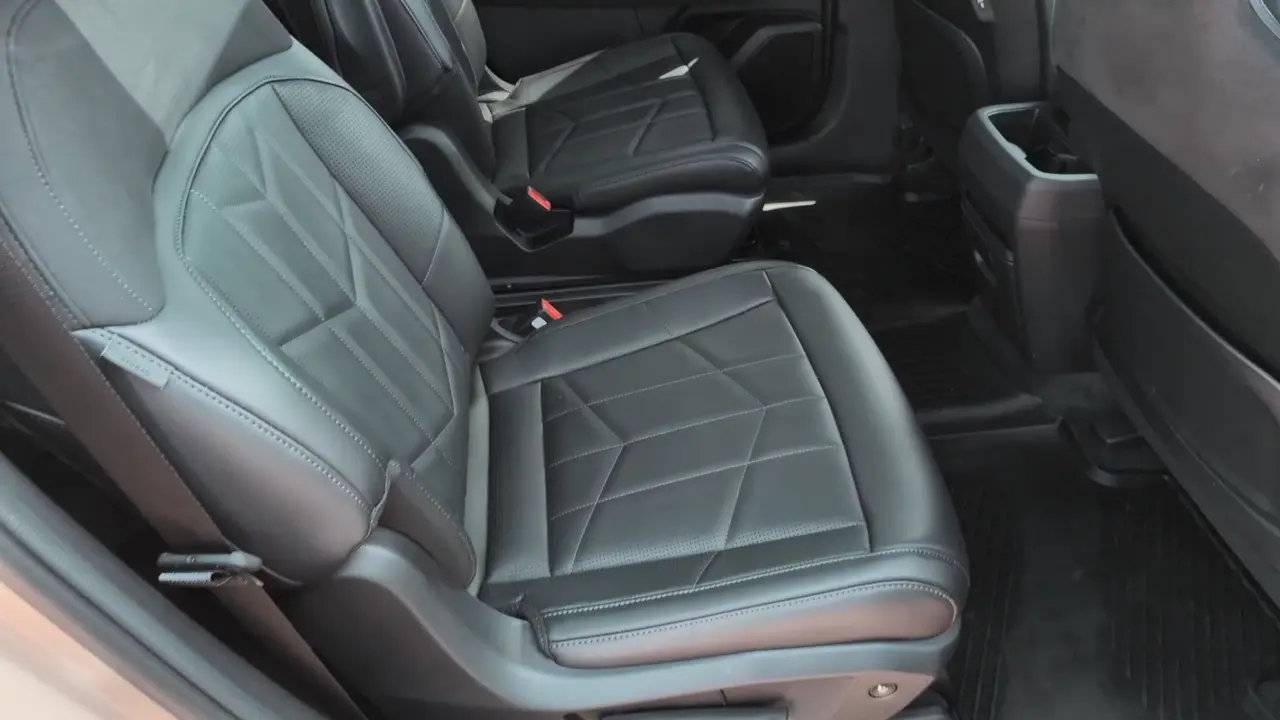
The Pilot’s one-button second-row seat movement makes a useful opening to the back. Once seated, I found enough knee and headroom to make the third row workable for me, although moving my head toward the side of the vehicle changed that impression. It is still worth climbing in yourself rather than trusting a measurement on a specification sheet.
The Telluride’s captain’s chairs provide a center aisle, which I liked for getting into the third row. Once there, however, headroom was tighter for my height. I could find space for my knees, but I had to adjust my head position. That is why I separated the ease of getting in from the comfort of staying there. A child or shorter adult may reach a different conclusion.
I also preferred the Pilot’s more accessible lower child-seat anchors. The Kia’s anchors were harder to reach in the seat cushions. My access demonstration uses a backpack, not an installed child seat, so it does not establish that a seat can safely move with a child seat attached. Bring your own seat when shopping and check the vehicle and child-seat instructions.
The second-row amenities add another layer. The Telluride’s heated and ventilated captain’s chairs and power outlet are appealing. The Pilot counters with useful touches such as sunshades and CabinTalk. Which matters more depends on who usually rides behind you and how you use the vehicle.
The Pilot’s cargo floor wins a practical point
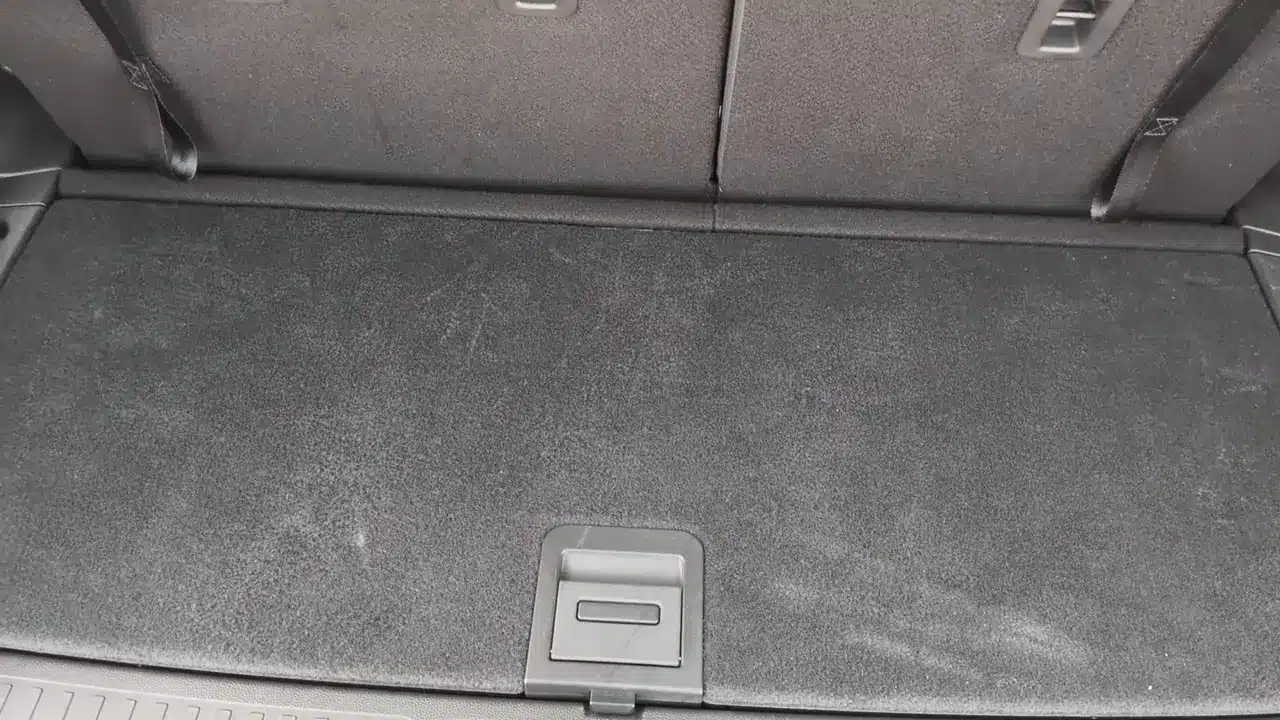
I used the same bags to compare the space behind the third row. The Pilot’s deeper underfloor storage made a real difference in that exercise. It provided a place to put items without immediately giving up a passenger seat. The Telluride has useful cargo features, but its storage arrangement did not work as well with my particular load.
This is a bag comparison, not a claim that I tested every stroller or measured the full cargo volume. The useful lesson is to bring the things your family actually carries. A published cubic-foot figure cannot tell you whether a tall stroller, cooler or awkward suitcase fits with the third row upright.
Kia claws back points with technology. I liked its camera features, including the blind-spot camera display and views useful for maneuvering. The digital rearview mirror can also be helpful when passengers or luggage obstruct the usual view. The Pilot’s surround-view camera still does a useful job, but the Telluride offers more ways to look around the vehicle.
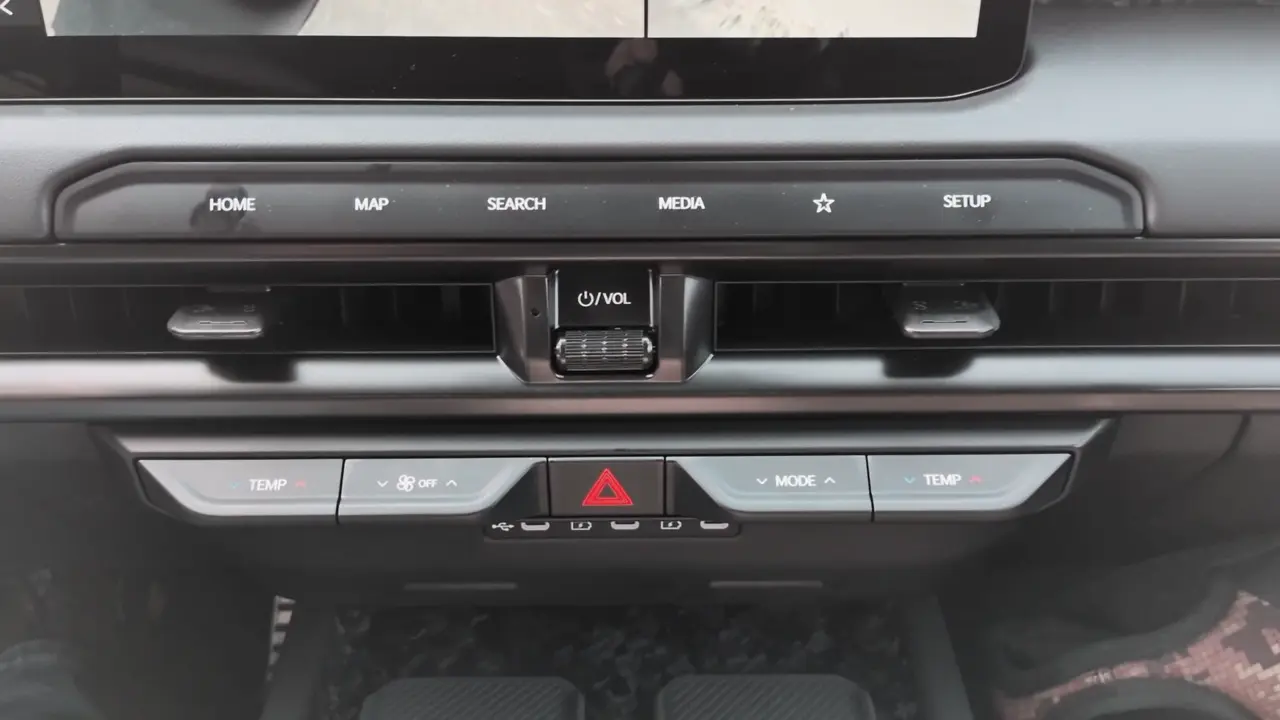
I lean toward the Honda’s physical climate controls and straightforward layout. Its screen and wireless phone integration cover the essentials, while the Kia adds a more elaborate display arrangement and extra comfort equipment. Spend time using the controls during a test drive: the feature you enjoy in a showroom may feel different when you need it in traffic.
Honda wins practical points; I would still choose the Kia
The Pilot’s V6 felt reassuring on the road, including when I asked for passing power. I did need a little time to become comfortable with its gear-selector arrangement. Overall, it made a strong case as an everyday family vehicle, particularly when I considered the easier anchors, cargo storage and lower as-tested price together.
The Telluride X-Pro won me over in a different way. I enjoyed driving it on the event’s dirt roads, and its equipment and personality left me smiling. That was an event drive, not an extreme durability test or a claim that the X-Pro can replace a purpose-built off-roader. It was enough to help me understand which of these two I wanted to drive home.
My practical scorecard favors the Honda in important places, especially cargo and child-seat-anchor access. Kia gets points for its center-aisle entry and camera features. Controls are more personal; I prefer the Honda’s simpler approach. My final choice is the Telluride because I liked the overall experience enough to pay more, but I would have no trouble recommending that a family focused on space and value start with the Pilot.
Watch the full Honda Pilot vs. Kia Telluride comparison to see the fit checks and cargo demonstration. The video includes a paid ScreenPro Tech sponsorship. Filmed by Austin Lott at the Texas Auto Writers Association’s 2026 Texas Truck Rodeo.