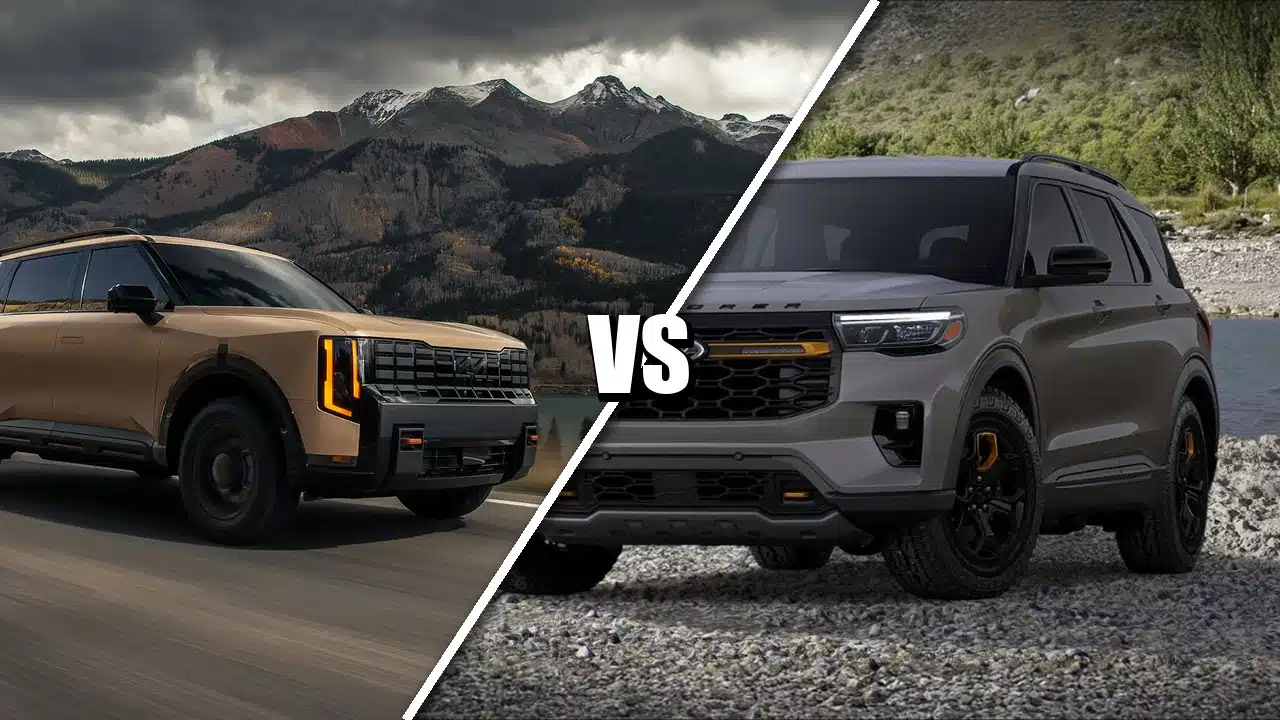
The 2026 Ford Explorer Tremor and 2027 Kia Telluride X-Pro take a similar idea in different directions: give a three-row family SUV more useful equipment for rough roads without abandoning everyday comfort. After reviewing them separately, the Ford's optional V6 was the feature I kept coming back to. In the Kia, the cabin made the stronger impression.
The Explorer I drove was approximately $64,000, while the Telluride SX Prestige X-Pro was approximately $58,000. Those are the reviewed vehicles, not entry prices. This comparison combines my separate reviews, with no claim that I ran a shared trail, towing or acceleration test.
The Explorer's optional V6 is a major distinction
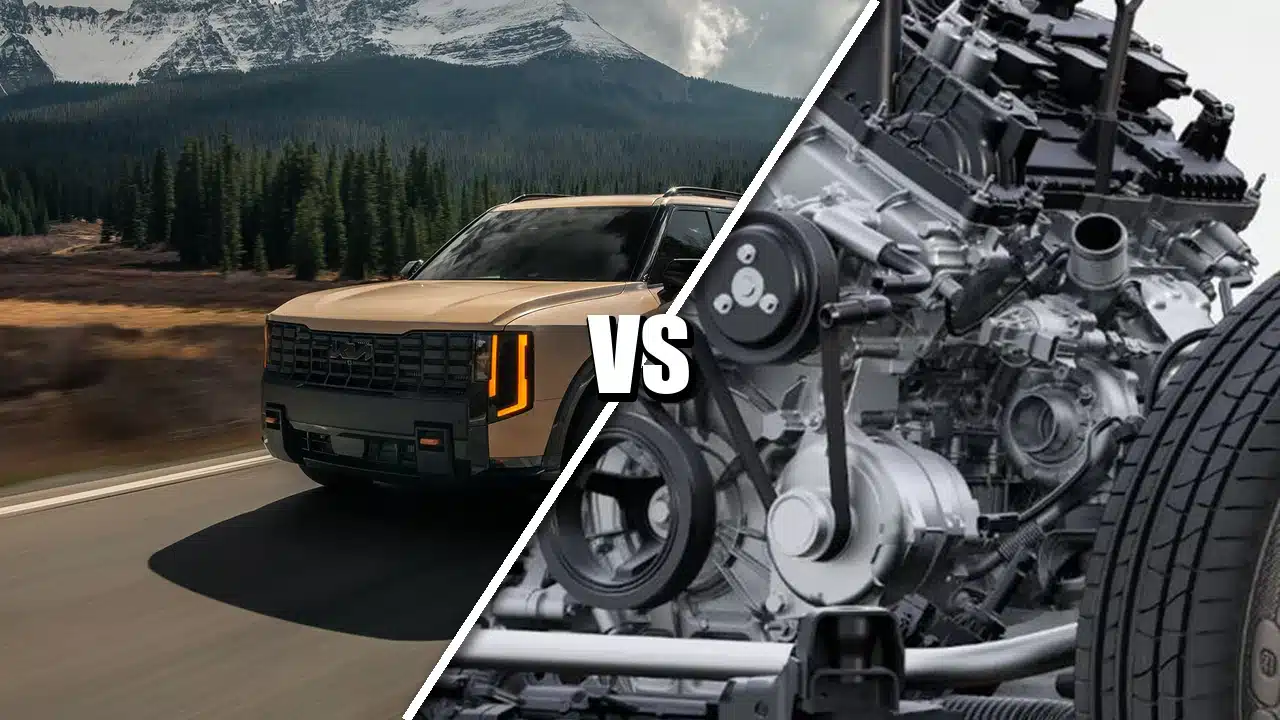
My Explorer Tremor had the optional 3.0-liter EcoBoost V6, rated at 400 horsepower and 415 lb-ft of torque. It made the Ford enjoyable to accelerate and gave it the character I wanted on the open roads around my home. The Tremor also has a different standard engine, so shoppers should not assume every example delivers the performance of this test vehicle.
The redesigned Telluride X-Pro I drove used the 2.5-liter turbocharged four-cylinder with 274 horsepower and 311 lb-ft of torque, paired with an eight-speed automatic. This was the gas-only vehicle, not the new Telluride Hybrid. I found its response adequate for normal driving, but it did not excite me the way the Ford's V6 did.
When I pressed the accelerator hard in the Kia's normal mode, I noticed an initial delay before it picked up speed. I did not record a comparable timed run in both vehicles. The useful takeaway is my preference for the Ford's response, not an invented acceleration margin.
Fuel economy is another reason to keep the tests separate. My displayed averages came from different driving, and the Telluride spent plenty of its review time in town. Those numbers cannot establish that one of these SUVs is more efficient under the same conditions.
Both add hardware for rough roads
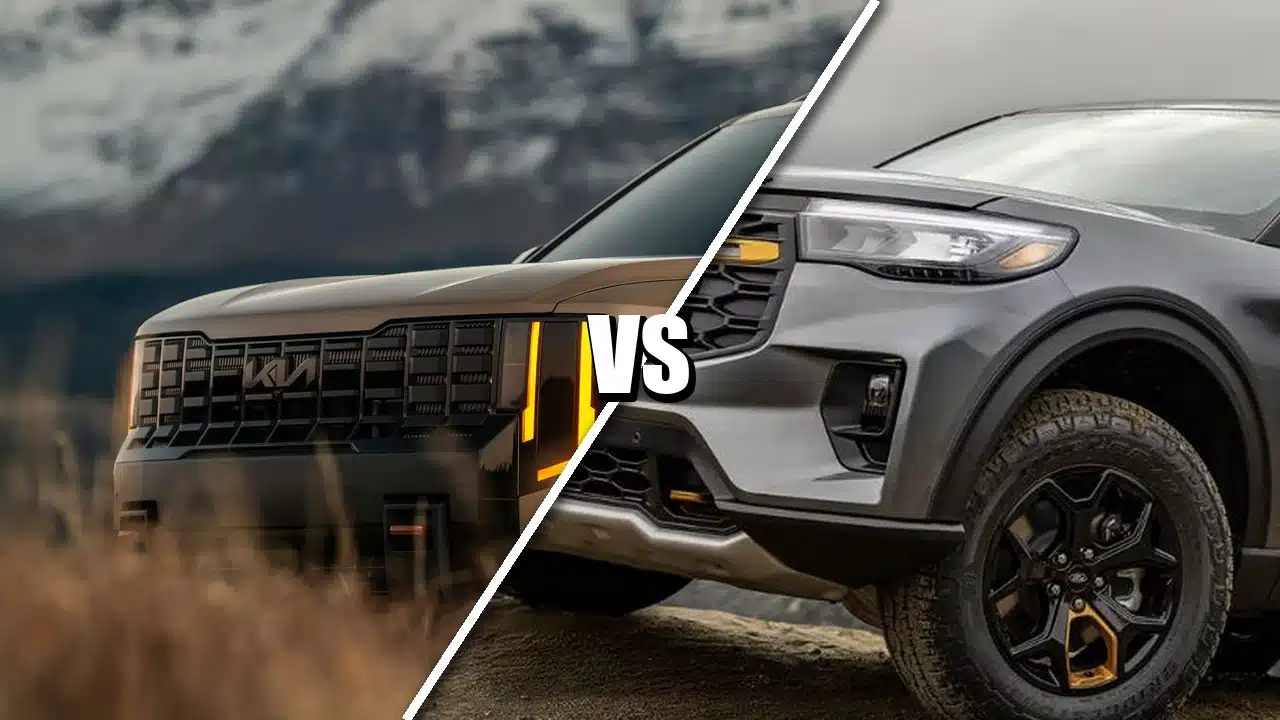
The Explorer Tremor brings all-terrain tires, off-road suspension tuning, skid plates and a Torsen limited-slip rear differential. I liked the practical intent of those changes, even down to the colored wheel detail that makes the valve location easier to spot.
The Telluride X-Pro also goes beyond appearance. The vehicle in my review had all-terrain tires on 18-inch wheels, its specific suspension setup, an electronic limited-slip rear differential and recovery points. I liked the additional lighting at the liftgate as a small but useful feature for loading or working behind the vehicle.
Neither review establishes a trail winner. I specifically avoided going off-road during my Explorer review week because drought conditions created a fire concern. I had driven a Tremor off-road previously, but that does not turn these separate videos into a direct test against the Kia.
The sensible role for these packages is the family that regularly encounters rough access roads and wants more suitable equipment than a typical street-focused trim. Ground clearance, tires and traction hardware still have limits. Choose a route and driving approach appropriate to the vehicle rather than assuming an off-road badge makes it a rock crawler.
Kia's interior makes the strongest counterargument
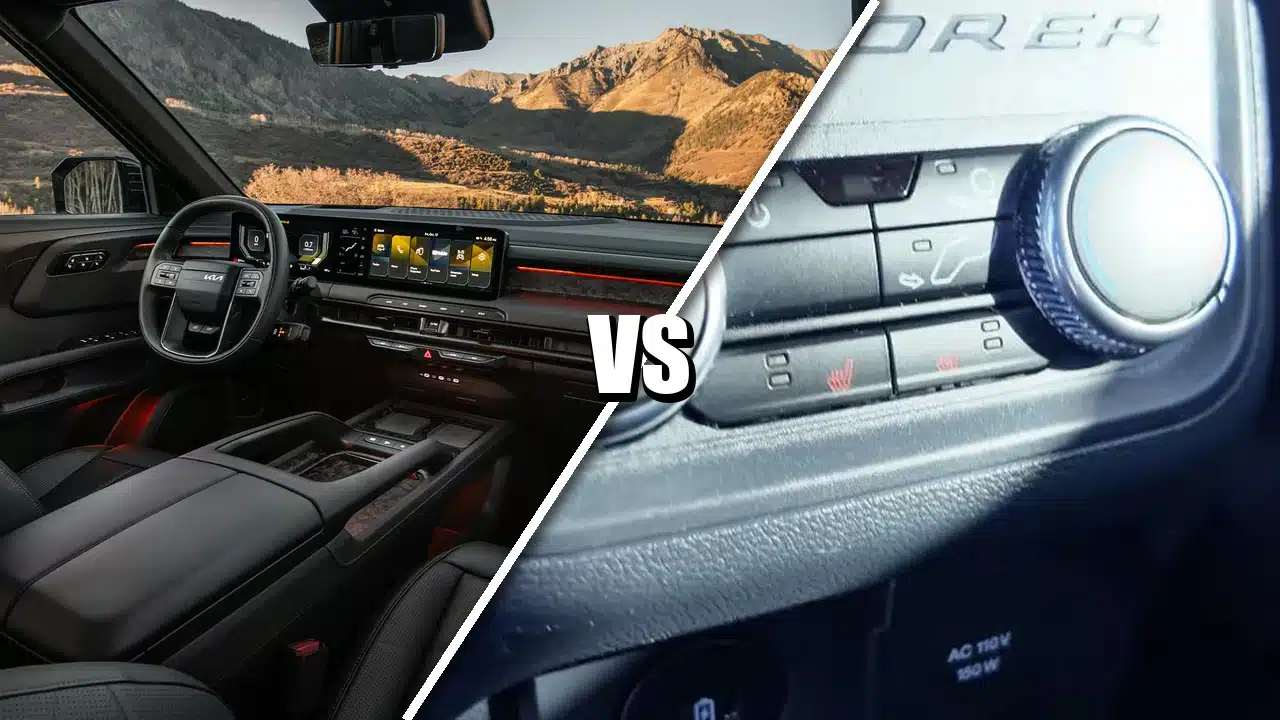
I was undecided about the Telluride's matte brown exterior and the contrast with its interior. Inside, though, I liked the comfort and finish. The SX Prestige X-Pro I reviewed had heated and ventilated second-row seats, rear window shades, dual wireless charging pads and an extensive camera display.
Some design decisions needed more time to get used to. The steering wheel's shape felt a little awkward during hand-over-hand turns, and the storage arrangement involved tradeoffs. Those are details worth exploring yourself while parked. The highest trim's equipment should not be assumed to appear on cheaper Tellurides.
The Explorer offered a comfortable driving position, useful grab handles and a cabin that felt solid during my review. I did not notice the wind noise or rattles I had experienced in some previous Ford vehicles. That is an observation about this example over a short test, not evidence that Ford has solved every quality issue.
I also found the Explorer's ride smooth given its tires and intended use. The choice is not simply a fun Ford versus a comfortable Kia. Both handled daily driving well, but the Kia's interior treatment and the Ford's powertrain were their respective highlights for me.
Check the family fit before deciding
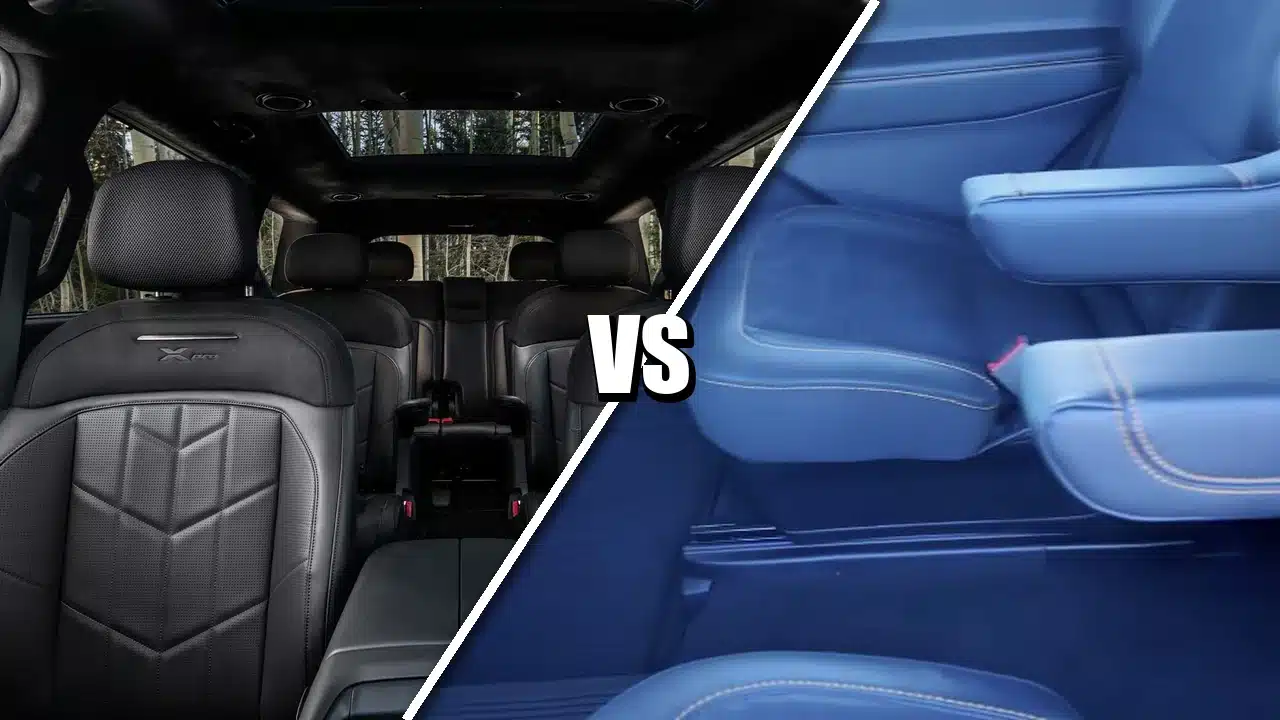
Both provided the flexibility of a third row, and I used my golf equipment to show cargo space during the walkarounds. The Explorer's back row struck me as better suited to smaller passengers. I also noted limited room at the very back of the Kia. Move the second-row seats to realistic positions and have your actual passengers try the third row.
The Telluride's gas powertrain is rated to tow up to 5,000 pounds when properly equipped. Ford also lists up to 5,000 pounds for the properly equipped Explorer. That matching headline does not answer every towing question. Check the actual vehicle's equipment, payload label and trailer requirements before buying around a towing number.
For my surroundings and preferences, the Explorer Tremor with the optional V6 is the more tempting choice. I enjoyed its engine and appreciated its practical rough-road hardware. The Telluride X-Pro makes a persuasive alternative for someone who values the reviewed Kia's interior equipment and lower tested price more than the Ford's additional power.
I would test the exact engine and trim I planned to buy. These two reviewed SUVs have enough differences in equipment and character that shopping only by the names Tremor and X-Pro leaves too much unanswered.
Sources: Tim's Explorer Tremor review, Tim's Telluride X-Pro review, Kia model announcement, Ford Explorer towing guide. Both videos include a ScreenProTech promotion.