
Drivers budget for tires, brakes and the big battery under the hood. Few budget for four more batteries sealed inside the wheels.
They power the tire pressure monitoring system, and they can create an expensive surprise just as a vehicle reaches the age when owners expect maintenance costs to settle down. The batteries in direct TPMS sensors commonly last about seven to 10 years. They normally cannot be replaced separately, so when a battery dies, the complete sensor goes with it.
TPMS batteries and warning lights explained
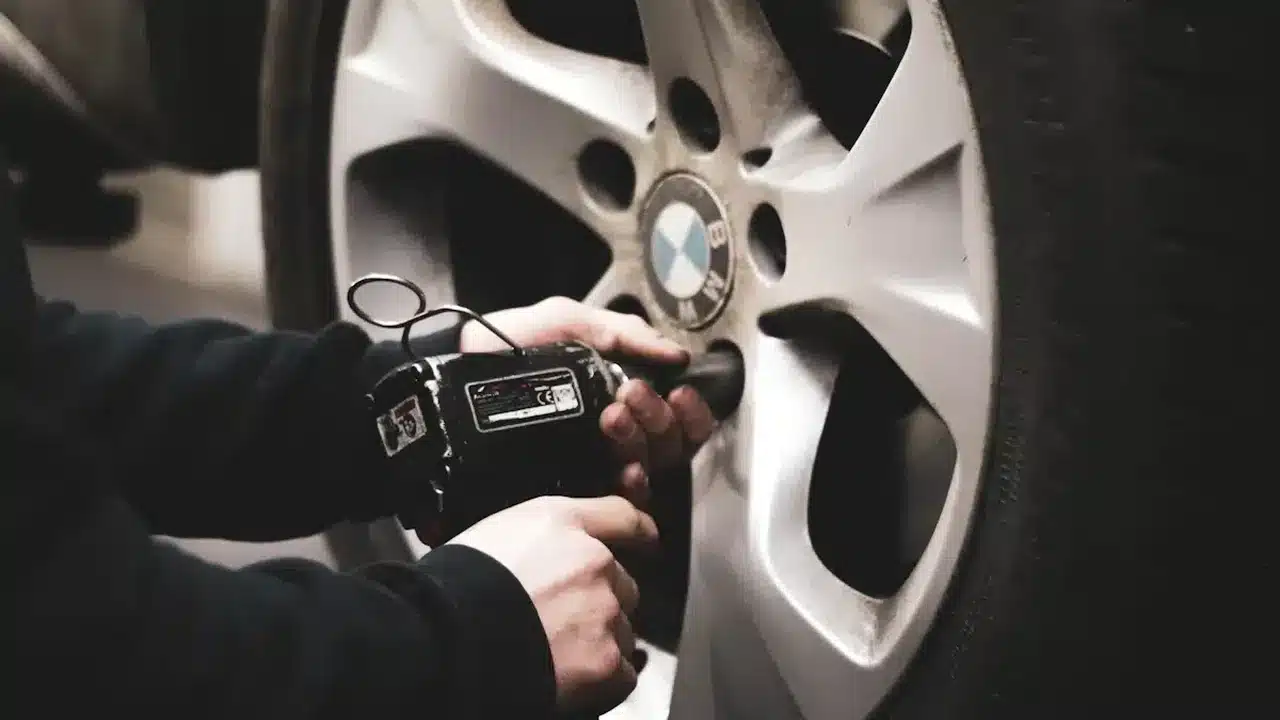
A direct TPMS uses a pressure sensor and radio transmitter inside each wheel. That is how a vehicle can identify a low tire and, on many models, display its individual pressure. The sensor must transmit without wires, which is why it carries its own small battery.
The federal government anticipated the maintenance problem when it developed the modern TPMS requirement. A National Highway Traffic Safety Administration analysis described the battery as enclosed, nonserviceable and expected to last seven to 10 years. Snap-on gives technicians the same general lifespan.
Not every car uses these sensors. An indirect system estimates pressure loss through the anti-lock-brake wheel-speed sensors and has no pressure-sensor battery in each wheel. A shop should identify which system the vehicle has before discussing replacement.
A steady TPMS symbol usually means at least one tire is significantly underinflated. Check all tires promptly using the cold-pressure figure on the driver’s-door label. Do not use the maximum pressure molded into the tire sidewall as the vehicle’s inflation target.
A symbol that flashes for 60 to 90 seconds and then remains illuminated indicates a system malfunction, according to NHTSA. A depleted battery is a common suspect on an older vehicle, but damage, communication trouble and an incomplete relearn can also cause a fault.
Cold weather can turn on an ordinary low-pressure warning because pressure drops with temperature. That is not proof that a sensor has failed. The useful diagnosis is whether each sensor responds to a TPMS activation tool.
Why replacing one sensor can cost $200 or more
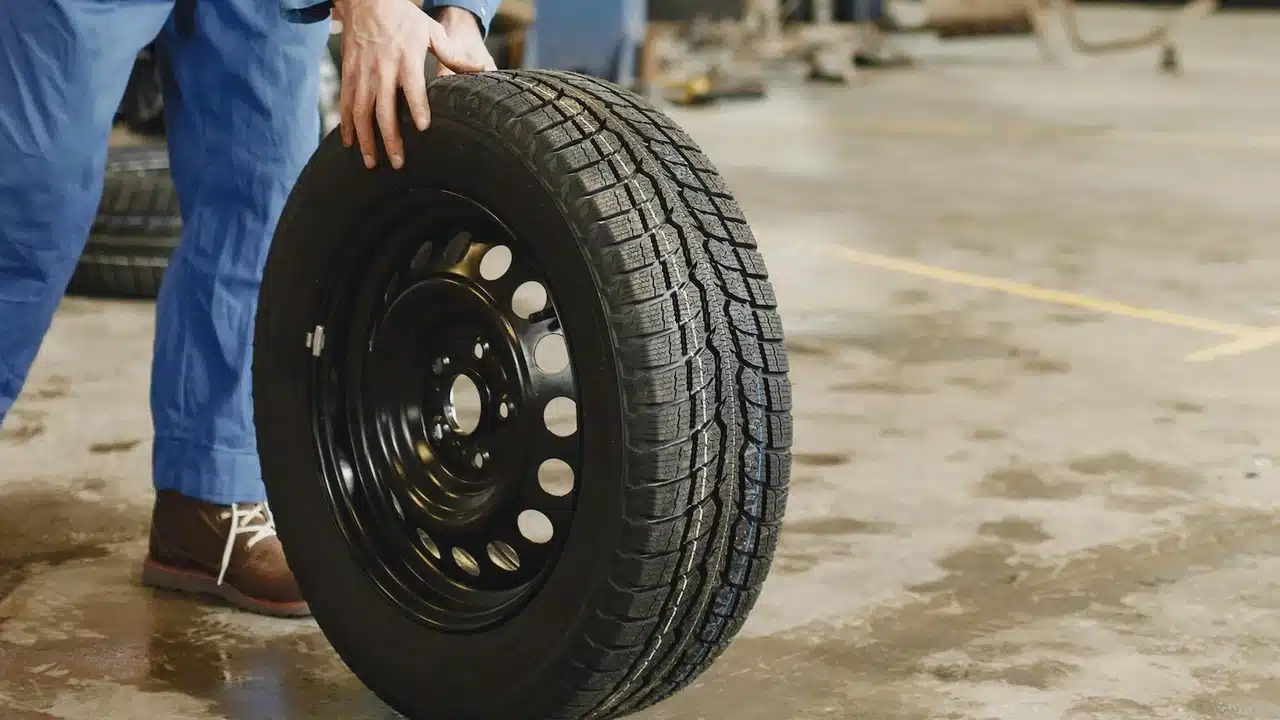
The sensor itself may be modestly priced, but it lives inside the mounted tire. Replacing it can require tire-machine labor, new valve hardware, wheel balancing, sensor programming and a vehicle-specific relearn. Original-equipment parts and dealership labor move the total upward.
RepairPal’s September 2026 estimate puts an average TPMS sensor replacement at $240 to $299, including estimated parts and labor but excluding taxes and fees. That does not make $250 the correct price everywhere. Independent tire shops using compatible aftermarket sensors may charge considerably less, particularly when the tire is already off for replacement.
An $800 estimate for four sensors is therefore believable, but it deserves an itemized comparison. Ask what each sensor costs, whether it is original equipment or aftermarket, whether mounting and balancing are included, and whether programming is a separate charge. If tire costs already have your attention, our explanation of California’s new replacement-tire rules covers another change that could eventually affect the same service visit.
Replacing one versus replacing the set
One failed sensor does not automatically mean all four need replacement. An individually damaged sensor on a newer vehicle can be replaced by itself.
Age changes the economics. If one original sensor dies on a nine-year-old car, the other three have experienced the same calendar, climate and use. Discount Tire says typical battery life is six to 10 years or 90,000 to 120,000 miles and advises that the remaining sensors may be close behind.
Replacing the set costs more immediately but may prevent repeat appointments and duplicate tire labor. Replacing only the failed unit preserves cash today. The right answer depends on why the sensor failed, the age of the others, the vehicle’s remaining life in your household and whether new tires are already being installed.
What to ask before approving the repair
First, ask the shop to identify which sensors failed and how it tested them. Second, request separate prices for original-equipment and reputable compatible sensors. Third, ask whether the vehicle needs programming, registration or only a simple relearn. Finally, ask what the price would be during a scheduled tire replacement.
A TPMS service kit is not the same thing as a sensor. The inexpensive kit generally replaces sealing and valve components that help prevent air leaks and corrosion. It does not replace the electronics or give the sealed battery a new life.
Do not ignore a malfunction indefinitely. The car will still move, but the system can no longer provide the warning it was designed to give. Worse, a driver who gets used to seeing the symbol may overlook a real low tire later. Continue checking pressures monthly with an accurate gauge whether the warning system works or not.
The real maintenance shock is not that a battery eventually dies. It is that four hidden batteries can reach old age together, with no dashboard countdown and no line in the familiar maintenance schedule. If your vehicle is nearing its tenth birthday, ask about the sensors before the next tire appointment. The question is free. The surprise may be $800.