Range Rover has finally plugged itself into the electric revolution and somehow managed to make the whole thing look remarkably un-revolutionary. The first Range Rover Electric is available to order, with prices starting at $138,000. There’s no radical silhouette, no futuristic wedge, no styling gimmick announcing to the world that its owner has joined the electric avant-garde.
“Range Rover Electric is the result of a decade of considered engineering and technological development,” Martin Limpert, Managing Director of Range Rover. “We took our testing and development programs even further than originally intended to ensure Range Rover Electric is genuinely the most accomplished Range Rover ever.”
Range Rover Electric’s Subtle Styling Changes
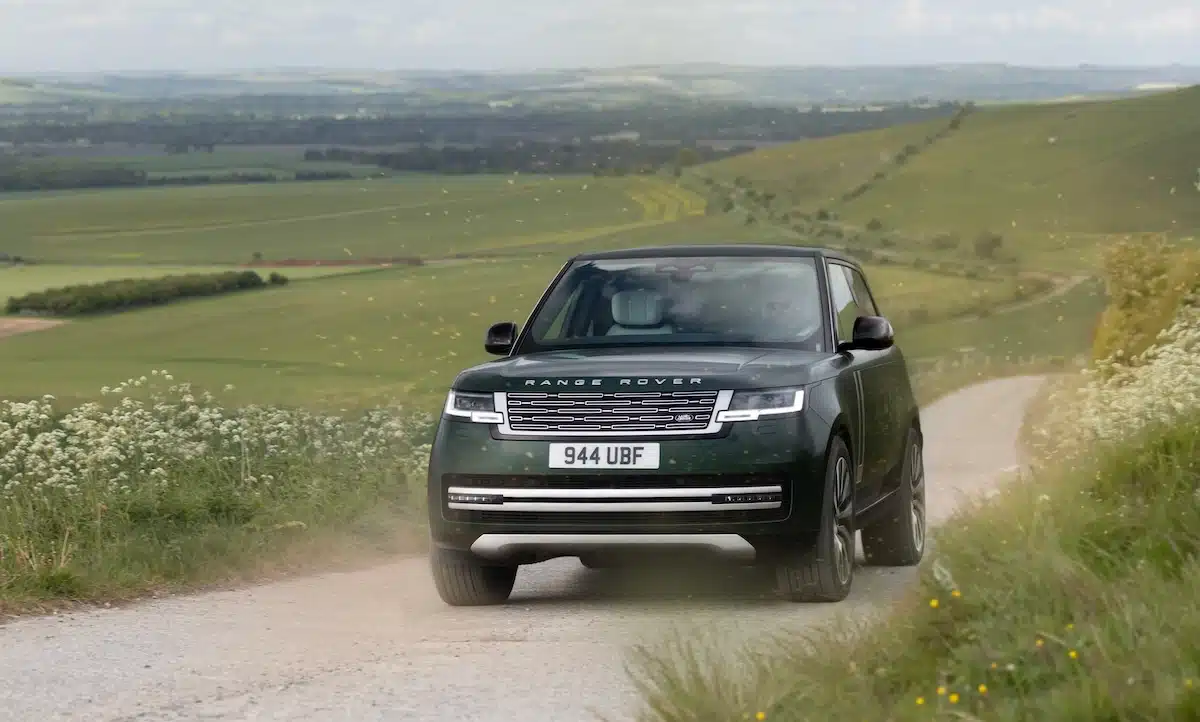
Mercifully, it still looks like a Range Rover, which is precisely what those paying $138,000 want. There are, naturally, aerodynamic tweaks to the grille, wheels and underbody. The changes are understated enough that you’ll have to look closely to find them, which is exactly the point. The electricity remains the secret handshake underneath.
Underneath the familiar luxury trappings are two permanent-magnet electric motors producing as much as 542 horsepower and 627 pound-feet of torque. Range Rover says 0 to 60 mph takes as little as 4.3 seconds. But the more interesting achievement is what happens when the road disappears.
Range Rover Electric: Even More Capable
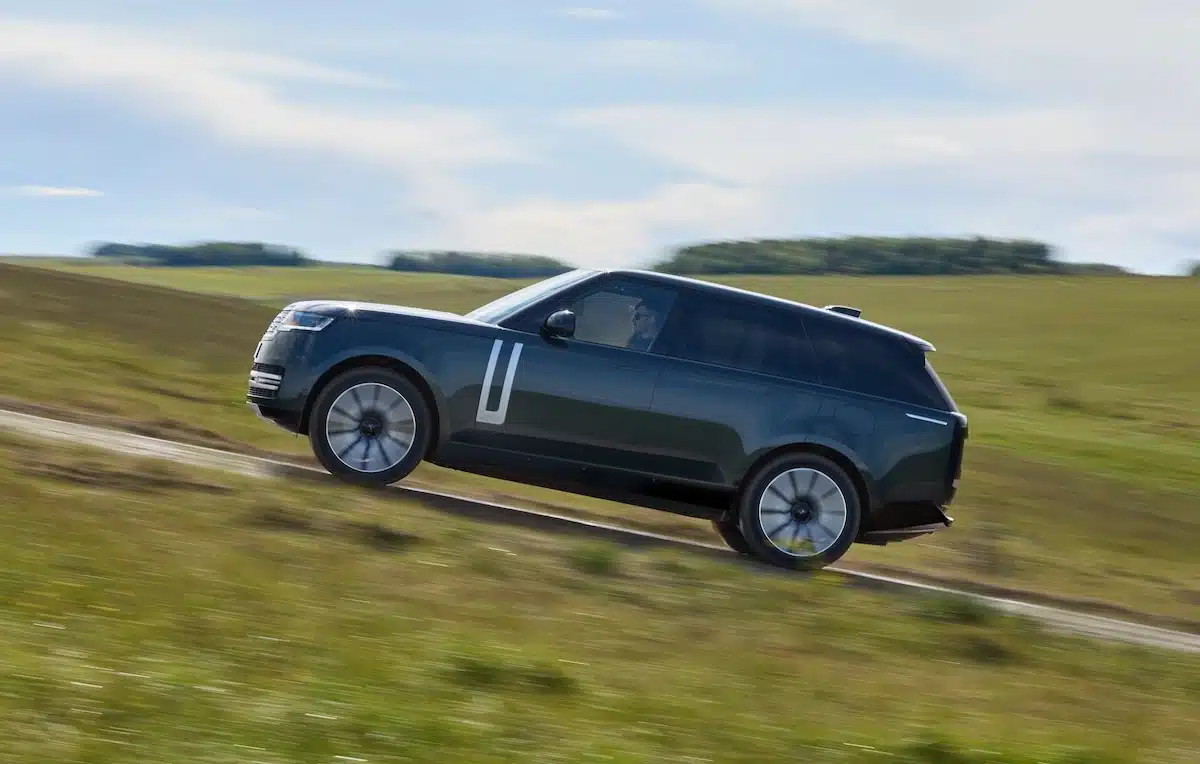
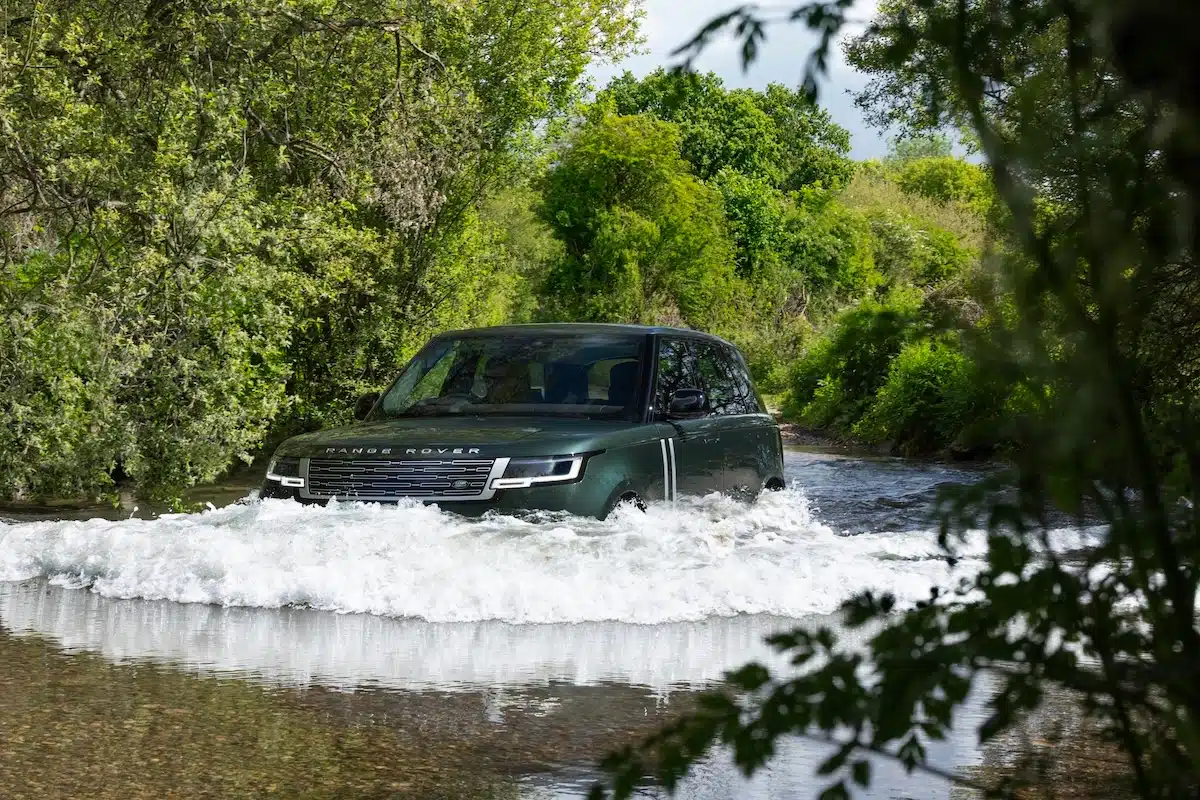
Single-pedal driving is intended to provide precise control on steep terrain. Range Rover says its electric traction-management system can react in as little as 50 milliseconds, controlling motor speed and wheel slip far faster than a conventional drivetrain. Its Intelligent Driveline Dynamics distributes up to 100% rear torque to prevent loss of traction. And this matters because Range Rover has always been built around a delicious contradiction: It’s a luxury limousine that can behave like a farm tractor. And remarkably, the electric version hasn’t lost the tractor. It can climb slopes as steep as 45 degrees and wade through up to 35 inches of water.
Of course, the person who spends $138,000 on a Range Rover won’t be overjoyed when someone suggests driving it into a river. Still, the capability is there, and that’s the whole point.
Under The Range Rover Electric’s Bonnet
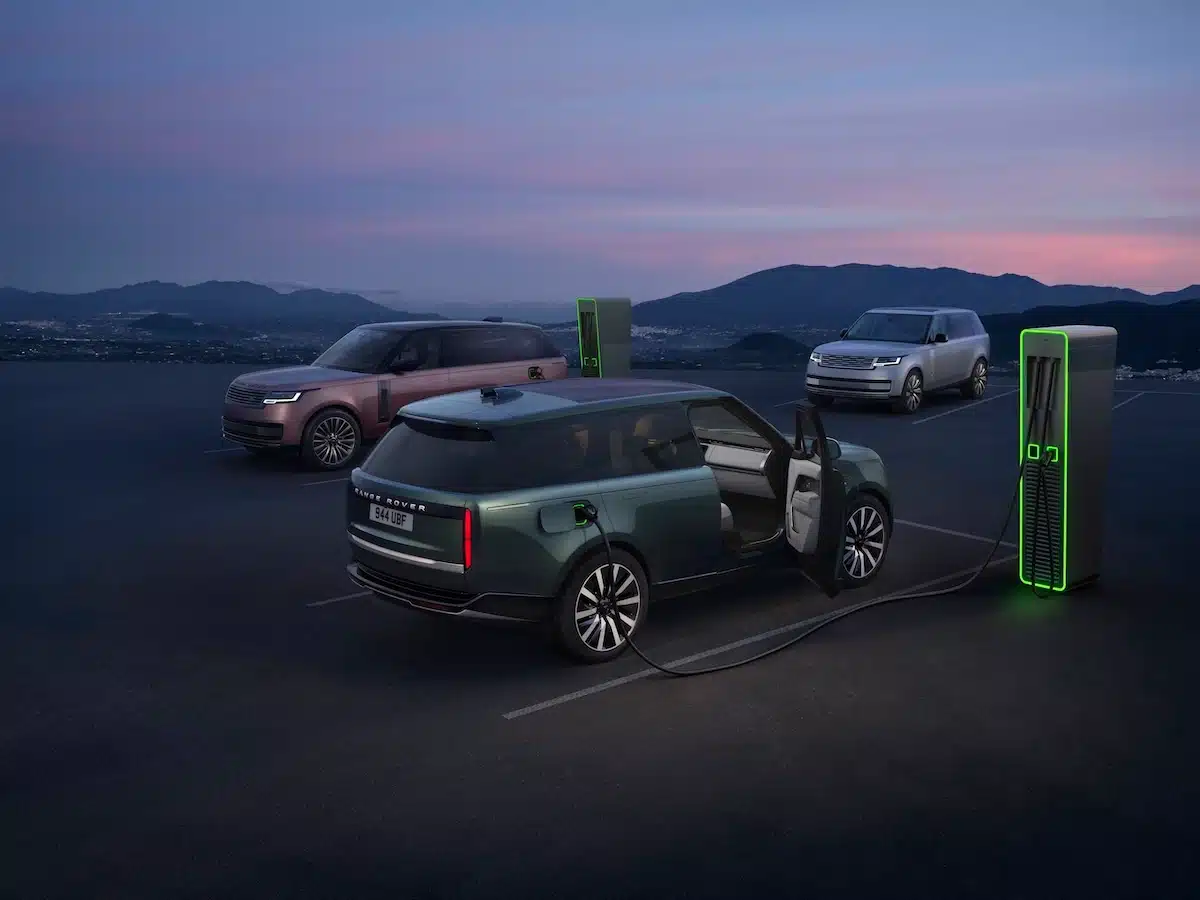
The battery is equally capable. The 118.5-kilowatt-hour lithium-ion pack uses 344 prismatic cells and an 800-volt architecture. Range Rover says it can charge from 10% to 80% in about 22 minutes with DC fast chargers. Maximum EPA range is expected to reach 333 miles. Recharging is done through NACS ports and access to Tesla’s Supercharger network. That’s enough to make the electric Range Rover useful rather than merely fashionable. Because however wealthy you are, eventually you will become irritated if your $138,000 SUV can’t make it to the airport and back.
Ensuring The Range Rover Electric Works As Advertised
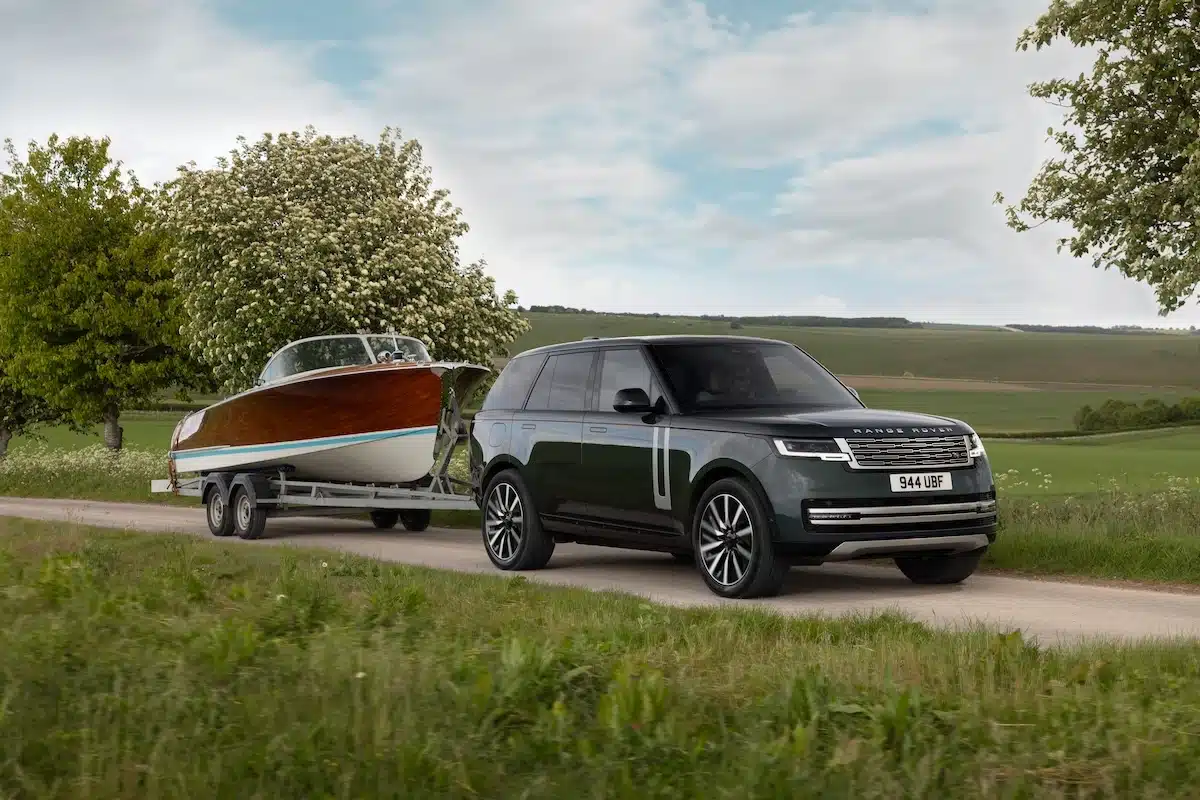
As you’d expect, Range Rover has also spent an almost comical amount of time testing the thing. More than 900,000 miles of testing. More than 250,000 hours of virtual testing. Sweden at minus 40 degrees. Dubai’s desert. Britain’s Eastnor Castle. The result? More than 300 patent applications have been filed. This is what happens when you tell engineers that the new electric SUV must behave exactly like the old gasoline SUV. They respond by disappearing for several years and returning with 113 miles of wiring.
The wiring is part of a much larger makeover. There’s a system called ThermAssist, which manages battery temperature, charging and cabin heating. Range Rover claims it can add up to 25 miles of range while reducing heating energy consumption by 40%. The ownership experience has been updated too. An app lets owners monitor charging, schedule it, locate the vehicle and remotely activate features such as cabin purification and the heated steering wheel.
The Upshot
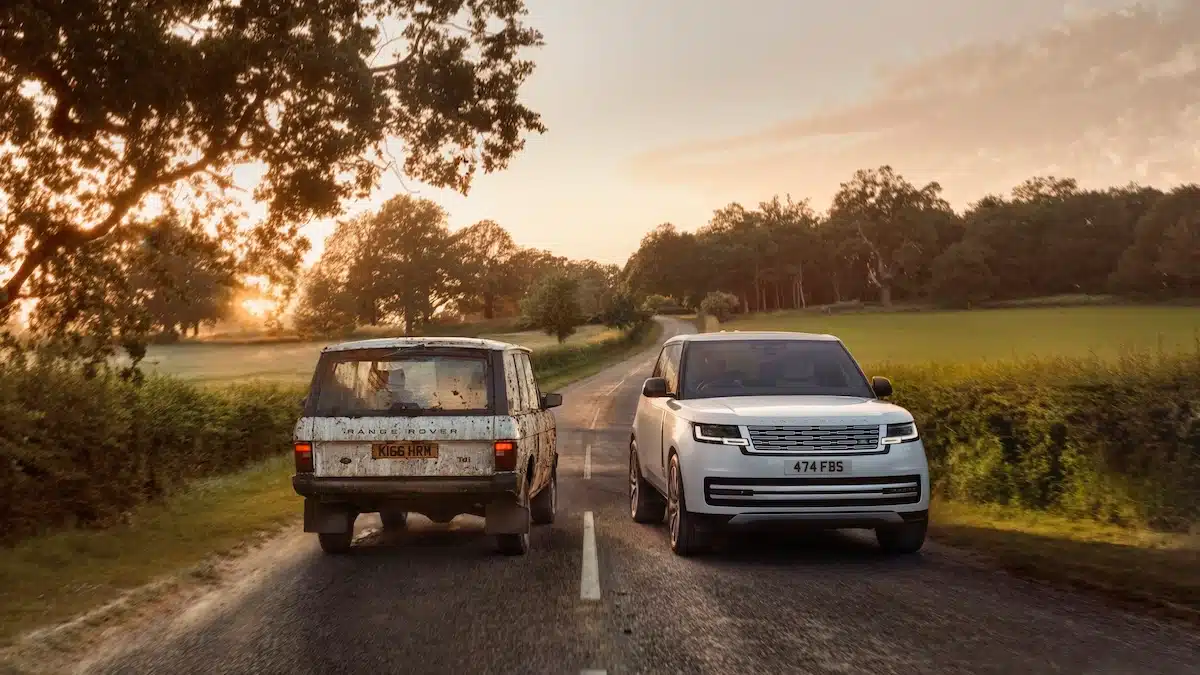
Range Rover isn’t asking its customers to give up anything they love. It’s asking them to believe that electricity can make the familiar formula even better: quieter, smoother, quicker to respond and just as capable when the pavement ends.
And that’s the clever part. The shape is still unmistakably Range Rover. The cabin still feels like a very expensive living room. It can still wade through a river, climb a ridiculous slope and make you wonder why anyone bothered building a road in the first place. Only the machinery underneath has changed.
That is probably the smartest way to sell an electric Range Rover. Don’t tell the customer they’re buying an EV. Tell them they’re buying a Range Rover, then quietly remove the engine.