
A dashboard MPG display is convenient, but a set of fuel receipts gives you another way to check what your car is using. You do not need a complicated spreadsheet. A note on your phone with mileage and gallons is enough to get started.
The basic calculation is miles driven divided by gallons used. The important part is making the distance and the fuel cover the same period. Mixing a lifetime dashboard average with the last tank’s receipt will not give you a meaningful comparison.
Start and finish with a full tank
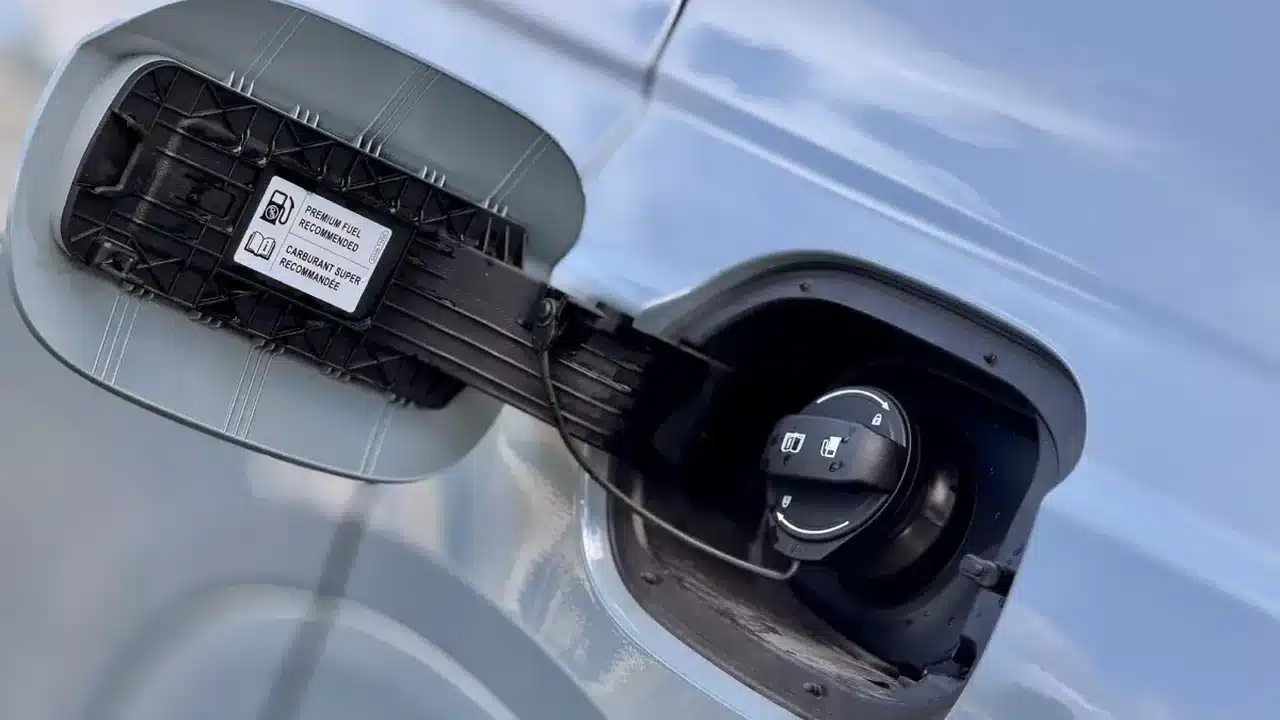
Ford’s fuel-consumption instructions describe recording an initial odometer reading with a full tank, recording subsequent fuel additions and calculating the result after several fill-ups. Follow your vehicle’s refueling instructions; do not keep squeezing in extra fuel after the approved stopping point.
The first fill establishes the starting level. Its gallons are not part of the fuel consumed after that starting mileage. At the ending fill, include the gallons needed to return to full, along with all the fuel added in between. Save receipts so a forgotten partial fill does not disappear from the calculation.
Use total miles and total gallons
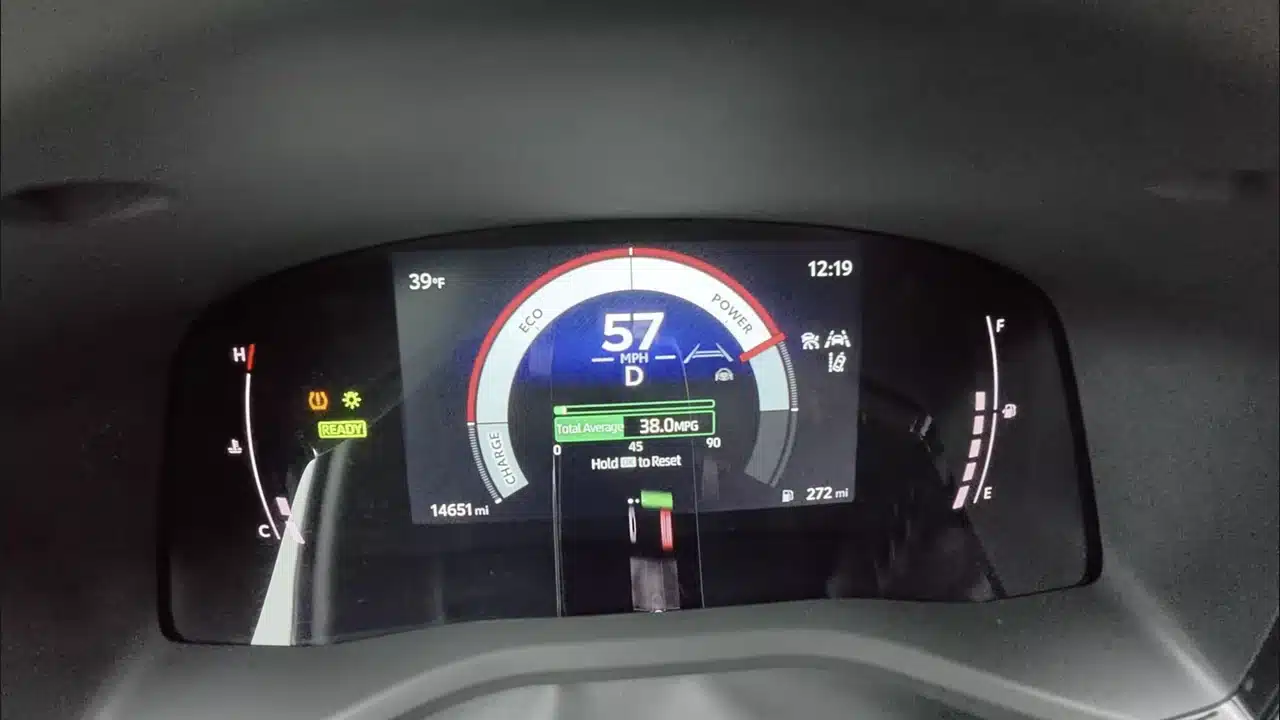
Suppose you start at 20,000 miles and finish at 21,200. You added 40 gallons after the starting fill, including the final fill back to full. That is 1,200 miles divided by 40 gallons, or 30 MPG.
Do not simply average individual tank MPG figures when the tanks cover different amounts of fuel. For example, 200 miles on five gallons is 40 MPG, while 300 miles on 10 gallons is 30 MPG. The combined result is 500 divided by 15, or about 33.3 MPG. Averaging 40 and 30 would incorrectly report 35 MPG.
Record what changed during the measurement

Ford recommends keeping a record over at least a month and noting the type of driving. Add a short comment when the period includes unusual traffic, a long highway trip, cold weather or a roof carrier. You are trying to describe the car’s use, not win a contest with another owner.
A single unusually good tank is interesting, but it is not necessarily representative. Several consistent records give you a better basis for comparing seasons or noticing a sustained change. If you miss a fuel purchase, mark the affected period as incomplete instead of presenting its result as measured economy.
Keep the dashboard comparison fair
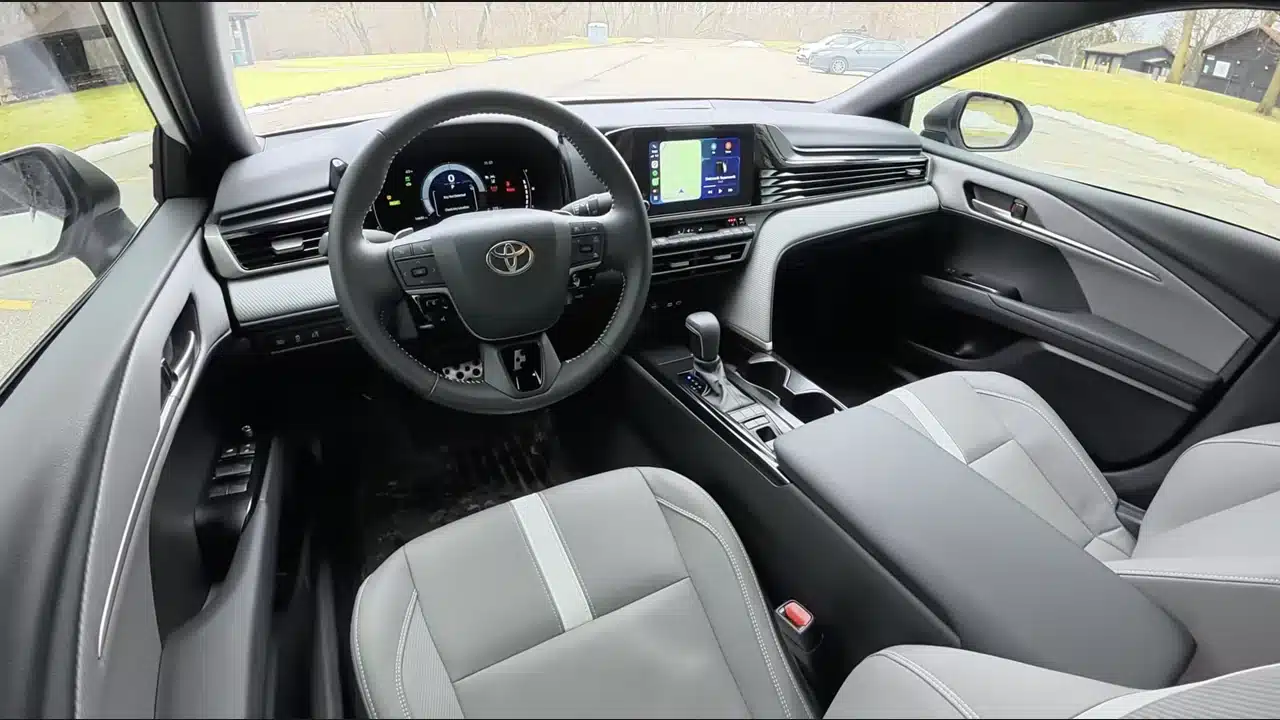
If you want to compare with the trip computer, reset the appropriate average at the same starting point and record it at the same ending point. Check the manual to understand whether that display resets automatically or represents a different period.
The arithmetic can be exact while the measurement still has limits, including how consistently the tank is filled. Treat small differences cautiously. For a plug-in hybrid, track electricity as well as gasoline: a high gasoline MPG figure alone does not describe all the energy or money used to travel those miles.
Illustrative dashboard image from Travis / yoopercharged’s Toyota Camry owner review, supplied by Tim Esterdahl. The displayed 38.0 MPG is separate from the hypothetical examples above.
Comparing fuel grades? Read premium required versus recommended before changing what goes in the tank.