The cars with the worst depreciation can lose more than half their value in only five years. Electric vehicles and luxury models dominate the latest list, creating both a warning for new-car shoppers and an opportunity for used-car buyers.
An iSeeCars study found the average vehicle loses 41.8% of its original value after five years. Every vehicle in the study’s bottom 25 lost at least 56.3%.
Nissan Leaf has the highest depreciation
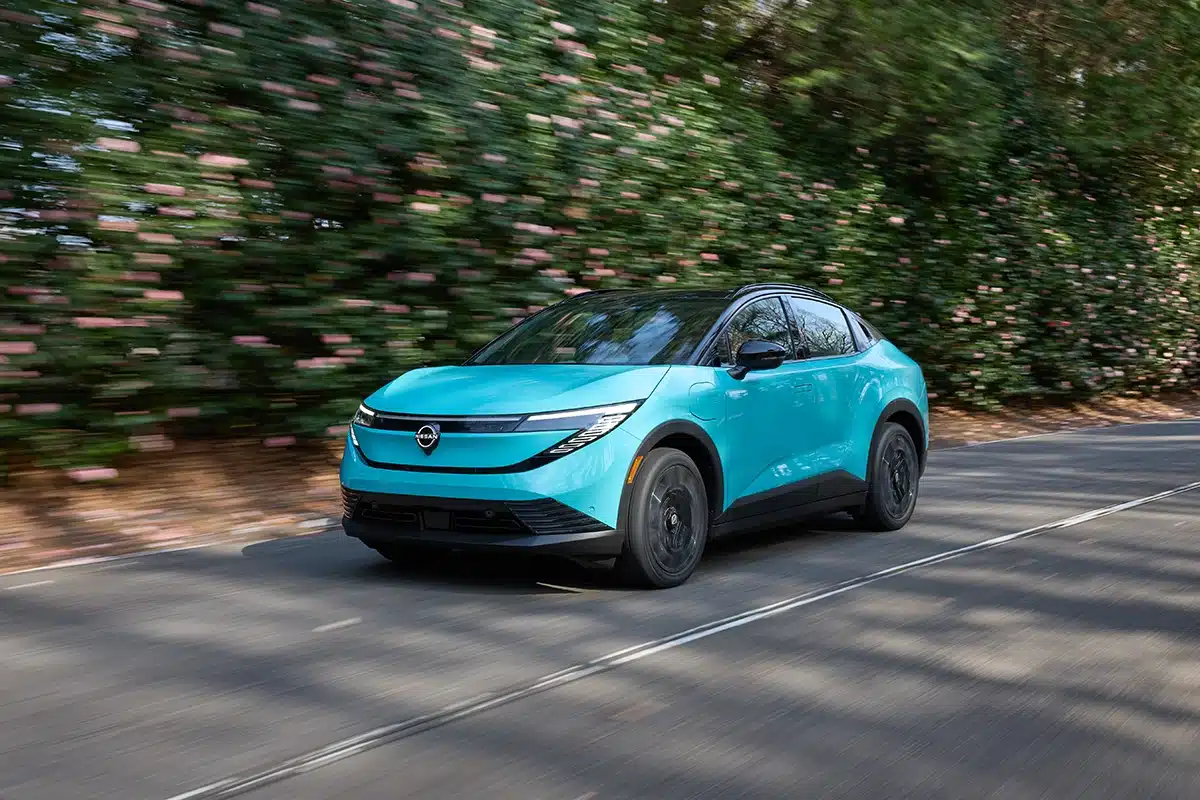
The 2026 iSeeCars depreciation study ranked the Nissan Leaf as the fastest-depreciating vehicle, losing 63.1% of its value after five years.
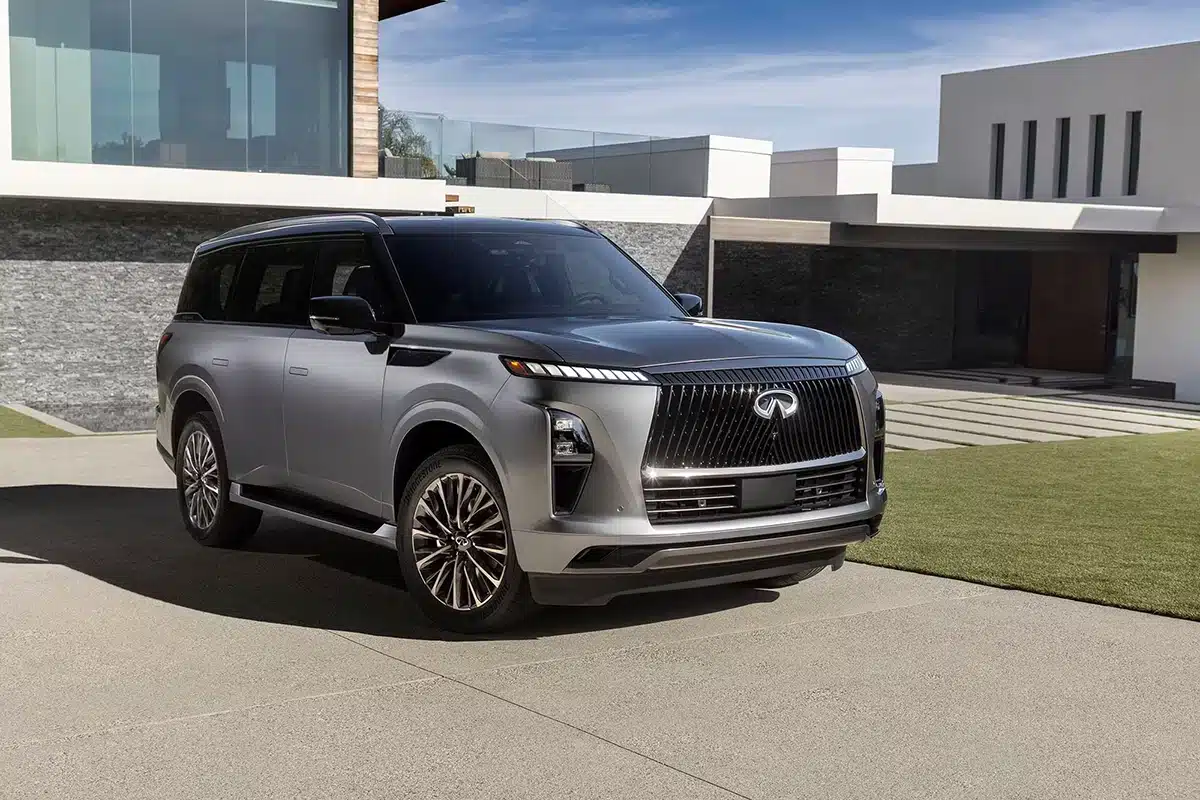
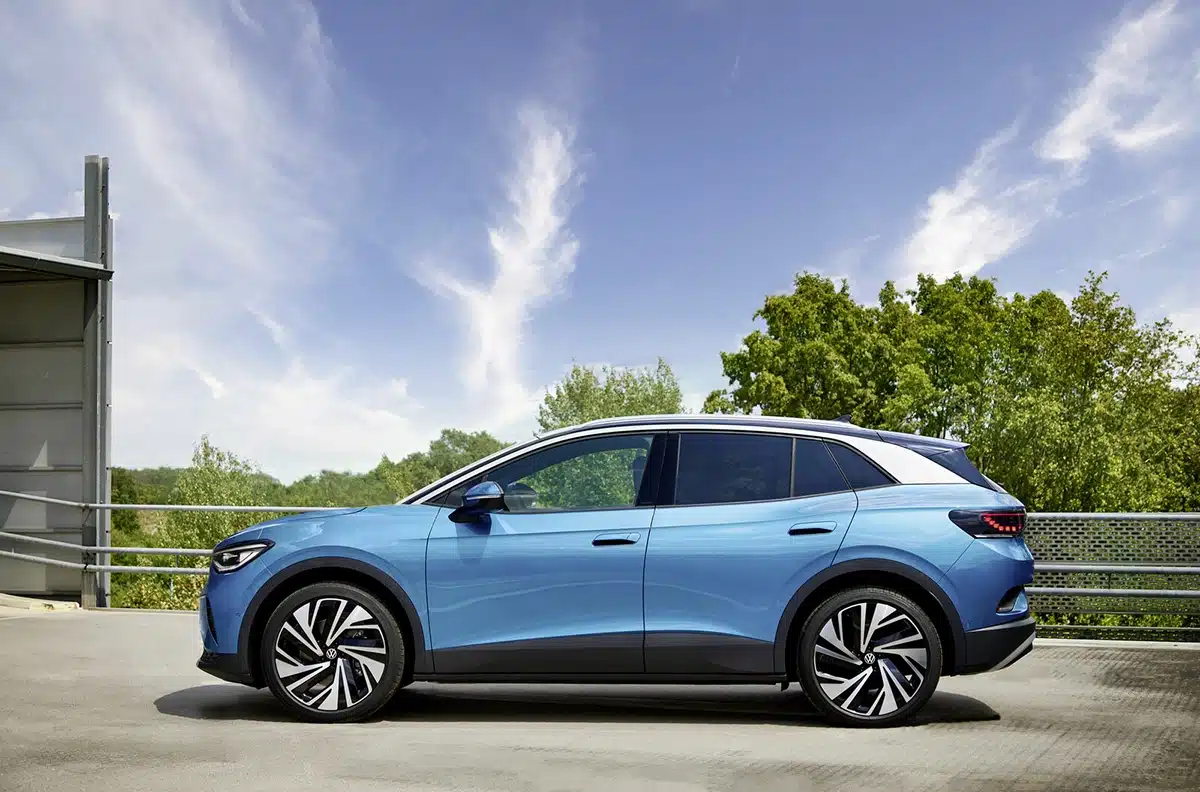
The Infiniti QX80 followed at 62.8%, while the Volkswagen ID.4 lost 62.1%. The Tesla Model S and Land Rover Range Rover completed the bottom five.
| Model | Five-year depreciation | Average value lost |
|---|---|---|
| Nissan Leaf | 63.1% | $17,743 |
| Infiniti QX80 | 62.8% | $52,631 |
| Volkswagen ID.4 | 62.1% | $28,010 |
| Tesla Model S | 62.0% | $58,907 |
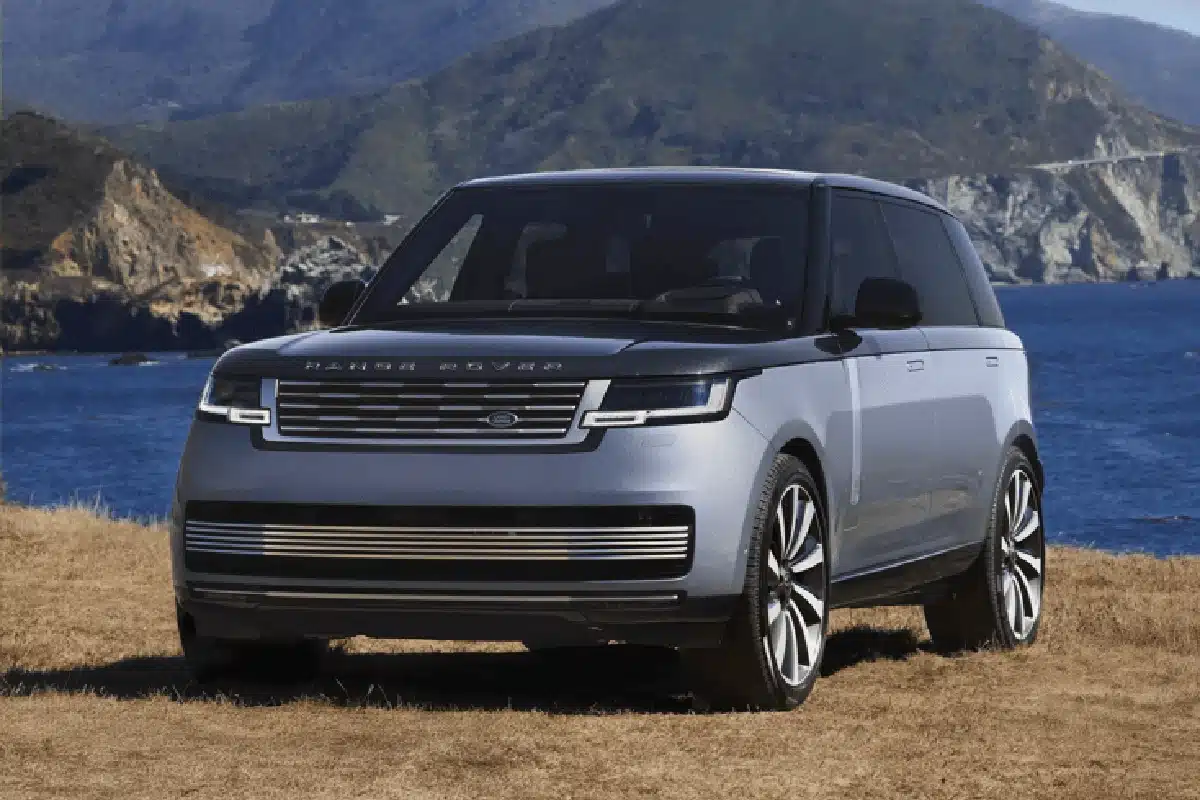
| Land Rover Range Rover | 61.7% | $69,856 |
| BMW 7 Series | 61.6% | $61,141 |
| Tesla Model X | 61.2% | $61,216 |
| Ford Mustang Mach-E | 60.8% | $22,976 |
| BMW 5 Series Hybrid | 59.5% | $44,921 |
| Infiniti QX60 | 58.3% | $30,099 |
Percentage loss does not tell the entire story
The Nissan Leaf has the highest percentage loss, but its average dollar depreciation is $17,743. That is close to the overall market’s average five-year loss of $16,571.
Luxury vehicles create a much larger financial hit.
The Range Rover loses an average of $69,856, while the Tesla Model X loses $61,216 and the BMW 7 Series loses $61,141. Their percentages are similar to the Leaf, but their higher original prices mean owners lose far more money.
Buyers should compare both the depreciation percentage and the estimated dollar loss.
Electric vehicles remain vulnerable
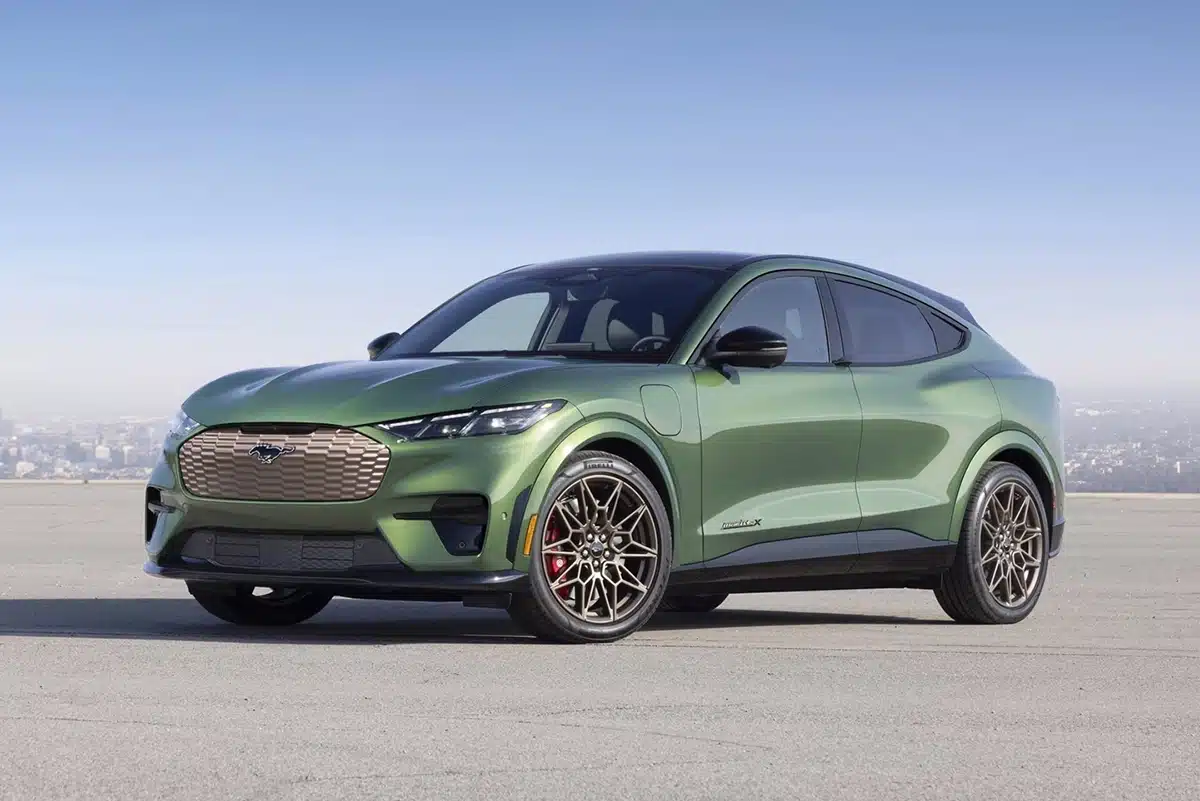
Electric vehicles lost an average of 57.2% after five years, more than 15 percentage points worse than the overall market.
Five EVs appeared in the study’s bottom 10:
- Nissan Leaf
- Volkswagen ID.4
- Tesla Model S
- Tesla Model X
- Ford Mustang Mach-E
EV depreciation is influenced by changing incentives, frequent price adjustments, rapidly improving battery technology and concerns about used-battery condition. A new EV can also carry a substantial price premium that used buyers may not be willing to pay later.
The Tesla Model 3 performed best among the EVs studied, but it still lost 54.6% after five years.
Luxury features do not retain their original value
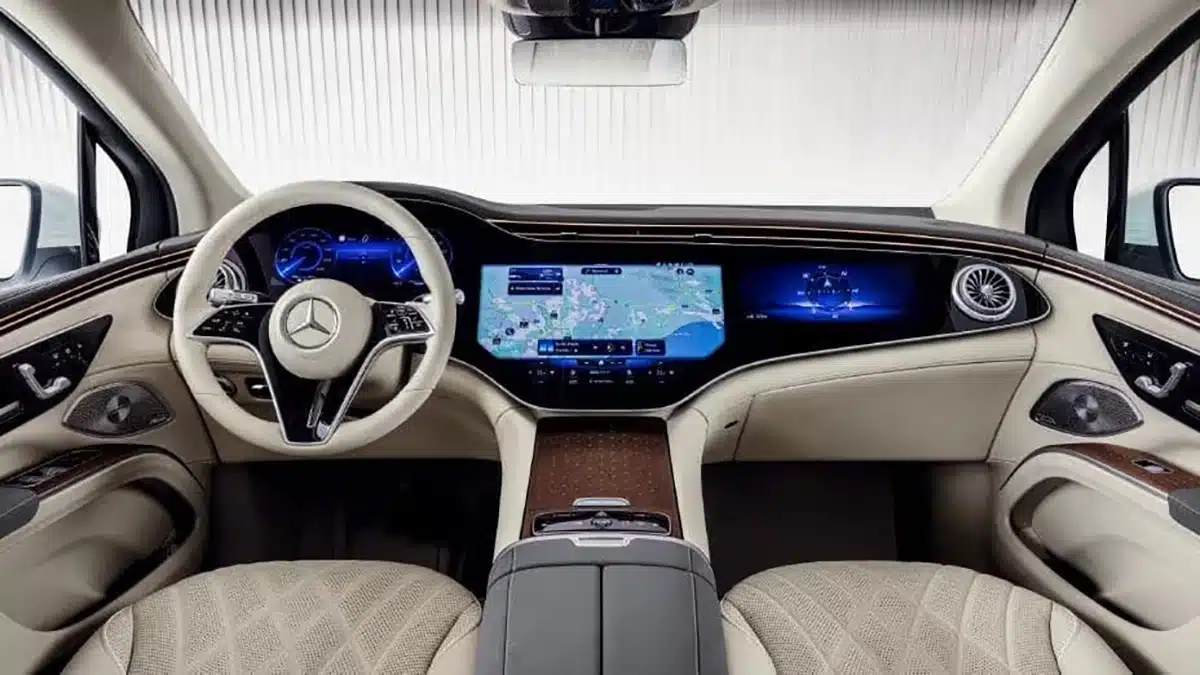
Luxury cars often include expensive materials, advanced electronics and high-performance hardware. Those features can substantially increase the original sticker price.
The used market does not necessarily assign the same value to them five years later. Buyers may also anticipate higher repair and maintenance costs once the warranty expires.
That helps explain why 18 luxury vehicles appeared among the 25 fastest-depreciating models.
Bad for new buyers, good for used buyers
High depreciation is not automatically a reason to avoid a vehicle. It depends on which side of the transaction you are on.
A new-car buyer absorbs the loss in value. A used-car shopper may receive a five-year-old luxury car or EV for less than half its original price.
The key is considering what happens next. A deeply depreciated vehicle may still have expensive insurance, maintenance, repairs or battery replacement costs.