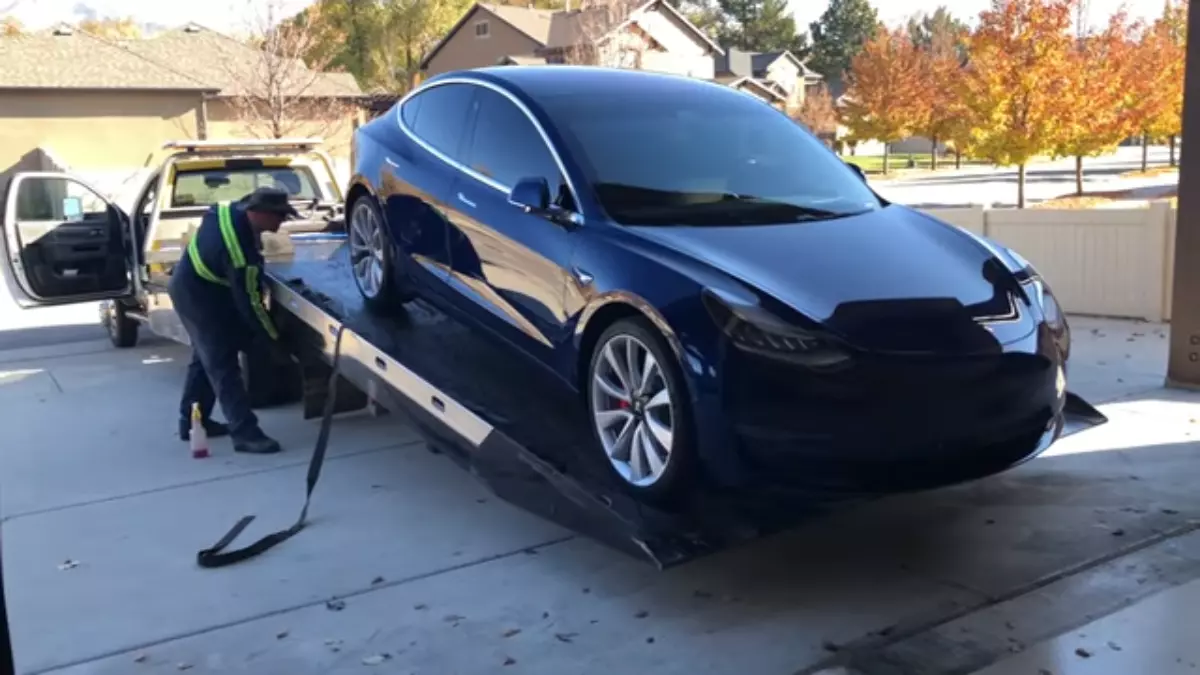
The Tesla Model 3 debuted in the 2018 model year and underwent a significant revamp for the 2023 model year. Due to production changes, most of the revamped Model 3s in North America are 2024+ model year vehicles. The Model 3 has had several hiccups during its production with known issues and recalls being a part of that.
Major Recalls for the Model 3
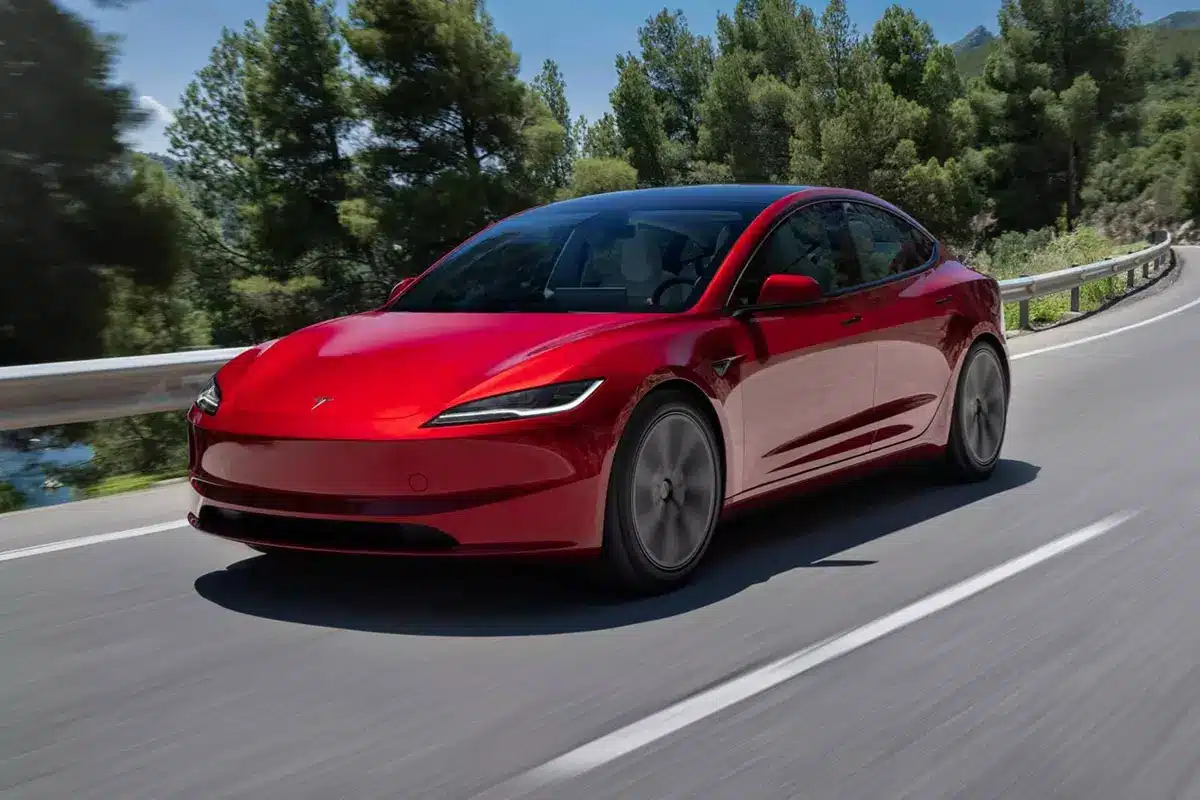
The majority of the recalls for the Tesla Model 3 in the 2023-2026 model years are for problems that carried over from the earlier, pre-refresh model. Although some of these are repaired with over-the-air (OTA) updates, most of these require physical service to repair.
Rearview Camera Delay (26V283): Affects 2017 and 2021-2023 Model 3s with hardware version 3. The rearview image may lag when shifting into reverse. Tesla addresses this with a free, over-the-air (OTA) software update.
Battery Pack Contactor Defect (25V690): Affects certain 2025 Model 3 vehicles manufactured with specific InTiCa solenoids. The contactors may suddenly open, causing a loss of propulsion. Tesla resolves this by replacing the affected parts free of charge.
Improperly Tightened Seatbelt Fasteners (25V410): Impacts 48 vehicles, including 2026 Model 3s. Fasteners attaching the seat back to the seat bottom may have been improperly tightened. Requires a physical inspection and tightening by Tesla Service.
Rearview Camera Display Short (25V002): Affects 2024–2025 Model 3s. Computer circuit boards may short, resulting in loss of the camera display. Tesla resolved this with a free OTA software update.
Hood Latch Assembly (24V554): Affects certain 2021-2024 Model 3 vehicles where the latch assembly may fail to detect an unlatched hood.
Side Curtain Airbags (22V233): Certain 2023 Model 3 vehicles had left and right side curtain airbags improperly secured, resulting in a twisted airbag that fails to comply with Federal Motor Vehicle Safety Standards. Tesla Service inspects and realigns them.
Model 3 Technical Service Bulletins
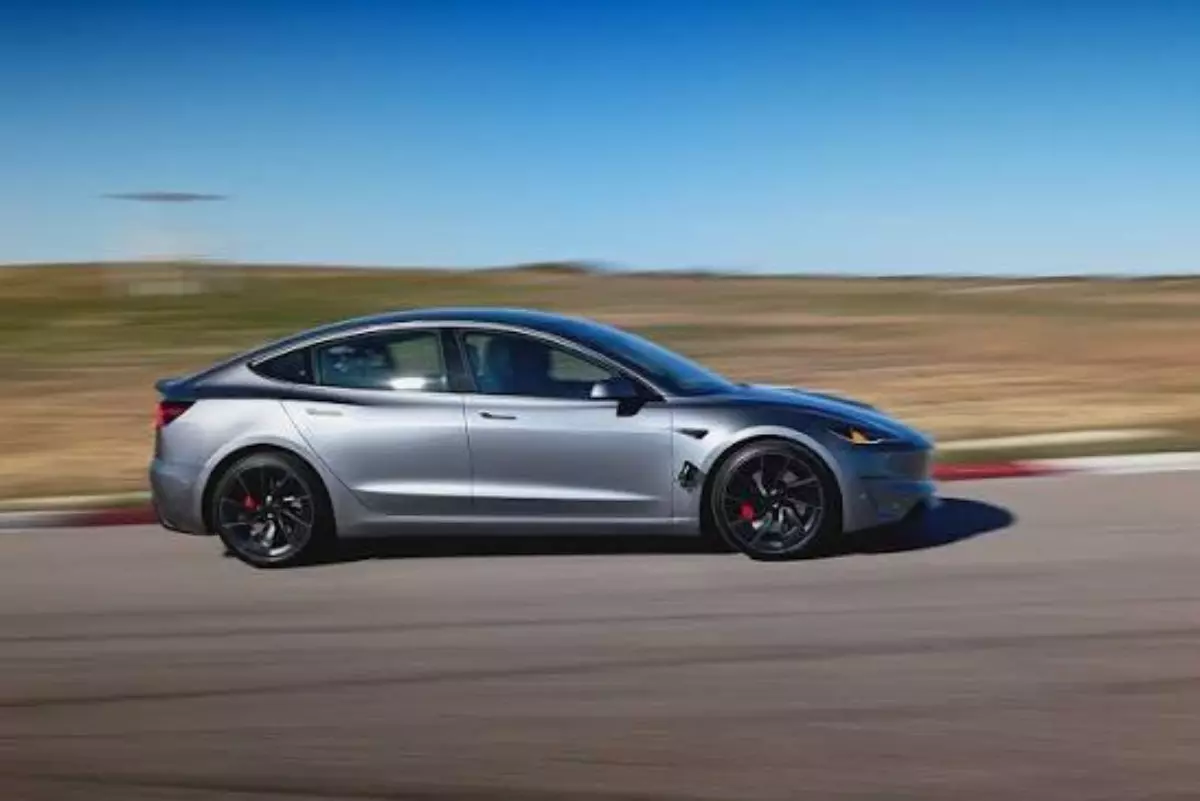
A technical service bulletin (TSB) is a manufacturer guideline for a specific repair on a known issue with a vehicle. Most TSBs are done as warranty repairs. Tesla mixes over-the-air (OTA) updates with hardware updates in its TSB releases. We have skipped most of the OTA-update TSBs from this list as they are likely automatically taken care of by firmware or the ownership app.
Wheel Speed Sensor Harness: Issued for some 2024 models to inspect and reroute the right-hand front wheel speed sensor harness to prevent wire damage.
Pyrotechnic Battery Disconnect: Addressed defective high-voltage battery disconnects in some 2023 units, where Service Centers replaced the pyrotechnic disconnect to ensure electrical safety after a fault or crash.
Battery Pack Contactor Recall / Update: Issued for select vehicles where contactors might fail, leading to a loss of propulsion. Remedy involves replacing the affected contactors with certified parts at a Service Center.
Restraint Control Module Calibration / Fastener Updates: Various bulletins and campaigns cover critical fasteners (such as seat-back connections) and restraint system calibrations for newer Model 3 generations.
Known Issues for the Tesla Model 3
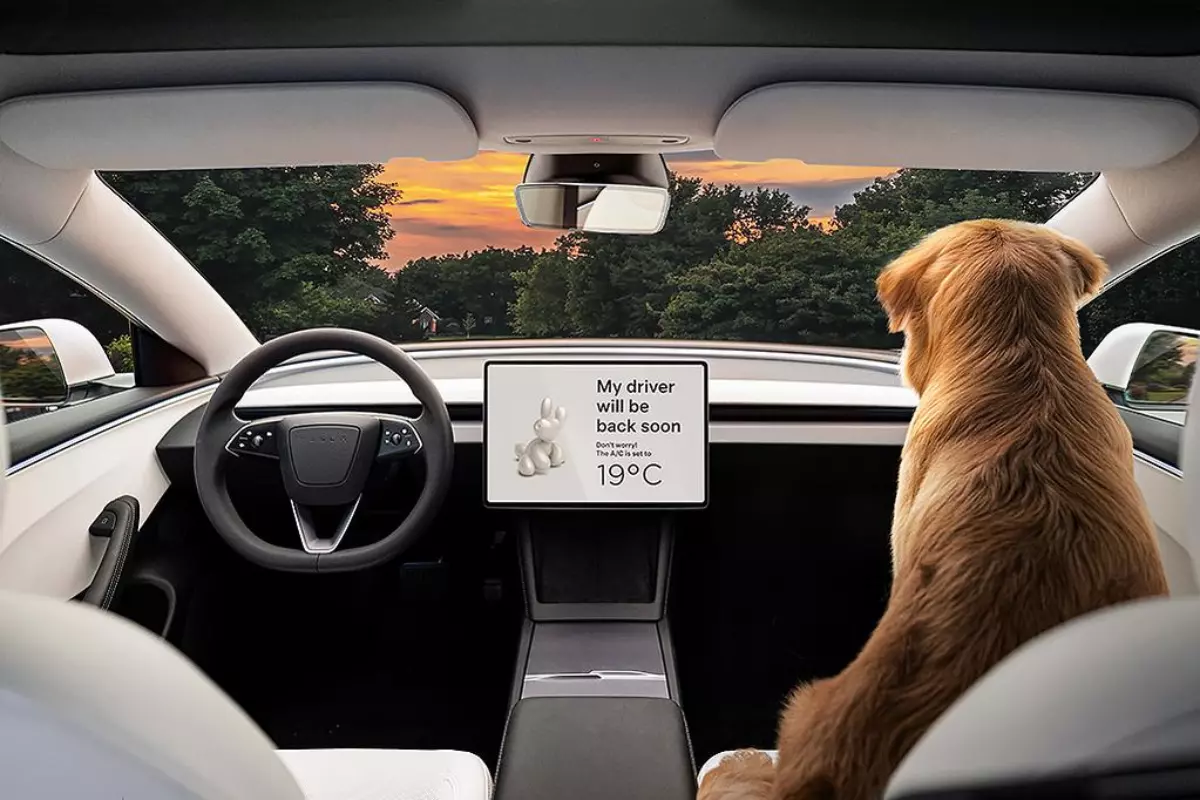
Information found on owner and technician forums and social media highlight known problems for the 2023-2026 Model 3. These are the most commonly-cited of those. Issues for the 2023 model year that were resolved with the updates given to the “Highland” (2024+) in North America are not included.
Safety & Autopilot: Frequent complaints focus on the electrical and safety systems, including “phantom braking” (sudden unprompted braking on the highway) and violently shaking front ends when braking during Autopilot use.
Suspension & Tires: Owners are reporting that suspension components (like upper/lower control arms and ball joints) frequently squeak or degrade by 60,000 to 80,000 miles. Additionally, the heavy weight and wide tread mean tires wear out significantly faster than those on traditional gas cars.
Interior & Build Quality: Misaligned body panels, loose trim, and rattles remain a common grievance. Some users have noted faulty door latches or windows failing to seal tightly at delivery. These complaints are common throughout the Tesla model lineup.
Cold-Weather Range Loss: Like all EVs, winter temperatures (below 14 °F) drastically cut real-world range by 20–30%. Many owners did not anticipate this.
How To Check For Recalls On Your Tesla

The easiest way to check for current recalls that may affect your Model 3 is to visit the National Highway Transportation Safety Administration (NHTSA) Recalls page and enter your license plate or 17-digit vehicle identification number (VIN) to run a search. You can also do this at the Tesla Service VIN Recall page.