The 2026 Mustang piston recall covers 237 cars, with engine replacement possible for those that fail inspection. The explanation starts with a loose nut at a piston supplier, followed by a testing problem that allowed damaged parts to escape detection.
The federal recall notice describes a risk of piston failure and lost driving power, which can increase crash risk. The planned repair is an inspection, followed by an engine long block replacement when necessary. Both are free.
A production-batch problem, not every EcoBoost
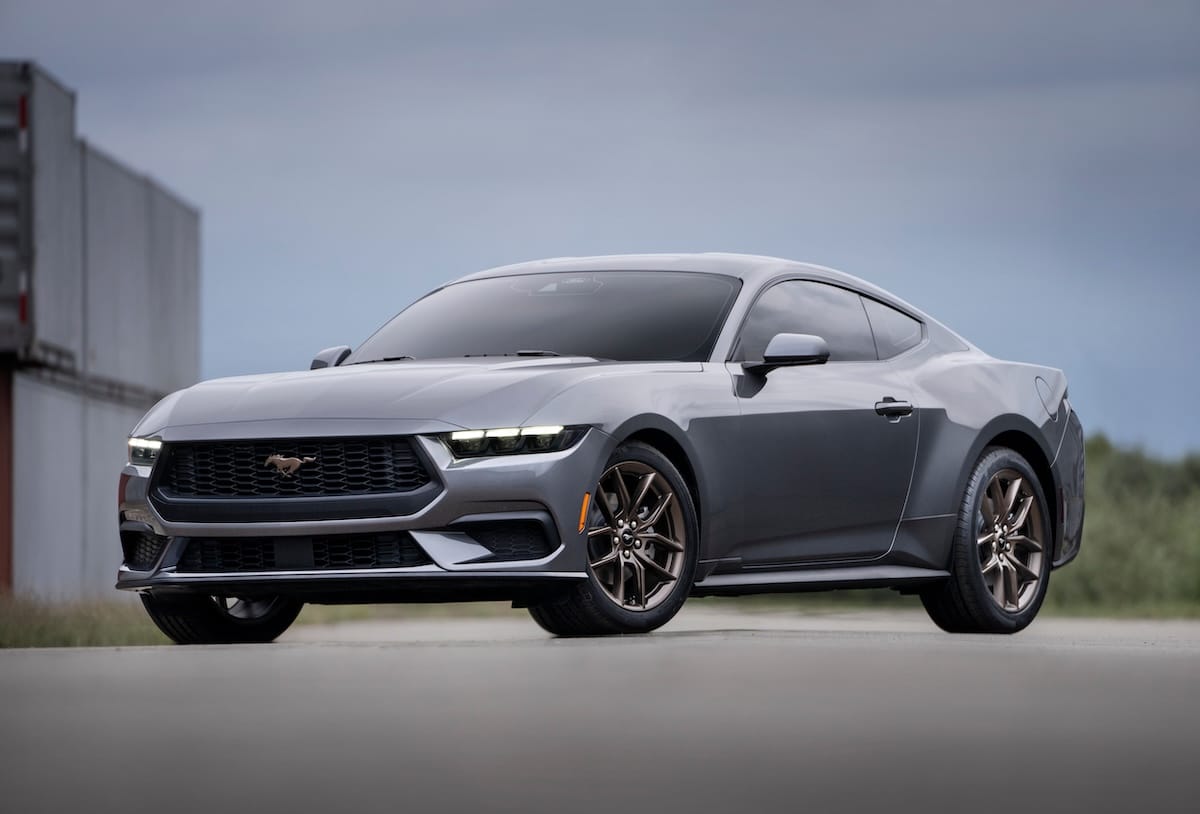
Ford’s Aug. 25 defect report identifies 2026 Mustangs with suspect 2.3-liter engines, built March 31 through April 9, 2026. The campaign’s 10,001-vehicle total covers five Ford models, not 10,001 Mustangs.
The filing identifies a production batch; it does not attribute the problem to all EcoBoost engines.
Ford traced the problem to a loosened lock nut on a supplier’s machining tool. The tool intermittently struck the piston’s Ni-Ring insert, breaking the metallic bond between that insert and the surrounding aluminum. Cracking at that interface could lead to failure of the piston dome.
Why put a separate metal insert in an aluminum piston? Piston manufacturer MAHLE’s technical explanation describes ring carriers made from special cast iron, bonded to the piston material to resist wear around the ring groove. Its examples concern diesel designs, but they illustrate the purpose of a bonded insert. Ford identifies Dong Yang Piston as the supplier for this recall.
That distinction between an insert and its surrounding material is central to understanding the failure. The component depends on the connection between them, not simply on the strength of either metal considered separately.
This campaign is separate from the Mustang wiring-harness recall we covered in September.
The second problem was the inspection
Ford also found that a replaced ultrasonic sensor had not been followed by the necessary equipment-parameter changes. For piston production from Jan. 26 through March 6, the tester could not detect these cracks.
Ultrasonic inspection uses sound rather than a visual check alone. Evident’s inspection tutorial explains that sound waves reflect from cracks and other internal discontinuities. Reading those echoes can reveal defects hidden inside a part.
But the equipment needs the right setup. Evident’s calibration guidance explains that measurements depend on settings appropriate to the material and transducer. Reference standards help verify that readings are meaningful.
For any ultrasonic inspection, the practical question is whether the setup can reliably distinguish sound material from the flaw being sought. A functioning sensor alone does not establish that.
What an engine long block means
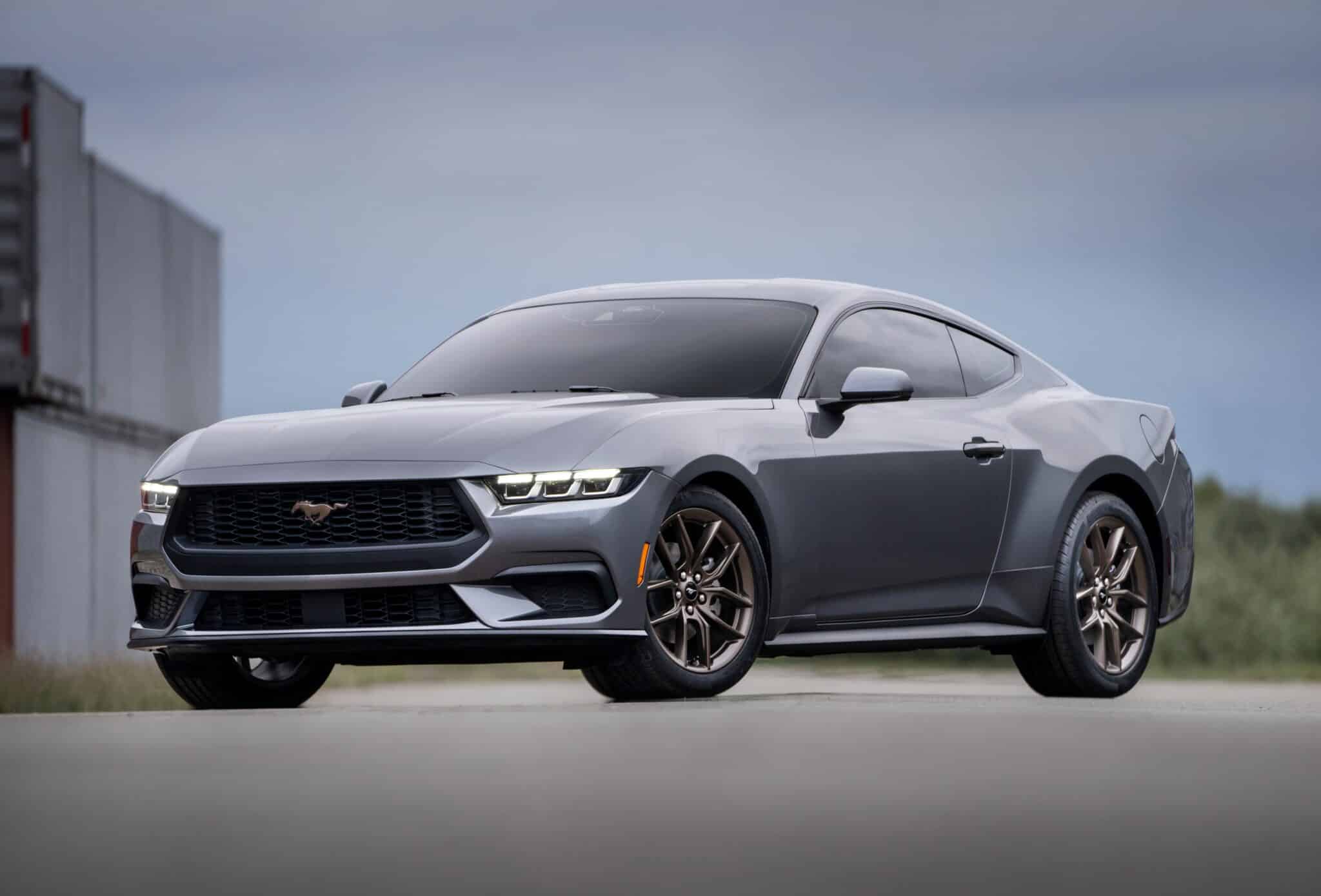
A long block is a major engine assembly, not just a bare block casting or a replacement piston. It generally combines the block and rotating components with the cylinder head and valvetrain.
Ford’s own long-block catalog illustrates the distinction: its separate 5.0-liter offering includes major internal engine components but excludes items such as the intake manifold, alternator and engine wiring. That product is an example of the terminology, not the replacement specified for this recall.
Owners should not interpret a long-block replacement as a promise that every accessory under the hood will be new. The dealer’s repair documentation should identify the work performed.
Where the remedy stands now
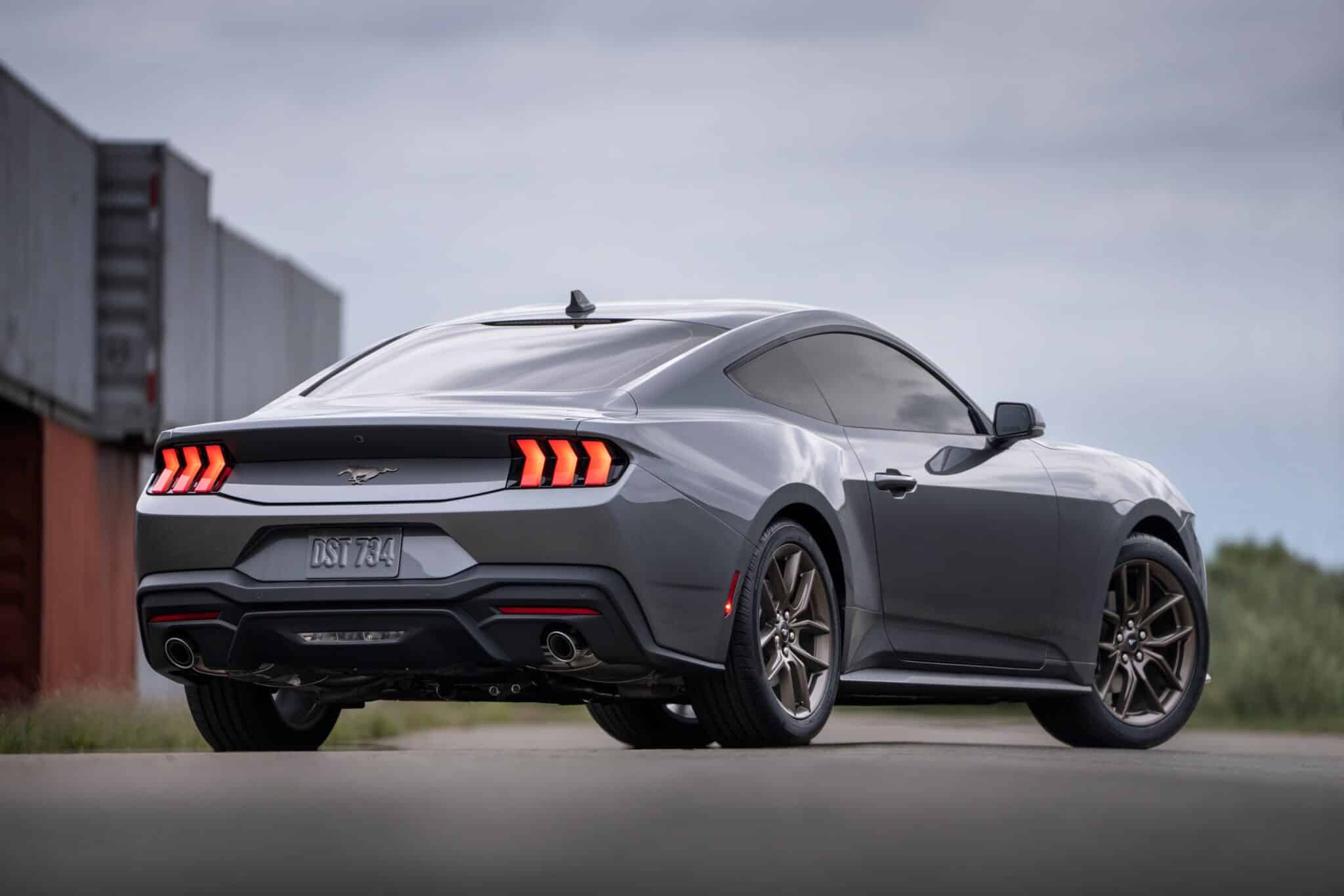
As checked Oct. 22, 2026, NHTSA’s current campaign record says interim notices were mailed Sept. 3. It still lists remedy availability as anticipated in December 2026, with another letter to follow. That is an expected timetable, not a guaranteed appointment date.
Check the car’s VIN through NHTSA’s recall lookup, then contact a Ford dealer about campaign 26S61, also identified as 26V548000. NHTSA advises owners to follow the manufacturer’s interim safety instructions. Ask the dealer about current parts availability and the next step for that specific car, rather than assuming the build date alone establishes eligibility.
NHTSA distinguishes a general model-year search from a VIN search, which checks for an unrepaired recall on a particular vehicle. The 17-character VIN is visible at the lower left of the windshield and on the registration. That makes it useful for both current owners and shoppers checking an individual car.