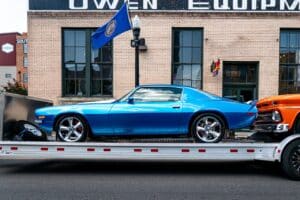

The Chevy Malibu is out of production, but a new lawsuit is putting its transmission back in the spotlight. A proposed class action filed in Delaware federal court alleges General Motors concealed defects in continuously variable transmissions used in several Chevrolet and GMC models. The complaint also claims dealers were instructed to describe some transmission complaints as normal. Those are allegations, not findings by the court.
CVTs: A Complicated Modern Problem
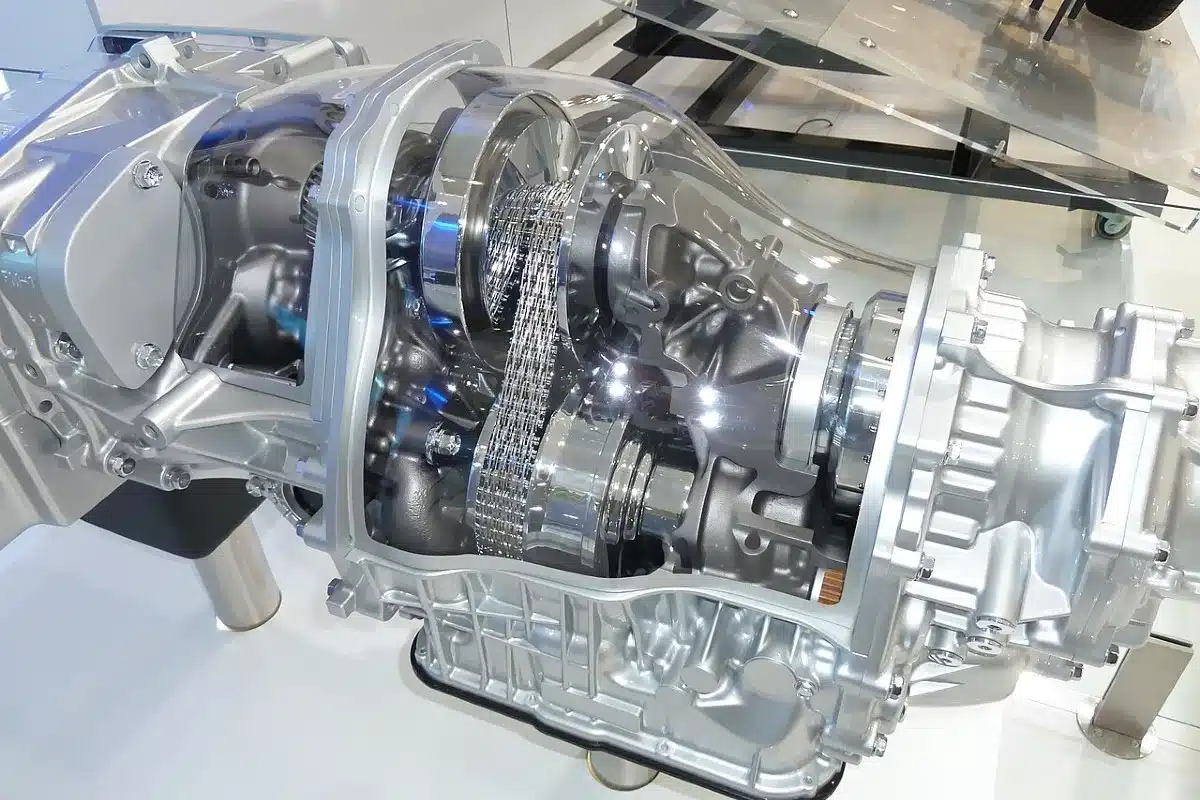
Continuously variable transmissions, or CVTs, are common in smaller cars and crossovers. Instead of shifting between a fixed set of gears, many use a steel belt or chain running between variable-width pulleys. Changing the effective pulley diameters changes the drive ratio, allowing the engine to operate at a speed suited to the load.
That helps explain why engine speed and road speed can behave differently than they do with a conventional automatic. The sensation sometimes called “rubber banding” describes that driving feel; it does not mean a steel belt is physically stretching. A delay in acceleration or a change in engine speed alone cannot identify a failed component.
Transmission design and calibration vary by vehicle. A complaint about one CVT does not establish that every CVT has the same problem. For owners, the useful questions are which transmission their vehicle has, what symptoms it exhibits and what a technician finds.
GM CVTs: A Problem Allegedly Swept Under the Rug
Plaintiff John Williams alleges GM failed to disclose a CVT defect and continued selling affected vehicles despite knowing about the problem. The complaint describes hesitation, shuddering and loss of propulsion, and argues that repairs did not consistently resolve owners’ concerns.
The lawsuit also alleges that dealers dismissed some abnormal operation as normal. That claim should not be confused with proof that GM ordered every transmission complaint ignored. A GM service bulletin, 24-NA-009, provides diagnostic and repair procedures for specified transmission concerns. A technical service bulletin gives technicians service guidance; it is not itself a recall or a court finding.
Symptoms such as severe shuddering or loss of propulsion warrant professional diagnosis. They do not, by themselves, establish whether a belt, pulley, valve body or another component has failed. That distinction matters when reporting a lawsuit built around an alleged common defect.
Which Vehicles Have the CVT?
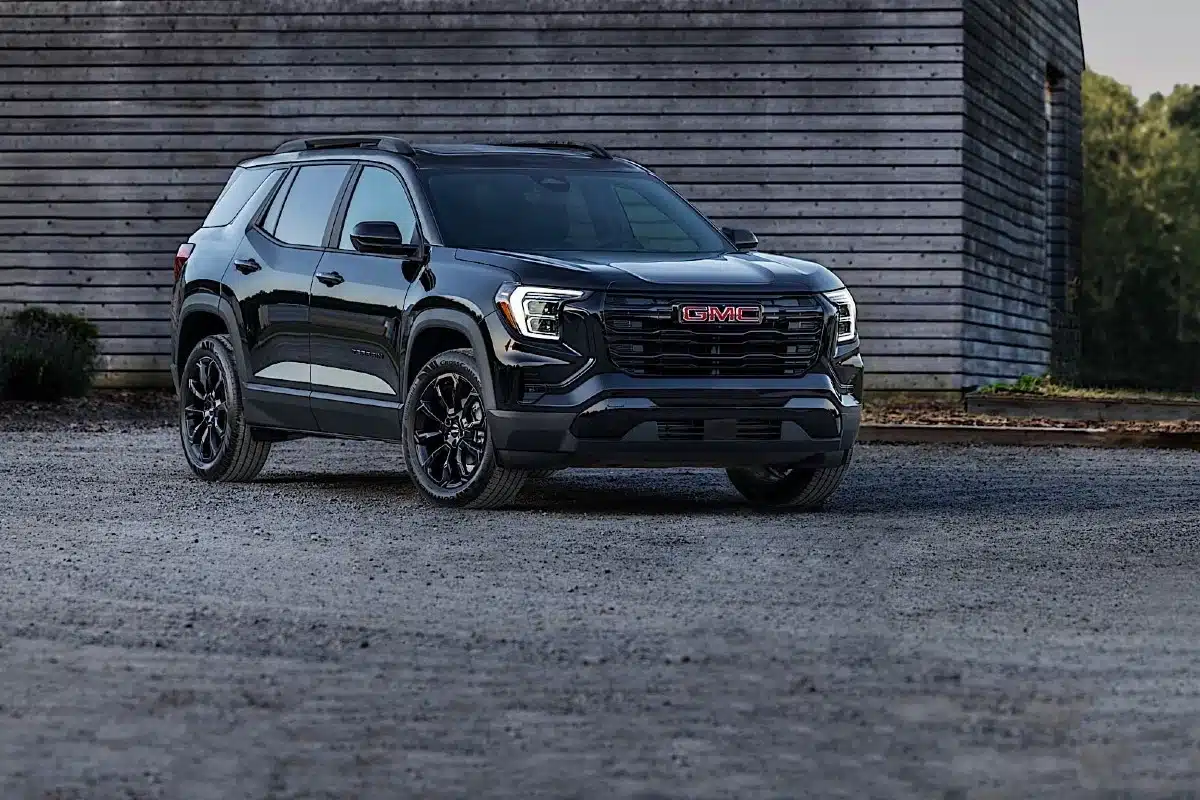
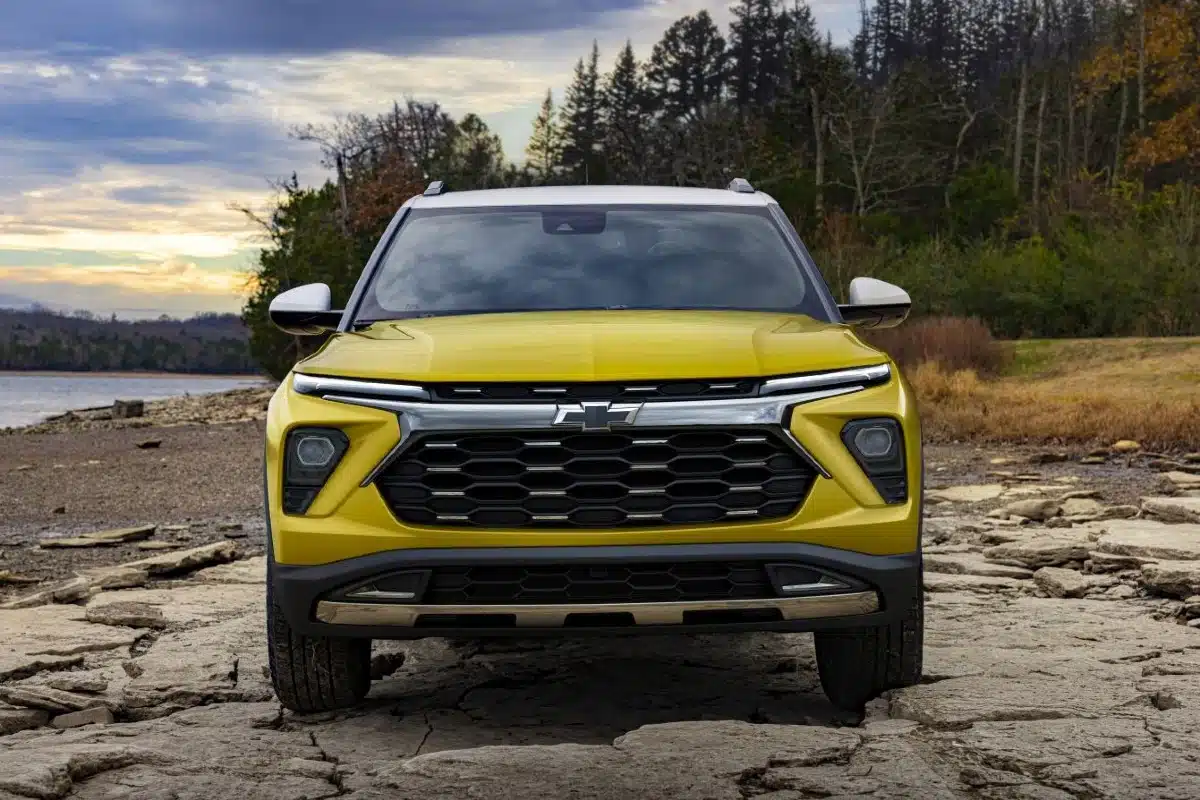
The complaint proposes coverage for CVT-equipped 2019–2025 Malibus, 2021–2025 Trailblazers and 2024-and-newer Equinox and Terrain models. Its model-year list needs an important qualification: the 2024 Equinox and Terrain did not use the CVT discussed here.
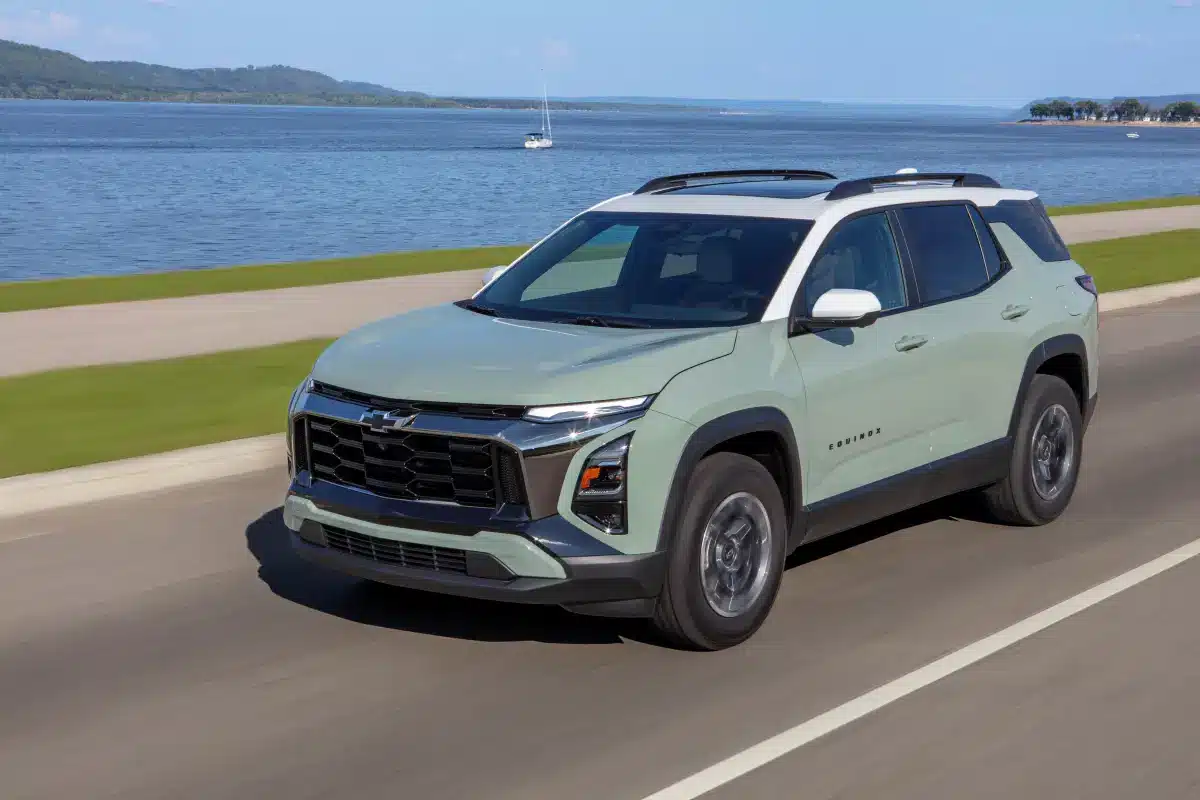
Chevrolet’s specifications list a six-speed automatic for the 2024 Equinox. The redesigned 2025 Equinox introduced a CVT with front-wheel drive and an eight-speed automatic with all-wheel drive. Similarly, the 2024 Terrain used a nine-speed automatic, while the redesigned 2025 Terrain paired front-wheel drive with a CVT and all-wheel drive with an eight-speed automatic.
GM has not eliminated eight-speed automatics from its full-size trucks, either. The 2026 Silverado 1500 still pairs its TurboMax engine with an eight-speed automatic. GM uses both eight- and ten-speed automatics across its truck lineup, depending on the engine and model. Those geared transmissions are separate from the CVTs at issue in this complaint.
What Owners Should Take Away
For owners, the immediate takeaway is to identify the transmission in their particular vehicle rather than assume every version of a named model is included. Keep repair orders and a record of symptoms, mileage and dealer visits. If a problem returns after a repair, that history gives the service department a clearer starting point for further diagnosis.
The lawsuit raises questions about what GM knew and how it handled customer complaints. It does not establish that every vehicle in the proposed class is defective, nor does filing a complaint guarantee compensation. It also provides no basis to conclude GM will stop building its own transmissions. The allegations will need to be tested through the legal process.