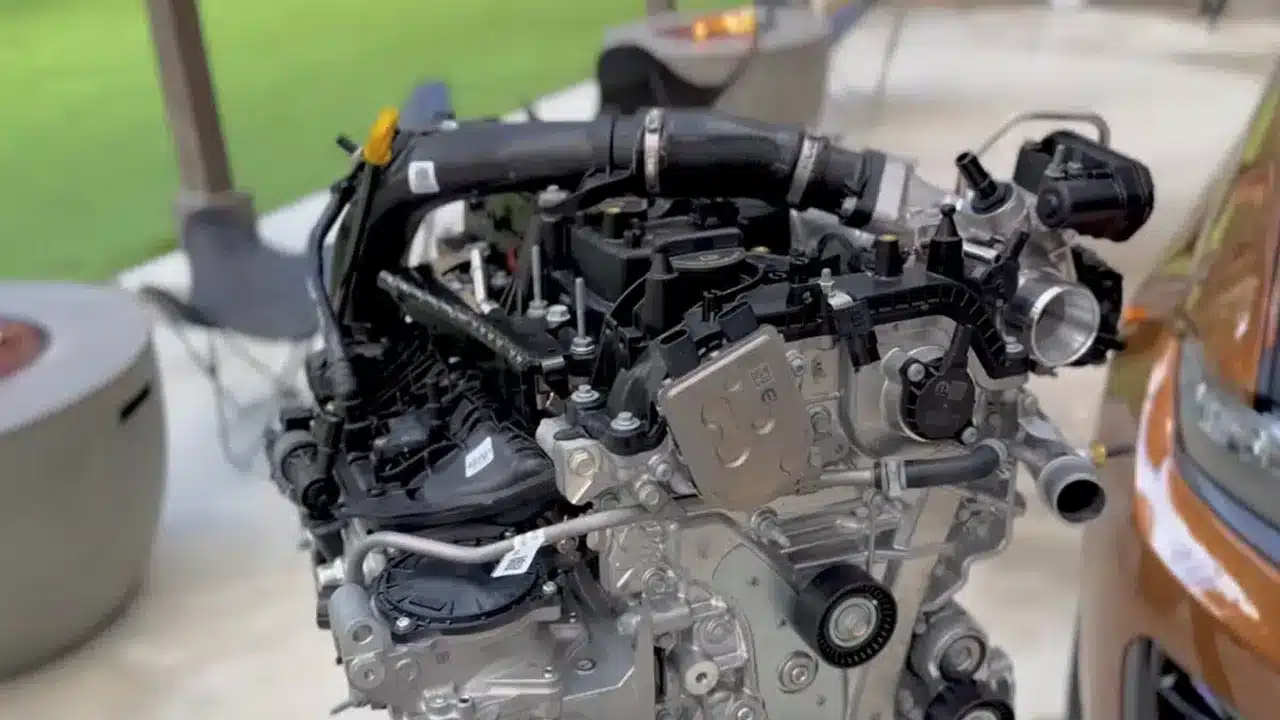
The Jeep Hurricane 4 brings a new turbocharged four-cylinder option to the 2026 Grand Cherokee lineup. We asked the engine’s chief engineer why Jeep developed it and how it balances power, fuel economy and durability.
In our video interview, Ashish Dubey explains the clean-sheet architecture and turbulent jet ignition system. Cory Fourniquet conducted the interview; I transcribed it. The 3.6-liter V6 remained available in the 2026 Laredo, while the Hurricane 4 powered the refreshed lineup starting with Laredo Altitude.
Why Develop An All-New Hurricane 4 Engine?

Q: Is this truly a brand-new engine architecture?
Ashish Dubey:
“Yes. This is the first application for this engine in the entire Stellantis lineup. The only shared component with today’s 2.0-liter turbo engine is the oil filter. Everything else is brand new.”
Dubey further explained Jeep wanted an engine capable of matching the Grand Cherokee’s “dual personality” by balancing luxury SUV refinement with off-road capability and towing performance. Rather than modifying an older engine design, engineers started with a clean-sheet approach to avoid future limitations on strength, power and fuel system upgrades.
According to Dubey, the primary objective was avoiding trade-offs between performance, fuel economy and refinement.
What Is Turbulent Jet Ignition And How Does It Work?

Q: What makes the Hurricane 4 combustion system different?
Ashish Dubey:
“We call it turbulent jet ignition. Think of a conventional spark plug like a lighter. This system works more like a blowtorch.”
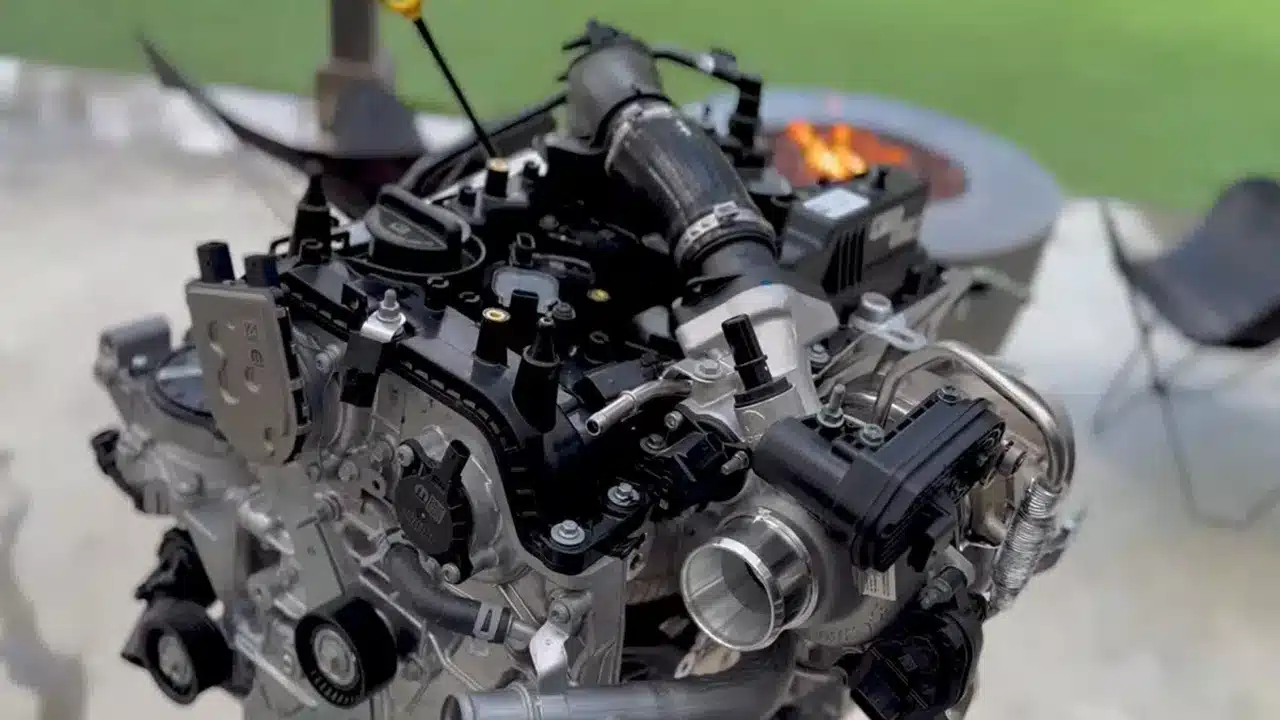
The Hurricane 4 uses a passive pre-chamber system mounted inside the combustion chamber. Instead of igniting the air-fuel mixture directly inside the cylinder like a traditional spark plug, the spark occurs inside a small chamber. Flames then shoot through multiple small openings into the cylinder at extremely high speed.
Dubey said the result is:
- Faster combustion
- More complete combustion
- Reduced knock
- Better emissions performance
- Increased power output
The company claims the engine produces 20 percent more power while using 10 percent less fuel compared to the current 2.0-liter turbocharged engine.
How Does Jeep Improve Performance And Durability?
Q: How does a small turbocharged four-cylinder handle long-term durability concerns?
Ashish Dubey:
“When engineers design something from the beginning, we account for peak cylinder pressures, temperatures and fatigue over tens of years.”
Jeep engineers added several technologies aimed at improving both drivability and durability:
- Variable geometry turbocharger
- Miller-cycle combustion
- 350-bar direct injection
- Port fuel injection
- Spray bore cylinder coating
- Larger crankshaft and main bearings
- Structural oil pan and windage tray
- Single-piece die-cast block design
Dubey said the variable geometry turbocharger helps improve low-end responsiveness while maintaining high-end power.
The addition of port fuel injection also helps reduce concerns over carbon buildup often associated with direct injection-only engines.
Engine structure was another major focus. Jeep increased cylinder wall thickness by 24 percent compared to previous designs to better handle higher cylinder pressures over long-term use.
Can The Hurricane 4 Replace The Grand Cherokee V6?
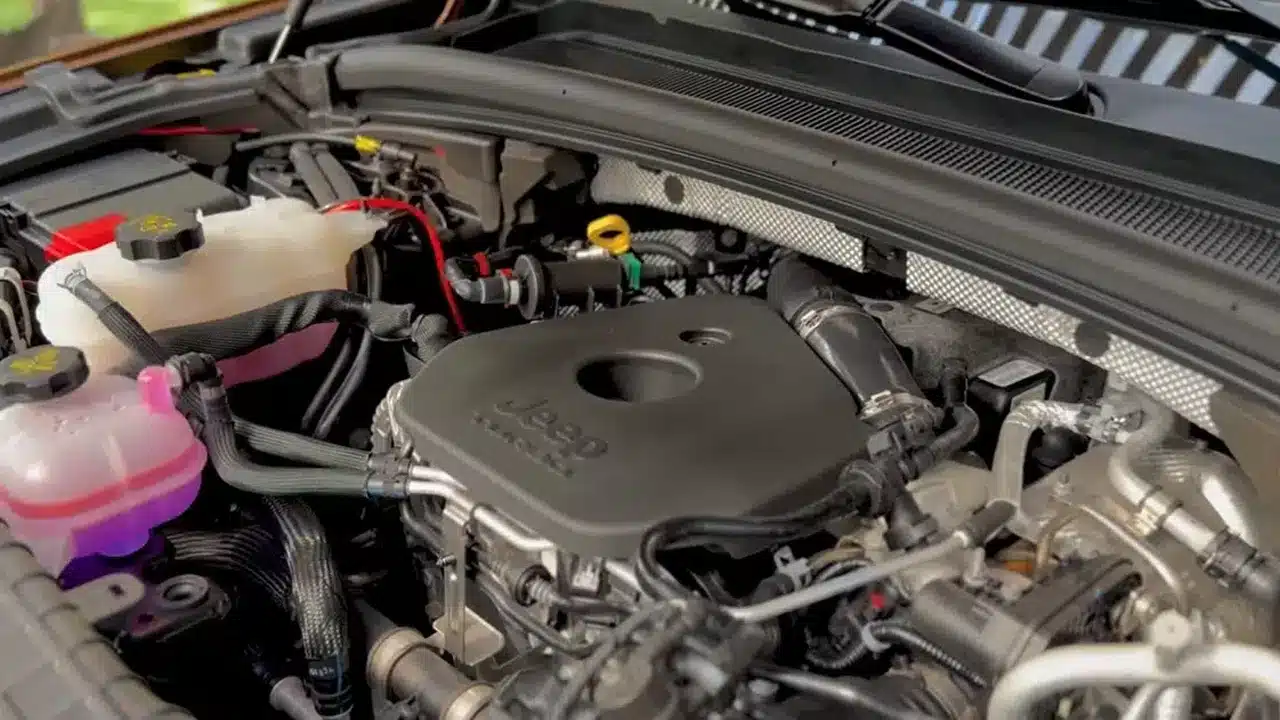
Q: Can this engine really replace the outgoing V6?
Ashish Dubey:
“We’re not saying this is a replacement for a V8. But compared to the Pentastar V6, this engine delivers more power, more torque and better fuel economy while maintaining full towing capability.”
According to Jeep, the Hurricane 4 delivers:
- 31 more horsepower than the Pentastar V6
- 72 lb-ft more torque
- 10 to 15 percent real-world fuel economy improvement
- Full 6,200-pound towing capability
Dubey also emphasized that low-end torque was a major development target to improve highway merging and towing performance without requiring high engine RPM.
Noise and vibration reduction was another engineering priority since many buyers associate four-cylinder engines with harshness. Jeep says extensive work was done to improve cabin refinement and reduce unwanted engine noise entering the passenger compartment.
The new Hurricane 4 represents one of the biggest powertrain changes Jeep has made to the Jeep Grand Cherokee in years. Instead of downsizing an existing engine, Stellantis developed an entirely new turbocharged four-cylinder architecture aimed at balancing fuel economy, towing capability, refinement and performance.
Whether longtime Jeep buyers embrace a four-cylinder Grand Cherokee remains to be seen, but the engineering behind the new Hurricane 4 is clearly far more extensive than simply bolting on a larger turbocharger.
Originally published by Pickup Truck + SUV Talk on May 27, 2026. Republished with the original reporting and photo credits. The engineer’s name and V6 availability have been clarified.